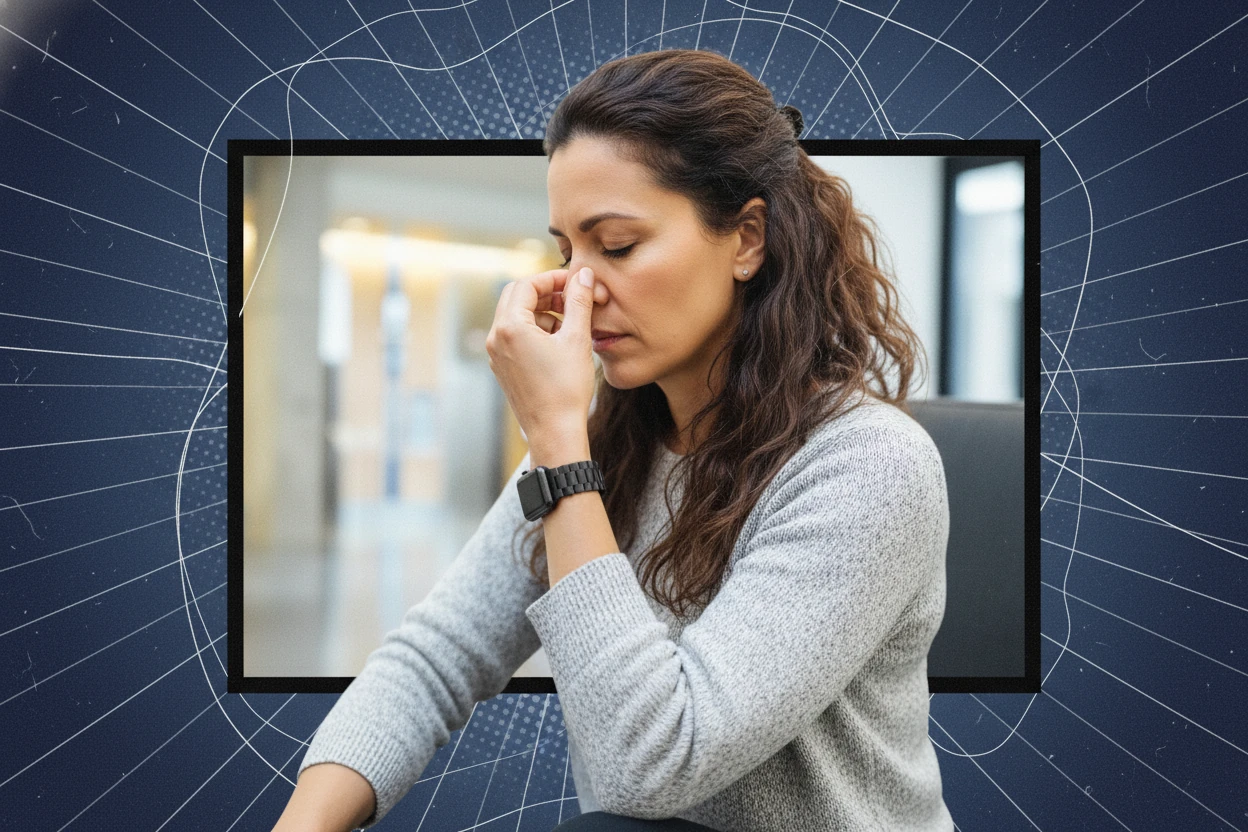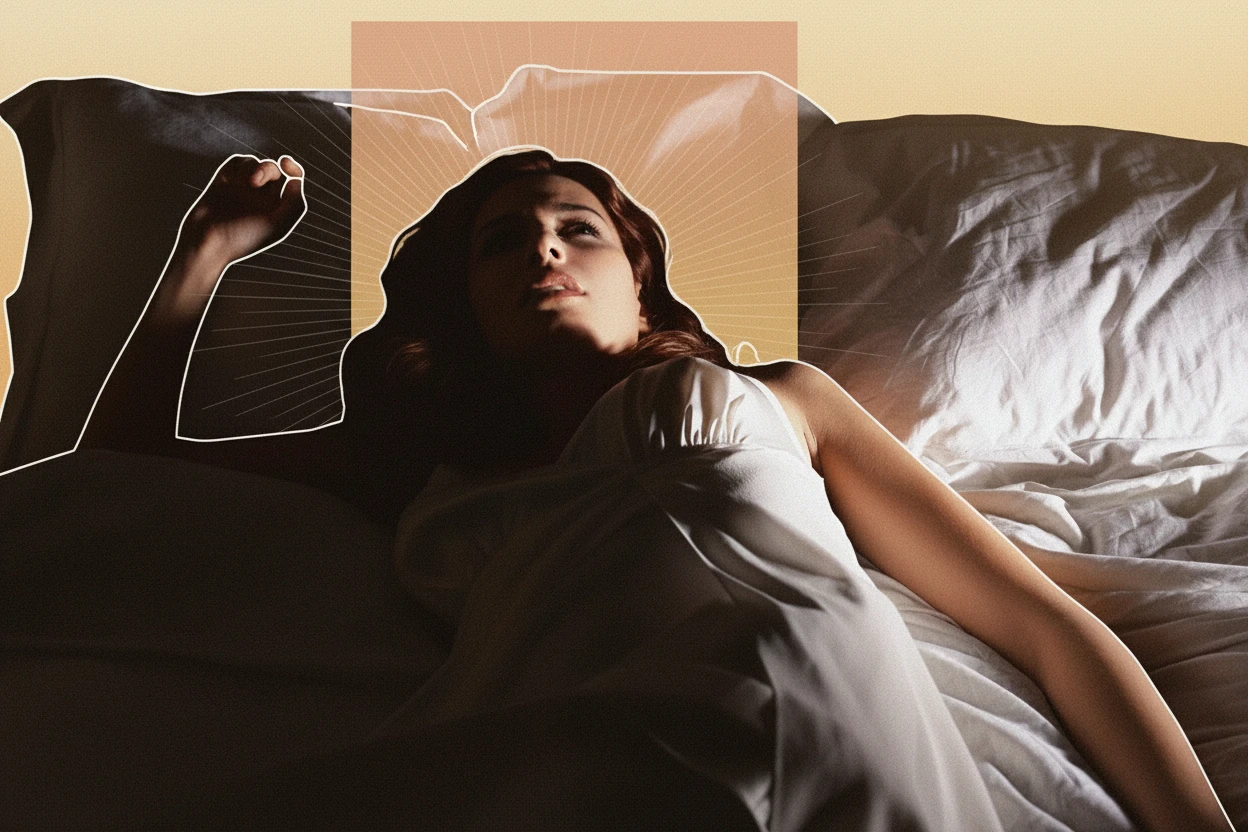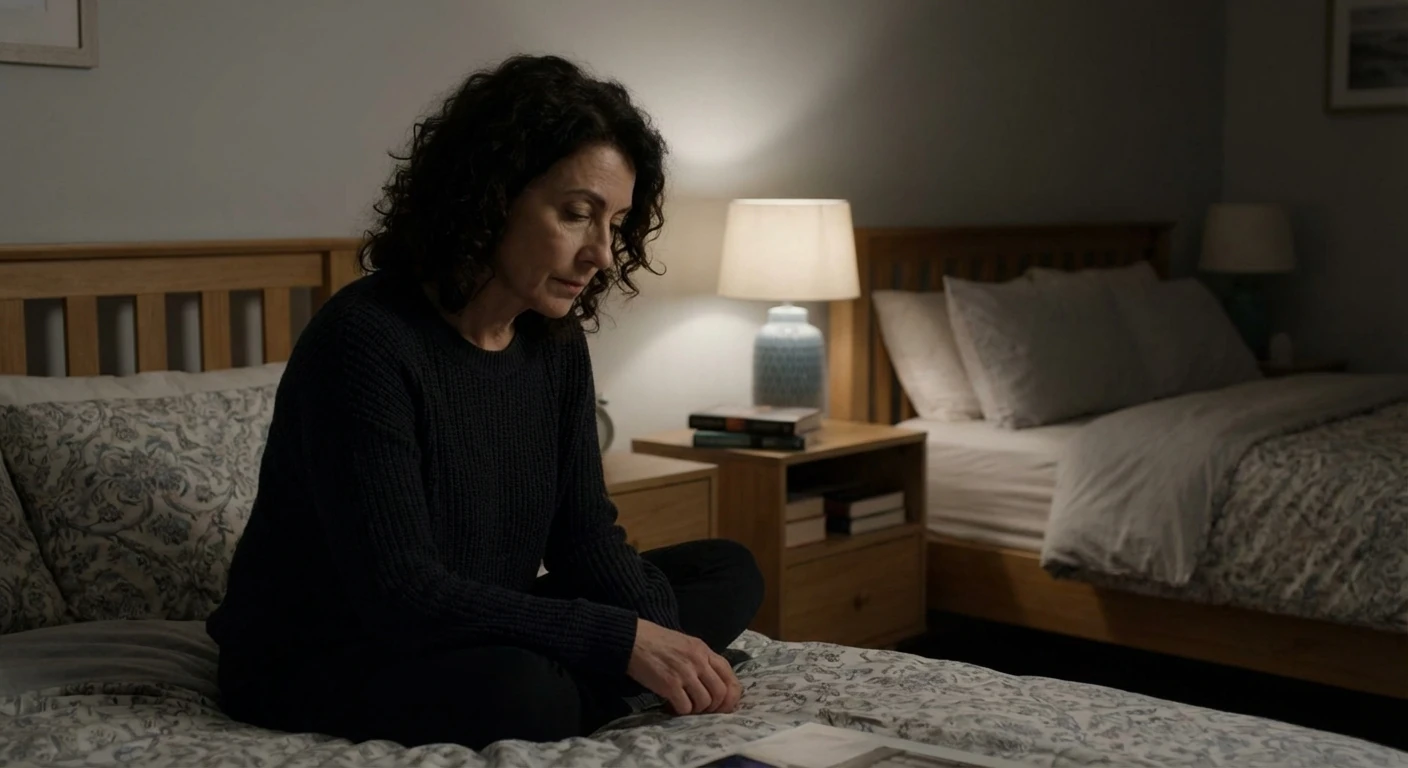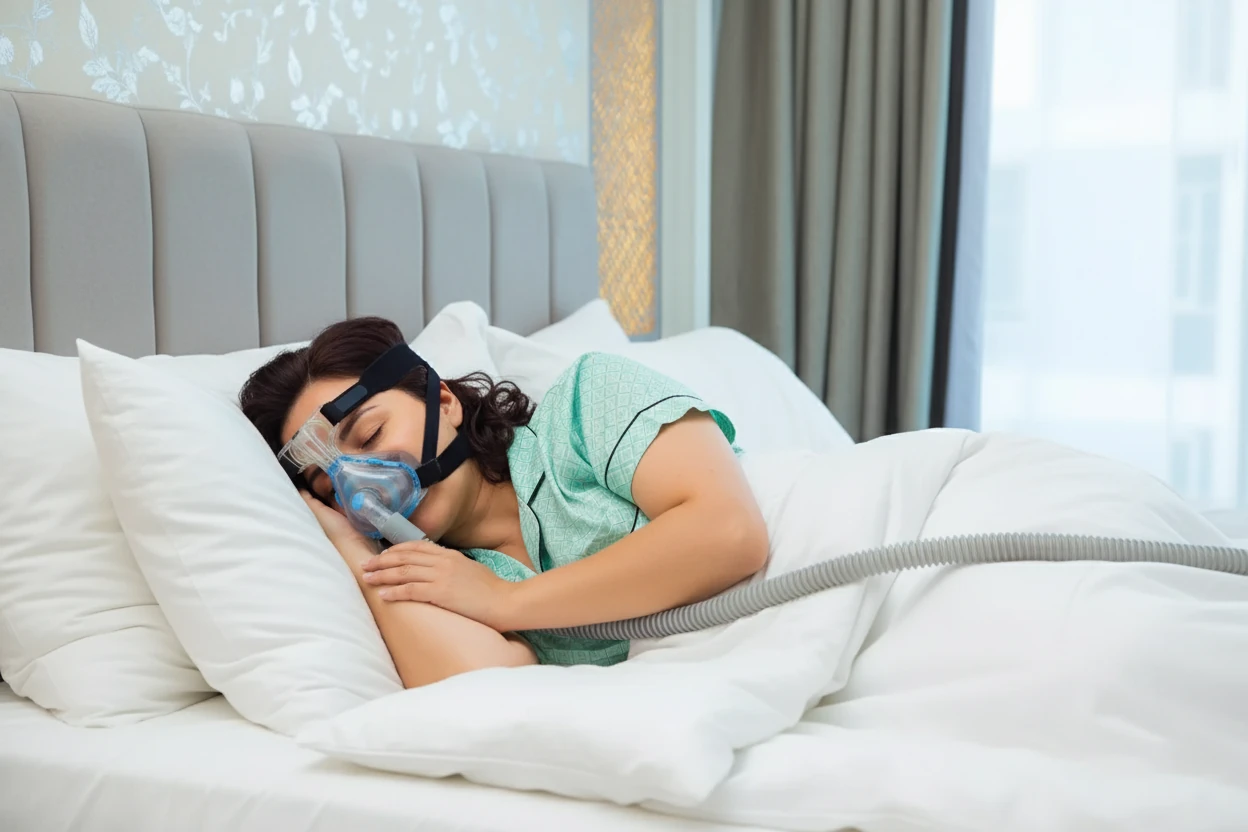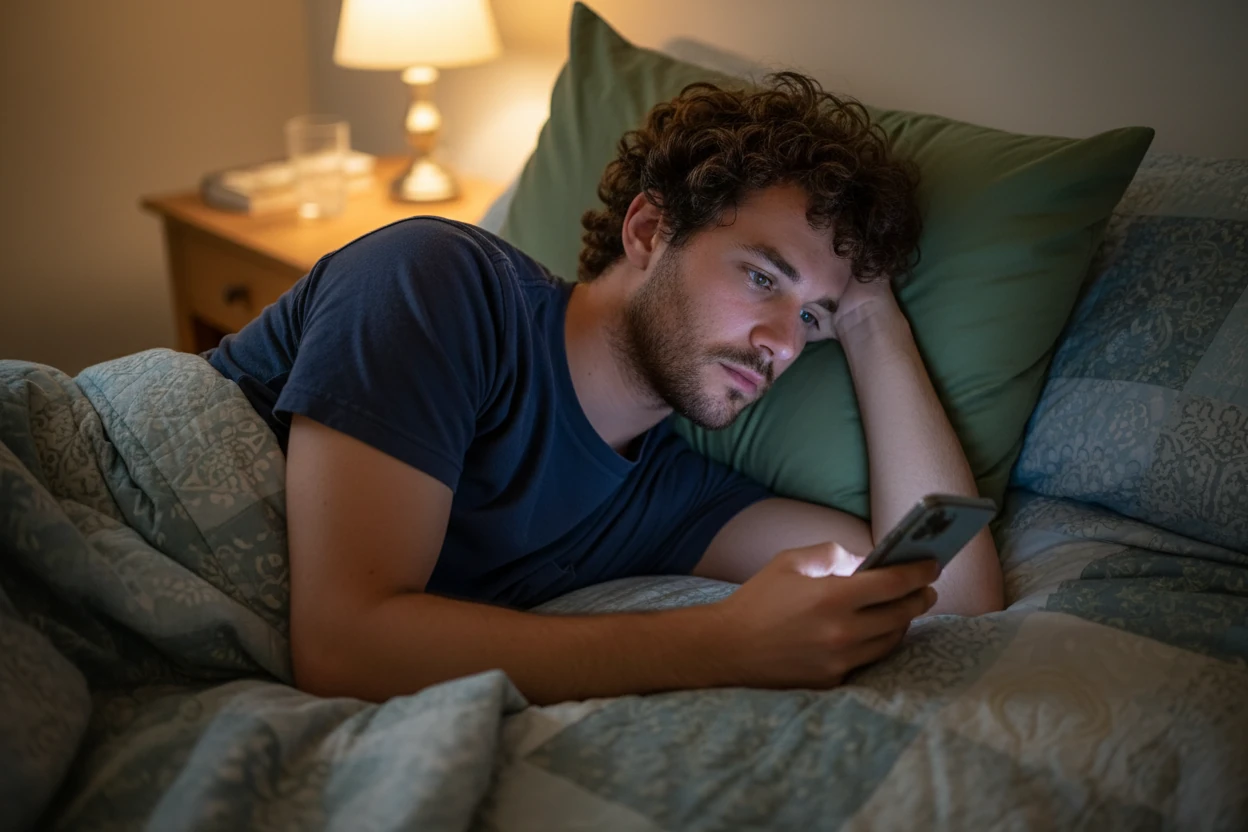
Anxiety disorders affect nearly one-third of adults at some point in their lives, often leading to significant sleep disturbances such as difficulty falling or staying asleep1. Nighttime anxiety-and-caffeine-effects-symptoms-and-managementanxietyanxiety can cause people to wake up feeling fearful or restless, which worsens sleep quality and overall well-being2. This article explores the common causes, symptoms, side effects, prevention, and management of anxiety that occurs during the night3.
Common Causes of Nighttime Anxiety
Various factors contribute to anxiety at night, including stress, trauma, and insomnia2. Stressful life events increase hyperarousal—a heightened state of alertness—that disrupts normal sleep patterns and dysregulates the body's fight-or-flight response, which is mediated by noradrenaline (also called norepinephrine)45. Elevated noradrenaline levels are linked to loss of REM sleep, which is crucial for emotional regulation, and may predispose individuals to psychosomatic disorders5. Sleep deprivation further raises noradrenaline, worsening anxiety symptoms and increasing the chance of waking with anxiety56.
People with high sleep reactivity—those whose sleep is easily disturbed by stress—are more vulnerable to insomnia triggered by stressful events4. Mental health disorders such as generalized anxiety disorder (GAD) and posttraumatic stress disorder (PTSD) commonly worsen sleep quality and increase episodes of nocturnal anxiety78. PTSD, in particular, is associated with trauma-related nightmares and frequent sleep disruption8. Nocturnal panic attacks, sudden awakenings with intense fear, also contribute to nighttime anxiety and make returning to sleep difficult9.
💡 Did You Know?
Various factors contribute to anxiety at night, including stress, trauma, and insomnia. Nighttime anxiety can lead to difficulties falling asleep or staying asleep2.
Recognizing Anxiety Symptoms
Anxiety symptoms vary depending on the specific disorder but often include cognitive, emotional, and physical features1. Common symptoms include excessive worry, difficulty concentrating, restlessness, and intrusive, uncontrollable thoughts1. At night, anxiety may manifest as racing thoughts, nervousness, and trouble falling or staying asleep3.
Nocturnal panic attacks are a distinct symptom seen in many anxiety disorders. These attacks cause abrupt awakenings with intense fear and physical symptoms such as chills, nausea, sweating, trembling, and paresthesias (tingling or numbness)109. People experiencing nocturnal panic attacks are fully aware of their fear, unlike night terrors where awareness is typically absent1112. Symptoms of panic attacks peak rapidly, usually within 10 minutes, and can mimic heart attack symptoms, including chest pain and shortness of breath1012.
- Racing thoughts and excessive worry about the future13
- Restlessness or feeling keyed up1
- Difficulty concentrating or focusing1
- Physical symptoms such as increased heart rate, sweating, and tense muscles13
- Gastrointestinal issues like nausea during panic episodes10
- Paresthesias such as numbness or tingling in fingers or toes10
- Abrupt awakenings with intense fear during nocturnal panic attacks912
Potential Side Effects
Nighttime anxiety and nocturnal panic attacks disrupt sleep continuity, leading to fragmented and poor-quality sleep98. These sleep disturbances can exacerbate anxiety symptoms, creating a vicious cycle where anxiety worsens sleep, and poor sleep increases anxiety risk48. Sleep deprivation increases subjective threat expectancies, making individuals more sensitive to perceived dangers and heightening anxiety6.
Chronic sleep disruption associated with anxiety disorders may impair emotional processing, as REM sleep plays a critical role in adapting to stress and consolidating emotional memories78. Loss of REM sleep can lead to emotional dysregulation and increased symptom severity in anxiety and PTSD8. Additionally, frequent nocturnal panic attacks can cause daytime consequences such as difficulty concentrating, increased stress, and poor work performance11.
Preventing Nighttime Anxiety
Preventing nighttime anxiety involves addressing both anxiety symptoms and sleep disturbances, as these conditions often perpetuate each other8. Maintaining healthy sleep habits and managing stress can reduce the risk of waking with anxiety3. Because REM sleep is essential for emotional regulation, protecting REM sleep through good sleep hygiene is important for preventing anxiety escalation78.
- Maintain a consistent sleep schedule to regulate your circadian rhythm3
- Avoid stimulants like caffeine and nicotine in the evening3
- Create a comfortable, cool, dark, and quiet bedroom environment13
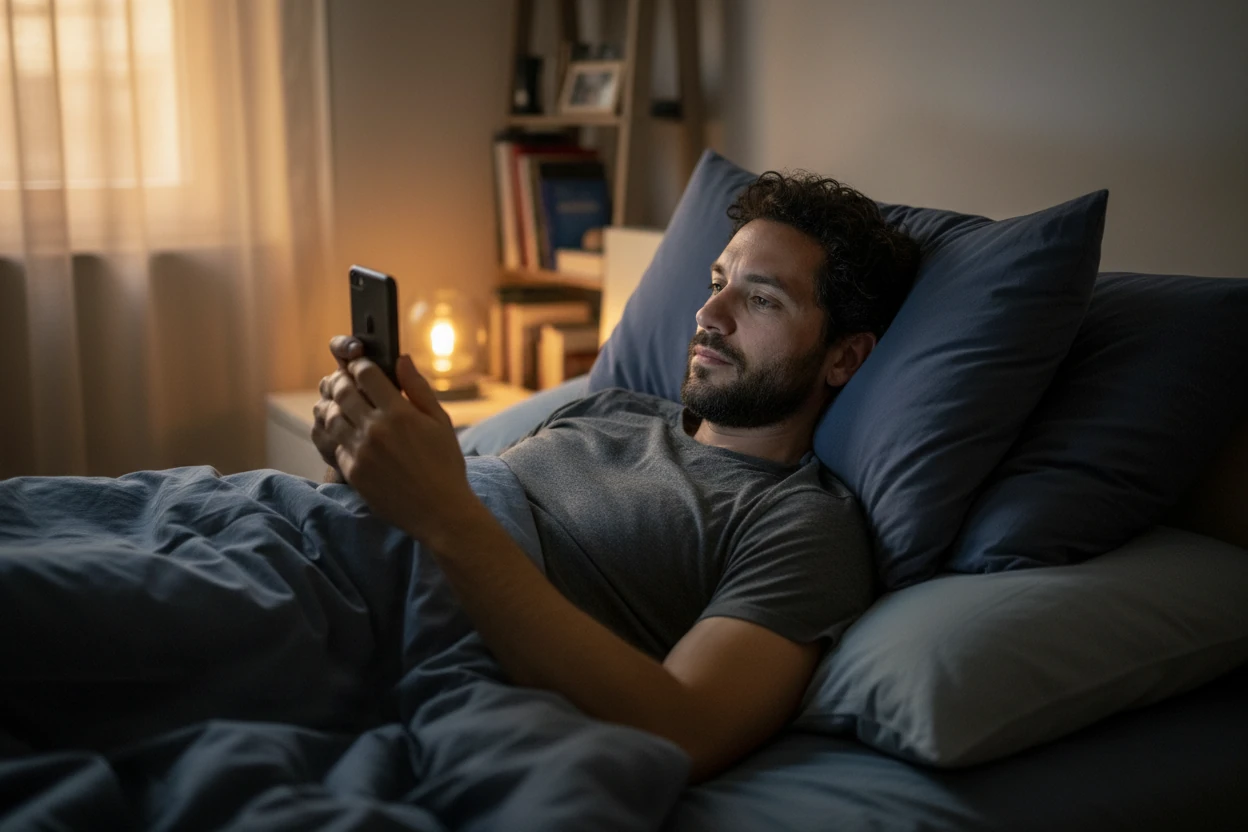
- Limit exposure to screens and blue light before bedtime to support melatonin production13
- Manage daily stress through task organization and breaking tasks into manageable steps14
- Avoid going to bed feeling overly worried or stressed3
Anxiety and sleep disturbances have a bidirectional relationship, often perpetuating each other8.
Calming Techniques for Night Anxiety
Behavioral and cognitive strategies can effectively reduce anxiety at night and improve sleep quality1513. Relaxation techniques such as deep breathing and progressive muscle relaxation (PMR) help lower physiological arousal and calm the mind13. Regular physical activity, especially during the daytime, reduces anxiety symptoms and promotes better sleep15. Social engagement and support also contribute to anxiety reduction16.
Establishing a relaxing bedtime routine that includes calming activities can ease the transition to sleep and reduce nighttime anxiety13. Cognitive-behavioral therapy (CBT), including CBT for insomnia (CBT-I), is an evidence-based treatment that helps break the association between the bed and worry, teaching patients to leave the bed if unable to sleep and to return only when sleepy1513.
- Practice deep breathing exercises or progressive muscle relaxation before bed13
- Engage in regular daytime exercise to improve sleep quality15
- Develop a calming bedtime routine with activities like reading or gentle stretching13
- Use cognitive strategies such as writing a to-do list to reduce worry about daily tasks14
- Seek professional therapy, including CBT, for persistent anxiety symptoms15
Nighttime anxiety often feels like racing thoughts and restlessness, making it hard to sleep. Techniques like meditation and deep breathing can help calm your mind and body, improving sleep quality and reducing anxiety3.
When to See a Doctor
If nighttime anxiety persists, worsens, or significantly interferes with sleep and daytime functioning, it is important to seek professional help153. Behavioral interventions such as stimulus control, relaxation exercises, and environmental modifications can help manage nocturnal anxiety and facilitate returning to sleep13. Avoiding clock-watching and screen exposure during nighttime awakenings reduces cognitive arousal and anxiety1314.
Optimizing bedroom conditions—keeping it cool, dark, and quiet—supports sleep maintenance and reduces anxiety-related awakenings13. Stimulus control techniques recommend leaving the bed if unable to sleep within 15–20 minutes and engaging in quiet, relaxing activities outside the bedroom until feeling sleepy again13. Red or amber lighting is preferable at night as it minimally disrupts circadian rhythms compared to blue light13.
Avoiding clock-watching reduces anxiety about sleep loss and helps break the cycle of insomnia13.
Key Takeaways
- Anxiety disorders frequently cause nighttime anxiety and sleep disturbances, affecting nearly one-third of adults1
- Stress, trauma, insomnia, and elevated noradrenaline levels disrupt sleep and increase the risk of waking with anxiety452
- Symptoms include excessive worry, restlessness, nocturnal panic attacks, and physical signs like sweating and tingling1019
- Preventing nighttime anxiety involves maintaining healthy sleep habits, managing stress, and protecting REM sleep783
- Effective management includes relaxation techniques, exercise, cognitive-behavioral therapy, and professional treatment when needed15133