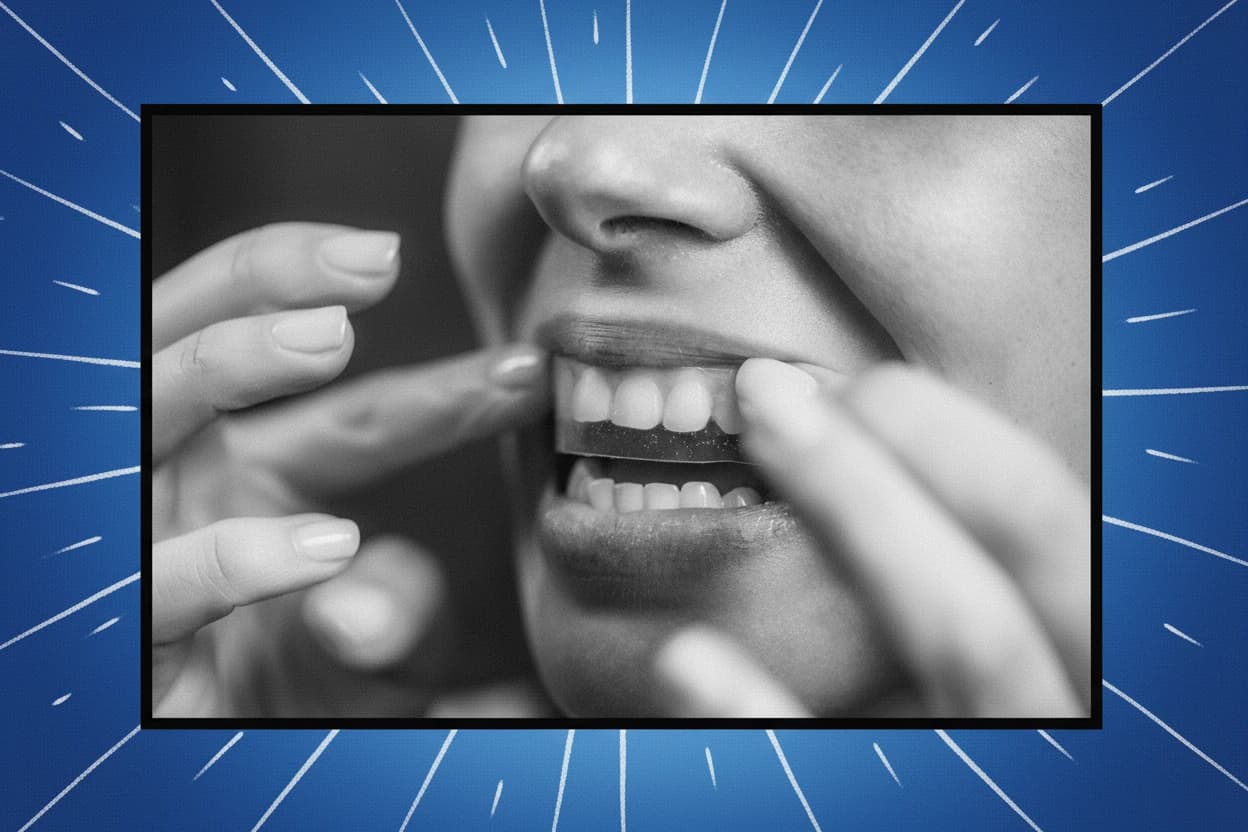
Ultraviolet (UV) radiation from the sun is a leading cause of skin damage, including premature aging and skin cancer, which accounts for 80–90% of cases worldwide1 2. Sunscreen is a key tool in protecting the skin by blocking harmful UV rays, yet concerns about its impact on vitamin D synthesis persist3 . Understanding when and how to use sunscreen outdoors is essential for balancing skin protection and maintaining adequate vitamin D levels4 .
“The UV rays cause damage to our skin cells increasing the risk of skin aging and skin cancer. Using sunscreen on a daily basis is critical to protect the skin cells from this damage.”
— Evelyn Jones, MD, Mid-Atlantic Permanente Medical Group12
Sunscreen, Skin Protection, and Vitamin D
Ultraviolet radiation, particularly UVB rays, causes direct DNA damage that can lead to mutations and skin cancer4 2. Sunscreens protect the skin by absorbing, reflecting, or dispersing UV radiation, thereby preventing sunburn, photoaging, and skin cancers5 6. Broad-spectrum sunscreens shield against both UVB, which causes sunburn and skin cancer, and UVA, which penetrates deeper and contributes to skin aging and cancer risk3 6.
Although sunscreen use reduces UVB exposure, which is necessary for vitamin D production in the skin, typical sunscreen application does not usually cause vitamin D deficiency. This is partly because most people apply less sunscreen than recommended, allowing some UVB penetration7 8. Additionally, vitamin D can be obtained through diet and supplements, which are safe alternatives without increasing skin cancer risk4 9. Skin pigmentation also affects vitamin D synthesis; individuals with darker skin require longer sun exposure due to higher melanin levels, which naturally block UV rays10 11.
“Wearing sunscreen is one of the best and easiest ways to protect your skin’s appearance and health at any age.”
— Anna Lien-Lun Chien, M.D., Johns Hopkins Medicine3
UV intensity varies by season, latitude, and time of day, influencing both the risk of skin damage and vitamin D production4 5. UV rays are strongest in spring and summer, closer to the equator, and between 10 a.m. and 2 p.m., which are critical factors when considering sun exposure4 .
Key points about sunscreen and vitamin D:
- Sunscreens reduce UV radiation transmission by reflecting, absorbing, or dispersing UV rays5 .
- UV exposure is linked to 80–90% of skin cancers2 .
- Typical sunscreen use does not correlate with vitamin D deficiency7 .
- Vitamin D is mainly produced by sunlight exposure but can also be obtained from diet and supplements4 .
- Light-skinned individuals need about 10–15 minutes of sun exposure for adequate vitamin D synthesis4 .
- Darker skin requires longer exposure due to melanin’s protective effect10 11.
- UV intensity peaks during spring and summer, near the equator, and midday hours4 5.
“Most people know that sunscreen can help prevent sun-related skin cancer, but they don’t know the impact on photo-aging.”
— Zakia Rahman, MD, Stanford Medicine6
When Sunscreen Is Necessary Outdoors
Sun protection guidelines vary globally, reflecting differences in skin types and vitamin D needs. For example, Australian recommendations suggest some unprotected sun exposure for darker-skinned individuals to maintain vitamin D levels, while major dermatology organizations like the American Academy of Dermatology (AAD) emphasize avoiding UV exposure altogether and recommend vitamin D supplementation instead13 9.
Short, incidental sun exposure may not require sunscreen, but longer outdoor activities significantly increase the risk of DNA damage and skin cancer4 . Signs of sun damage include redness (erythema) and tanning, which result from UV-induced skin changes influenced by skin pigmentation and environmental factors10 11. Although darker skin offers some natural protection, individuals with darker skin tones can still develop skin cancer, often diagnosed at later stages10 11.
Sunscreen is a safe, essential tool for preventing skin cancer and premature aging. Regular use reduces melanoma incidence by up to 50% and lowers the risk of other skin cancers. Proper application and reapplication are key to maximizing protection. 1223
Experts recommend a combination of sun protection strategies for optimal safety:
- Use broad-spectrum sunscreen with SPF 30 or higher3 146.
- Apply sunscreen liberally—about 1 ounce to cover the entire body or half a teaspoon for the face and neck3 14.
- Reapply sunscreen every two hours, or immediately after swimming or sweating3 146.
- Seek shade during peak UV hours, typically between 10 a.m. and 2 p.m. 415.
- Wear protective clothing, hats, and sunglasses to reduce UV exposure15 .
Sunscreens come in two main types: chemical and mineral. Chemical sunscreens absorb UV rays and convert them to heat, while mineral sunscreens reflect and scatter UV rays3 126. Mineral sunscreens, containing zinc oxide or titanium dioxide, are less likely to irritate sensitive skin, making them a preferred choice for some individuals3 12.
“Our general advice is to wear sunscreen whenever possible — in California, that means most months of the year — and to use other physical protection from the sun as well, like clothing, hats and sunglasses.”
— Joyce Teng, MD, PhD, Stanford Medicine6
Tips for effective sunscreen use outdoors:
- Apply sunscreen 15–30 minutes before sun exposure to allow absorption3 15.
- Use broad-spectrum products to protect against both UVA and UVB rays3 6.
- Avoid sunscreens combined with insect repellents, as they may reduce effectiveness12 14.
- Use water-resistant sunscreen if swimming or sweating, and reapply as directed3 12.
- Protect children over six months old with sunscreen and physical barriers; avoid direct sun exposure for babies under six months14 15.