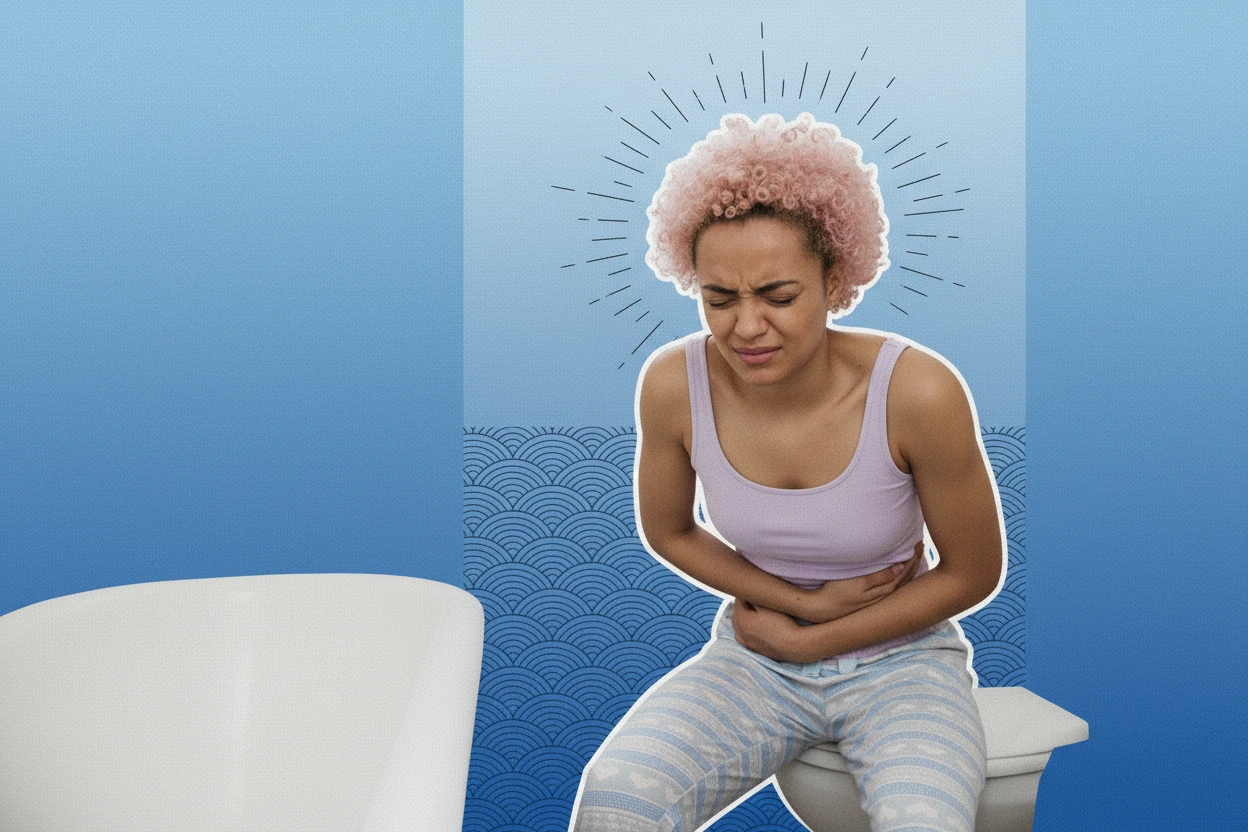
Gastroesophageal reflux disease (GERD) affects about 13–19% of people worldwide, with even higher rates in Western countries where up to a quarter of individuals experience symptoms monthly1. This chronic condition results from stomach-pain-and-diagnosisendometriosis-symptoms-stomach-pain-and-diagnosisstomach-flu-symptoms-causes-and-treatmentstomach-flu-symptoms-causes-and-treatmentstomach acid flowing back into the esophagus, causing discomfort and potential tissue damage2. Managing GERD often involves dietary changes, as certain foods can either worsen or alleviate symptoms3.
Understanding GERD
GERD is a chronic condition characterized by frequent acid reflux, where stomach acid escapes into the esophagus due to a weak or relaxed lower esophageal sphincter (LES)2. This valve normally prevents stomach contents from moving backward. When it relaxes inappropriately or weakens, acid can irritate the esophageal lining, causing symptoms like heartburn, regurgitation, chest pain, and difficulty swallowing4.
Several factors increase the risk of GERD, including obesity, hiatal hernia, pregnancy, and some medications1. The main mechanism involves transient lower esophageal sphincter relaxations (TLESRs), which allow acid to reflux into the esophagus5. GERD can lead to complications such as esophagitis, strictures, Barrett’s esophagus, and even esophageal cancer if left untreated4.
Diet plays a significant role in managing GERD symptoms. While no single food causes GERD, certain foods and eating habits can worsen symptoms by relaxing the LES or increasing stomach acid production23. Individual food triggers vary widely, so personalized dietary adjustments based on symptom tracking are recommended2.
Acid-Neutralizing Foods
Eating certain foods may help neutralize stomach acid and reduce GERD symptoms. Incorporating these into your diet can provide relief and support digestive health.
-
1. Ginger
Ginger has natural anti-inflammatory and alkaline properties that can soothe the digestive tract and ease irritation caused by acid reflux. Drinking ginger tea or consuming small amounts of fresh ginger may help reduce heartburn and nausea67. -
2. Gum
Chewing gum increases saliva production, which helps neutralize stomach acid and promotes swallowing, clearing acid from the esophagus more quickly. This simple habit can reduce reflux episodes3. -
3. High-Fiber Foods
Fiber-rich foods like oats, whole grains, and certain vegetables help you feel full and may reduce acid reflux by promoting healthy digestion and preventing overeating. Fiber also lowers dietary acid load, which may reduce systemic acid-base stress68. -
4. Honey
Honey has natural antioxidants and may protect the esophageal lining. Its soothing texture can help relieve irritation caused by acid reflux, although evidence is mostly anecdotal9. -
5. Lean Protein
Lean meats such as chicken, turkey, and fish are less likely to trigger reflux compared to fatty meats. Preparing them grilled, baked, or broiled helps avoid added fats that can worsen symptoms103. -
6. Low-Fat and Nonfat Dairy Products
Dairy products like skim milk, low-fat yogurt, kefir, and cottage cheese are alkaline and can buffer stomach acid. Nonfat dairy provides probiotics that support digestion without the fat that may aggravate reflux63. -
7. Non-Citrus Fruits
Fruits low in acid, such as bananas, melons, apples, and pears, are less likely to irritate the esophagus and can help neutralize stomach acid. Bananas, in particular, are alkaline and high in fiber610. -
8. Vegetables
Green vegetables like broccoli, asparagus, lettuce, celery, and fennel are low in acid and fat, making them gentle on the stomach. They also provide fiber and nutrients that support digestive health63. -
9. Whole Grains
Whole grains such as brown rice, oatmeal, and couscous are complex carbohydrates that absorb stomach acid and promote fullness, reducing the likelihood of reflux610.
Foods That Worsen Acid Reflux
Certain foods are known to trigger or worsen acid reflux by relaxing the LES, increasing stomach acid, or irritating the esophageal lining. Avoiding or limiting these can help manage GERD symptoms.
-
1. Acidic Foods
Citrus fruits (lemons, oranges, grapefruit), tomato products (sauces, ketchup), and vinegar are highly acidic and can irritate the esophagus, worsening heartburn1011. -
2. Chocolate
Chocolate contains caffeine, fat, and cocoa, all of which can relax the LES and increase acid production, making reflux more likely1211. -
3. Certain Drinks
Coffee, caffeinated teas, carbonated beverages, and alcohol can relax the LES and stimulate acid secretion. Carbonated drinks also cause stomach distention, increasing reflux risk1012. -
4. Garlic
Garlic may relax the LES and irritate the esophagus in some individuals, contributing to reflux symptoms10. -
5. High-Fat Foods
Fatty and fried foods delay stomach emptying and increase acid production, raising the chance of reflux. Examples include fried chicken, bacon, sausage, and processed snacks1310. -
6. Mint
Peppermint and spearmint relax the LES, allowing acid to flow back into the esophagus, despite their reputation for soothing digestion1012. -
7. Onions
Onions can trigger acid reflux in some people by relaxing the LES and irritating the esophagus10. -
8. Spicy Foods
Spices like chili powder and pepper can irritate the esophageal lining and worsen reflux symptoms1310.
Medical Treatments for Acid Reflux
When lifestyle and dietary changes are insufficient, medical treatments can help control GERD symptoms and prevent complications.
Over-the-counter (OTC) options include:
-
Antacids neutralize stomach acid quickly, providing fast relief for occasional heartburn. Examples include calcium carbonate and magnesium hydroxide14.
-
H2 Blockers reduce acid production by blocking histamine receptors in the stomach lining. They are effective for mild to moderate symptoms and can be taken before meals or at bedtime14.
-
Proton Pump Inhibitors (PPIs) are stronger acid blockers that promote healing of the esophageal lining. They are the preferred treatment for chronic GERD and are usually taken once daily before meals14.
Prescription medications may include promotility agents like metoclopramide, which improve stomach emptying and strengthen the LES, though side effects limit their use14.
Surgical options, such as fundoplication or implantation of devices like the LINX magnetic ring, are considered for patients with severe or refractory GERD4.
Natural Home Remedies
In addition to diet and medications, several home remedies can help manage acid reflux symptoms naturally.
-
Elevating the head of the bed by 6 to 8 inches uses gravity to keep acid in the stomach during sleep7.
-
Eating smaller, more frequent meals ("grazing") reduces stomach pressure and reflux risk15.
-
Avoiding eating at least three hours before lying down prevents acid from backing up into the esophagus15.
-
Chewing gum increases saliva, which neutralizes acid and aids digestion3.
-
Drinking small sips of water during reflux episodes can help wash acid down, but large amounts during meals should be avoided to prevent stomach distention3.
-
Natural digestive aids like ginger tea and aloe vera juice may soothe the esophagus and reduce symptoms, though evidence varies76.
-
Quitting smoking and limiting alcohol intake are crucial, as both relax the LES and increase acid production7.
-
Managing stress through relaxation techniques can reduce acid production and improve digestion7.
💡 Did You Know?
Plant-based diets rich in fruits and vegetables are associated with lower dietary acid load and may reduce GERD risk81718.
When To See a Doctor
If acid reflux symptoms occur more than twice a week, worsen despite lifestyle changes, or include alarm signs such as difficulty swallowing, weight loss, or bleeding, medical evaluation is necessary24. A healthcare provider can perform diagnostic tests to assess esophageal damage and recommend appropriate treatments.
Persistent symptoms may require prescription medications or surgical interventions to prevent complications like Barrett’s esophagus or esophageal cancer4. Consulting a gastroenterologist or dietitian can help tailor dietary and medical management to individual needs3.
Summary of Acid Relief
Managing stomach acid and GERD involves a combination of dietary choices, lifestyle changes, and medical treatments. Incorporating acid-neutralizing foods such as ginger, high-fiber foods, low-fat dairy, and non-citrus fruits can ease symptoms. Avoiding acidic, fatty, spicy, and trigger foods like chocolate and mint reduces reflux episodes. When necessary, medications and surgical options provide effective symptom control. Personalized approaches based on symptom tracking and professional guidance offer the best outcomes for long-term relief2163.
“No foods cause GERD, but certain foods and habits can worsen GERD symptoms. There is a fairly well-defined list of foods and behaviors most likely to be culprits.”
— Sarah Andrus, MS, RD, LDN3
Frequently Asked Questions
Can I eat spicy foods if I have GERD?
Spicy foods often irritate the esophagus and can worsen GERD symptoms, but tolerance varies. It is best to monitor your own reactions and avoid if symptoms worsen10.
Is milk good for acid reflux?
Low-fat or nonfat milk can temporarily buffer stomach acid and provide relief, but whole milk’s fat content may aggravate reflux36.
Does eating smaller meals help acid reflux?
Yes, smaller, more frequent meals reduce stomach pressure and acid production, lowering reflux risk15.
Are natural remedies like ginger and aloe vera effective?
Ginger has anti-inflammatory properties that may reduce symptoms, and aloe vera may soothe the esophagus, but more research is needed for conclusive evidence76.
When should I see a doctor for acid reflux?
If symptoms occur frequently, worsen, or include alarm signs like difficulty swallowing or weight loss, seek medical evaluation24.