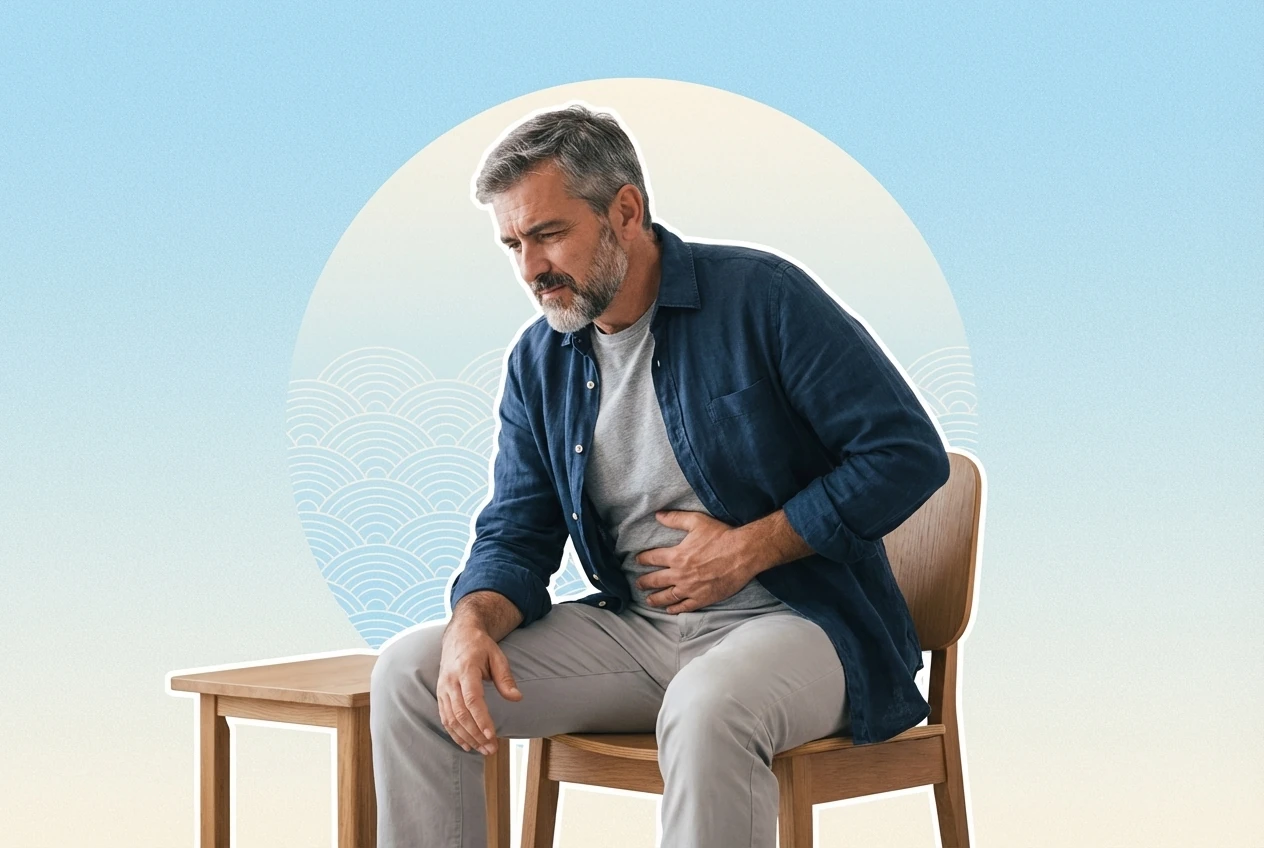
Hemorrhoids are a common condition affecting many adults, with symptoms such as anal itching, pain, and rectal bleeding1. Most hemorrhoids are not serious and can be managed effectively with simple home treatments and lifestyle changes2. Early self-care measures often relieve symptoms and prevent recurrence, reducing the need for medical intervention1.
Topical Hemorrhoid Treatments
Topical treatments are widely used to ease the discomfort caused by hemorrhoids. Creams and ointments containing hydrocortisone, lidocaine, or witch hazel help reduce inflammation, itching, and pain34. Witch hazel, a natural herbal extract, has anti-inflammatory and astringent properties that soothe irritated anal tissues56. Suppositories containing flavonoids or hydrocortisone are also effective in decreasing hemorrhoidal inflammation and bleeding37.
These topical agents work by calming the swollen veins and reducing local irritation. However, hydrocortisone creams should not be used for more than one week without medical advice, as prolonged use can thin the skin8. Over-the-counter pads infused with witch hazel or numbing medicines provide additional relief and are easy to apply after bowel movements9.
- Hydrocortisone creams reduce swelling and itching but require limited use38.
- Lidocaine-containing products numb the area to ease pain3.
- Witch hazel pads provide natural anti-inflammatory effects56.
- Flavonoid suppositories help control bleeding and inflammation7.
- Topical treatments are best combined with other self-care measures for optimal relief1.
Sitz Bath Relief for Hemorrhoids
Sitz baths involve soaking the anal and perineal area in warm water to relieve hemorrhoid symptoms. This method relaxes the anal sphincter muscles, reducing spasms and pain while promoting sleep anxiety symptoms causes and coping strategies flow to the affected tissues1011. A typical sitz bath lasts 10 to 15 minutes and can be taken up to three times daily for symptom relief10.
If a specialized sitz bath basin is unavailable, a shallow warm bath in a regular tub serves as an effective alternative10. The warm water helps soothe itching, reduce swelling, and accelerate healing of hemorrhoidal tissues11. Sitz baths are noninvasive, safe, and carry minimal risk when the bathing equipment is kept clean11.
- Soak the anal area in warm water (around 104°F) for 10–15 minutes11.
- Take sitz baths up to three times daily, especially after bowel movements10.
- Use a regular bathtub if a sitz bath basin is not available10.
- Pat the area dry gently after bathing to avoid irritation11.
- Sitz baths can also help relieve discomfort after hemorrhoid surgery or childbirth11.
Sitz baths are a simple, effective way to reduce anal pain and muscle spasms caused by hemorrhoids. Regular use improves blood circulation and promotes healing without medication1011.
Over-the-Counter Pain Relief
Pain and inflammation from hemorrhoids can be controlled with over-the-counter (OTC) analgesics. Nonsteroidal anti-inflammatory drugs (NSAIDs) such as ibuprofen and naproxen reduce swelling and discomfort effectively10. Acetaminophen is an alternative for those who cannot tolerate NSAIDs10.
These medications help manage soreness and improve comfort during bowel movements. It is advisable to consult a healthcare professional to select the most appropriate pain relief option, especially for prolonged use or if other medical conditions exist10.
- NSAIDs reduce hemorrhoidal pain and inflammation10.
- Acetaminophen is a safe alternative for pain control10.
- OTC analgesics should be used as directed to avoid side effects10.
- Consult a healthcare provider if pain persists beyond a few days2.
- Combining pain relief with other treatments enhances symptom control1.
Stool Softeners for Easier Bowel Movements
Stool softeners are an important part of hemorrhoid self-care as they reduce straining during bowel movements, which can worsen hemorrhoids1. These agents increase the water content in stools, making them softer and easier to pass1. Oral stool softeners are available in liquid or tablet forms and typically begin working within 12 to 72 hours1.
While generally safe, stool softeners can cause side effects such as diarrhea and gastrointestinal upset in some individuals1. Using them as part of a comprehensive treatment plan helps prevent constipation and reduces pressure on hemorrhoidal veins.
- Stool softeners ease bowel movements by softening stool1.
- Available in liquid and tablet formulations1.
- Onset of action ranges from 12 to 72 hours after use1.
- Possible side effects include diarrhea and stomach discomfort1.
- Use stool softeners alongside dietary fiber and hydration for best results1.
High-Fiber Diet for Hemorrhoid Relief
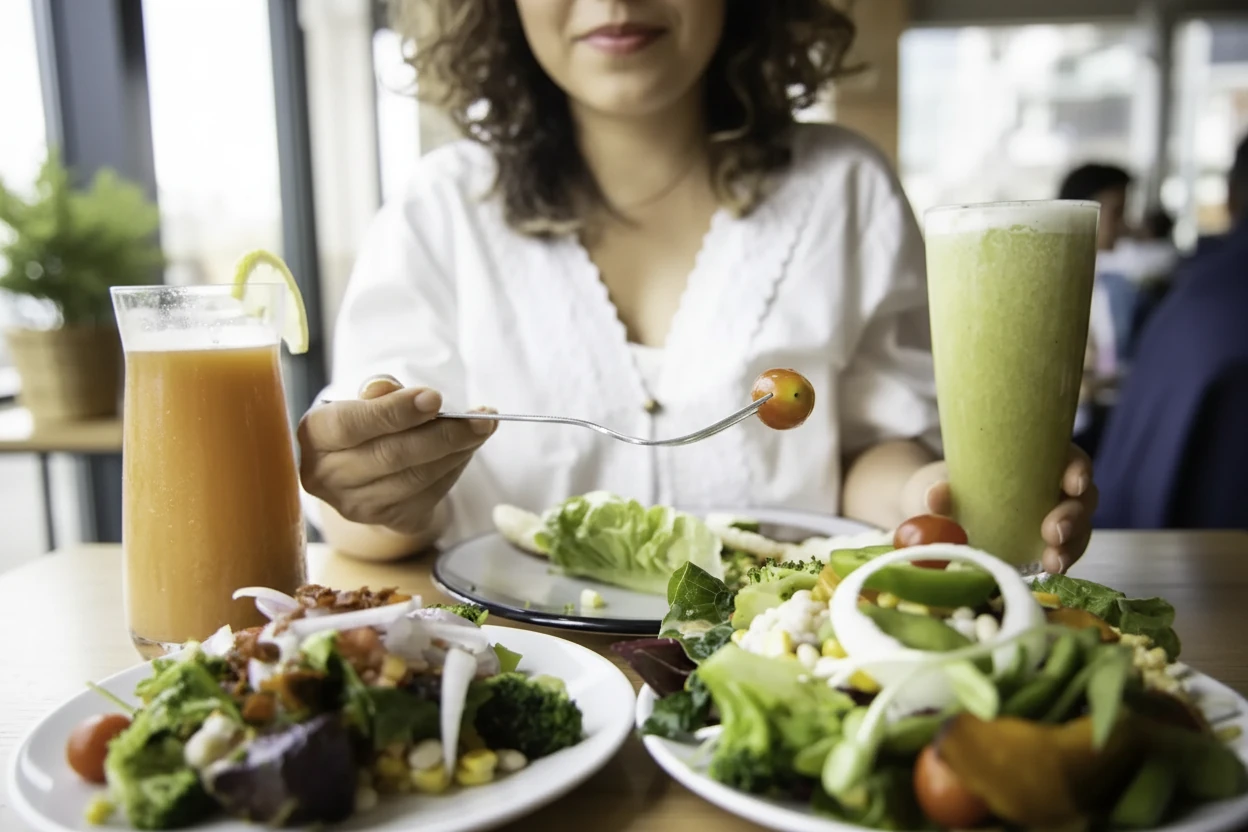
Increasing dietary fiber intake is a cornerstone of hemorrhoid management. Fiber adds bulk and softness to stool, which helps prevent constipation and reduces straining during bowel movements1. The recommended daily fiber intake for hemorrhoid prevention and treatment is 20 to 30 grams1.
Good sources of fiber include fruits, vegetables, legumes, and whole grains. Fiber supplements such as psyllium and methylcellulose are useful when dietary fiber is insufficient1. Studies show that fiber supplementation reduces hemorrhoidal bleeding and improves symptoms7.
- Aim for 20 to 30 grams of fiber daily1.
- Include fruits, vegetables, legumes, and whole grains in your diet1.
- Consider fiber supplements like psyllium or methylcellulose if needed1.
- Fiber reduces bleeding and eases hemorrhoid symptoms7.
- Avoid low-fiber and processed foods to prevent hemorrhoids1.
Hemorrhoids can be troublesome and embarrassing, but they often shrink on their own with simple self-help care and over-the-counter remedies12.
Hydration for Hemorrhoid Management
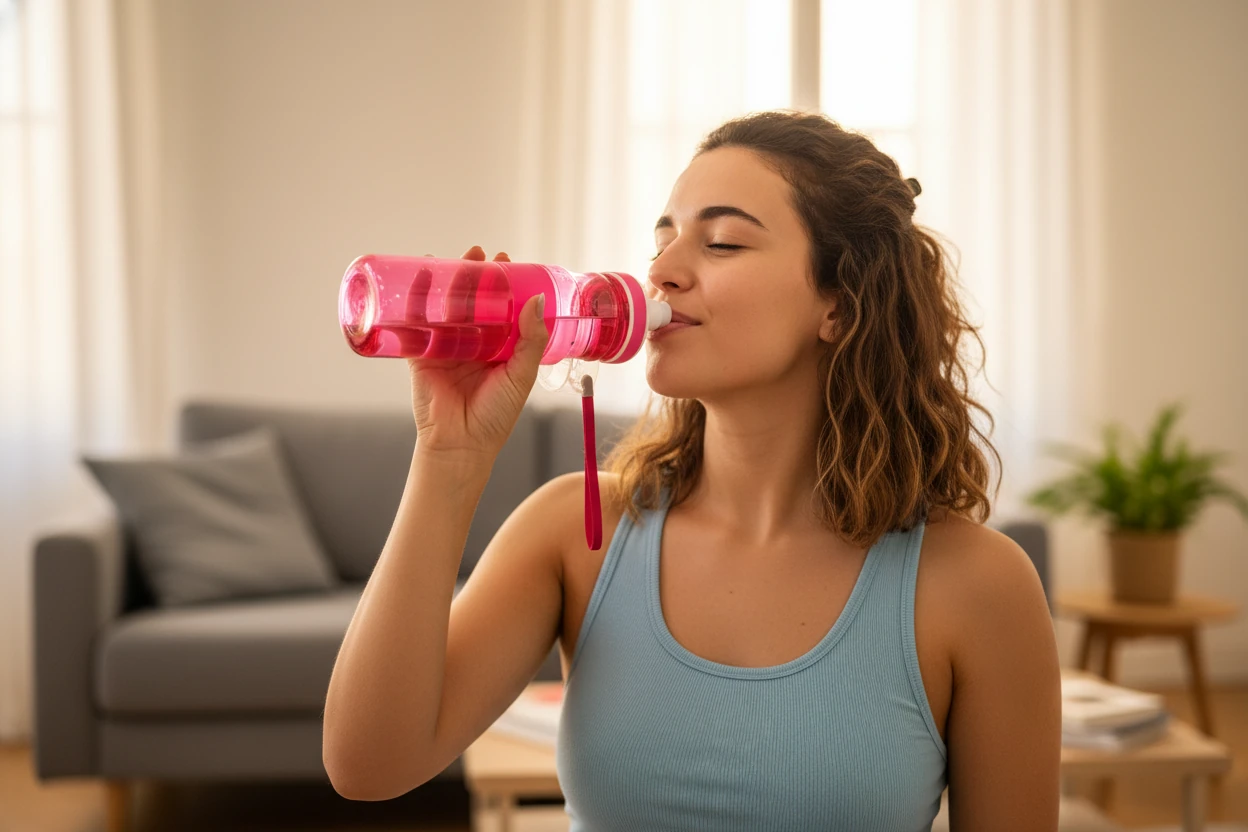
Adequate fluid intake complements fiber consumption by softening stool and promoting regular bowel movements1. Drinking 1.5 to 2 liters of water daily is recommended to prevent constipation, a major risk factor for hemorrhoids1. Fluids such as fruit juices and broths also contribute to hydration1.
Limiting caffeine and alcohol is advised because these can cause dehydration and worsen constipation1. Maintaining good hydration supports overall digestive health and reduces pressure on hemorrhoidal veins.
- Drink 1.5 to 2 liters of water or nonalcoholic fluids daily1.
- Include hydrating beverages like fruit juices and broths1.
- Limit caffeine and alcohol to avoid dehydration1.
- Hydration helps soften stool and ease bowel movements1.
- Combine hydration with fiber intake for best hemorrhoid management1.
Regular Exercise Benefits
Regular moderate exercise improves bowel motility and reduces the risk of constipation, which helps prevent and relieve hemorrhoids1. Physical activity also strengthens pelvic floor and abdominal muscles, supporting healthy bowel function1. Avoid activities that increase perianal pressure, such as prolonged cycling or horseback riding, to minimize hemorrhoid risk1.
Consulting a healthcare provider can help tailor an exercise plan that is safe and effective for individual needs1.
- Exercise regularly to enhance bowel movements and prevent constipation1.
- Strengthen pelvic and abdominal muscles to support anal health1.
- Avoid activities that increase pressure on the anal area1.
- Consult a healthcare professional for personalized exercise advice1.
- Physical activity complements dietary and hydration measures in hemorrhoid care1.
Hemorrhoid Prevention Strategies
Preventing hemorrhoids involves lifestyle habits that reduce anal pressure and promote regular bowel function. Key strategies include minimizing straining during defecation and limiting time spent on the toilet1. A high-fiber diet and adequate hydration support smooth bowel movements and prevent constipation1.
Additional preventive measures include avoiding frequent heavy lifting and limiting alcohol and fatty food intake1. Consistent adherence to these habits lowers the risk of hemorrhoid development and recurrence.
- Avoid straining and prolonged sitting on the toilet1.
- Maintain a high-fiber diet and stay well hydrated1.
- Use stool softeners as needed to prevent constipation1.
- Limit alcohol and fatty foods to reduce hemorrhoid risk1.
- Avoid frequent heavy lifting to decrease intra-abdominal pressure1.
💡 Did You Know?
A healthcare professional might be able to see external hemorrhoids. Diagnosing internal hemorrhoids may require an exam of the anal canal and rectum9.
When to Consult a Doctor
Most hemorrhoids improve with home care, but certain symptoms require medical evaluation. Seek prompt care if you experience severe pain, persistent bleeding, or symptoms lasting more than one week despite self-treatment12. Other warning signs include fever, abdominal pain, or rectal bleeding that may indicate more serious conditions such as inflammatory bowel disease or malignancy1.
Strangulated hemorrhoids, which cause severe pain and swelling, need urgent medical attention and often require surgery1. Thrombosed external hemorrhoids may also require excision if painful1.
- See a healthcare provider if symptoms persist beyond one week1.
- Seek urgent care for severe pain or bleeding1.
- Report fever, abdominal pain, or unusual rectal symptoms promptly1.
- Strangulated or thrombosed hemorrhoids may need surgical treatment1.
- Early diagnosis helps rule out other serious digestive diseases9.
Hemorrhoid Treatment Summary
You can most often treat hemorrhoids at home by eating foods that are high in fiber, taking a stool softener or fiber supplement such as psyllium or methylcellulose, drinking water or other nonalcoholic liquids, not straining during bowel movements, not sitting on the toilet for long periods, taking over-the-counter pain relievers such as acetaminophen, ibuprofen, naproxen, or aspirin, and sitting in a tub of warm water (sitz bath) several times a day2.
Hemorrhoids are swollen veins in the anal canal that commonly cause pain, itching, and rectal bleeding13. Most cases are benign and respond well to conservative management including dietary fiber, hydration, sitz baths, topical treatments, stool softeners, and OTC pain relief12. These measures reduce symptoms by softening stool, decreasing inflammation, and improving blood flow.
If symptoms persist or complications arise, minimally invasive procedures or surgery may be necessary1. Regular lifestyle modifications are essential to prevent recurrence and maintain anal health1.
| Treatment Type | Effectiveness | Notes | Evidence Level |
|---|---|---|---|
| Fiber supplementation | Reduces bleeding and symptoms | 20-30 g/day recommended | HIGH |
| Sitz baths | Relieves pain and spasm | 10 min, up to 3 times daily | HIGH |
| Topical creams | Reduces itching, pain, swelling | Contain hydrocortisone, lidocaine, witch hazel | HIGH |
| Pain medication | Controls pain and inflammation | NSAIDs or acetaminophen | HIGH |
| Stool softeners | Eases bowel movements | Onset 12-72 hours, possible side effects | HIGH |
| Surgical intervention | For strangulated/thrombosed hemorrhoids | Required in severe cases | HIGH |
| Sources:123 | |||