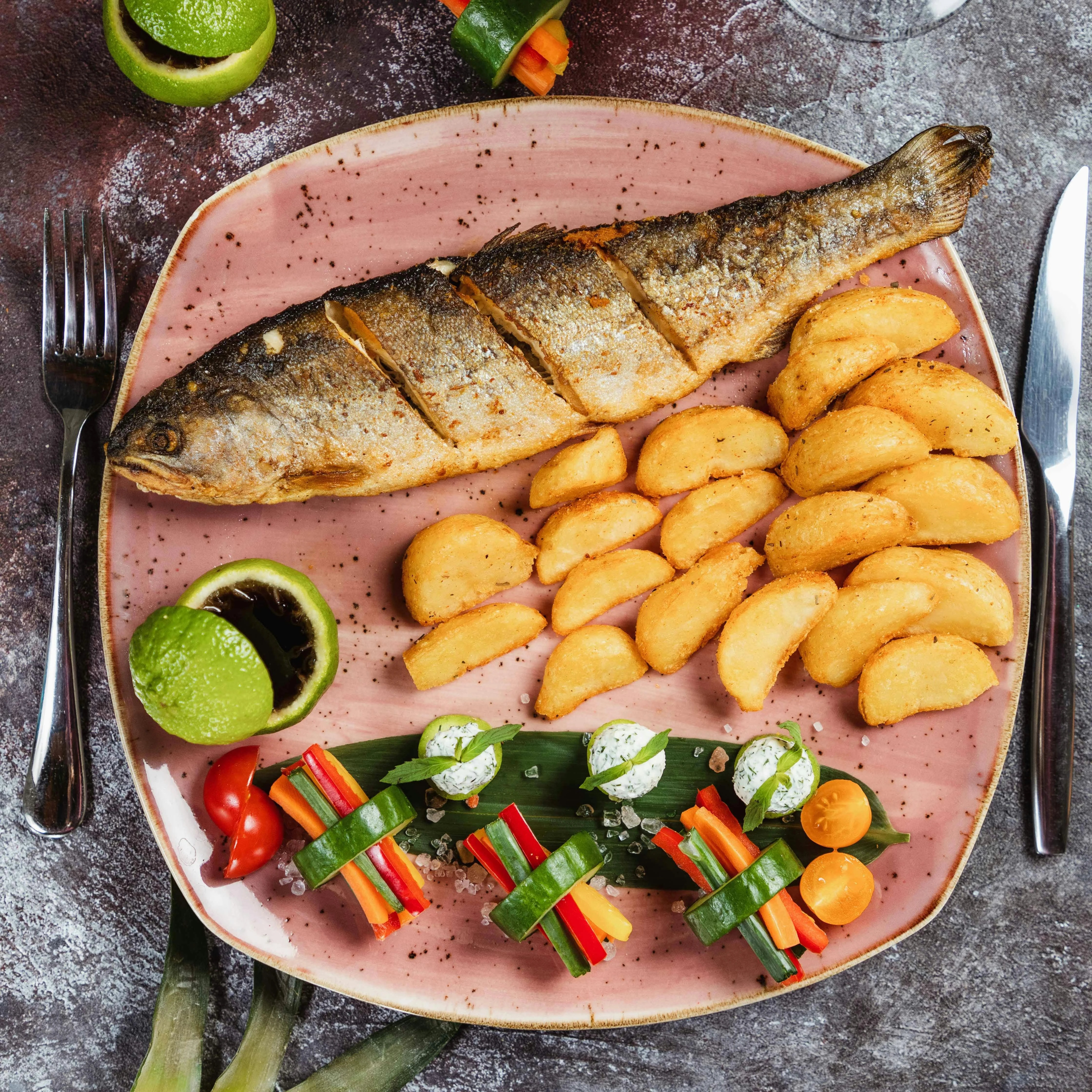
Eating small fish regularly has been linked to a significant reduction in the risk of premature death and cancer mortality, especially among women. A large Japanese study involving over 80,000 adults found that women who consumed small fish even just one to three times per month experienced a 32% lower risk of all-cause mortality and a 28% lower risk of cancer death1 2. These findings highlight the potential of small fish as a nutrient-dense food that supports healthy aging and longevity.
Small Fish and Longevity Connection
Small fish consumption is a dietary staple in Japan and has been associated with health benefits in several cohort studies2 . The Japan Multi-Institutional Collaborative Cohort Study recruited more than 80,000 adults aged 35 to 69 years, including 46,247 women and 34,555 men, to assess the relationship between small fish intake and mortality2 . Dietary intake was measured using validated food frequency questionnaires, focusing on small fish such as sardines, anchovies, and smelt2 .
During an average follow-up of nine years, 2,482 deaths occurred, with cancer being the leading cause of death (approximately 60%) 23. Women who consumed small fish one to three times per month had a 32% reduction in all-cause mortality and a 28% reduction in cancer mortality compared to those who never consumed small fish2 1. Those who ate small fish weekly showed similar or greater reductions in mortality risk, with a 28–31% lower risk of all-cause mortality and a 29–36% lower risk of cancer mortality2 1.
The study adjusted for confounding factors such as age, body mass index (BMI), alcohol consumption, smoking, and other lifestyle variables, strengthening the validity of the association2 4. However, the protective effect was not statistically significant in men, possibly due to a smaller sample size or unmeasured factors like portion size and sex-specific cancer types2 5.
“Few studies have focused on the effect of the intake of small fish specifically on health outcomes.”
— Chinatsu Kasahara, Nagoya University Graduate School of Medicine6
These findings suggest that incorporating small fish into the diet could be a simple, effective strategy to reduce mortality risk, particularly among women. The habit of eating small fish whole, including bones and organs, may provide unique nutrients that contribute to longevity7 .
Health Benefits of Small Fish
Small fish are nutrient powerhouses, offering a range of micronutrients and bioactive compounds that support multiple aspects of health. They are rich in calcium, vitamin D, vitamin A, omega-3 fatty acids, protein, selenium, and iodine, all of which play vital roles in maintaining organ function and preventing chronic diseases8 91.
-
Omega-3 Fatty Acids: Small fish contain high levels of DHA and EPA, essential omega-3 fatty acids known for their anti-inflammatory properties. These fats support heart health by lowering triglycerides and blood pressure, enhance brain function, and strengthen the immune system, all of which are crucial for longevity8 10.
-
Calcium and Vitamin D: When eaten whole, small fish provide highly absorbable calcium and vitamin D, essential for bone health. Adequate calcium intake helps prevent osteoporosis and fractures, especially in women approaching menopause when bone loss risk increases8 10.
While our findings were only among Japanese people, they should also be important for other nationalities5 .
-
Protein: Small fish offer complete proteins that aid in muscle maintenance and repair, supporting healthy aging by preserving muscle mass and metabolic health8 10.
-
Selenium and Iodine: These minerals are important for thyroid function and reducing oxidative stress, which is linked to aging and chronic diseases. Selenium may also slow the aging process and improve immune function8 10.
-
Lower Environmental Toxins: Being lower on the food chain, small fish accumulate fewer environmental contaminants such as mercury and polychlorinated biphenyls (PCBs) compared to larger predatory fish, making them a safer choice for regular consumption9 810.
“Given it wasn’t a short-term trial, this comprehensive, well-planned study provides strong evidence that consuming small fish can lead to improved long-term health outcomes.”
— Kristen Lorenz, Registered Dietitian10
| Nutrient | Health Benefit | Source in Small Fish |
|---|---|---|
| Omega-3 Fatty Acids | Anti-inflammatory; supports heart & brain | Flesh and oils8 10 |
| Calcium | Bone strength; prevents fractures | Bones and head8 10 |
| Protein | Muscle maintenance and repair | Whole fish8 10 |
| Selenium | Antioxidant; supports immune and thyroid | Whole fish8 10 |
| Vitamin D | Bone health; immune support | Whole fish8 10 |
| Iodine | Thyroid function | Whole fish8 10 |
How to Buy Small Fish
Small fish varieties commonly available include sardines, anchovies, small mackerel, and herring, with some markets also offering kipper and smelt1 7. In the United States, canned small fish are widely accessible in grocery stores and global food markets, especially Asian supermarkets, where dried or frozen options may also be found7 .
Because small fish are often consumed whole, including bones and organs, they provide more nutrients than filleted larger fish8 . When buying small fish, consumers are encouraged to select sustainably sourced products to support environmental health and ensure fish stocks remain plentiful9 7.
- Choose canned or fresh small fish labeled as sustainably sourced9 .
- Look for certifications or ask your fishmonger about sourcing practices7 .
- Opt for varieties lower in sodium if you have blood pressure or kidney concerns10 .
- Frozen and dried small fish are good alternatives if fresh options are unavailable7 .
- Incorporate small fish into a balanced diet alongside other seafood to maximize nutritional benefits9 .
While opting for small fish offers an approach to more localized, resilient food systems by providing nutrition with a lower marine ecosystem impact, it’s still crucial that these stocks be well managed given that small fish play a critical role within these ecosystems7 .
Ways to Eat Small Fish
Small fish can be enjoyed in many forms and dishes, making them a versatile addition to meals. They can be eaten straight from the can, added to salads, incorporated into sauces, or grilled for a flavorful entrée7 10.
- Serve canned sardines on toasted sourdough with avocado and lemon juice for a nutrient-dense snack10 .
- Blend anchovies into homemade salad dressings or pasta sauces to add umami flavor10 .
- Create a tinned fish grazing board with crackers, olives, and vegetables for an easy appetizer10 .
- Grill small mackerel with olive oil and fresh herbs, served on greens or alone10 .
- Add small fish to rice dishes, soups, stews, or curries for extra nutrition and taste7 .
For those sensitive to the strong flavor of small fish, pairing them with citrus, vinegar, or fresh herbs can help balance the richness10 . Consistency is key; aiming for two to three servings per week, with each serving about three to four ounces, can provide lasting health benefits10 .
“Consistency of consumption matters more than quantity, so a few small servings of small fish each week could have a positive health impact over time.”
— Kristen Lorenz, Registered Dietitian10
Moderation is important because excessive intake, especially of canned varieties, could lead to high sodium or selenium levels, which may cause adverse effects such as nausea or nerve damage10 . People with hypertension or kidney issues should monitor their sodium intake when consuming canned or smoked small fish10 .