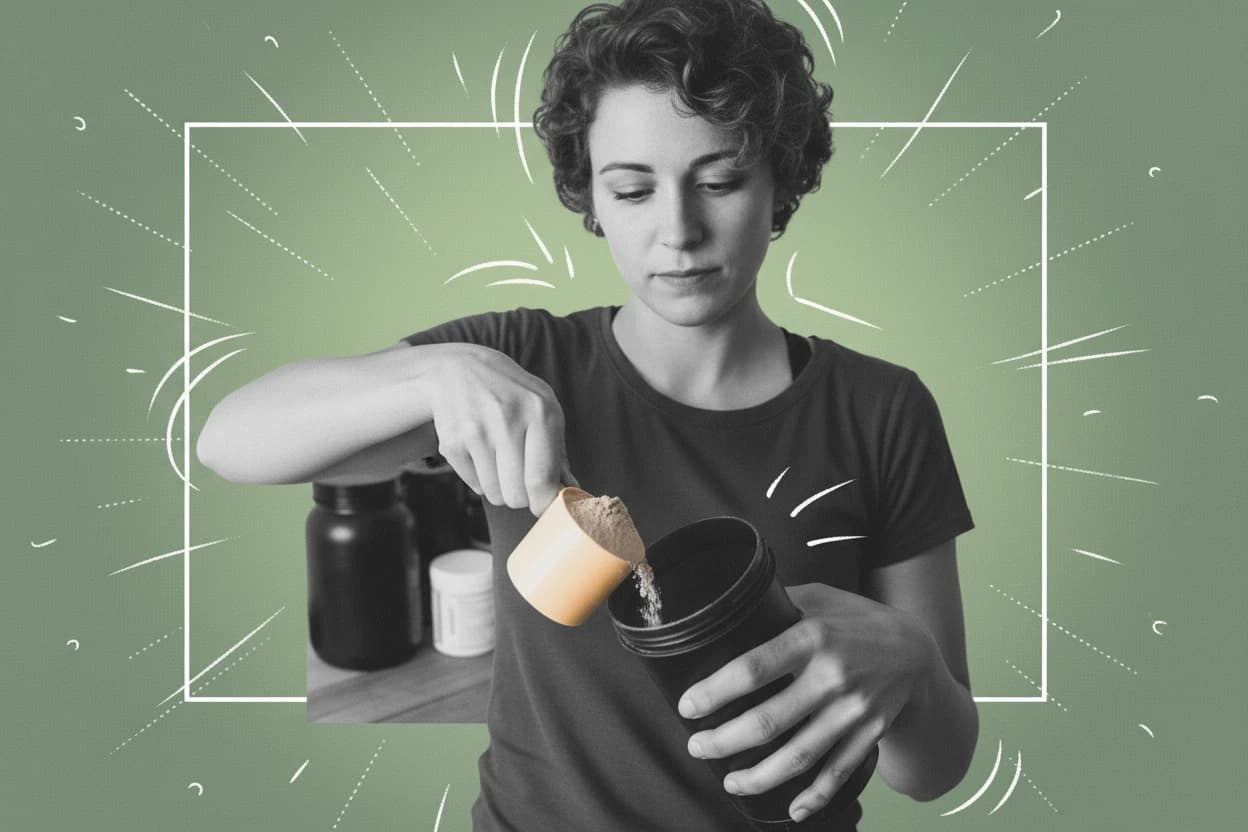
Adding protein powder to coffee is a growing wellness trend that combines the benefits of caffeine and protein in one convenient drink. This combination can help people meet their daily protein needs, especially those who skip breakfast or have increased protein requirements due to physical activity1 2. Protein coffee may also support exercise performance and weight management by promoting muscle recovery and satiety3 4. However, understanding how to properly mix protein powder with coffee and being aware of potential risks is important for maximizing benefits and safety5 .
Benefits of Adding Protein to Coffee
Boosts Protein Intake
Protein is essential for building and repairing muscle, supporting bone health, and maintaining overall immune function. Adding protein powder to coffee is a convenient way to increase protein intake, particularly at breakfast, which is often skipped by many individuals6 . Protein supplementation helps people meet their daily protein requirements when it is difficult to do so through whole foods alone7 . Most active individuals benefit from consuming 1.2 to 2 grams of protein per kilogram of body weight daily to support muscle maintenance and growth7 .
Coffee protein itself contains high levels of branched-chain amino acids (BCAAs), which are important for muscle protein synthesis and recovery8 9. Protein powders typically add about 25 to 30 grams of protein per serving, providing a substantial boost to daily intake10 . This is especially useful for those recovering from illness or injury, managing weight, or aiming to preserve muscle mass10 .
“I think the reason that this is particularly interesting with the coffee is that breakfast seems to be the one meal that people skip, and so I think that people are maybe looking for an easy way to get protein during that part of the day. And if you drink coffee, maybe adding some protein is an easy thing to do.”
— Laura Isaacson, Vida Health6
Helps Improve Exercise Performance
Combining protein powder with coffee may enhance workout performance and recovery. Caffeine, a natural stimulant found in coffee, improves muscle contractions and resistance to fatigue when consumed within 60 minutes before exercise1 11. Protein provides the essential amino acids needed for muscle protein remodeling and tissue repair after exercise12 8.
Post-exercise protein intake is crucial for muscle recovery in physically active adults, and consuming protein earlier in the day, including at breakfast, supports optimal muscle protein synthesis12 7. The synergy of caffeine and protein can help improve endurance and strength gains, making protein coffee an effective pre- or post-workout option1 5.
Supports Weight Loss
Protein is known to promote satiety, helping people feel full longer and potentially reducing overall calorie intake1 4. Adding protein powder to coffee may help curb hunger, which can aid in weight management by decreasing the number of calories consumed later in the day1 . Protein also has a higher thermic effect compared to carbohydrates and fats, meaning the body burns more calories digesting protein1 .
Caffeine further boosts metabolism and influences hunger hormones by lowering levels of ghrelin (a hunger hormone) and increasing fullness hormones1 4. Together, protein and caffeine in coffee may support weight loss efforts by enhancing feelings of fullness and increasing calorie expenditure4 .
“Plenty of evidence supports that adequate protein intake helps with weight loss. Adding protein powder to your coffee is a nice way to cut some extra sugar and calories from creamers.”
— Kimmie Sharp, Nebraska Medicine4
Potential Risks and Considerations
While adding protein powder to coffee offers benefits, there are important risks and considerations to keep in mind.
- Protein Powder Quality and Safety: Some protein powders have been found to contain heavy metals, pesticides, or other contaminants13 14. Although typical consumption levels generally do not pose significant health risks, choosing high-quality, tested products is essential13 .
- Excessive Protein Intake: Consuming too much protein may not provide additional health benefits and could increase the risk of kidney strain and cardiovascular disease, especially in susceptible individuals15 76. Most healthy adults can safely add 25 to 30 grams of protein to their coffee without exceeding recommended limits6 .
- Gastrointestinal Side Effects: High protein intake or certain protein powders (especially dairy-based) can cause digestive symptoms such as nausea, gas, or diarrhea, particularly in those with sensitivities or intolerances16 156. Combining protein powders with coffee may also lead to stomach upset in some people2 .
- Caffeine Sensitivity: Excess caffeine intake can cause jitteriness, anxiety, sleep disturbances, and worsen conditions like acid reflux or irritable bowel syndrome5 . People with heart disorders or sleep difficulties should be cautious with caffeine consumption5 .
- Clumping and Texture Issues: Protein powders may clump when added directly to hot coffee, affecting texture and palatability6 105. Proper mixing techniques can help avoid this problem.
Protein powders are sometimes laden with sugar, fillers, and artificial sweeteners, which may be problematic for people with prediabetes or diabetes. Always read labels carefully to avoid unwanted additives14 6.
How to Mix Protein Powder in Coffee
Proper mixing techniques can improve the taste and texture of protein coffee and reduce clumping.
-
Start with Room Temperature or Cool Liquid: Mix protein powder with a small amount of room-temperature water, milk, or creamer before adding hot coffee to prevent clumps6 5.
-
Use a Blender or Shaker: Blending coffee with protein powder and other nutrient-dense ingredients creates a smooth, balanced beverage7 17.
-
Cool Down Hot Coffee: Allow coffee to cool slightly or add ice before mixing in protein powder to reduce clumping10 5.
-
Choose the Right Protein Powder: Whey protein tends to dissolve smoothly and has a mild taste, while plant-based proteins may be grainier6 2. Collagen powder is flavorless and can be added without altering taste significantly7 .
-
Measure Properly: Use about 2 level tablespoons (approximately 25-30 grams) of protein powder per serving10 18.
-
Avoid Dry Scooping: Consuming protein powder without liquid can cause acute toxicity and gastrointestinal distress16 15.
💡 Did You Know?
Adding protein to coffee is one of the latest wellness trends. Combining protein powder with coffee may enhance your workouts by providing both energy and muscle-building nutrients1 .