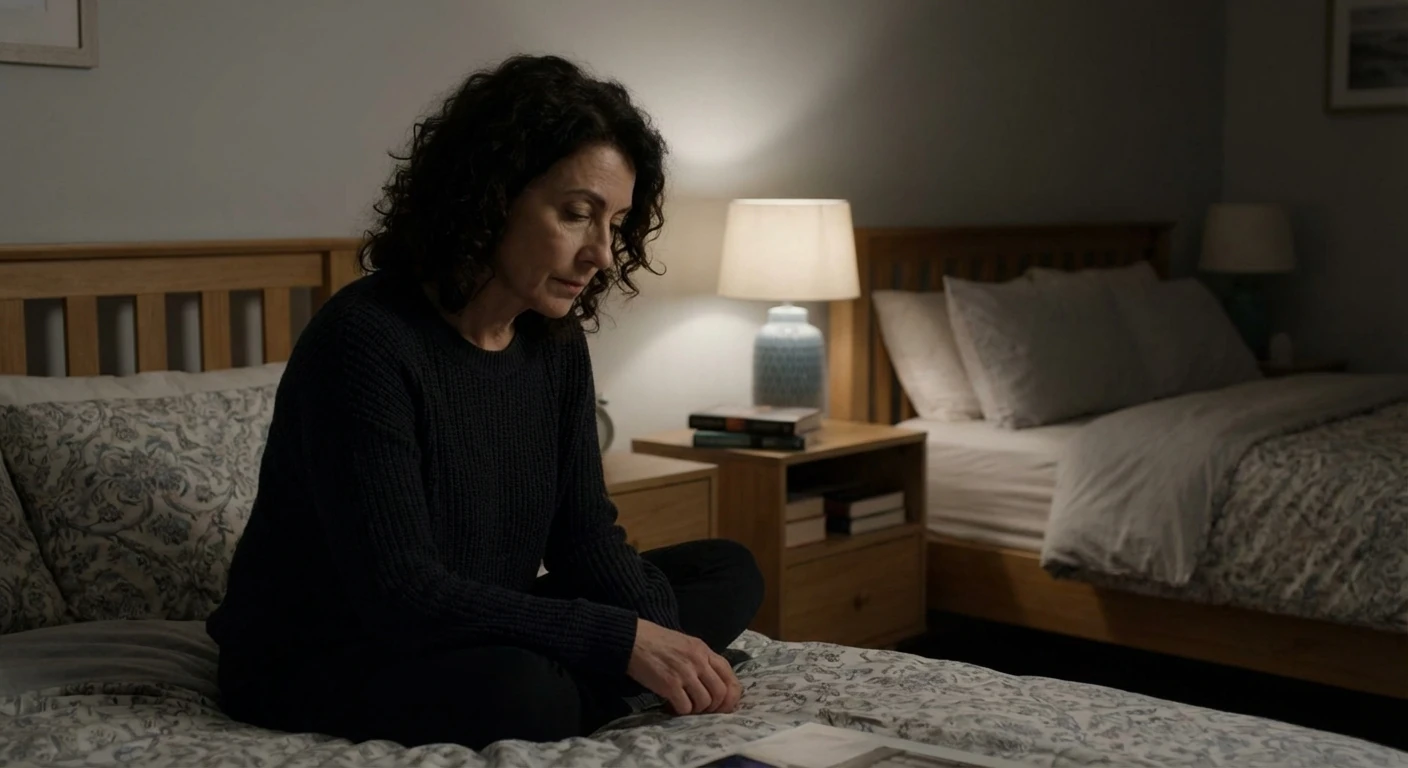
Sleepwalking, also known as somnambulism, affects about 5% to 15% of children and 1% to 1.5% of adults at least once in their lifetime1. This sleep disorder involves walking or performing complex behaviors while still mostly asleep, often occurring during deep stages of sleep12. Although many children outgrow sleepwalking by adolescence, it can persist into adulthood or even begin later in life, sometimes leading to injury or other complications12.
Causes of Sleepwalking
Sleepwalking arises from incomplete awakenings during deep non-rapid eye movement (NREM) sleep, particularly during stage N3, the deepest phase of NREM sleep345. This stage is crucial for tissue repair and immune system development345. Various factors can trigger or increase the likelihood of sleepwalking by affecting this deep sleep stage or the depression diagnosis process and criteria’s arousal mechanisms.
Sleep Deprivation
Sleep deprivation is a major trigger for sleepwalking345. Prolonged periods without adequate sleep increase the amount of time spent in N3 sleep, which makes waking up more difficult and raises the chance of sleepwalking episodes345. Additionally, sleep deprivation can lead to more complex behaviors during episodes, such as cooking or even driving while asleep1. Fatigue and anxiety, often resulting from lack of sleep, are also linked to increased sleepwalking risk345.
Fever
Fever is frequently cited as a trigger for sleepwalking episodes, especially in children345. Similar to sleep deprivation, fever may increase the duration of N3 sleep, thereby raising the risk of incomplete awakenings and sleepwalking345. Illnesses that cause fever or discomfort can disrupt normal sleep patterns and provoke episodes1.
Medications
Certain medications have been reported to induce sleepwalking in individuals without a prior history of the disorder345. These include antidepressants, benzodiazepines, lithium, antipsychotics, and selective serotonin reuptake inhibitors (SSRIs)345. Other drugs such as zolpidem (Ambien), quetiapine (Seroquel), and metoprolol (Lopressor) have also been implicated1. Medication-induced sleepwalking may result from their effects on brain neurotransmitters and sleep architecture1.
Increased Arousal Sleep Disorders
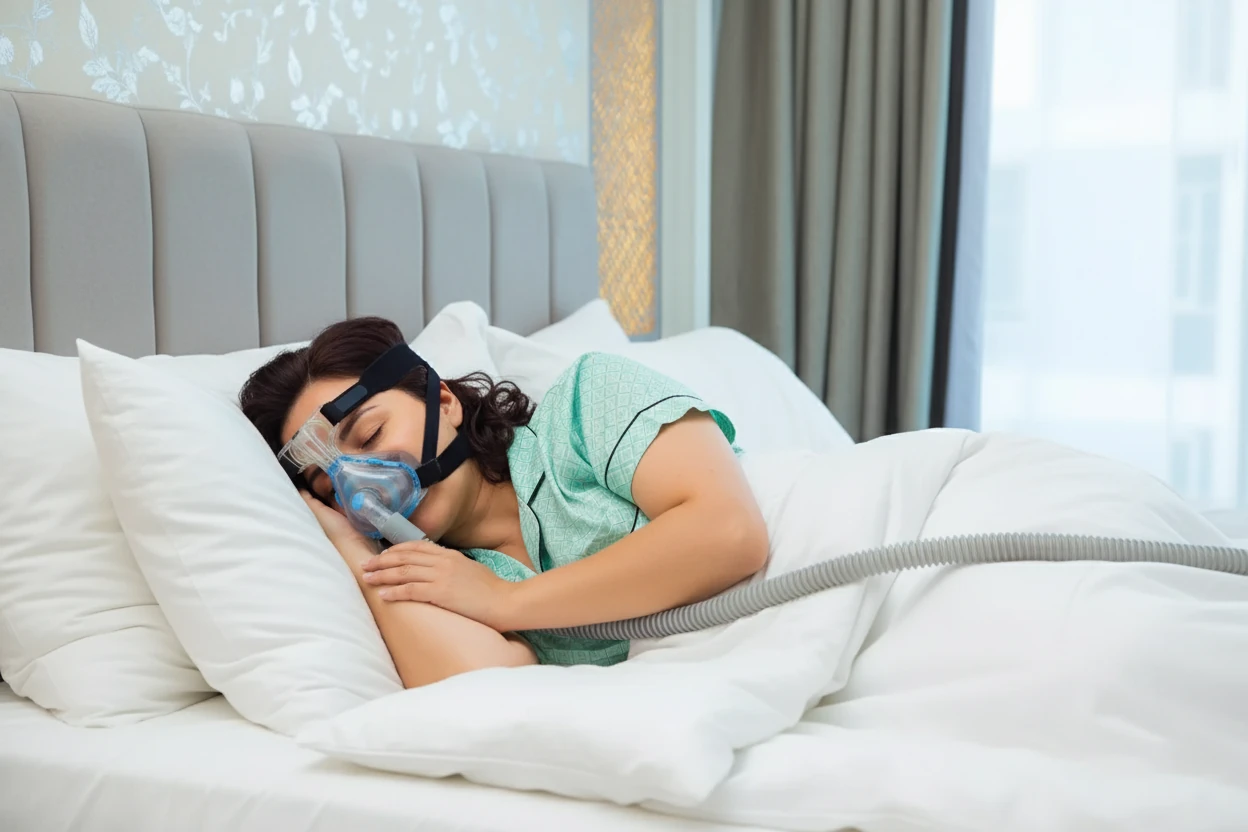
Other sleep disorders that cause frequent arousals or interruptions can increase the risk of sleepwalking1. Conditions such as obstructive sleep apnea (OSA) and restless legs syndrome (RLS) disrupt normal sleep cycles, leading to fragmented sleep and increased likelihood of partial awakenings during N3 sleep16. These disruptions can trigger sleepwalking episodes by destabilizing the transition between sleep and wakefulness.
Brain Disorders
Brain-related diseases and injuries can also cause or worsen sleepwalking17. Neurodegenerative diseases like Parkinson’s disease and rare conditions such as Smith-Magenis syndrome have been linked to sleepwalking17. Traumatic brain injury and stroke may disrupt brain areas responsible for regulating sleep and muscle tone, leading to parasomnias including sleepwalking578. Some autoimmune mechanisms targeting brain cells involved in sleep regulation have been proposed but remain speculative9.
The team's findings are remarkable and suggestive of an autoimmune mechanism of sleepwalking disorder; however, this is a highly speculative conclusion9.
Sleepwalking and Genetics
There is strong evidence that sleepwalking has a genetic component345. Children with one parent who sleepwalks have nearly twice the risk of sleepwalking themselves, and this risk increases further if both parents have a history of the disorder345. Sleepwalking is also frequently observed in twins, supporting a hereditary link345.
Genetic studies have identified associations with specific genes, notably the DQB1*0501 gene, which belongs to a family involved in immune system protein production3459. This gene has been linked to parasomnia disorders including sleepwalking, though the exact mechanism remains unclear345. The DQB1 gene family is also associated with autoimmune conditions such as celiac disease, narcolepsy, and diabetes, suggesting a possible immune-related pathway in sleepwalking3459.
The risk of sleepwalking was 3.5 times higher in people carrying a particular version of the gene, the team reports in the January issue of Molecular Psychiatry9.
Sleepwalking Demographics
Sleepwalking is most common in children, with a prevalence of about 5% in those aged 2 to 18 years345. The frequency of sleepwalking typically decreases with age, as the amount of N3 sleep declines in adulthood, reducing the likelihood of episodes345. Sleepwalking is equally common in males and females, with no significant gender differences observed345.
In early childhood, sleep cycles are not fully regulated, which may contribute to the higher prevalence of sleepwalking during this period345. Most children outgrow sleepwalking by adolescence, with only about 1% continuing to experience episodes into adulthood126.
💡 Did You Know?
Sleepwalking is more common in children than adults and usually starts between ages 4 and 82.
Sleepwalking Risk Factors
Several factors increase the risk of sleepwalking or trigger episodes in susceptible individuals345. These include:
- Family history of sleepwalking, especially if one or both parents have the disorder345
- Age between 8 and 12 years, when sleepwalking is most prevalent345
- Sleep deprivation, particularly prolonged periods without sleep345
- Use of certain medications such as antidepressants, benzodiazepines, lithium, antipsychotics, and SSRIs345
- Other sleep disorders like restless legs syndrome and obstructive sleep apnea16
- Recent head injury or brain trauma57
- Fever or illness causing increased N3 sleep345
- Mental health conditions including anxiety, stress, childhood trauma, and post-traumatic stress disorder (PTSD)16
- Alcohol consumption before bedtime, which can disrupt sleep architecture16
- Thyroid conditions such as hyperthyroidism1
- Neurodegenerative and developmental brain diseases17
These risk factors may act alone or in combination to increase the likelihood of sleepwalking episodes.
The families of 25 probands with sleepwalking and 27 probands with night terrors were studied. Eighty percent of the sleepwalking pedigrees included one or more individuals, other than the proband, who were affected by sleepwalking, night terrors, or both. This supports the hypothesis that sleepwalking and night terrors share a common genetic predisposition10.
Sleepwalking Summary
Sleepwalking is a parasomnia characterized by walking or performing complex behaviors during deep NREM sleep, especially stage N3345. It is most common in children and often runs in families, with genetic predispositions playing a significant role345. Sleep deprivation, fever, certain medications, and other sleep or brain disorders can trigger or worsen sleepwalking345.
While most children outgrow sleepwalking by adolescence, some adults continue to experience episodes, which can pose risks of injury or dangerous behaviors126. Diagnosis is usually based on clinical history and witness reports, with polysomnography used in complex cases11. Treatment focuses on safety measures, managing triggers, and addressing underlying conditions11. Medications may be considered in severe cases but are not FDA-approved specifically for sleepwalking11.
Safety precautions include locking doors and windows, removing sharp objects, and using alarms or motion sensors to prevent injury11. Managing sleep hygiene, reducing stress, and treating associated sleep disorders can help reduce episodes11.
Sleepwalking episodes often occur within the first few hours of sleep during deep NREM stages and involve partial awakening with limited awareness. Most people do not remember their sleepwalking episodes, and complex behaviors are more likely when sleep-deprived16.
| Common Triggers of Sleepwalking | Mechanism/Effect on Sleep |
|---|---|
| Sleep deprivation | Increases N3 sleep time, harder to wake345 |
| Fever | Raises N3 sleep duration, disrupts sleep345 |
| Medications | Affect neurotransmitters, alter sleep stages345 |
| Sleep disorders (OSA, RLS) | Cause fragmented sleep, arousals16 |
| Brain disorders/injury | Disrupt sleep regulation centers578 |