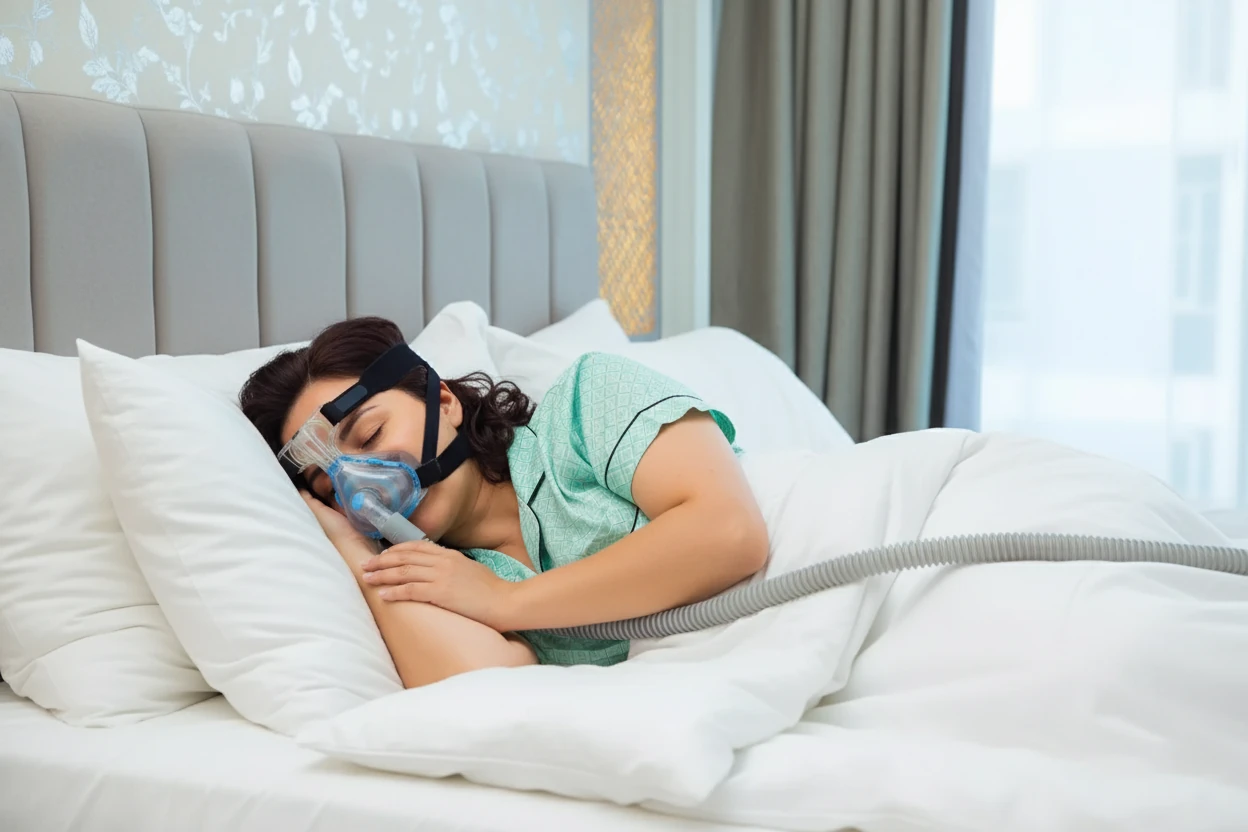
Sleep paralysis is a common but often misunderstood phenomenon affecting up to 40% of the general population at least once in their lifetime12. It occurs during the transition between sleep and wakefulness, where individuals regain consciousness but cannot move their muscles temporarily3. While usually harmless, sleep paralysis can cause significant distress, especially when episodes recur or are accompanied by vivid hallucinations32.
Types of Sleep Paralysis
Sleep paralysis is classified as a rapid eye movement (REM) parasomnia, a type of abnormal sleep behavior linked to REM sleep45. The International Classification of Sleep Disorders (ICSD) distinguishes recurrent isolated sleep paralysis (RISP) as a distinct condition, separate from narcolepsy and other sleep disorders46.
There are two main types of sleep paralysis:
- Isolated Sleep Paralysis (ISP): Occurs independently without association with narcolepsy or other medical conditions67.
- Recurrent Sleep Paralysis: Involves multiple episodes over time and can be linked to narcolepsy or occur as recurrent isolated sleep paralysis (RISP)67.
Episodes typically happen during two transitional periods:
- Hypnagogic: At sleep onset, as the individual is falling asleep.
- Hypnopompic: Upon awakening from sleep.
Hypnopompic episodes are reported more frequently than hypnagogic ones in many populations21. The lifetime prevalence of isolated sleep paralysis is approximately 40% in the general population, with higher rates observed in high-stress groups such as medical students, where prevalence can exceed 50%281.
| Population | Lifetime Prevalence | Most Common Type | Reference |
|---|---|---|---|
| General (various) | ~40% | Hypnopompic | 1 |
| Medical students (Buenos Aires) | 40.7% | Hypnopompic (55.55%) | 2 |
| Pakistani medical students | 52.8% | Not specified | 8 |
Sleep paralysis episodes involve a temporary inability to move or speak despite full consciousness, often accompanied by terrifying hallucinations5910. The paralysis results from REM sleep muscle atonia persisting into wakefulness53.
Common Symptoms
Sleep paralysis is characterized by a distinct set of symptoms occurring during the transition between sleep and wakefulness. The hallmark symptom is the inability to move or speak while remaining conscious113. Episodes usually last from a few seconds to a few minutes and resolve spontaneously127.
Common symptoms include:
- Muscle Atonia: Complete paralysis of voluntary muscles except for eye and respiratory muscles103.
- Hallucinations: Visual, auditory, or tactile hallucinations are frequent, often involving a sensed presence or "intruder" in the room, chest pressure (incubus phenomenon), or out-of-body experiences10132.
- Anxiety and Fear: Up to 76% of individuals experiencing sleep paralysis report anxiety during episodes, with about 14.5% describing chest pressure or suffocation sensations2.
- Awareness: Individuals remain fully aware of their surroundings despite paralysis39.
- Other sensations: Feelings of panic, helplessness, and a sense of danger are common14.
Sleep paralysis often begins after age 18 and may worsen during periods of high stress, such as college years2. Most individuals (around 70%) do not associate their episodes with religious or paranormal beliefs2.
Primary Causes
Sleep paralysis occurs due to a dissociation between depression diagnosis process and criteria states during the sleep-wake transition, specifically when REM sleep muscle atonia persists into wakefulness35. During REM sleep, the brain inhibits skeletal muscle activity to prevent acting out dreams, a process called REM atonia1516. Sleep paralysis happens when a person becomes conscious before this muscle paralysis has ended35.
Risk Factors
Several factors increase the likelihood of experiencing sleep paralysis:
- Sleep deprivation: Lack of adequate sleep disrupts normal REM cycles and increases episodes3117.
- Irregular sleep schedules: Shift work, jet lag, or inconsistent sleep patterns contribute to risk3117.
- Stress and anxiety: Psychological stress, PTSD, panic disorder, and pathological worry are strongly linked to sleep paralysis81117.
- Sleep disorders: Narcolepsy, obstructive sleep apnea, and insomnia are associated with increased sleep paralysis risk18193.
- Sleeping position: Sleeping on the back (supine position) may predispose individuals to episodes2014.
- Substance use: Alcohol, certain medications (e.g., ADHD drugs), and nicotine can trigger episodes31417.
- Genetic predisposition: Some evidence suggests familial patterns and genetic susceptibility2117.
Sleep paralysis is also more common in individuals with psychiatric conditions such as anxiety disorders and PTSD81117. Poor sleep quality correlates significantly with the incidence of sleep paralysis21.
Diagnosis Process
Diagnosis of sleep paralysis is primarily clinical, relying on a detailed patient history and symptom description622. Polysomnography (overnight sleep study) is not routinely required but may be used to exclude other sleep disorders such as narcolepsy or obstructive sleep apnea2219.
Key diagnostic steps include:
- Detailed sleep history focusing on frequency, timing, and nature of episodes622.
- Assessment of sleep quality, patterns, and associated symptoms such as daytime sleepiness or hallucinations23.
- Evaluation of psychiatric history and stress levels811.
- Use of sleep diaries or questionnaires to document episodes14.
- Referral to a sleep specialist if narcolepsy or other disorders are suspected1914.
- Polysomnography and multiple sleep latency tests (MSLT) may be performed to assess REM sleep abnormalities and diagnose narcolepsy2219.
Episodes of sleep paralysis are attributed to the persistence of REM muscle atonia into wakefulness, and risk factors such as sleep deprivation and psychiatric conditions are considered during diagnosis311.
Treatment Options
Treatment for sleep paralysis focuses on symptom management, addressing underlying causes, and improving sleep quality. There is no direct cure to stop an episode once it begins, but several approaches can reduce frequency and distress.
Therapy
Cognitive-behavioral therapy (CBT), including imagery rehearsal therapy, has shown effectiveness in reducing distress and recurrence of sleep paralysis episodes123. Relaxation techniques and focused-attention meditation combined with muscle relaxation (MR Therapy) are emerging interventions to manage episodes and anxiety2324.
Sleep Hygiene
Improving sleep hygiene is a cornerstone of treatment and prevention:
- Maintain a consistent sleep schedule with 7–9 hours of sleep nightly37.
- Create a comfortable, dark, and quiet sleep environment7.
- Avoid electronic devices and stimulating activities before bedtime7.
- Avoid sleeping on the back if prone to episodes2014.
- Reduce caffeine, alcohol, and nicotine intake, especially in the evening7.
- Manage stress through relaxation or mindfulness techniques237.
Medications
No medications are specifically approved for sleep paralysis. However, in severe or recurrent cases, off-label use of antidepressants such as selective serotonin reuptake inhibitors (SSRIs) or tricyclic antidepressants may be considered due to their REM-suppressing effects2526. Treating underlying conditions like obstructive sleep apnea with continuous positive airway pressure (CPAP) can also resolve sleep paralysis18.
Prevention Strategies
Preventing sleep paralysis involves lifestyle and behavioral modifications aimed at stabilizing sleep and reducing triggers:
- Prioritize regular, adequate sleep duration37.
- Avoid irregular sleep patterns and shift work when possible311.
- Manage stress and anxiety through therapy or relaxation methods2311.
- Avoid sleeping on the back to reduce episodes20.
- Address comorbid psychiatric and sleep disorders promptly1811.
- Limit alcohol and stimulant use, especially near bedtime7.
In some cases, treating underlying medical conditions such as obstructive sleep apnea can prevent recurrent episodes18.
Associated Conditions
“Sleep paralysis is a parasomnia that occurs when the muscle atonia of rapid eye movement sleep extends into wakefulness and can be accompanied by intense fear and hallucinations.”
— Dan Denis, University of York17
Sleep paralysis often coexists with or is influenced by other medical and psychiatric conditions:
- Narcolepsy: Sleep paralysis is a cardinal symptom and occurs in 20–50% of narcolepsy patients1926.
- Post-traumatic stress disorder (PTSD): Strongly associated with higher prevalence and severity of sleep paralysis81117.
- Anxiety and panic disorders: Increase risk and distress during episodes817.
- Obstructive sleep apnea: Can cause recurrent sleep paralysis, which may resolve with treatment18.
- Insomnia and poor sleep quality: Linked to increased episodes21.
- Hypertension: Adrenergic dysfunction related to hypertension may contribute to isolated sleep paralysis927.
Familial cases are rare but suggest a possible genetic predisposition2117.
Coping and Management
Living with sleep paralysis can be challenging, especially for those with recurrent or distressing episodes. Effective coping strategies include:
- Understanding that sleep paralysis is temporary and not harmful7.
- Using relaxation and focused breathing during episodes to reduce panic23.
- Gradually attempting small movements (e.g., wiggling a finger or toe) to break the paralysis714.
- Seeking psychological support for anxiety, PTSD, or stress management81.
- Maintaining good sleep hygiene to reduce episode frequency7.
- Consulting healthcare providers if episodes disrupt sleep or daily functioning7.
Addressing comorbid psychiatric conditions and improving overall sleep health can significantly decrease the impact of sleep paralysis on quality of life1811.