Obstructive sleep apnea (OSA) affects nearly one billion adults worldwide, significantly impairing quality of life and increasing risks for cardiovascular disease and accidents1. The most common and reliable treatment remains continuous positive airway pressure (CPAP), which helps keep airways open during sleep and reduces apnea episodes2. However, many patients face challenges with CPAP adherence, prompting the use of alternative therapies such as oral appliances, positional therapy, and surgical interventions3. Lifestyle changes also play a key role in managing OSA symptoms and improving overall outcomes4.
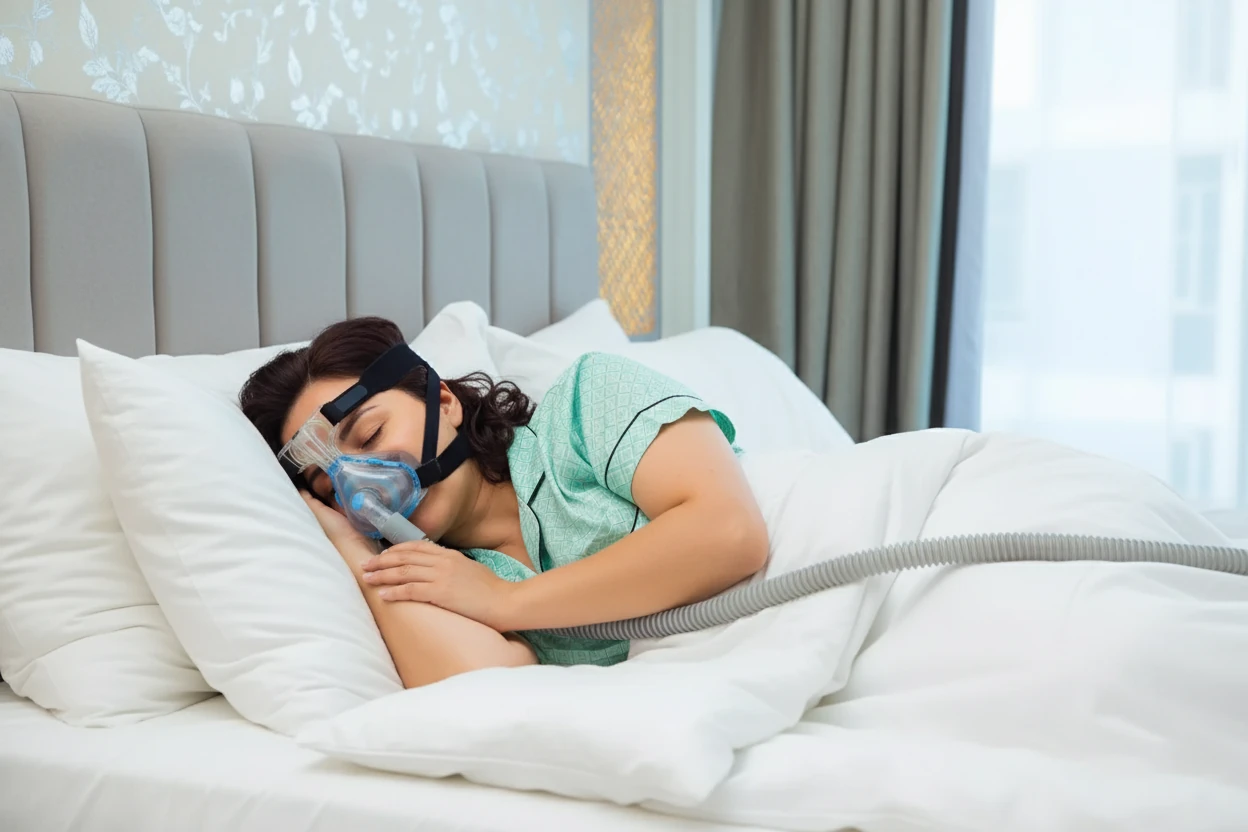
Continuous Positive Airway Pressure (CPAP) Machine
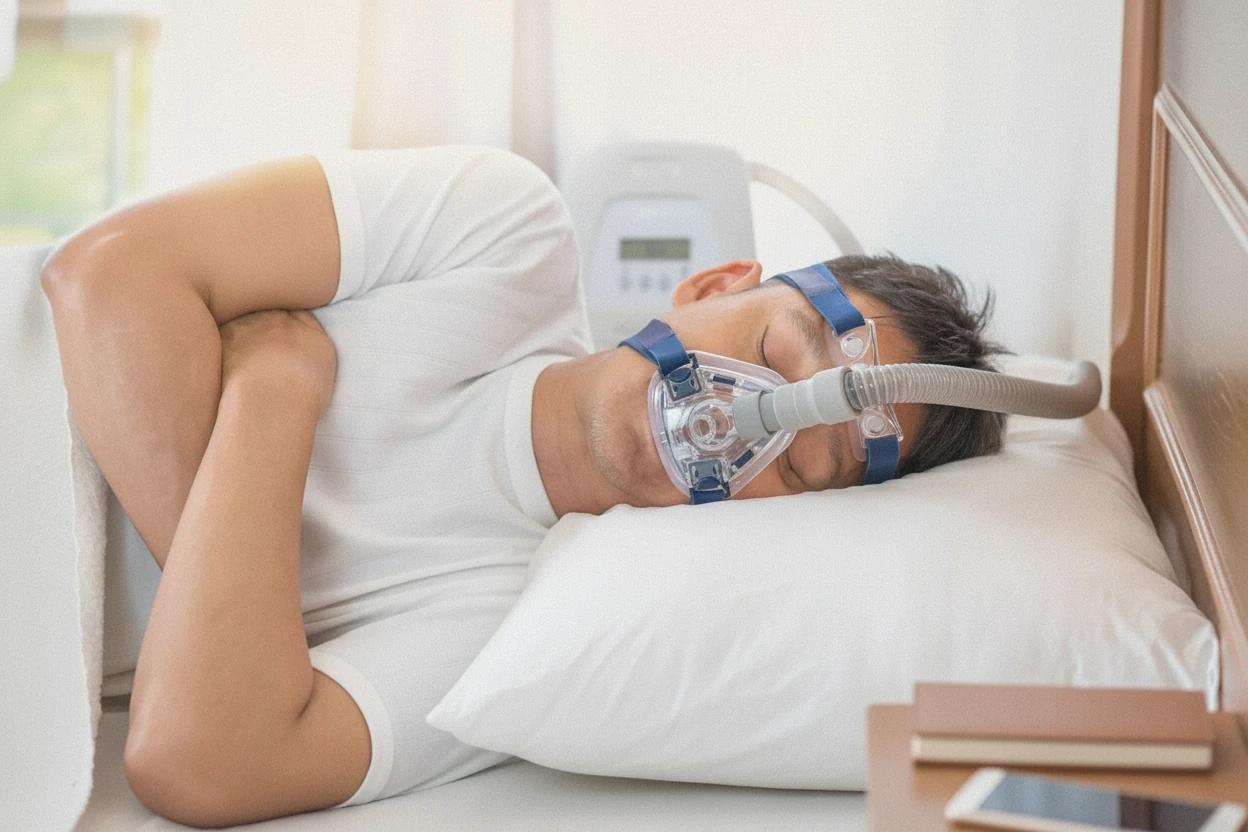
Continuous positive airway pressure (CPAP) therapy is the gold standard and first-line treatment for moderate to severe obstructive sleep apnea56. CPAP machines deliver a constant stream of pressurized air through a mask worn over the nose or mouth, which keeps the upper airway open and prevents airway collapse during sleep57. This mechanism reduces apnea-hypopnea index (AHI), improves daytime sleepiness, and lowers cardiovascular risks associated with OSA58.
Polysomnography, an overnight sleep study, is essential for diagnosing OSA and determining the optimal CPAP pressure settings for each patient9. There are different types of positive airway pressure devices:
- CPAP: Provides a fixed, continuous pressure during inhalation and exhalation7.
- APAP (Auto-adjusting PAP): Automatically adjusts pressure throughout the night based on airway resistance detected by sensors57.
- BiPAP (Bilevel PAP): Delivers higher pressure during inhalation and lower pressure during exhalation, useful in certain cases10.
Despite its effectiveness, CPAP adherence remains a significant challenge. Common issues include discomfort from the pressure, mask intolerance, claustrophobia, and nasal symptoms such as congestion or dryness511. Heated humidification and pressure ramp features can improve comfort by reducing dryness and gradually increasing pressure as the patient falls asleep7. Clinical support and mask fitting are critical to improving adherence and treatment success5.
“There is no reliable tool for physicians to assess which sleep apnea patients are at highest risk for cardiovascular events, or which patients are likely to respond to, or even be harmed by, CPAP therapy.”
— Girish N. Nadkarni, MD, MPH, Icahn School of Medicine at Mount Sinai12
Positional Therapy
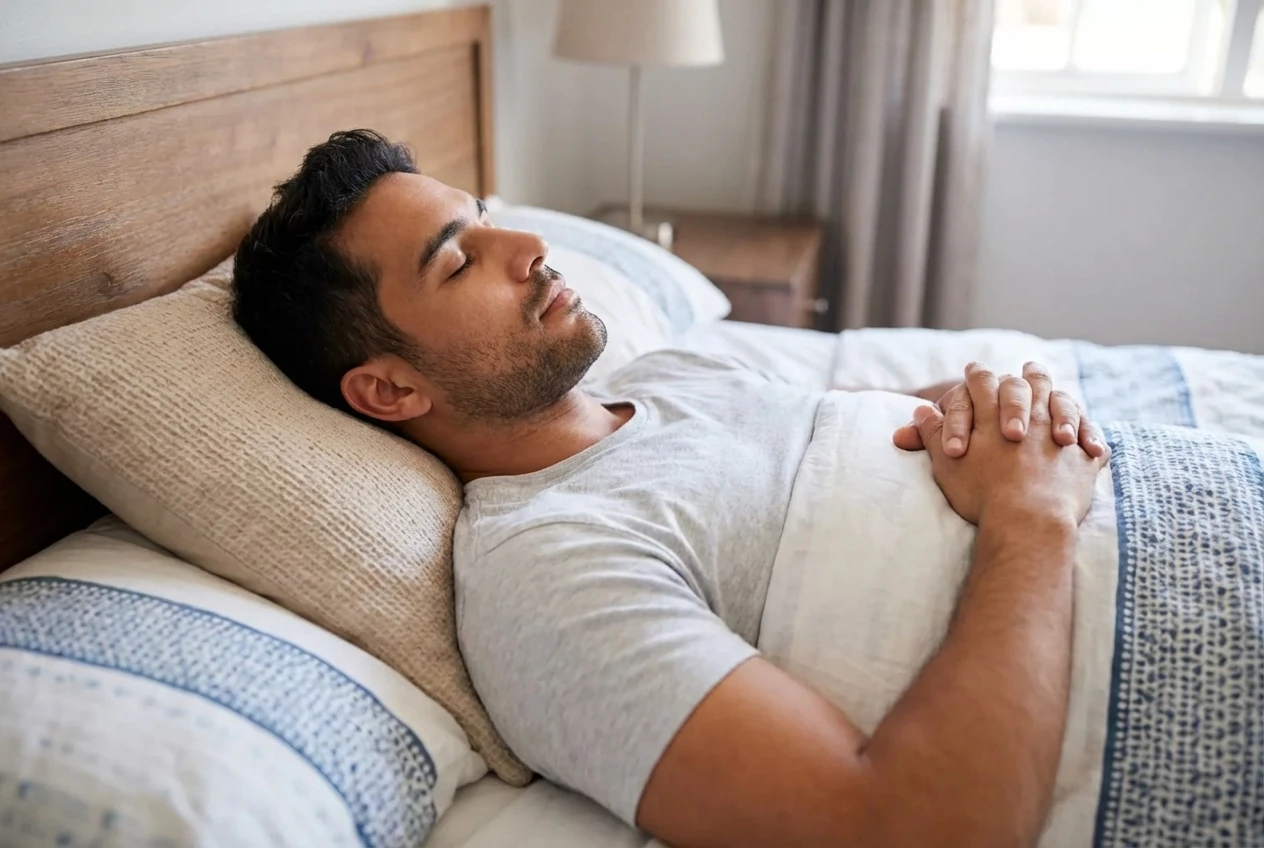
Positional therapy targets patients whose obstructive sleep apnea worsens when sleeping on their back (supine position)4. This form of OSA, called positional obstructive sleep apnea, can often be improved by encouraging side sleeping to reduce airway obstruction4. Positional therapy uses various devices and techniques to maintain side sleeping and minimize time spent supine.
Common positional aids include:
- Tennis balls attached to the back of sleepwear to discourage supine position4.
- Specialized pillows designed to support side sleeping4.
- Wearable devices that vibrate or alert the sleeper when they roll onto their back4.
Clinical studies show that positional therapy can reduce the apnea-hypopnea index and improve daytime sleepiness scores compared to no treatment1314. It is a non-invasive, low-risk option that can be especially useful for patients with mild to moderate positional OSA or those intolerant to CPAP4.
Oral Appliances
Oral appliances are an alternative treatment for patients with mild to moderate OSA or those who cannot tolerate CPAP therapy15. The most common devices are mandibular advancement devices (MADs), which work by advancing the lower jaw forward to enlarge the upper airway and reduce obstruction during sleep1610.
Key points about oral appliances include:
- MADs require fitting by qualified dentists in collaboration with sleep physicians to ensure proper adjustment and effectiveness1617.
- They are generally less effective than CPAP in severe OSA but can improve symptoms such as snoring and daytime sleepiness in milder cases16.
- Potential side effects include jaw discomfort and temporomandibular joint (TMJ) symptoms18.
Other oral devices include tongue-retaining devices that hold the tongue forward and removable tongue muscle stimulators that tone the tongue muscles to prevent airway blockage10. Orofacial therapy may also help strengthen muscles controlling the airway10.
Sleep apnea is linked to type 2 diabetes, obesity, and high blood pressure. Mild sleep apnea may respond to lifestyle changes including weight loss, quitting smoking, avoiding alcohol before bedtime, and side sleeping11.
Surgeries and Procedures
Surgical interventions are generally reserved for patients who fail or cannot tolerate non-surgical treatments like CPAP or oral appliances193. The choice of surgery depends on the site of airway obstruction and individual patient anatomy19.
Common surgical options include:
- Uvulopalatopharyngoplasty (UPPP): Removes excess tissue from the soft palate to enlarge the oropharyngeal airway. It has variable efficacy and may cause postoperative pain and complications19.
- Maxillomandibular advancement: Advances the upper and lower jaw bones to enlarge the airway. This surgery can be highly effective but involves prolonged recovery and potential changes in facial appearance1920.
- Hypoglossal nerve stimulation: An implantable device stimulates the nerve controlling tongue movement to keep the airway open during sleep. It is an emerging option for CPAP-intolerant patients but may cause tongue discomfort and device-related complications2122.
- Tracheostomy: Bypasses upper airway obstruction by creating a direct airway through the neck. It is reserved for severe, refractory cases due to its impact on quality of life, including speech and swallowing difficulties19.
- Weight loss surgery: Can reduce OSA severity by decreasing obesity-related airway obstruction191.
Surgical outcomes vary widely, and patient selection is critical to success. Multidisciplinary evaluation helps tailor the best approach for each individual2324.
Living With and Managing Sleep Apnea
Managing sleep apnea involves a combination of treatments and lifestyle changes. Lifestyle modifications are foundational and often recommended alongside other therapies42.
Effective management strategies include:
- Weight loss through diet and exercise to reduce airway obstruction41.
- Avoiding alcohol and sedatives before bedtime, which can worsen airway collapse4.
- Maintaining healthy heart-disease-risksleep habits and regular physical activity10.
- Positional therapy to avoid supine sleeping in positional OSA4.
- Adherence to prescribed treatments such as CPAP or oral appliances, supported by clinical follow-up to address issues like mask fit and pressure discomfort5.
Emerging therapies and research are expanding options for patients, including pharmacological agents and advanced nerve stimulation techniques251. Personalized treatment plans based on severity, anatomy, comorbidities, and patient preferences are essential for optimal outcomes2324.
Advances in artificial intelligence, specifically transformers, are making it possible to analyze all the sequential data generated by attended and unattended/home sleep studies and capture complex patterns that can inform decisions on CPAP treatment12.
A Quick Review
Effective management of obstructive sleep apnea relies on a combination of treatments tailored to the patient’s needs. Key points include:
- CPAP remains the first-line treatment for moderate to severe OSA to maintain airway patency56.
- Non-CPAP therapies such as mandibular advancement devices and positional therapy are alternatives for CPAP-intolerant patients3.
- Surgical interventions are reserved for selected patients who fail or cannot tolerate other treatments19.
- Lifestyle modifications, including weight loss, exercise, and positional changes, are essential adjuncts to therapy4.
- Adherence to prescribed therapies is critical for symptom relief and reducing health risks45.
| Treatment Type | Mechanism | Indication | Key Benefits | Limitations |
|---|---|---|---|---|
| CPAP | Continuous airway pressure | Moderate to severe OSA | Reduces AHI, improves sleepiness | Adherence challenges |
| Positional Therapy | Avoid supine sleeping | Positional OSA | Reduces apnea events | Less effective in severe OSA |
| Oral Appliances (MADs) | Advances lower jaw | Mild to moderate OSA | Improves airway size | Jaw discomfort, less effective in severe cases |
| Surgical Procedures | Remove or reposition tissues/jaws | CPAP intolerant or failed cases | Potentially curative | Recovery time, variable efficacy |
| Lifestyle Modifications | Weight loss, exercise, habits | All OSA patients | Adjunctive symptom improvement | Requires patient commitment |
| Sources:123 | ||||