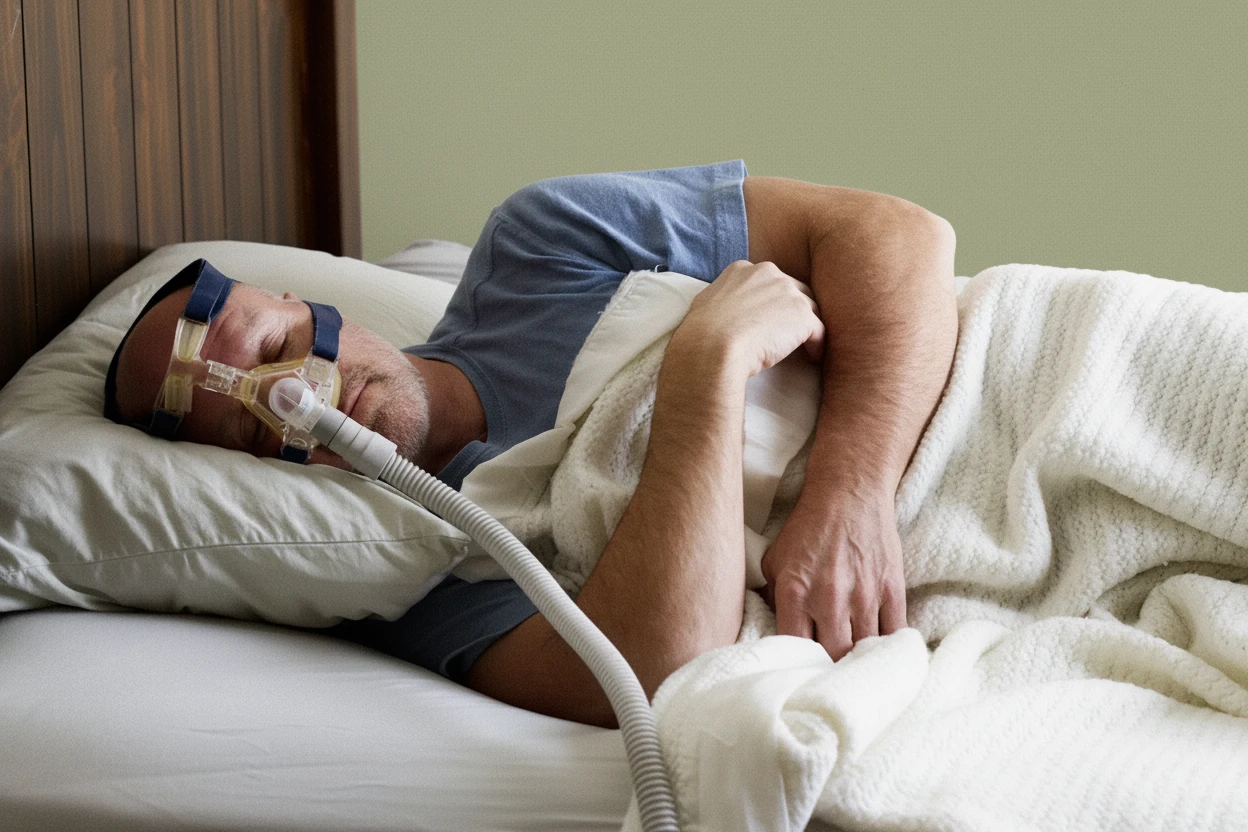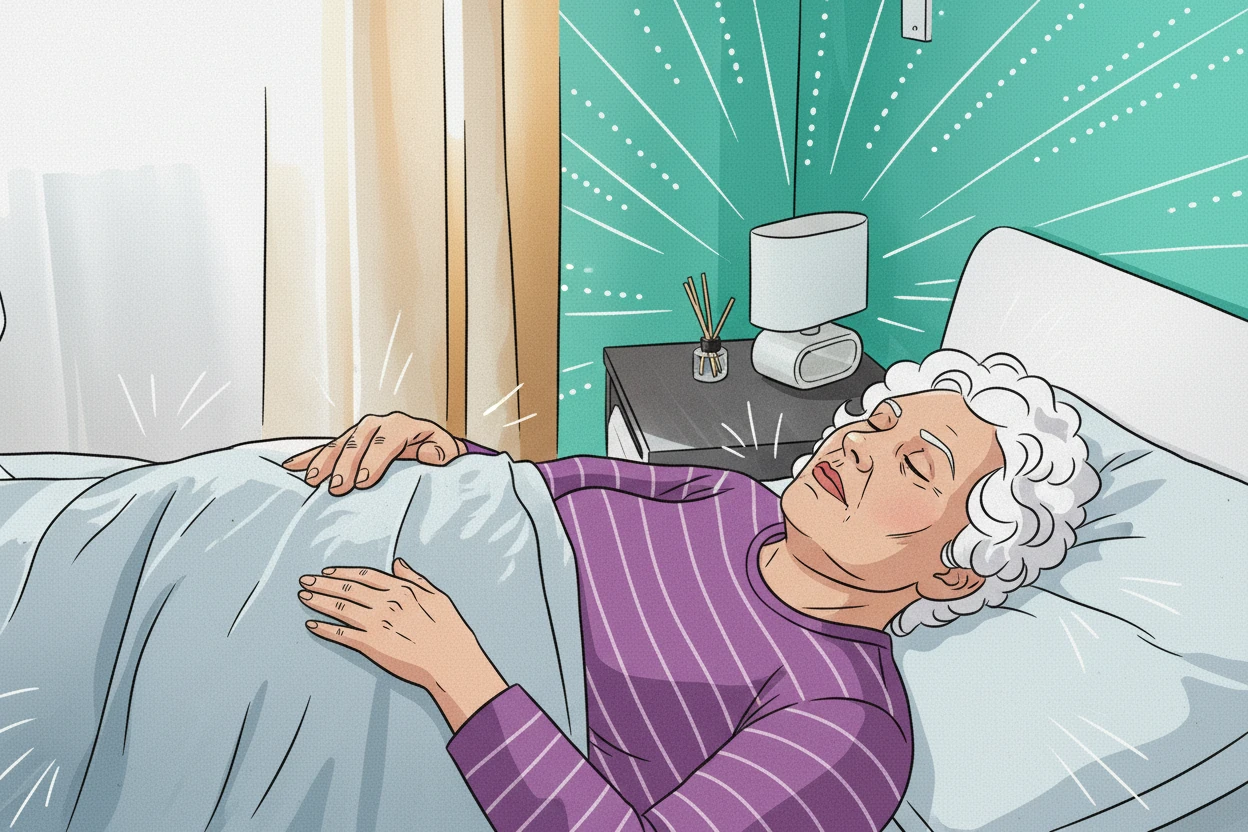
Sleep apnea affects millions of Americans, with estimates suggesting that up to 30 million people may have the condition, though only about 6 million are diagnosed12. This common but often undiagnosed sleep disorder has been linked to an increased risk of dementia, especially in older adults and women34. Understanding the connection between sleep apnea and cognitive decline is crucial for improving brain health and potentially reducing dementia risk.
Sleep Apnea's Link to Dementia
Sleep apnea is a chronic sleep disorder characterized by repeated episodes of partial or complete blockage of the airway during sleep, leading to disrupted breathing and oxygen deprivation5. Research shows that patients with sleep apnea have a 1.70-times greater risk of developing dementia within five years compared to those without sleep apnea, after adjusting for age and sex6. This increased risk is particularly notable for Alzheimer's disease and Parkinson's disease, while the link to vascular dementia remains less clear78.
Sleep apnea contributes to dementia in older adults, especially women. Women with known or suspected sleep apnea were more likely than men to have symptoms or a diagnosis of dementia at every age level3.
Population-based cohort studies consistently demonstrate that sleep apnea predicts future dementia risk6910. Notably, women with sleep apnea face a higher risk of dementia than men, possibly due to hormonal differences and disparities in diagnosis and treatment61015. Women with moderate sleep apnea also tend to have a greater risk of cardiovascular disease and insomnia, both of which can negatively affect cognitive function3.
Despite its prevalence, a large proportion of sleep apnea cases remain undiagnosed. The estimated prevalence in the general population is about 9.7% for women and 23.4% for men, but many cases go unrecognized due to subtle symptoms and barriers to diagnosis such as lack of awareness and limited access to sleep studies1112. Symptoms like loud snoring, excessive daytime sleepiness, and morning headaches are often ignored or misattributed1112.
- Sleep apnea increases the risk of developing Alzheimer's and Parkinson's diseases78.
- Women with sleep apnea have a higher dementia risk than men61015.
- Many sleep apnea cases remain undiagnosed due to subtle symptoms and diagnostic barriers1112.
- Sleep apnea prevalence is higher in men but dementia risk is more pronounced in women with the condition13.
- Population studies confirm sleep apnea as a predictor of future dementia6910.
Sleep Problems and Brain Health
Sleep apnea disrupts normal sleep architecture, leading to poor sleep quality and sleep deprivation, which are both linked to increased dementia risk101112. The repeated breathing interruptions cause fragmented sleep and reduce the amount of restorative deep sleep necessary for brain health517. This sleep fragmentation impairs the brain's glymphatic system, which is responsible for clearing neurotoxic waste such as amyloid-beta and tau proteins—key biomarkers associated with Alzheimer's disease101112.
Oxygen deprivation during apnea episodes (hypoxia) can damage brain cells and small blood vessels, particularly in areas related to memory and cognition181917. Chronic intermittent hypoxia leads to inflammation and may disrupt microglial function, contributing to the accumulation of pathological proteins and brain shrinkage seen in dementia4. These changes can result in cognitive deficits including problems with memory, attention, and executive functions52021.
Women may be especially vulnerable to these effects due to hormonal changes during menopause, including estrogen deficiency, which can exacerbate cognitive decline and increase dementia risk in women with sleep apnea61015. Additionally, women are more likely to be underdiagnosed or misdiagnosed, leading to prolonged untreated symptoms that further harm cognitive health61015.
- Sleep apnea causes fragmented sleep and reduces deep sleep quality101112.
- Sleep deprivation increases amyloid-beta and tau protein accumulation linked to Alzheimer's101112.
- Hypoxia from apnea episodes damages brain cells and small blood vessels181917.
- Inflammation from sleep apnea may contribute to brain shrinkage and cognitive decline4.
- Hormonal changes during menopause increase dementia risk in women with sleep apnea61015.
Estrogen starts to decline as women transition to menopause, which can impact their brains3.
Managing Sleep Apnea Symptoms
Managing sleep apnea symptoms is important for reducing the risk of cognitive decline and dementia. Treatment with continuous positive airway pressure (CPAP) has been shown to improve cognitive function and may slow the progression of dementia in older adults222312. CPAP works by keeping the airway open during sleep, preventing breathing interruptions and improving oxygen delivery to the brain17.
Treating obstructive sleep apnea with CPAP for just 12 months can almost entirely reverse damage done to brain white matter, leading to improvements in attention, memory, and executive function17.
Lifestyle modifications can also reduce sleep apnea risk and improve overall health. These include weight loss, smoking cessation, and reducing alcohol intake251022. Regular follow-up with healthcare providers is recommended to monitor symptoms and treatment adherence251022.
It is important to recognize sleep apnea symptoms early. Common signs include loud snoring, excessive daytime sleepiness, morning headaches, forgetfulness, and difficulty concentrating1112. Early diagnosis and treatment can help preserve cognitive function and reduce the risk of dementia, although not everyone with sleep apnea will develop dementia251022.
- CPAP treatment may reduce cognitive decline and dementia risk222312.
- Lifestyle changes such as weight loss and smoking cessation help reduce sleep apnea risk251022.
- Regular healthcare follow-up is essential for managing sleep apnea251022.
- Recognize symptoms like loud snoring, daytime sleepiness, and morning headaches1112.
- Not all people with sleep apnea will develop dementia, but treatment improves outcomes251022.
| Management Approach | Benefits for Cognitive Health | Notes |
|---|---|---|
| CPAP Therapy | Improves oxygen delivery; may slow dementia progression222317 | Requires adherence for best effect |
| Weight Loss | Reduces apnea severity and cardiovascular risk251022 | Supports overall brain health |
| Smoking Cessation | Lowers inflammation and vascular risk252313 | Enhances sleep quality |
| Alcohol Reduction | Decreases airway relaxation and apnea episodes101224 | Improves sleep architecture |
| Regular Medical Follow-up | Monitors treatment effectiveness and symptom changes252224 | Essential for long-term care |