Protein supplements have become increasingly popular among teenagers, with about 40% of parents reporting that their teen has consumed these products in the past year1. Boys tend to use protein supplements more frequently than girls, often aiming to build muscle, while girls are more likely to use them as meal replacements or for weight management2. Although protein is essential for growth and development, most teens can meet their protein needs through a balanced diet without supplements1.
Two in five parents report that their teen has consumed protein supplements in the past year, with teen boys more likely than teen girls to use the supplements every or most days. Protein is a crucial building block for growing bodies but too much can sometimes do more harm than good1.
The Rise of Protein Supplement Use
Protein supplement use is widespread among adolescents, with about 55% of boys and 33% of girls reporting consumption of protein powders or shakes3. The motivations behind this trend differ by gender. Boys primarily use protein supplements to enhance muscle building and improve sports performance, whereas girls often use them to replace meals or support weight loss efforts453. Parental and coach encouragement also plays a significant role in influencing teens to use these supplements43.
Many teens associate protein intake with body image, athletic success, and overall well-being5. This perception has contributed to the steady increase in protein supplement use among adolescents in recent years3. In fact, two in five parents say their teen has consumed protein supplements in the past year, with boys more likely to use them daily or most days12. The inspiration to consume protein products often comes from coaches, peers, social media influencers, and parents themselves6.
“There isn’t that kind of rigorous quality control, especially when you’re getting mixtures of muscle-building supplements and products.”
— Jason Nagata, University of California San Francisco6
Despite the popularity of protein supplements, it is important to understand that excessive protein intake does not necessarily lead to greater muscle gains or improved athletic performance beyond what is achieved through adequate nutrition27. Moreover, some supplements may contain added sugars, caffeine, or other stimulants that are unhealthy for teens27.
Key factors driving protein supplement use among teens:
- Boys use supplements mainly for muscle growth and sports performance431.
- Girls use supplements more for meal replacement and weight management432.
- Parental and coach encouragement increases supplement use436.
- Social media and peer influence contribute to the protein craze6.
- The trend reflects broader adult interest in high-protein diets3.
Protein Supplement Safety for Teenagers
Protein is an essential nutrient that supports muscle and bone development, immune function, and cellular repair3. The American Academy of Pediatrics recommends that adolescents aged 11 to 14 consume about 0.5 grams of protein per pound of body weight daily, with slightly lower needs for older teens4. For example, a 110-pound adolescent requires roughly 50 grams of protein per day, which can be met by typical meals without supplements3.
Most teens can achieve their protein needs through a balanced diet that includes lean meats, fish, eggs, dairy, beans, nuts, and seeds38. Protein supplements are generally unnecessary unless there is a specific medical or dietary need43. Excessive protein intake offers no additional benefits and may pose health risks32.
Marketing can lead people to believe that a higher amount of protein means a product is healthier, but that isn’t necessarily true7.
| Age Group (years) | Protein Recommendation (grams per pound) | Example Daily Protein Need (grams) | Typical Food Equivalent |
|---|---|---|---|
| 11–14 | 0.5 | 50 (for 110 lbs) | Slightly more than a cheeseburger3 |
| 15–18 | Slightly lower than 0.5 | Varies | Balanced diet sufficient43 |
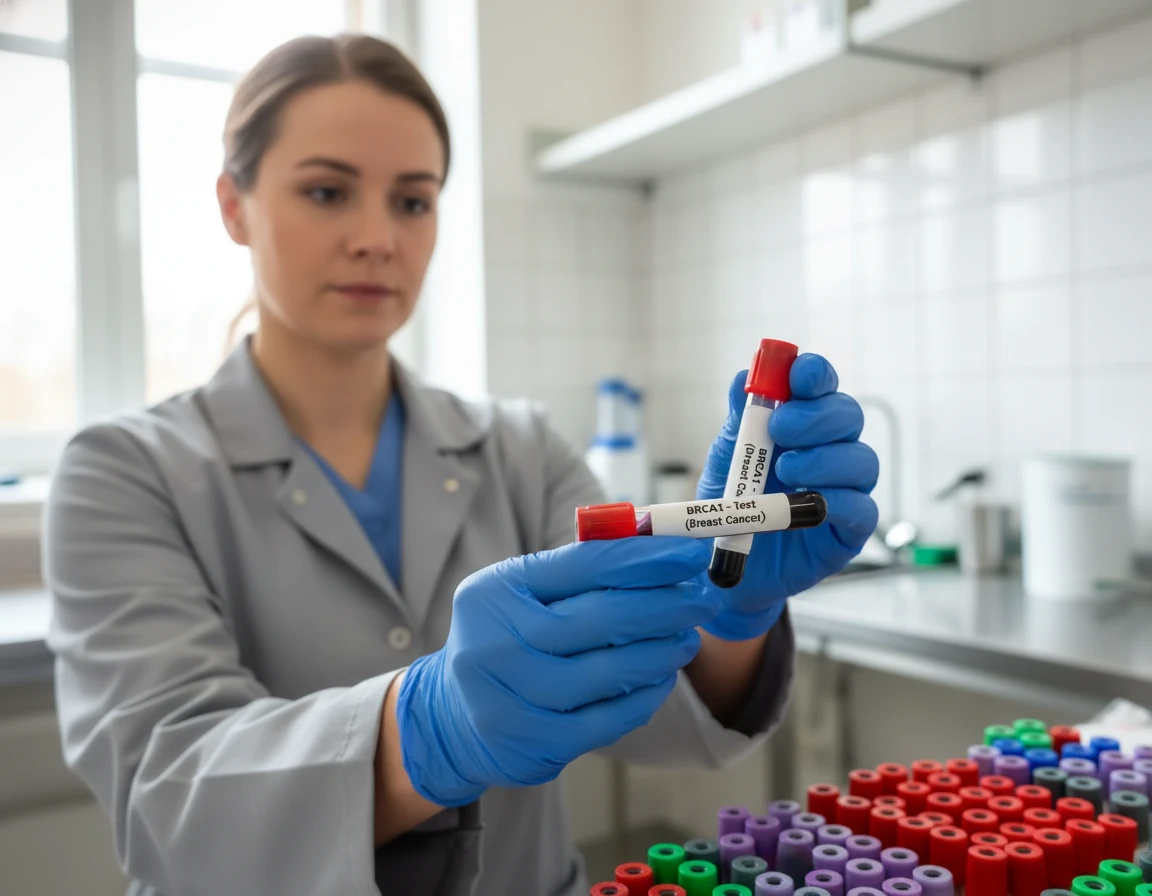
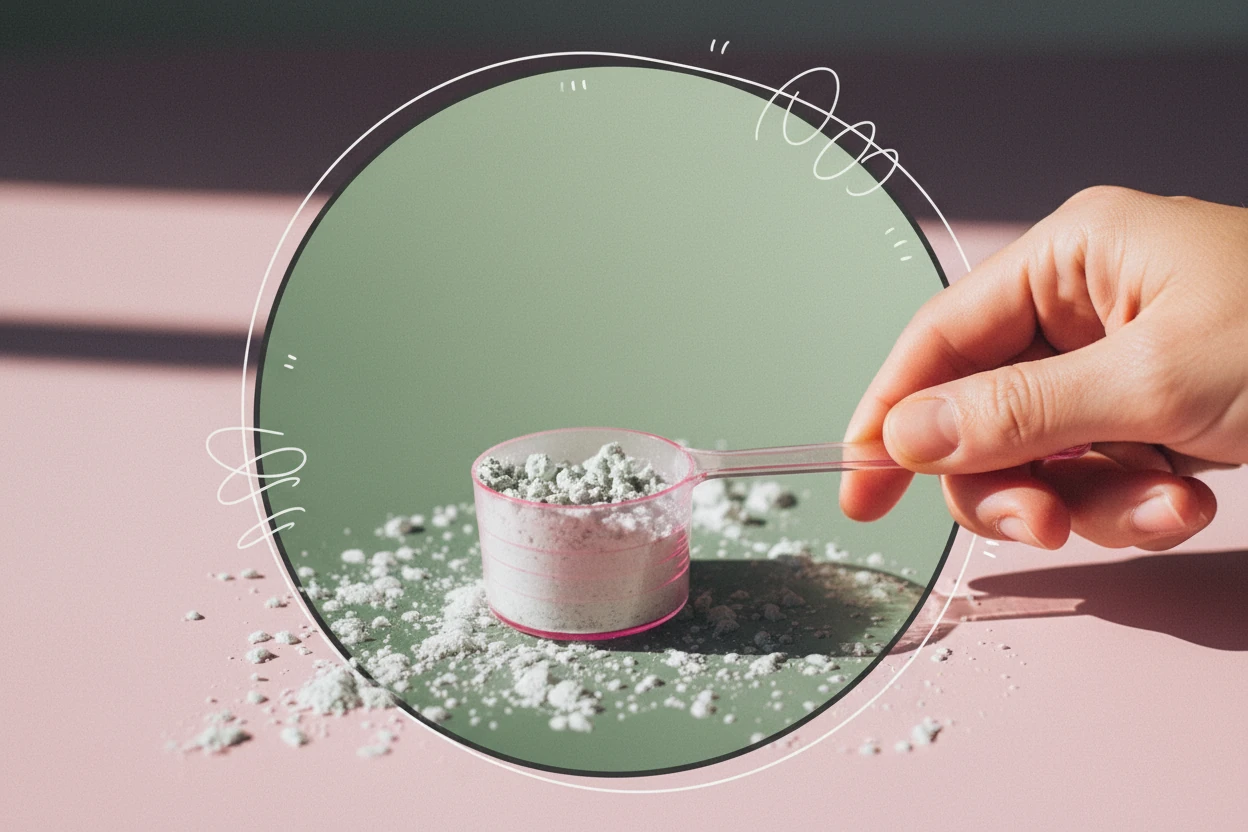
Some protein bars and powders contain high amounts of added sugar, caffeine, or other stimulants, which can be harmful to adolescents432. Additionally, protein powders are not regulated by the U.S. Food and Drug Administration (FDA) before reaching the market, meaning they may contain contaminants such as heavy metals (lead, arsenic, cadmium), artificial ingredients, or unlisted substances986. These contaminants can pose long-term health risks, including kidney-infection-symptoms-and-signs">kidney infection symptoms and signs-stones-causes-and-risk-factorskidney strain and dehydration if fluid intake is inadequate17.
Creatine and other muscle-building supplements are also used by some teens, especially boys, but their safety profiles are not well established for this age group. The American Medical Society for Sports Medicine and the American Academy of Pediatrics advise against creatine use in children and adolescents10.
Health considerations and risks of protein supplement use in teens:
- Excess protein intake can strain kidneys and cause dehydration17.
- Many supplements contain high sugar and caffeine levels27.
- Protein powders may have contaminants like heavy metals and artificial additives986.
- Creatine and weight-loss supplements carry unknown or harmful risks in teens10.
- Overreliance on supplements may lead to missing essential nutrients found in whole foods10.