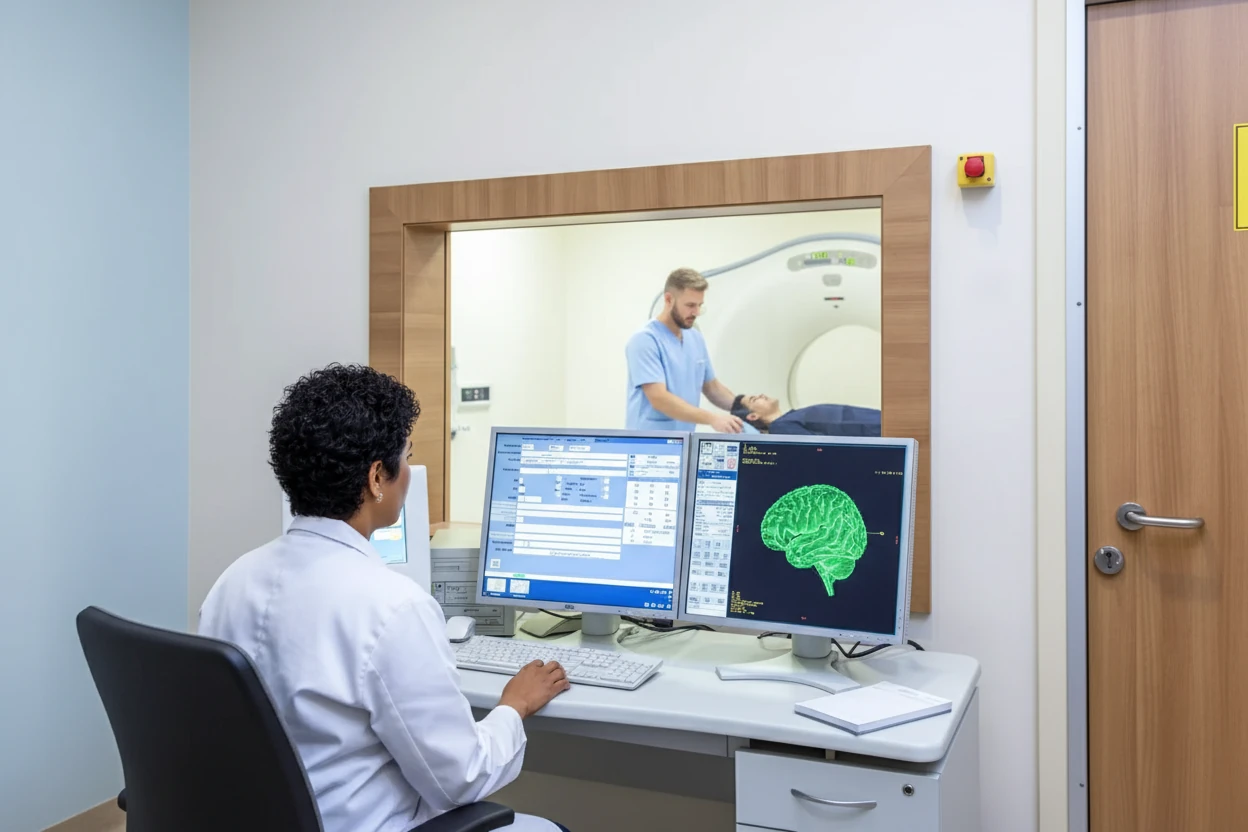
An enlarged heart attack symptoms in women, medically known as cardiomegaly, is a condition where the heart grows larger than normal due to various underlying causes1. This enlargement can be temporary or permanent, depending on the cause, and may affect the whole heart or just parts of it2. While some people with an enlarged heart experience no symptoms, others may develop signs related to heart function and blood circulation3. Early detection and treatment are important to prevent serious complications such as heart failure or sudden cardiac death4.
Heart-Related Symptoms of Cardiomegaly
Cardiomegaly often reflects an underlying heart condition that causes the heart to work harder than usual, leading to its enlargement1. In many cases, an enlarged heart does not produce noticeable symptoms and may be found incidentally during imaging tests like chest X-rays4. However, when symptoms do occur, they often relate to the heart’s impaired ability to pump blood effectively.
One common heart-related symptom is tachycardia, which is a rapid heart rate that can occur even at rest or during daily activities, not just during exercise4. This happens because the enlarged heart must work harder to maintain adequate blood flow. Patients may also experience palpitations or an irregular heartbeat (arrhythmia), which can feel like fluttering or skipped beats42.
Other signs that may be detected during a physical exam include a heart murmur caused by leaky heart valves and abnormal heart rhythms5. Fatigue and dizziness can result from reduced cardiac output, meaning the heart is not pumping enough oxygen-rich blood to meet the body’s needs2. In some cases, swelling (edema) in the legs or abdomen may be observed due to fluid retention from heart dysfunction4.
- Tachycardia (rapid heart rate), occurring at rest or during daily activities4
- Palpitations or irregular heartbeat (arrhythmia)42
- Fatigue and dizziness due to poor blood circulation2
- Heart murmur from leaky valves5
- Swelling in legs or abdomen (edema)4
Cardiomegaly is not a disease itself but a sign of an underlying problem causing the heart to work harder than normal. Symptoms vary widely, and some people may have no symptoms at all, making regular checkups important for early detection.1
Lung and Breathing Symptoms
The enlargement of the heart can affect lung function because the heart and lungs work closely together to circulate oxygenated blood. When the heart enlarges and weakens, it may fail to pump blood efficiently, leading to fluid buildup in the lungs, a condition known as pulmonary edema6. This fluid accumulation makes breathing difficult and can cause symptoms such as shortness of breath, especially when lying flat (orthopnea)6.
Patients with cardiomegaly may also experience poor exercise tolerance or exercise intolerance, meaning they become easily fatigued or short of breath during physical activity6. This occurs because the heart cannot meet the increased oxygen demands of the body during exertion. Additionally, swelling in the belly or legs may occur due to fluid retention caused by heart failure4.
Pulmonary function tests in patients with chronic heart failure and cardiomegaly often show a restrictive pattern, indicating that the enlarged heart physically limits lung expansion and reduces lung volumes7.
- Shortness of breath, especially when lying down (orthopnea)6
- Fluid buildup in the lungs (pulmonary edema) causing breathing difficulty6
- Poor exercise tolerance or exercise intolerance6
- Swelling in the belly or legs due to fluid retention4
- Restrictive lung function patterns on pulmonary tests7
Heart enlargement can constrain lung volumes, leading to breathing difficulties and reduced exercise capacity. Managing the underlying heart condition is key to improving lung symptoms.7
Digestive and Abdominal Symptoms
There is limited direct evidence linking cardiomegaly itself to specific digestive symptoms. However, in cases where cardiomegaly leads to heart failure, patients may experience abdominal discomfort and early satiety (feeling full quickly) due to fluid accumulation in the abdomen and reduced blood flow to digestive organs. These symptoms are recognized clinically but are not uniquely tied to cardiomegaly in the literature [Section Research].
Swelling in the belly (ascites) may also be present as a result of fluid retention when heart function is impaired5. This can cause abdominal distension and discomfort.
Who Gets an Enlarged Heart?
Cardiomegaly can affect people of all ages but is more common in older adults and those with certain risk factors or underlying conditions8. It is often a sign that the heart is working harder than normal due to other health problems.
Common causes and risk factors for developing an enlarged heart include:
- High blood pressure (hypertension), which forces the heart to pump against increased resistance3
- Coronary artery disease, the most common cause, which damages heart muscle and reduces pumping efficiency3
- Heart valve disease, causing volume or pressure overload on the heart8
- Cardiomyopathy (disease of the heart muscle)3
- Congenital heart defects present from birth3
- Thyroid disorders, such as hyperthyroidism or hypothyroidism3
- Anemia and kidney disease3
- Excessive alcohol use and recreational drug use, including cocaine2
- Family history of heart muscle disease or cardiomegaly3
- Sedentary lifestyle, smoking, and obesity2
Some temporary causes include pregnancy and infections that stress the heart1. In rare cases, elite athletes may develop an enlarged heart due to repeated exertion3.
“Cardiomegaly is not a disease but a sign of another condition. Detecting the cause early can help prevent progression and complications.1”
Enlarged Heart Symptoms Summary
Symptoms of an enlarged heart vary widely depending on the severity and underlying cause. Many people have no symptoms and are diagnosed incidentally during imaging tests like chest X-rays or echocardiograms45. When symptoms are present, they often reflect the heart’s reduced ability to pump blood effectively and the resulting fluid buildup.
Common symptoms include:
- Rapid or irregular heartbeat (tachycardia, arrhythmia)42
- Shortness of breath, especially when lying down or during exertion63
- Fatigue and dizziness due to poor blood circulation2
- Swelling (edema) in the legs, feet, or abdomen42
- Chest pain or discomfort in some cases2
- Palpitations or heart fluttering4
If untreated, cardiomegaly can lead to serious complications such as heart failure, blood clots, leaky heart valves, cardiac arrest, and sudden death45. Early diagnosis and treatment of the underlying condition are critical to managing symptoms and improving outcomes3.
| Symptom | Possible Cause/Mechanism | Source |
|---|---|---|
| Tachycardia | Heart working harder, rapid heart rate | 4 |
| Shortness of breath | Pulmonary edema, poor cardiac output | 63 |
| Edema (swelling) | Fluid retention due to heart failure | 42 |
| Fatigue and dizziness | Reduced oxygen delivery to tissues | 2 |
| Palpitations | Arrhythmia or irregular heartbeat | 42 |
An enlarged heart can be manageable with proper treatment of the underlying cause. Lifestyle changes and medications can help control symptoms and reduce risks.2
Frequently Asked Questions
Can an enlarged heart cause symptoms in everyone?
No, many people with an enlarged heart have no symptoms and only discover it during routine imaging tests4. Symptoms depend on the severity and cause of the enlargement3.
What are the main symptoms to watch for?
Symptoms include rapid or irregular heartbeat, shortness of breath, swelling in the legs or abdomen, fatigue, and dizziness642. Severe symptoms like chest pain or fainting require immediate medical attention2.
Is cardiomegaly reversible?
In some cases, such as pregnancy-related enlargement or infections, the heart may return to normal size after treatment3. For chronic conditions, ongoing management is usually necessary to prevent worsening1.
How is cardiomegaly diagnosed?
Diagnosis typically involves imaging tests such as chest X-ray, echocardiogram, cardiac MRI, and electrocardiogram (EKG) to assess heart size and function59.
What treatments are available?
Treatment focuses on managing the underlying cause with medications, lifestyle changes, and sometimes surgical procedures like valve repair or implantable devices25.