Takotsubo cardiomyopathy, also known as broken heart syndrome, accounts for about 1-2% of patients who present with symptoms similar to a heart attack12. This condition primarily affects postmenopausal women and is triggered by intense emotional or physical stress, leading to a sudden weakening of the heart muscle34. Although it mimics acute myocardial infarction, it typically involves no blockage in the coronary arteries and is often reversible within weeks56.
Symptoms of Broken Heart Syndrome
Broken heart syndrome presents with symptoms that closely resemble those of an acute myocardial infarction (heart attack), making initial diagnosis challenging72. The most common symptoms include:
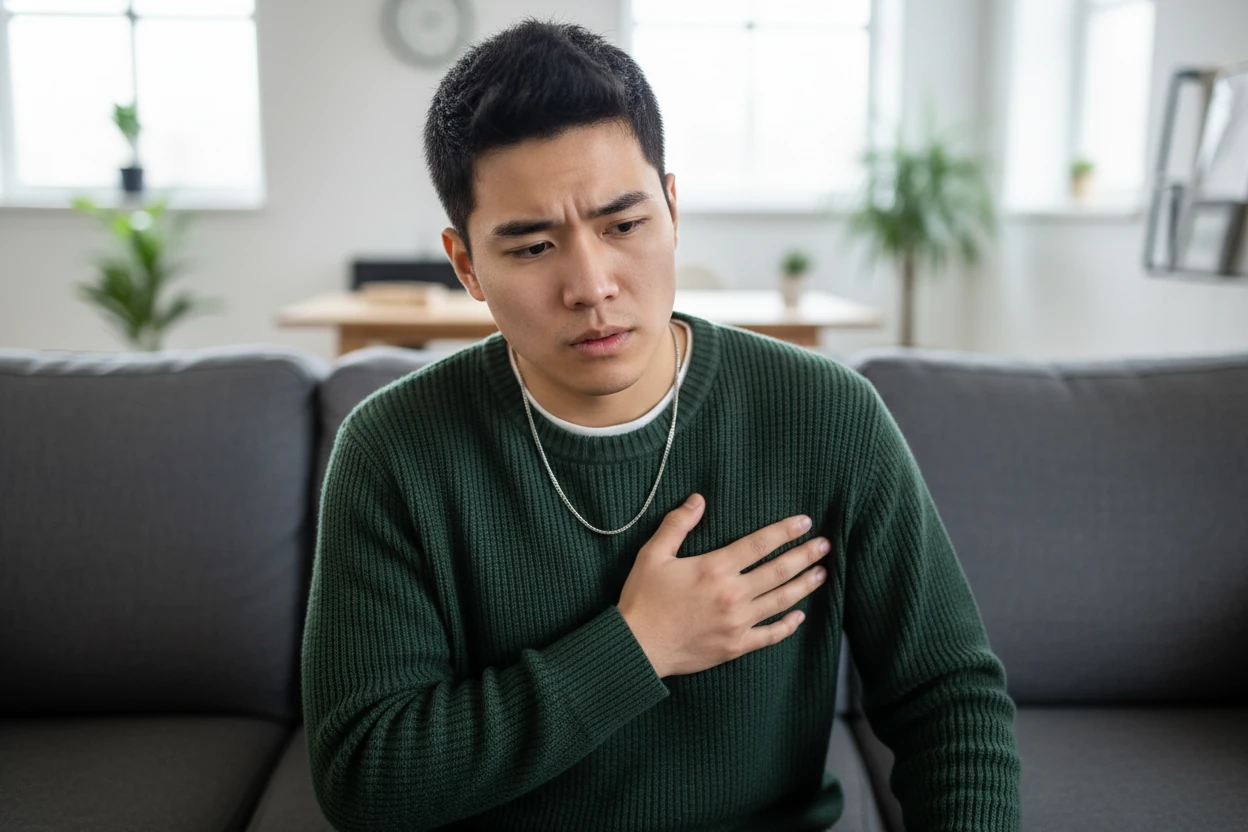
- Sudden, severe chest pain17
- Shortness of breath (dyspnea)17
- Dizziness and fainting episodes58
- Heart palpitations and irregular heartbeats (arrhythmias)8
- Low blood pressure and signs of heart failure such as lung rales and jugular venous distention58
In some cases, patients may experience stroke-like symptoms due to embolic events caused by blood-pressureblood-pressureblood-pressure-effective-strategies-and-tipsblood-pressure-effective-strategies-and-tipsblood clots forming inside the heart910. Cardiogenic shock, a life-threatening condition where the heart suddenly cannot pump enough blood, occurs in approximately 10% of cases1011. Other complications include pulmonary edema and arrhythmias, which can increase the risk of mortality1012.
Causes of Broken Heart Syndrome
Broken heart syndrome is triggered by a surge of stress hormones, particularly catecholamines like adrenaline, which temporarily stun the heart muscle and disrupt its function211. This neurohormonal mechanism leads to myocardial stunning and microvascular dysfunction, causing transient left ventricular systolic dysfunction111. The typical hallmark is apical ballooning of the left ventricle, resembling a Japanese octopus trap called "takotsubo"13.
Emotional and physical stressors are the most common triggers:
- Emotional stressors include bereavement, interpersonal conflicts, intense fear, and sudden shock324
- Physical stressors include surgery, respiratory failure, acute illnesses, and severe pain14154
Often, these stressors overlap, such as during surgical procedures combined with emotional distress1415. The incidence of broken heart syndrome is rising, predominantly affecting women, especially those who are postmenopausal and over 50 years old3216.
Risk Factors
- Female sex, particularly postmenopausal women aged 50 and above324
- Emotional stress such as loss of a loved one or severe personal conflict324
- Physical stress including acute medical illness, surgery, or trauma1415
- Psychiatric or neurological disorders may increase susceptibility8
- Older age, with middle-aged and elderly women at higher risk than younger women32
“Takotsubo cardiomyopathy is triggered by factors other than emotional stress. It is increasingly recognized in hospital settings, triggered by various acute noncardiac illnesses.”
— Scott W. Sharkey, Minneapolis Heart Institute Foundation13
Diagnosing Broken Heart Syndrome
Diagnosis of broken heart syndrome requires careful clinical evaluation to distinguish it from acute coronary syndrome (heart attack)32. The diagnostic process includes:
- Thorough physical examination, sometimes revealing a heart murmur3217
- Electrocardiogram (ECG) showing electrical abnormalities such as ST-segment elevation or T-wave inversion, which mimic myocardial infarction or pericarditis325
- Elevated cardiac biomarkers, especially troponins, indicating myocardial injury but usually lower than in typical heart attacks325
- Echocardiography demonstrating characteristic apical ballooning with hypokinesis (reduced movement) of the left ventricular apex3218
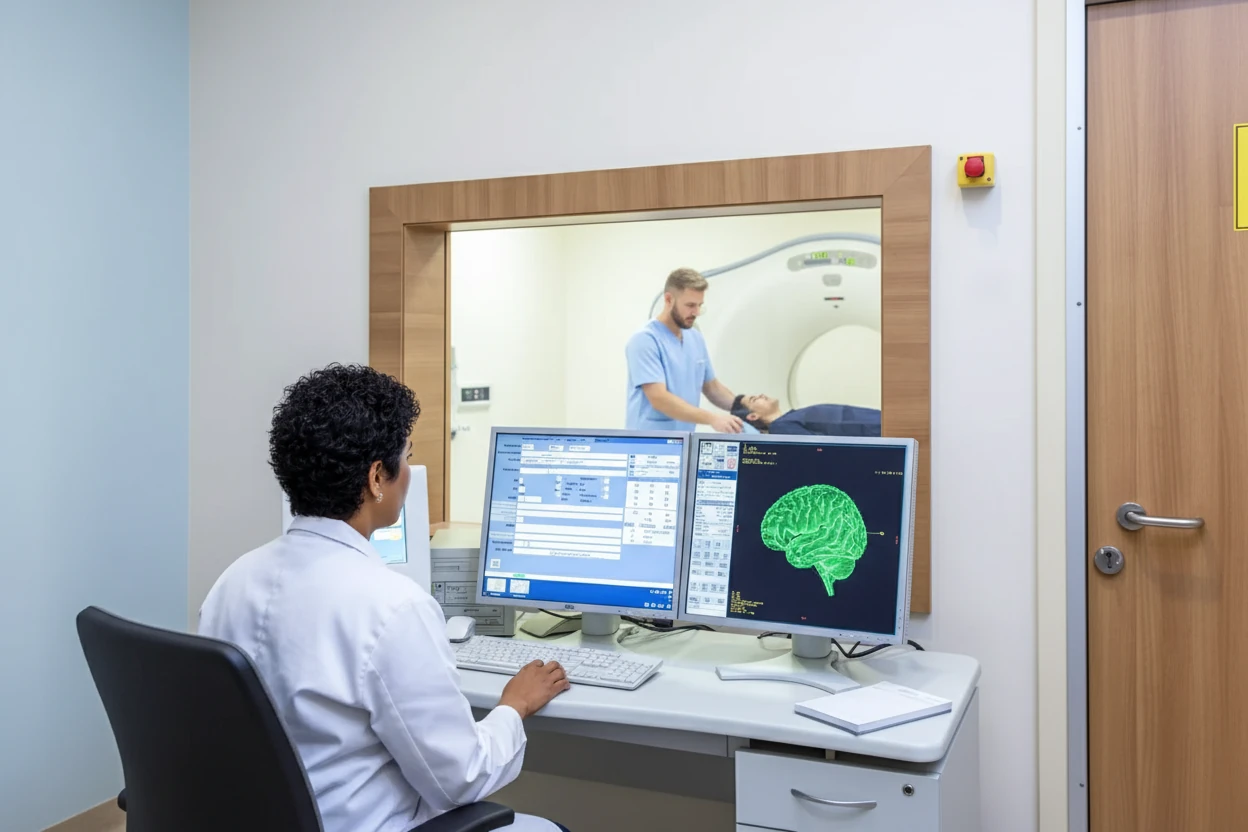
- Cardiac magnetic resonance imaging (MRI) to differentiate from myocarditis or infarction by assessing myocardial tissue characteristics319
Coronary angiography is essential to exclude obstructive coronary artery disease, confirming the diagnosis by showing no significant blockages324. The diagnosis is often one of exclusion because no specific biomarker definitively identifies the syndrome20.
| Diagnostic Tool | Purpose | Typical Finding | Source(s) |
|---|---|---|---|
| ECG | Detect electrical abnormalities | ST elevation, T-wave inversion | 325 |
| Cardiac Biomarkers | Assess myocardial injury | Mildly elevated troponins | 325 |
| Echocardiography | Visualize heart wall motion | Apical ballooning, hypokinesis | 3218 |
| Cardiac MRI | Differentiate from myocarditis/infarction | Absence of infarct-specific fibrosis | 31920 |
| Coronary Angiography | Exclude coronary artery blockages | No obstructive coronary artery disease | 324 |
Broken Heart Syndrome Treatment
Treatment for broken heart syndrome is mainly supportive and tailored to the patient's clinical status111. Key management strategies include:
- Beta-blockers to reduce the effects of stress hormones on the heart and potentially prevent recurrence3118
- ACE inhibitors to support heart function and reduce ventricular remodeling311
- Aspirin initially, especially if coronary artery disease risk is present311
- Cholesterol-lowering drugs may be prescribed based on individual risk factors311
- Anticoagulation therapy in patients with intracardiac thrombi or embolic events to prevent stroke912
- In cases of cardiogenic shock, inotropes and mechanical circulatory support devices may be necessary1112
Serial echocardiograms are used to monitor recovery of cardiac function, which usually occurs within days to weeks3115. Most patients recover fully, but some may require prolonged rehabilitation and follow-up311.
“These findings reflect increased awareness of Takotsubo syndrome among physicians, including better understanding of physical triggers and recognition of wall motion variants beyond apical ballooning, as well as greater use of high-sensitivity troponin testing.”
— Scott W. Sharkey, Minneapolis Heart Institute Foundation13
Preventing Broken Heart Syndrome
Prevention focuses on managing stress and cardiovascular risk factors to reduce the incidence of broken heart syndrome321. Recommended strategies include:
- Stress management techniques such as mindfulness, relaxation, and counseling32122
- Regular physical exercise to improve cardiovascular health and reduce stress levels22
- Patient education on heart health and recognizing symptoms early321
- Maintaining good sleep hygiene and social support networks to enhance emotional resilience22
- Moderation of lifestyle factors including diet, alcohol, and smoking cessation22
These measures aim to reduce the impact of emotional and physical stressors that commonly precipitate the syndrome321.
More research is needed on Takotsubo cardiomyopathy, as it is currently difficult to prevent recurrent events in patients13.
Potential Complications
Although broken heart syndrome is often reversible, it can lead to serious complications that require close monitoring1112. These include:
- Cardiogenic shock, occurring in about 10% of cases, with high mortality risk1011
- Ventricular arrhythmias, which increase the risk of sudden cardiac death1012
- Dynamic left ventricular outflow tract obstruction, causing further cardiac dysfunction1012
- Intracardiac thrombi formation leading to embolic events such as stroke91012
- Heart failure and pulmonary edema due to impaired ventricular function1011
Mortality rates vary between 0% and 8%, with men experiencing higher mortality than women, possibly due to differences in triggers and hormonal factors2316. Persistent cardiac dysfunction and recurrent episodes can occur in some patients1112.
💡 Did You Know?
Takotsubo cardiomyopathy continues to be a major cause of mortality and morbidity, with mortality rates around 6.5% and no significant improvement over recent years23.
Living With Broken Heart Syndrome
- Most individuals with broken heart syndrome recover fully within weeks to months, with restoration of normal heart function3115.
- Some patients may experience persistent symptoms such as fatigue, palpitations, or subtle cardiac dysfunction despite normalized ejection fraction20.
- Personalized rehabilitation and cardiac follow-up improve outcomes and quality of life311.
- Support groups and psychological counseling can aid emotional recovery, as the syndrome often follows intense emotional stress321.
- Cardiac rehabilitation programs focusing on physical conditioning and stress management are beneficial311.
- Recurrence occurs in approximately 4% to 10% of patients, highlighting the importance of ongoing stress reduction and medical management6.
- Long-term treatment with beta-blockers may help prevent recurrence by mitigating the effects of stress hormones8.