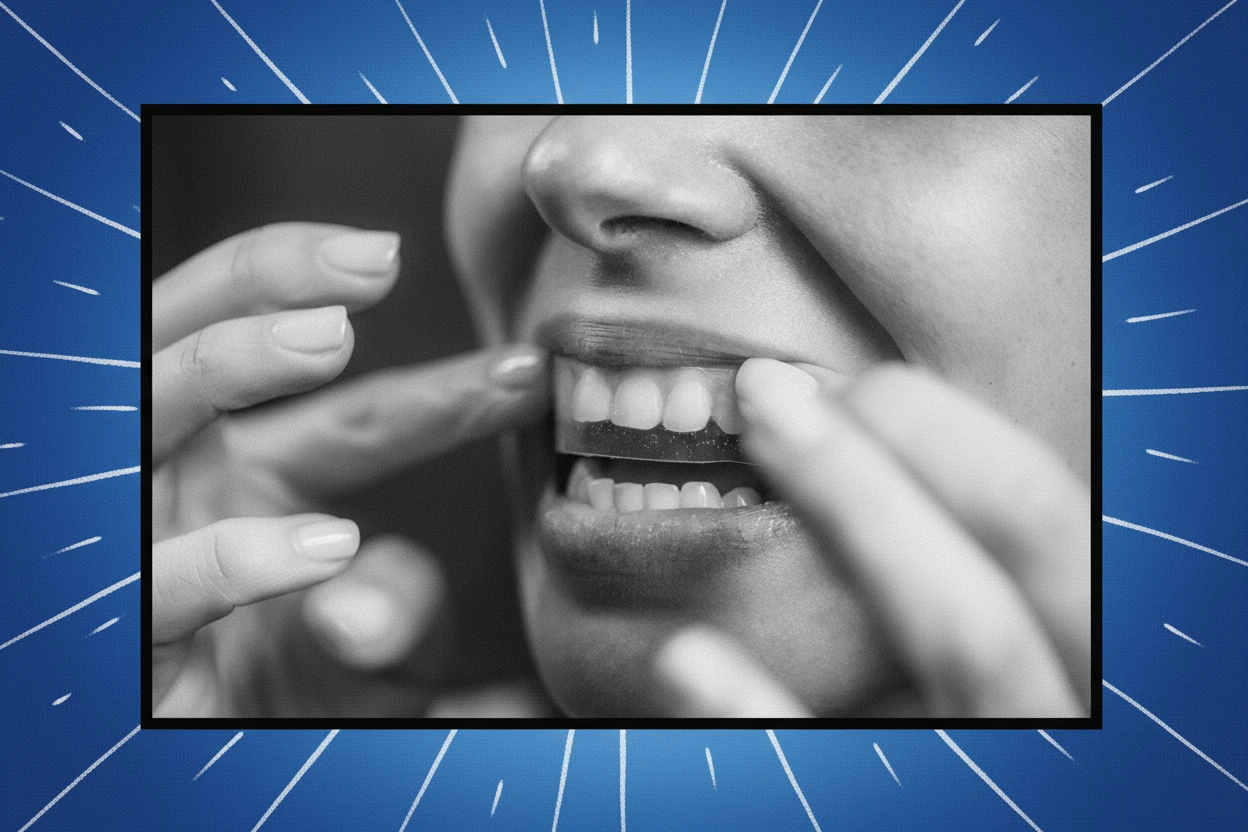
Hair removal is a common cosmetic and medical concern, with millions seeking effective long-term solutions worldwide. Among the most popular methods, electrolysis and laser hair removal stand out for their lasting results and clinical backing1. While laser hair removal has gained popularity as a faster and often more affordable option, electrolysis remains the only FDA-backed permanent hair removal technique suitable for all hair and skin types2. Understanding the differences between these methods helps individuals choose the best option for their needs3.
Electrolysis Hair Removal Explained
Electrolysis is a permanent hair removal method that targets individual hair follicles by inserting a thin metal needle into each follicle and delivering a low-level electrical pulse1. This electrical current can be galvanic (chemical), thermolytic (heat), or a blend of both, which destroys the follicle’s growth cells and prevents hair regrowth4. Because electrolysis treats follicles one by one, it is especially precise and suitable for small or sensitive areas such as the face4.
Electrolysis works effectively on all hair colors and skin types, including blonde, gray, red hair, and darker skin tones, making it a versatile option5. Patients typically experience mild discomfort during treatment, described as heat or pinching sensations, which are usually transient4. Multiple sessions spaced weeks apart are required to achieve permanent hair removal, often ranging from 12 to 30 sessions over several months or even up to 18 months depending on hair density and treatment area61.
- Electrolysis delivers electrical current directly into each hair follicle to stop new hair growth4.
- It permanently destroys hair follicles by damaging the cells responsible for hair regeneration4.
- Suitable for all skin tones and hair colors, including light or gray hair5.
- Treatment sessions last 15 to 60 minutes and are spaced about one month apart1.
- Mild discomfort such as redness, swelling, or dark spots may occur but typically resolve quickly4.
“This method is safe to target hair follicles near sensitive areas and is very precise. After many repeated treatments, electrolysis results in permanent hair removal.”
— Zain Husain, New Jersey Dermatology Center1
Laser Hair Removal Explained
Laser hair removal uses selective photothermolysis, a process where laser light targets melanin (pigment) in hair follicles, heating and damaging them without harming surrounding skin7. The heat disrupts the follicle’s growth cycle, leading to long-term hair reduction but not always permanent removal2. Laser treatment is most effective for individuals with dark hair and lighter skin because the laser energy is absorbed primarily by melanin7.
Recent advances in laser technology have expanded treatment options for darker skin tones, making laser hair removal more accessible to a wider population8. Typically, about six to eight sessions are needed to target hair during its active growth phase for optimal results7. Discomfort during laser treatment varies but is generally mild and can be managed with topical anesthetics applied before the procedure9.
- Laser hair removal directs laser light at hair follicles to reduce hair growth by damaging follicle cells7.
- It works best on dark brown or black hairs and lighter skin tones1.
- Multiple sessions (usually six to eight) are required to target hairs in the growth phase7.
- Side effects include mild pain, redness, swelling, and temporary pigmentation changes7.
- Topical anesthetics can be used to reduce discomfort during treatment9.
💡 Did You Know? Electrolysis uses a thin metal probe to deliver a low-level electrical pulse to each undesired hair follicle and stops new hair growth. After many repeated treatments, electrolysis results in permanent hair removal1.
Electrolysis vs Laser Hair Removal: Key Differences
| Feature | Electrolysis | Laser Hair Removal |
|---|---|---|
| Permanence | Permanent follicle destruction42 | Long-term hair reduction, not always permanent2 |
| Treatment Areas | Small, precise areas; effective on all skin/hair types45 | Larger areas; best for light skin with dark hair78 |
| Best Candidates | All hair colors and skin tones5 | Dark hair and fair skin preferred71 |
| Number of Treatments | 12–30 sessions over months, up to 18 months61 | About 6–8 sessions spaced weeks apart71 |
| Cost | Higher overall cost for large areas10 | Generally more affordable and faster1110 |
| Downtime | Mild redness, swelling; longer recovery possible4 | Mild redness, swelling; resolves in 1–3 days7 |
Permanence
Electrolysis is the only FDA-approved permanent hair removal method because it destroys each hair follicle individually, preventing regrowth2. Laser hair removal offers long-lasting hair reduction but may require maintenance treatments as some hair can regrow, often finer and less dense122.
Treatment Areas
Electrolysis is preferred for small, precise areas such as the face or sensitive zones because of its follicle-by-follicle approach4. Laser hair removal is more practical for larger body areas like legs, back, or chest due to its ability to treat multiple follicles simultaneously1210.
Best Candidates
Electrolysis works effectively for all hair colors and skin tones, including blonde, gray, or red hair, and darker skin types5. Laser hair removal is most effective for individuals with dark hair and light skin because the laser targets melanin in hair follicles71.
Number of Treatments To See Results
Electrolysis requires many sessions, often weekly or bi-weekly, totaling 12 to 30 treatments over several months or up to 18 months for complete removal61. Laser hair removal typically needs about six to eight sessions spaced 4 to 6 weeks apart to target hairs in the active growth phase71.
Cost
Laser hair removal is generally faster and more affordable, especially for large areas1110. Electrolysis can be more expensive and time-consuming, with costs rising significantly for large treatment areas due to the individual follicle treatment approach10.
Downtime
Both methods cause mild, transient side effects such as redness and swelling. Electrolysis may cause localized irritation or pigmentation changes that can last longer, while laser side effects usually resolve within a few days74.
“With electrolysis, one of the big differences is you have to go into each individual hair follicle and take that hair out. That’s very time consuming. And from my understanding, with electrolysis you need to go more frequently, too.”
— Amanda B., Milan Laser10
Side Effects and Potential Risks
Both electrolysis and laser hair removal are generally safe when performed by trained professionals, with mild and transient side effects76. However, each method carries specific risks:
- Electrolysis side effects include redness, swelling, mild discomfort, and possible skin discoloration or dark spots4.
- There is a risk of infection or scarring if sterile technique is not followed during electrolysis2.
- Laser hair removal side effects include redness, swelling, mild pain, and temporary pigmentation changes such as hyperpigmentation or hypopigmentation7.
- Rare but serious laser risks include burns, scarring, and permanent pigmentation changes, especially if performed by untrained personnel713.
- Laser treatment can trigger herpes simplex outbreaks in susceptible individuals7.
Post-treatment care is important for both methods to minimize irritation and complications. This includes avoiding sun exposure, sweating, and makeup for at least 24 hours after treatment4.
Electrolysis or Laser: Which Is Better for You?
Skin or Hair Type
Hair and skin characteristics are key factors in selecting the best hair removal method. Electrolysis is effective regardless of hair color or skin tone, making it suitable for people with darker skin or light-colored hair5. Laser hair removal is most effective for individuals with dark hair and fair skin but newer technologies have improved safety for darker skin tones8.
Desired Results
If permanent hair removal is the goal, electrolysis is the preferred option because it destroys hair follicles permanently4. Laser hair removal provides long-lasting reduction but may require maintenance treatments over time12. For quick results over large areas, laser hair removal is more practical3.
Cost Comparison
Laser hair removal generally costs less per session and requires fewer sessions for large areas, making it more affordable overall11. Electrolysis can become costly and time-consuming, especially for extensive areas, due to the need for multiple lengthy sessions10.
- Consider your hair and skin type before choosing6.
- Electrolysis is better for light, gray, or red hair and darker skin tones5.
- Laser hair removal is faster and more affordable for large areas with dark hair and light skin11.
- Permanent removal favors electrolysis; long-term reduction favors laser412.
- Consult a dermatologist to assess risks, especially if prone to scarring4.
Alternative Hair Removal Options
Temporary hair removal methods remain popular for their convenience and low upfront cost but require frequent maintenance and carry risks of skin irritation76. These include:
- Shaving: Cuts hair at the skin surface; quick but hair regrows rapidly7.
- Waxing: Removes hair from the root using hot wax; results last longer but can cause irritation7.
- Depilatory creams: Chemically dissolve hair at the skin surface; easy but may irritate sensitive skin7.
- Tweezing and threading: Pluck hair from the root; precise but time-consuming and may cause ingrown hairs7.
These methods do not provide permanent results and may lead to side effects such as razor bumps, ingrown hairs, or skin irritation7.
Electrolysis vs Laser Hair Removal Summary and Takeaways
- Electrolysis is the only FDA-approved permanent hair removal method, effective on all hair and skin types, but requires many sessions and can be time-consuming24.
- Laser hair removal offers long-lasting hair reduction, works best on dark hair and light skin, and is faster and more affordable for large areas7111.
- Both methods have mild, transient side effects when performed by trained professionals; risks increase with untrained providers713.
- Choosing the right method depends on hair and skin type, desired permanence, treatment area size, cost, and tolerance for treatment duration65.
-
Consultation with a dermatologist or qualified specialist is recommended to optimize safety and results46.
-
Electrolysis permanently destroys hair follicles using electrical current4.
- Laser hair removal uses laser light absorbed by melanin to damage follicles and reduce hair growth7.
- Electrolysis is suited for small, precise areas and all hair colors; laser is better for larger areas with dark hair and light skin57.
- Side effects are generally mild but differ slightly between methods74.
- Cost and treatment time vary significantly between the two, influencing patient preference1110.