The holiday season often brings joy and celebration but can also pose significant challenges for people managing diabetes. Nearly half of adults with type 2 diabetes report that managing their condition during the holidays is more difficult than at other times of the year due to disruptions in routine and increased stress1. Careful planning and mindful strategies are essential to maintain blood sugar control and enjoy the festivities safely2.
Managing Holiday Stress with Diabetes
Stress during the holidays can directly and indirectly affect diabetes management. Physiologically, stress elevates hormones like adrenaline and cortisol, which counteract insulin and raise blood glucose levels2. Indirectly, stress can disrupt sleep and lead to overeating or poor food choices, further complicating blood sugar control2.
Setting realistic expectations and embracing flexibility can help reduce stress. Perfection is not the goal; instead, focus on what is within your control and accept that your body's response to food and stress may vary day to day2. Support from family and friends is also crucial, as open communication can alleviate pressure and foster a supportive environment1.
Tips to manage holiday stress with diabetes:
- Recognize that stress hormones can raise blood sugar and plan coping strategies accordingly2.
- Practice relaxation techniques such as meditation, deep breathing, or yoga to reduce stress levels3.
- Set realistic goals for holiday eating and activity, avoiding the trap of expecting perfection2.
- Share your diabetes management needs with family and friends to gain support1.
- Prioritize adequate sleep, as even one night of disrupted sleep can increase insulin resistance2.
“Stress can affect diabetes management directly and indirectly. Directly, stress boosts levels of hormones such as adrenaline and cortisol that counteract the effect of insulin and raise blood sugar. Indirectly, stress also can interfere with sleep or lead to overeating.”
— Cecilia Low Wang, MD2
Maintaining Your Diabetes Routine
Maintaining a consistent routine during the holidays is vital for stable blood glucose control. Disruptions in meal timing, medication schedules, and sleep can lead to fluctuations in blood sugar3. Skipping meals to "save room" for a big holiday feast is discouraged because it can cause hypoglycemia (low blood sugar) and subsequent overeating, resulting in blood sugar spikes2.
Planning ahead by eating balanced meals at regular times helps prevent extreme hunger and maintains medication effectiveness4. Using tools like the Diabetes Plate method—filling half the plate with non-starchy vegetables, a quarter with lean protein, and a quarter with carbohydrates—can guide portion control and meal balance5.
Strategies to maintain your diabetes routine during holidays:
- Eat meals and snacks at usual times to keep blood sugar steady6.
- Avoid skipping meals to prevent blood sugar dips and overeating later2.
- Use smaller plates to help control portion sizes and avoid overconsumption2.
- Bring a healthy dish to gatherings to ensure diabetes-friendly options are available5.
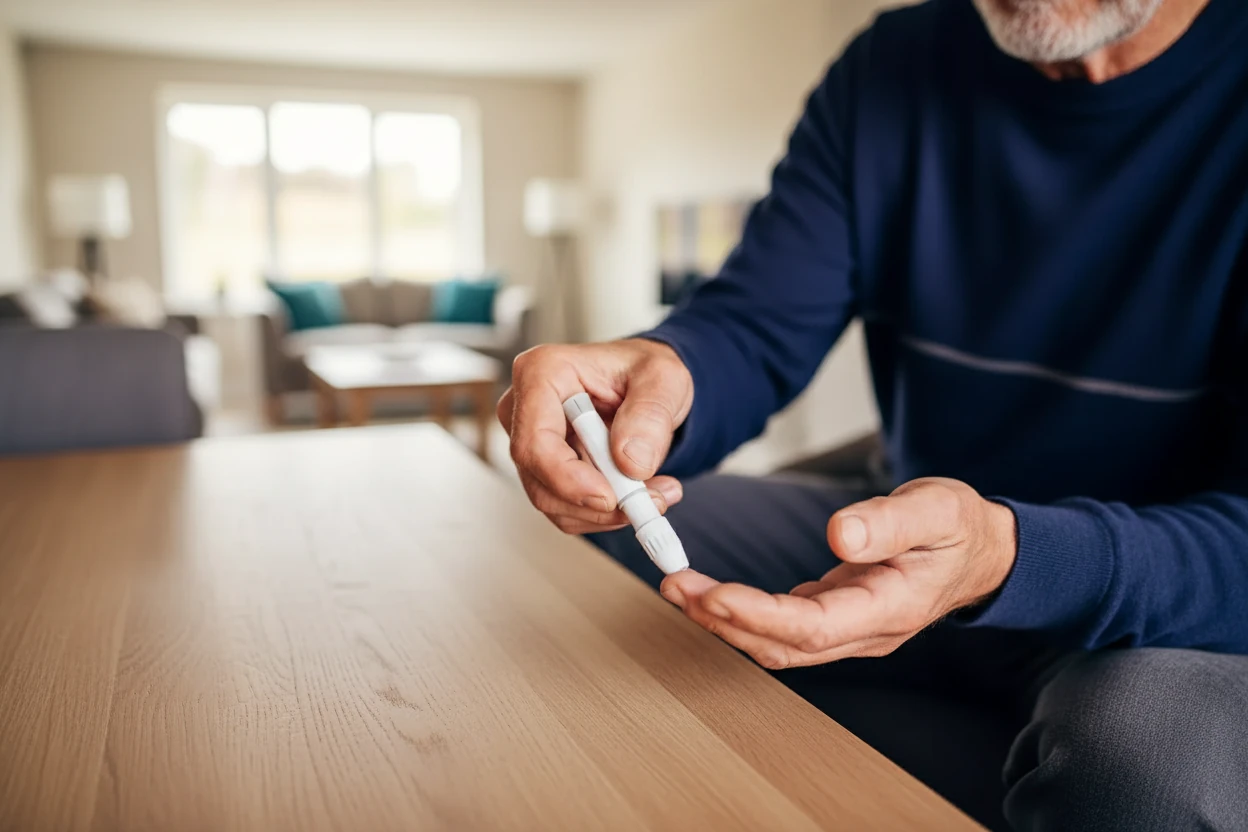
- Monitor blood glucose levels more frequently during the holidays to detect changes early7.
“Between traveling, stress, and disruption of usual routines, diabetes management over the holidays can be particularly challenging.”
— Jacqueline Lonier, MD3
Incorporating Physical Activity
Physical activity is a powerful tool for managing diabetes, especially during the holiday season when indulgences are common. Exercise improves insulin sensitivity, helps regulate blood glucose, supports heart health, and reduces stress7. Even short bouts of activity, such as a 10-minute walk after a meal, can help stabilize blood sugar levels6.
Staying active also counters the sedentary behaviors often associated with holiday travel and gatherings. Engaging family and friends in physical activities can make exercise enjoyable and social7.
Ways to incorporate physical activity during the holidays:
- Take a walk after holiday meals to aid digestion and blood sugar control2.
- Participate in traditional holiday activities like touch football or dancing7.
- Use a pedometer or fitness tracker to monitor daily steps and stay motivated7.
- Schedule physical activities with friends or family to combine social time with exercise7.
- Stand up and move regularly during long travel or sedentary periods2.
Staying active during the holidays helps your body use insulin more effectively and supports overall diabetes management. Even small amounts of movement after meals can make a significant difference in blood sugar control.67
Mindful Eating and Drinking During Holidays
Mindful eating—being fully aware of hunger cues and food choices—can prevent mindless overeating common at holiday gatherings5. Scoping out all food options before plating helps prioritize nutrient-dense foods like non-starchy vegetables and lean proteins while limiting starchy sides and sweets2.
“I think the one way to lose control is to assume that you can control everything when you're living with diabetes.”
— Melissa Magwire, Certified Diabetes Education and Care Specialist2
Portion control is critical; using smaller plates or limiting portions to the size of your fist can help manage intake2. The American Diabetes Association recommends limiting sugar-sweetened beverages and practicing portion control to support glycemic control5.
Alcohol requires special caution as it can both raise and lower blood sugar levels. Beer and sweetened mixed drinks contain carbohydrates that raise blood sugar, while alcohol itself can inhibit liver glucose production, leading to delayed hypoglycemia2. Testing blood glucose before, during, and after drinking is advised.
Mindful eating and drinking tips for the holidays:
- Fill half your plate with non-starchy vegetables to increase fiber and reduce carb load5.
- Choose whole grains over refined grains when possible to lower glycemic impact3.
- Eat slowly and savor each bite to recognize fullness cues and avoid overeating6.
- Limit sugary drinks and opt for water, unsweetened tea, or flavored water without added sugars5.
- Monitor alcohol intake carefully and avoid sugary mixers; always eat food when drinking2.
Key Takeaways for Holiday Success
Successfully managing diabetes during the holidays involves a combination of planning, self-care, and flexibility. While the season can be challenging, adopting practical strategies can help maintain blood sugar control and reduce stress.
- Plan meals and snacks ahead to avoid surprises and maintain routine3.
- Communicate your diabetes needs with family and friends for support1.
- Practice mindful eating and portion control to prevent blood sugar spikes5.
- Stay physically active to improve insulin sensitivity and reduce stress7.
- Manage stress through relaxation techniques and realistic expectations2.
Remember, holidays are about more than food—they are opportunities to connect with loved ones and create joyful memories while managing your health effectively6.