The JN.1 COVID-19 variant has rapidly become the most widely circulating strain in the United States, accounting for over 80% of cases by early 20241. This surge coincides with the typical seasonal rise in respiratory infections during the holiday season, driven by increased indoor gatherings and travel2. While JN.1 spreads quickly, current data show it does not cause more severe illness than previous variants, though its mutations allow it to evade some immune defenses3.
JN.1 Variant and BA.2.86 Similarities
The JN.1 variant is a descendant of the Omicron lineage BA.2.86, also known as "Pirola," which first appeared in mid-20234. JN.1 shares many spike protein mutations with BA.2.86, including key changes that enhance immune evasion and transmissibility5. One notable difference is a mutation in JN.1’s spike protein that may provide additional immune escape, although it does not appear to alter disease severity1.
JN.1 carries multiple mutations such as L455S and F456L in the spike protein, which confer growth advantages by improving the virus’s ability to infect cells and evade antibodies67. These mutations contribute to JN.1’s rapid spread across countries including the U.S., England, and India, where it has reached over 30% prevalence in sequenced cases by early 202489. Despite these changes, clinical outcomes like hospitalization and mortality rates remain similar to other Omicron subvariants1011.
The World Health Organization (WHO) has classified JN.1 as a "variant of interest," recognizing its potential impact on public health while noting that current vaccines continue to protect against severe disease caused by this variant312. Surveillance efforts remain crucial to monitor JN.1’s genetic diversity and to detect emerging sublineages that may affect transmissibility or immune escape1314.
| Feature | BA.2.86 (Pirola) | JN.1 Variant |
|---|---|---|
| First Detected | August 2023 | September 2023 |
| Spike Protein Mutations | ~30 mutations including immune evasion sites4 | Shares many BA.2.86 mutations plus L455S, F456L enhancing immune escape67 |
| Transmissibility | Moderate | Increased compared to BA.2.86 due to additional mutations1 |
| Disease Severity | Baseline Omicron severity | Similar to other Omicron subvariants1011 |
| WHO Classification | Variant of Interest (parent lineage) | Variant of Interest (separate designation)3 |
💡 Did You Know?
The holiday season, with increased international travel, further complicates containment efforts. With the persistent evolution of SARS-CoV-2, vigilance remains essential to control spread2.
JN.1 Role in Current COVID Surge
JN.1 has been a major driver of the recent increase in COVID-19 cases in the U.S. and other countries89. After its initial detection in September 2023, JN.1’s share of COVID-19 cases rose from 3.5% in mid-November to over 85% by late January 2024, according to CDC estimates114. This rapid dominance reflects the variant’s enhanced transmissibility and immune evasion capabilities.
However, the surge in COVID-19 cases during the holiday season cannot be attributed solely to JN.1. Seasonal factors such as colder weather, increased indoor gatherings, and waning immunity from prior vaccinations or infections also play significant roles1516. Regional differences in case rates highlight the impact of varying immunity levels and public health behaviors across communities17.
“We have a lot of disease out there. People should continue to be careful. Get the bivalent booster, try to avoid high-risk settings. If you can't, then I think you should wear a mask.”
— Mark Rupp, MD, Nebraska Medicine23
Clinical data indicate that JN.1 infections generally cause symptoms similar to previous Omicron variants, with no evidence of increased severity or unique clinical features10114. Some reports suggest a possible increase in gastrointestinal symptoms like diarrhea, but this remains unconfirmed4. Hospitalization and mortality rates have not risen disproportionately with JN.1’s spread11.
Updated vaccines targeting JN.1 and related subvariants have been authorized to address waning immunity and variant evolution1819. Despite vaccine availability, booster uptake remains low, which may contribute to ongoing transmission207. Antiviral treatments such as Paxlovid remain effective against JN.1 and are recommended, especially for high-risk individuals4.
- JN.1 became dominant in the U.S. within months of its detection, accounting for up to 88% of cases by January 20241.
- The variant’s mutations enable it to evade immunity from older vaccines and prior infections67.
- Clinical severity remains comparable to other Omicron subvariants, with no increase in hospitalizations or deaths1011.
- Seasonal factors and behavioral changes also contribute to the current COVID-19 surge1516.
- Updated vaccines and antivirals remain critical tools to reduce severe outcomes184.
Holiday Season COVID Safety Tips
“I would say the most important thing for people to know is that the virus is out there, as are respiratory syncytial virus [RSV] and the flu. Any new subvariant is a sign that the SARS-CoV-2 virus is still evolving; it’s still here with us, and we can’t ignore it.”
— Heidi Zapata, MD, PhD, Yale Medicine1
The holiday season typically sees a rise in COVID-19 cases due to increased indoor gatherings, travel, and seasonal respiratory virus circulation152. The rapid rise of the JN.1 variant during this period adds complexity to containment efforts but does not solely explain the surge in hospitalizations or deaths11.
Public health experts emphasize the importance of layered prevention strategies to reduce transmission and severe outcomes during the holidays21. Vaccination, including updated boosters targeting JN.1 and other variants, remains the most effective defense against severe COVID-191822. However, booster uptake is currently suboptimal, and mask usage in public spaces is limited, increasing transmission risk2023.
Key safety measures for the holiday season include:
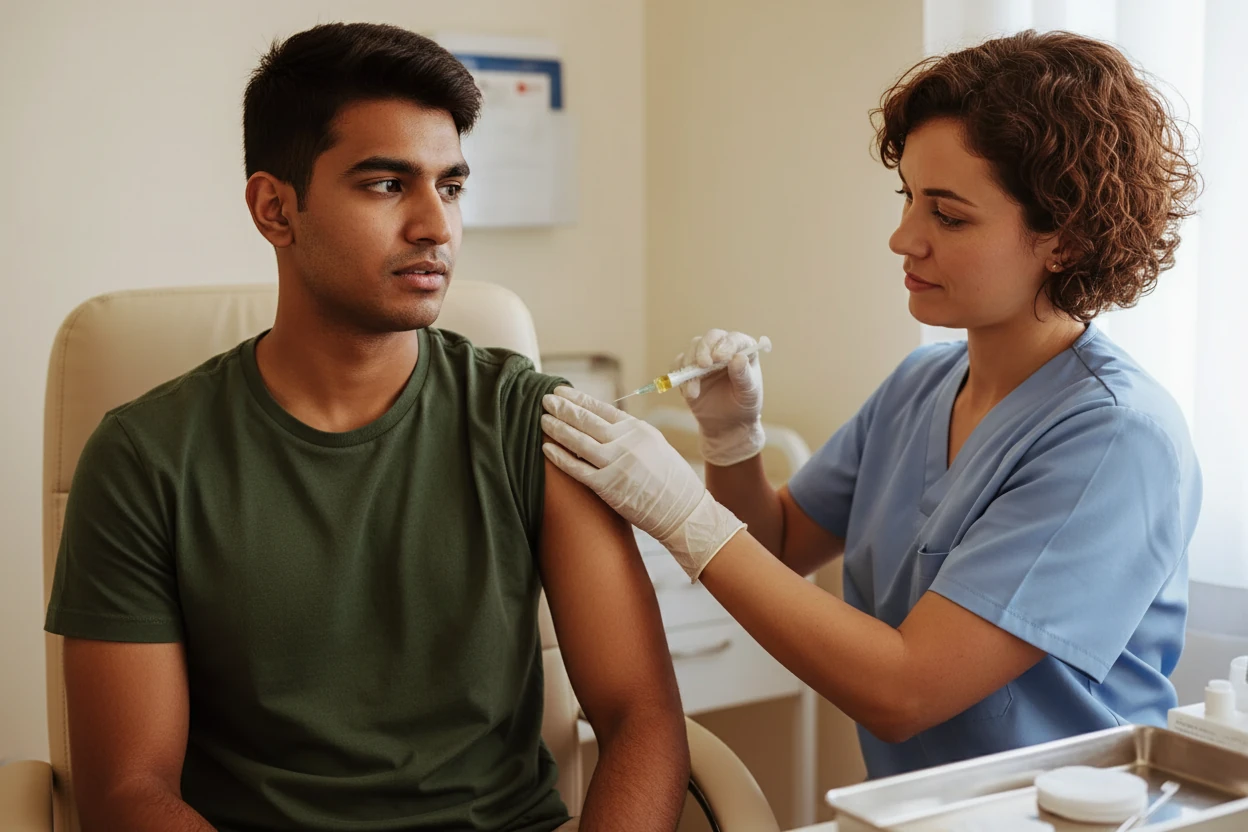
- Get vaccinated and boosted: Updated COVID-19 vaccines are authorized for everyone aged 6 months and older to restore waning immunity and reduce severe disease risk1822.
- Wear masks in crowded indoor spaces: Masking helps reduce airborne transmission, especially in poorly ventilated areas2123.
- Avoid close contact with symptomatic individuals: Staying away from people showing signs of illness helps prevent spread21.
- Practice good hygiene: Frequent handwashing and respiratory etiquette remain important23.
- Improve indoor ventilation: Opening windows or using air filters reduces viral load in enclosed spaces21.
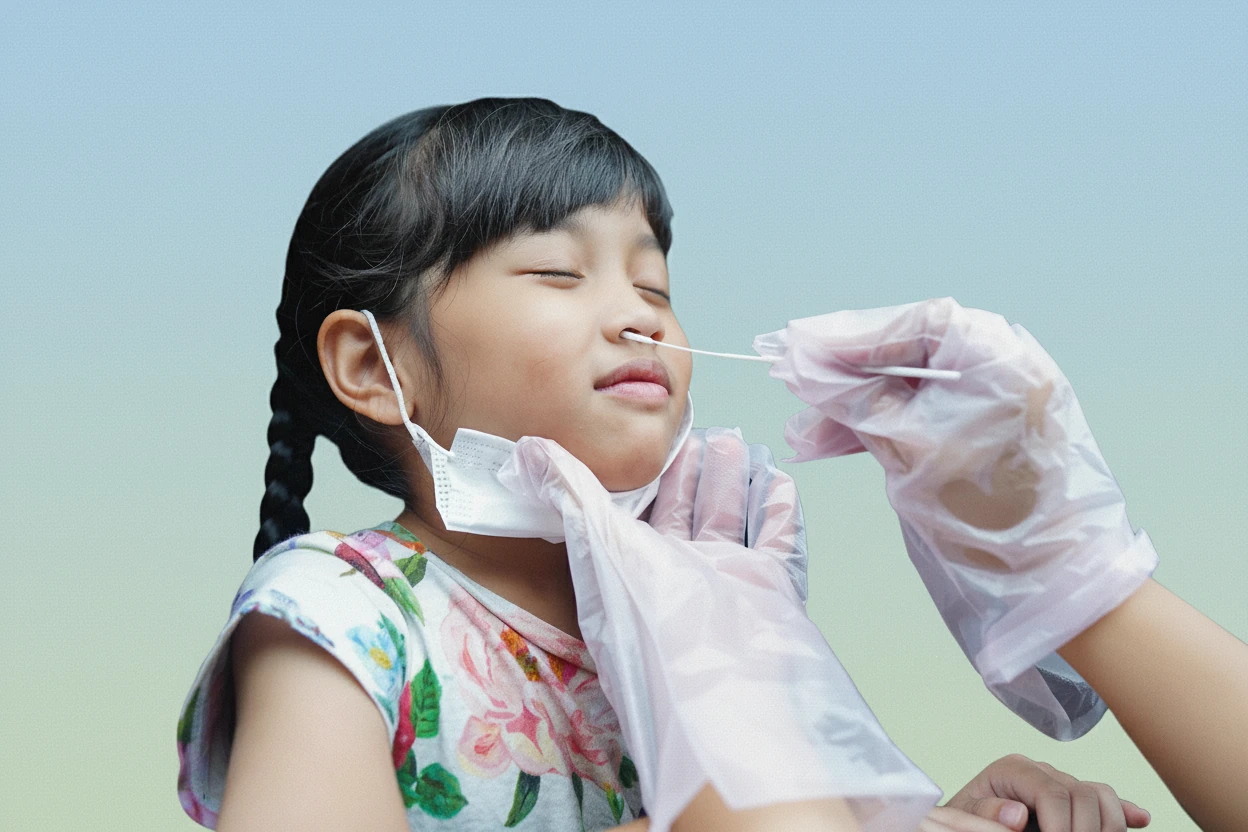
Regional differences in immunity and public health behaviors influence local case rates, underscoring the need for community-tailored approaches17. Testing remains essential to identify infections early and enable timely antiviral treatment, which is most effective when started within five days of symptom onset4.