Cataract surgery is one of the most common surgical procedures worldwide, performed to remove the cloudy lens of the eye and restore clear vision1. Each year, millions of people undergo this outpatient surgery, which typically results in significant visual improvement and enhanced quality of life12. Advances in surgical techniques and intraocular lens (IOL) technology have made cataract surgery safer and more effective than ever before34.
Cataract Surgery Indications
Cataracts cause the natural lens of the eye to become cloudy, leading to blurred or hazy vision that interferes with daily activities2. Surgery is usually recommended when cataracts cause significant visual impairment affecting tasks such as reading, driving, or recognizing faces5. Common symptoms prompting surgery include:
- Seeing halos or colored rings around lights62
- Increased glare and light sensitivity, especially in bright conditions or at night72
- Difficulty reading small print or performing near-vision tasks62
- Frequent changes in eyeglass prescriptions indicating worsening lens opacity62
- Decreased visual acuity that limits independence and safety89
The timing of surgery is individualized, balancing symptom severity with patient needs and lifestyle810. Careful monitoring allows safe delay of surgery without increasing surgical complexity or risk810. Cataract surgery not only improves vision but also reduces the risk of falls, particularly in older adults9.
Cataract Surgery Procedures
There are several surgical techniques to remove cataracts, each with its own indications and methods. The choice depends on the cataract’s characteristics, ocular health, and surgeon expertise.
Phacoemulsification
Phacoemulsification is the most common and standard cataract surgery technique worldwide due to its safety and rapid recovery53. During this procedure, a small corneal incision is made to insert a phaco probe5. Ultrasound energy emulsifies (breaks up) the cloudy lens, which is then suctioned out5. The incision is typically self-sealing and does not require sutures5. After lens removal, an intraocular lens (IOL) is implanted into the preserved lens capsule5.
Intracapsular Cataract Extraction (ICCE)
ICCE involves removing the entire natural lens along with its surrounding capsule as a single unit4. This technique is rarely performed today and is reserved for complex cases such as lens dislocation or severe trauma4. Because the lens capsule is removed, aphakic glasses or secondary IOL implantation are required to correct vision5. ICCE carries a higher risk of complications and is generally avoided when possible4.
Extracapsular Cataract Extraction (ECCE)
ECCE requires a larger incision than phacoemulsification to remove the lens nucleus in one piece while preserving the posterior capsule5. The intact capsule supports the placement of the IOL5. ECCE is used in cases where phacoemulsification is not feasible, such as very dense cataracts or certain ocular conditions5. Sutures are usually needed to close the larger incision5.
Laser-Assisted Surgery
Laser-assisted cataract surgery is an emerging technology that combines femtosecond laser precision with traditional surgical techniques3. The laser creates corneal incisions and opens the lens capsule with high accuracy3. It may improve the precision of lens fragmentation and IOL placement3. While promising, laser-assisted surgery is not yet the standard of care and may not be suitable for all patients3.
Intraocular Lens (IOL) Options
Intraocular lenses (IOLs) are artificial lenses implanted during cataract surgery to replace the natural cloudy lens. Advances in IOL technology allow customization based on patient visual needs, lifestyle, and ocular health43.
- Monofocal IOLs: These lenses provide clear vision at one fixed distance, usually set for distance vision. Patients typically require glasses for near tasks such as reading511.
- Multifocal IOLs: Designed with multiple focal points, these lenses provide vision at near, intermediate, and far distances, reducing dependence on glasses511.
- Accommodative IOLs: These lenses use the eye’s natural muscle movements to change focus dynamically, mimicking natural accommodation for multiple distances511.
- Toric IOLs: Specifically designed to correct preexisting corneal astigmatism, toric lenses improve uncorrected distance vision and reduce the need for glasses511.
- Light-Adjustable Lenses (LAL): A newer monofocal IOL type that can be fine-tuned after surgery using light treatments to correct residual refractive errors211.
IOL selection depends on factors such as lifestyle, visual priorities, ocular health, and financial considerations since premium lenses may not be covered by insurance511.
| IOL Type | Vision Correction | Glasses Needed? | Notes |
|---|---|---|---|
| Monofocal | Single distance (usually distance) | Yes, for near tasks | Most common, covered by insurance511 |
| Multifocal | Near, intermediate, and far | Reduced | May cause glare or halos511 |
| Accommodative | Dynamic focusing at multiple distances | Reduced | Mimics natural accommodation511 |
| Toric | Astigmatism correction | Reduced | For patients with corneal astigmatism511 |
| Light-Adjustable | Adjustable after surgery | Depends on adjustment | Customizable postoperatively211 |
Preparing for Cataract Surgery
Before surgery, a thorough preoperative assessment is essential to ensure optimal outcomes and safety125. This includes:
- Comprehensive ocular examination to evaluate eye health and detect comorbidities such as dry eye disease12.
- Biometric measurements (axial length, corneal curvature) to calculate the appropriate IOL power5.
- Discussion of current medications, especially anticoagulants, to manage bleeding risk5.
- Prescription of antibiotic eye drops before surgery to reduce infection risk5.
- Instructions on eyelid hygiene to lower bacterial load5.
- Guidance on fasting if sedation or general anesthesia is planned5.
- Arranging transportation home after surgery due to temporary vision impairment4.
Patients should communicate openly with their ophthalmologist about any concerns and follow all preoperative instructions carefully13.
Cataract Surgery Procedure Steps
💡 Did You Know? Cataract surgery is one of the safest and most common surgeries worldwide, with over 20 million procedures performed annually1.
Cataract surgery is typically an outpatient procedure lasting 20 to 30 minutes5. The steps include:
- Anesthesia: The eye is numbed with topical anesthetic eye drops, sometimes combined with sedation to relax the patient514.
- Incision: A small corneal incision is made, usually self-sealing and not requiring sutures5.
- Lens Removal: In phacoemulsification, ultrasound energy breaks up the cloudy lens, which is then aspirated5. In ECCE or ICCE, the lens is removed in one piece through a larger incision45.
- IOL Implantation: The artificial lens is inserted into the preserved lens capsule and unfolds to fill the space5.
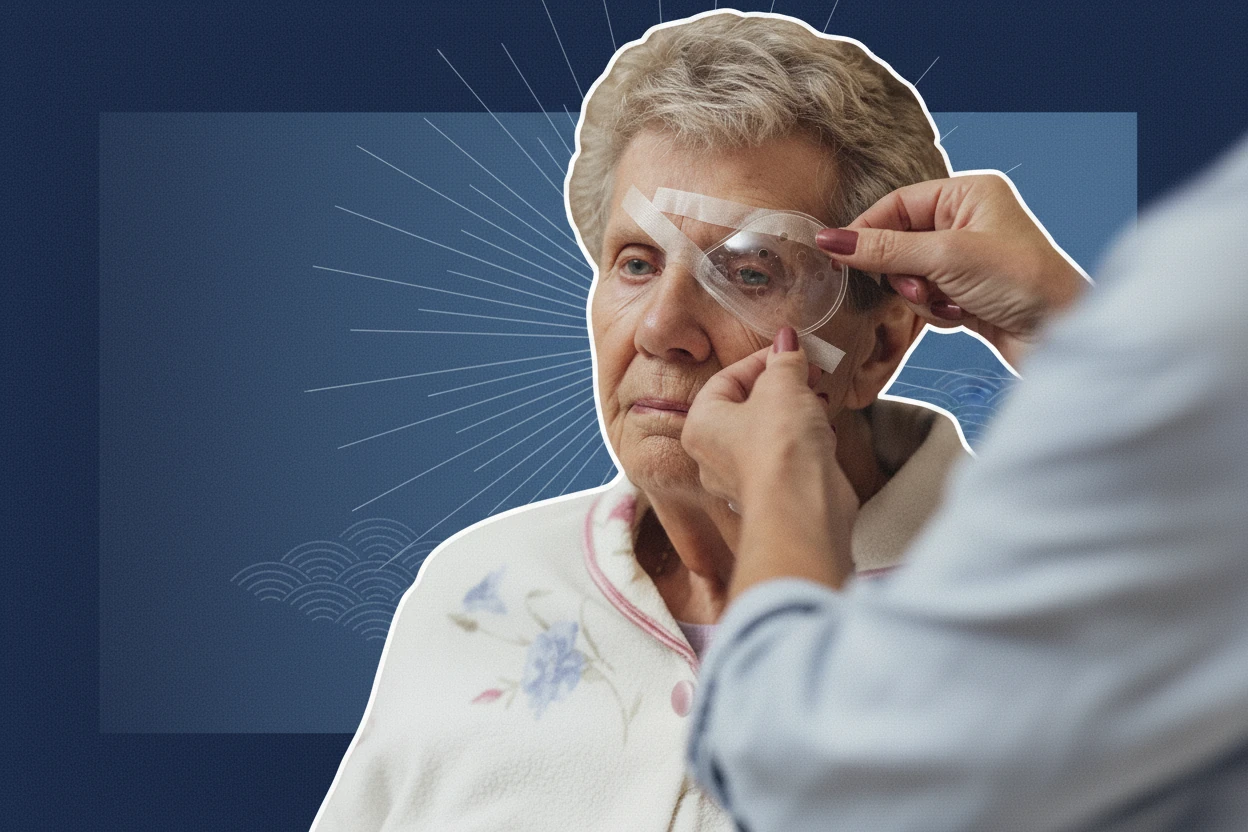
- Protection: A shield or patch is placed over the eye to protect it during initial healing5.
Surgery is usually performed on one eye at a time, with the second eye scheduled weeks later to monitor recovery4.
Cataract Surgery Recovery Timeline
Recovery from cataract surgery typically spans 2 to 4 weeks, with most visual improvement noticeable within days52. Key aspects of recovery include:
- Initial rest in a recovery area for 15 to 30 minutes post-surgery5.
- Follow-up visits scheduled the day after surgery, one week later, and about one month afterward to monitor healing and visual acuity515.
- Use of prescribed antibiotic and anti-inflammatory eye drops to prevent infection and reduce inflammation5.
- Wearing an eye shield while sleeping for several days to protect the eye5.
- Avoiding rubbing the eye, strenuous activities, heavy lifting, and exposure to water or soap in the eye during recovery5.
- Mild discomfort, itching, and light sensitivity are common but usually resolve within a few days5.
- Final eyeglass prescription is typically determined 1 to 3 months after surgery once healing is complete52.
Patients should immediately contact their ophthalmologist if they experience severe pain, vision loss, increased redness, or flashes and floaters54.
“Cataract surgery restores vision in most people who have the procedure, significantly improving quality of life.”
— Mayo Clinic23
Cataract Surgery Risks and Complications
Although cataract surgery is very safe, some risks and complications can occur. These include:
💡 Did You Know? Posterior capsule opacification, the most common late complication, can be treated quickly with a YAG laser to restore clear vision19.
- Infection (endophthalmitis), which is rare but serious416.
- Inflammation and swelling of the cornea or retina517.
- Increased intraocular pressure shortly after surgery18.
- Posterior capsule opacification (PCO), a common late complication causing cloudy vision in up to 50% of patients194.
- IOL dislocation or movement from its proper position420.
- Retinal detachment, though rare, requires urgent treatment416.
- Visual disturbances such as glare, halos, or shadows2122.
PCO is treated effectively with a quick, painless outpatient YAG laser capsulotomy that restores clear vision194.
Postoperative care focuses on infection prevention, inflammation control, and eye protection. Patients are advised to avoid strenuous activities and follow all postoperative instructions carefully54.
Cataract Surgery Summary
Cataract surgery is a highly effective procedure to remove the cloudy lens and restore vision. Phacoemulsification is the standard technique due to its safety and rapid recovery, while ICCE and ECCE are reserved for complex cases543. A variety of intraocular lenses are available to meet different visual needs, from monofocal to multifocal and toric lenses511. Proper preoperative assessment and patient education improve surgical outcomes and satisfaction13. Recovery is usually smooth, with most patients experiencing significant visual improvement within weeks52. Although risks exist, they are rare and treatable with vigilant postoperative care416.
| Aspect | Key Points |
|---|---|
| Indications | Visual impairment affecting daily activities5 |
| Surgery Type | Mainly phacoemulsification; others for complex cases54 |
| IOL Options | Monofocal, multifocal, accommodative, toric511 |
| Recovery | 2–4 weeks; follow-up visits and eye drops52 |
| Risks | Infection, PCO, IOL dislocation, retinal detachment419 |