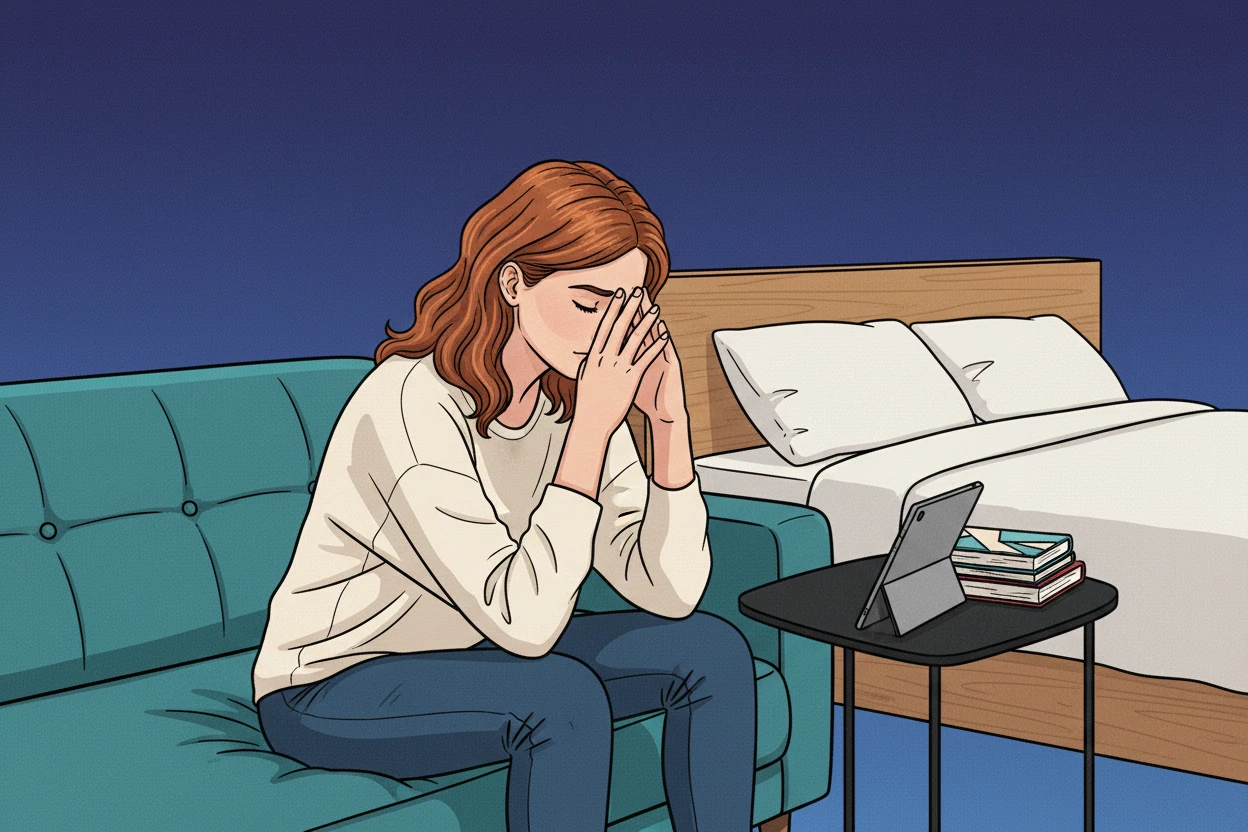
Anxiety disorders are among the most common mental health conditions worldwide, affecting millions of people and often beginning in childhood or adolescence1. These disorders involve intense, excessive, and persistent worry or fear that can interfere with daily life and cause significant distress2. Recognizing the symptoms early and understanding when to seek help can improve outcomes and quality of life2.
Recognizing Anxiety in Others
Anxiety symptoms can manifest in various ways, including excessive worrying, cognitive disturbances, physical signs, and behavioral changes. These symptoms often impair social, occupational, and physical functioning2.
Excessive Worrying
Excessive and uncontrollable worry is a hallmark of anxiety disorders, especially generalized anxiety disorder (GAD)3. This worry often focuses on multiple areas such as finances, family, health, and the future, and is disproportionate to actual threats4. While worry is a normal human experience, it becomes pathological when it is persistent and difficult to control2. Individuals with anxiety disorders may experience intrusive thoughts about catastrophic outcomes that interfere with daily functioning2.
Cognitive Symptoms
Anxiety can cause difficulty concentrating and persistent negative thoughts2. People may feel restless, irritable, or have trouble thinking about anything other than their worries5. Cognitive disturbances may include obsessive or intrusive thoughts, especially in disorders like obsessive-compulsive disorder (OCD)2. Anxiety can also impair decision-making and memory, contributing to functional impairment2.
Physical Symptoms
Anxiety often produces physical symptoms due to activation of the autonomic nervous system's fight-or-flight response6. Common physical signs include muscle tension, restlessness, sleep disturbances, increased heart rate, sweating, trembling, and gastrointestinal distress52. These symptoms can mimic medical conditions such as cardiac events, making diagnosis challenging7. Physical symptoms may also include cold or sweaty hands, dizziness, dry mouth, and paresthesias (numbness or tingling)8.
Behavioral Symptoms
Behavioral changes in anxiety include avoidance of feared situations or places, difficulty staying calm or still, and social withdrawal2. People may avoid activities that trigger anxiety, which can worsen the disorder over time2. In some cases, individuals may engage in compulsive behaviors to reduce anxiety, as seen in OCD2. Avoidance behaviors can impair social and occupational functioning2.
- Common anxiety symptoms include excessive worry, restlessness, irritability, muscle tension, sleep disturbances, and avoidance behaviors52.
Agoraphobia Symptoms and Signs
Agoraphobia is characterized by anxiety about being in situations where escape might be difficult or help unavailable29. People with agoraphobia often fear crowds, open spaces, or being alone outside the home2. The central fear is being trapped or helpless in public places2. This fear can lead to avoidance of leaving home or certain situations2.
Agoraphobic anxiety may be accompanied by dissociative symptoms such as depersonalization (feeling detached from oneself) or derealization (feeling that surroundings are unreal)2. Somatic symptoms during agoraphobic episodes include palpitations, sweating, dizziness, nausea, and gastrointestinal distress27.
- Key agoraphobia symptoms:
- Fear of situations where escape is difficult29
- Avoidance of crowds, open spaces, or being alone outside29
- Feelings of helplessness or being trapped29
- Dissociative symptoms like depersonalization or derealization29
- Physical symptoms such as palpitations, sweating, dizziness, and nausea27
Obsessive-Compulsive Disorder (OCD) Symptoms
OCD is marked by recurrent intrusive thoughts (obsessions) that cause distress and repetitive behaviors (compulsions) performed to reduce anxiety24. The symptoms vary widely but commonly include fears of contamination, checking behaviors, counting, and concerns about symmetry24. For example, contamination fears often lead to compulsive hand washing24.
Compulsions temporarily relieve anxiety but are time-consuming and interfere with daily functioning2. Patients often recognize their obsessions and compulsions as unreasonable but feel unable to stop them2. Diagnostic criteria require that these symptoms consume significant time, often more than an hour daily2. Tic disorders, such as eye blinking or throat clearing, may co-occur with OCD, especially in children2.
- Common OCD symptoms:
- Intrusive, distressing obsessions24
- Repetitive compulsive behaviors to reduce anxiety24
- Contamination fears and cleaning rituals24
- Time-consuming symptoms impairing daily life24
- Possible co-occurrence with tic disorders24
Panic Disorder Symptoms and Attacks
Panic disorder involves recurrent, unexpected panic attacks—sudden episodes of intense fear that peak within minutes710. These attacks can last up to an hour but typically reach peak intensity within 10 minutes710. Panic attacks often mimic cardiac events, leading to emergency room visits710.
Symptoms during panic attacks include palpitations, chest pain, sweating, trembling, shortness of breath, and fear of dying or losing control710. Autonomic symptoms such as chills, paresthesias (numbness or tingling), dizziness, and sensations of choking are common710. Derealization or depersonalization sensations may also occur710.
- Panic attack symptoms:
- Sudden intense fear or terror710
- Palpitations and chest pain710
- Sweating, trembling, and shortness of breath710
- Fear of dying or losing control710
- Dizziness, numbness, choking sensations710
Specific Phobia Symptoms
Specific phobias involve excessive fear of particular objects or situations that pose little or no actual danger24. Common phobias include fear of heights (acrophobia), enclosed spaces (claustrophobia), and animals24. Exposure to the feared stimulus provokes intense fear or panic, often leading to urgent escape or avoidance24.
Phobic reactions can include physiological symptoms such as increased heart rate, sweating, and panic attacks24. Avoidance behavior is typical and can significantly disrupt daily life24.
- Features of specific phobias:
- Intense, irrational fear of specific objects or situations24
- Panic or physiological symptoms on exposure24
- Avoidance of feared stimuli24
- Common phobias include heights, animals, and enclosed spaces24
Post-Traumatic Stress Disorder (PTSD) Symptoms
PTSD develops after exposure to actual or threatened death, serious injury, or sexual violence29. Symptoms cluster into intrusion (e.g., flashbacks, nightmares), avoidance (efforts to avoid trauma reminders), negative alterations in cognition and mood, and hyperarousal (e.g., exaggerated startle response)29.
"Be mindful of any tension, uneasiness, or worry. Step back from any anxiety and observe it."16
Avoidance and emotional numbing contribute to social withdrawal, while hyperarousal symptoms often impair concentration and sleep29. Persistent negative beliefs, guilt, irritability, and anger outbursts are common29. Trauma reminders can trigger distressing recollections and intense emotional reactions29.
- Core PTSD symptom clusters:
- Intrusive memories, flashbacks, nightmares29
- Avoidance of trauma-related stimuli29
- Negative changes in mood and cognition29
- Hyperarousal symptoms including irritability and sleep disturbances29
- Social withdrawal and emotional numbing29
When to Seek Medical Help
It is important to seek medical help if anxiety symptoms are persistent, severe, or interfere with daily life211. Early evaluation by a healthcare professional can prevent complications such as depression, insomnia, or substance abuse211. Anxiety disorders often co-occur with gastrointestinal problems, sleep disturbances, and mood disorders, which also warrant medical attention122.
Anxiety symptoms often include both psychological and physical manifestations that can be disabling. Recognizing these signs early and seeking help can prevent worsening of the condition and improve daily functioning.112
Seek help if you experience:
- Excessive worry that is difficult to control and disrupts work or relationships211
- Panic attacks or intense fear episodes without clear triggers211
- Avoidance of activities or places due to anxiety211
- Symptoms of depression, substance misuse, or suicidal thoughts211
- Physical symptoms that do not improve or worsen despite relaxation techniques6
Clinical assessment includes a detailed history, symptom evaluation, and laboratory tests to rule out medical conditions such as thyroid disorders that can mimic anxiety1314. Evidence-based treatments include pharmacotherapy, cognitive-behavioral therapy (CBT), or a combination of both211. Lifestyle modifications such as regular exercise, sleep hygiene, stress management, and avoiding stimulants like caffeine and nicotine are also recommended211.
Summary of Anxiety Symptoms
Anxiety disorders encompass a range of symptoms that affect thoughts, emotions, behaviors, and physical health. Recognizing these symptoms early is essential for effective treatment and improved quality of life.
| Anxiety Disorder | Core Symptoms | Duration/Timeframe | Common Physical Symptoms |
|---|---|---|---|
| Generalized Anxiety | Excessive worry, restlessness | ≥ 6 months | Muscle tension, sleep disturbance |
| Panic Disorder | Sudden intense fear (panic attacks) | Minutes to 1 hour | Palpitations, chest pain, sweating |
| Agoraphobia | Fear of unsafe places, avoidance | Chronic | Dizziness, nausea, sweating |
| OCD | Intrusive thoughts, compulsions | ≥ 1 hour/day | Anxiety relief from compulsions |
| PTSD | Intrusion, avoidance, hyperarousal | ≥ 1 month after trauma | Sleep problems, irritability |
- Anxiety symptoms include excessive worry, cognitive disturbances, physical complaints, and behavioral changes211.
- Anxiety disorders impair social, occupational, and physical functioning and reduce quality of life122.
- Early diagnosis and treatment with medication and psychotherapy improve outcomes211.
- Lifestyle changes and avoidance of stimulants can help manage symptoms211.