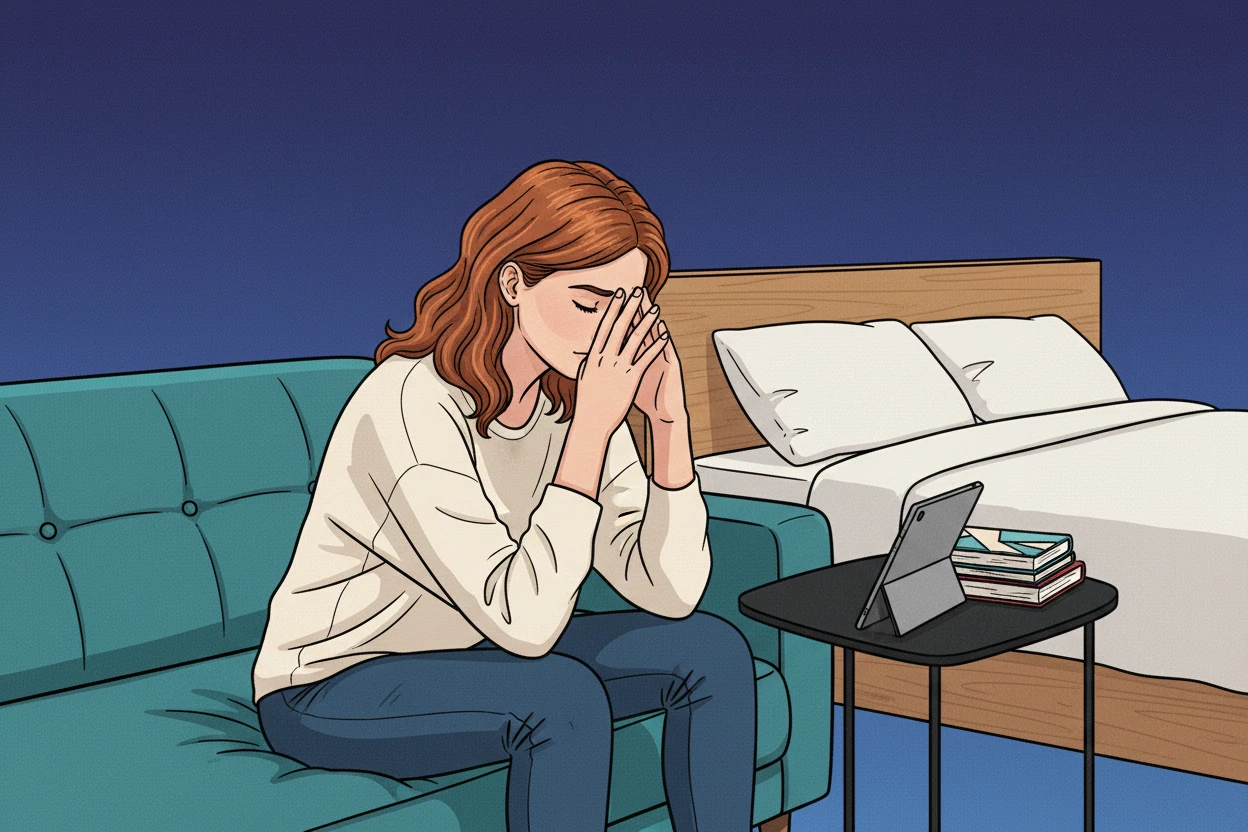
Anxiety disorders affect a significant portion of the population, with about 14% of people aged 14 to 65 experiencing symptoms within a 12-month period1. These disorders involve excessive and persistent worry or fear that can interfere with daily functioning and cause a range of physical symptoms2. Understanding the physical manifestations of different anxiety disorders is essential for early recognition, appropriate treatment, and improved quality of life3.
Generalized Anxiety Disorder Physical Symptoms
Generalized Anxiety Disorder (GAD) is characterized by excessive anxiety and worry occurring more days than not for at least six months, about various events or activities3. This chronic condition is more common in women and typically begins between the ages of 45 and 554. The physical symptoms associated with GAD reflect heightened autonomic nervous system activity and muscle tension.
Common physical symptoms of GAD include:
- Restlessness and feeling keyed up or on edge3
- Fatigue and low energy levels3
- Muscle tension, often experienced as stiffness or soreness3
- Difficulty concentrating or mind going blank3
- Irritability and increased sensitivity to stimuli3
- Sleep disturbances, such as trouble falling or staying asleep3
GAD is often accompanied by psychiatric comorbidities like major depression-7-helpful-choices">depression-reliefdepression-reliefdepression and other anxiety disorders, as well as physical comorbidities including gastrointestinal, respiratory, and thyroid disorders4. These overlapping conditions contribute to a reduced quality of life4. The persistent worry in GAD is difficult to control and disproportionate to actual circumstances, which can exacerbate physical symptoms5.
💡 Did You Know? Generalized anxiety disorder affects up to 20% of adults annually and is linked to neurotransmitter imbalances involving serotonin and noradrenaline5.
Social Anxiety Physical Symptoms
Social Anxiety Disorder (also known as social phobia) involves marked fear or anxiety about social situations where an individual may be scrutinized by others3. This disorder often begins in adolescence and is more prevalent in women3. The fear of negative evaluation leads to avoidance behaviors and significant impairment in social and occupational functioning3.
Physical symptoms commonly triggered by social situations include:
- Blushing, which is a visible reddening of the face due to increased blood flow3
- Trembling or shaking of the hands or voice3
- Sweating, especially in the palms or underarms3
- Nausea or upset stomach3
Typical anxiety-provoking social scenarios include public speaking, meeting new people, and being observed while eating or writing3. These physical symptoms result from the body's fight-or-flight response activated by perceived social threat2.
Panic Disorder Physical Symptoms
Panic Disorder is characterized by recurrent, unexpected panic attacks—sudden episodes of intense fear or discomfort that peak within minutes3. These attacks involve severe autonomic nervous system activation, which produces dramatic physical symptoms that can mimic life-threatening medical conditions7.
Typical physical symptoms during a panic attack include:
- Palpitations or pounding heart3
- Sweating and chills3
- Trembling or shaking3
- Shortness of breath or sensation of choking3
- Chest pain or discomfort3
- Nausea or abdominal distress3
- Dizziness, lightheadedness, or feeling faint3
- Numbness or tingling sensations3
- Fear of losing control or dying8
Because these symptoms resemble those of acute medical emergencies such as myocardial infarction, individuals with panic disorder often seek emergency care, leading to frequent healthcare utilization79. Panic disorder can cause significant distress and functional impairment if untreated3.
“Anxiety is a thin stream of fear trickling through the mind. If encouraged, it cuts a channel into which all other thoughts are drained.”
— Arthur Somers Roche6
Separation Anxiety Physical Symptoms
Separation Anxiety Disorder involves developmentally inappropriate and excessive anxiety concerning separation from home or attachment figures3. Although commonly associated with children, adults can also experience this disorder, which causes significant distress and impairment3.
Physical symptoms often observed include:
- Headaches and stomachaches, especially in children3
- Muscle tension and restlessness3
- Sleep disturbances such as difficulty falling asleep or nightmares related to separation3
Individuals with separation anxiety may avoid being alone or traveling without loved ones, which can interfere with daily functioning3. The physical symptoms are manifestations of the underlying anxiety and stress related to separation fears2.
When to See a Doctor
Anxiety disorders are frequently underdiagnosed and undertreated, particularly in primary care settings3. Early recognition and intervention are crucial to prevent chronicity and reduce functional impairment3. Physical symptoms such as heart palpitations, trouble breathing, and sleep problems should prompt medical evaluation to exclude serious medical conditions3.
You should see a healthcare provider if:
- Your worry or anxiety is excessive and interferes with work, relationships, or daily life2
- You find your fear or anxiety difficult to control or upsetting2
- You experience depressive symptoms or problems with alcohol or drug use alongside anxiety2
- You suspect your anxiety may be linked to a physical health problem2
- You have suicidal thoughts or behaviors2
A thorough medical evaluation is necessary to rule out underlying causes such as hyperthyroidism, cardiac arrhythmias, or substance use10. Early treatment improves outcomes and quality of life3.
Simple strategies like deep breathing, relaxation exercises, and physical activity can reduce physical symptoms triggered by anxiety, such as headaches and shortness of breath. Recognizing anxiety as the root cause helps prevent worsening symptoms and promotes effective management.11
Key Takeaways
- Generalized Anxiety Disorder involves chronic excessive worry with physical symptoms like restlessness, muscle tension, and sleep disturbances3.
- Social Anxiety Disorder causes fear of social scrutiny with symptoms such as blushing, trembling, and sweating3.
- Panic Disorder features sudden intense fear with severe physical symptoms that mimic medical emergencies3.
- Separation Anxiety Disorder causes excessive anxiety about separation, often accompanied by headaches, stomachaches, and sleep problems3.
- Early medical evaluation and treatment are essential to manage anxiety symptoms and exclude other medical conditions3.
Frequently Asked Questions
What physical symptoms are common across anxiety disorders?
Common physical symptoms include restlessness, muscle tension, increased heart rate, sweating, trembling, nausea, and sleep disturbances32.
Can anxiety symptoms mimic other medical conditions?
Yes, especially panic disorder symptoms such as chest pain and shortness of breath can resemble heart attacks, requiring careful medical assessment79.
Are anxiety disorders treatable?
Yes, anxiety disorders are treatable with a combination of psychotherapy, medication, and self-care strategies like relaxation techniques36.
Who is more likely to develop anxiety disorders?
Women are about twice as likely as men to develop anxiety disorders, and risk factors include genetics, trauma, chronic stress, and other mental health conditions412.