Anxiety disorders affect millions of people worldwide, with generalized anxiety disorder being one of the most common forms1. Regular physical activity offers a protective effect against anxiety symptoms and can improve mental health regardless of fitness level or athletic ability2. Even moderate-intensity activities performed consistently can reduce anxiety and improve emotional stability across different age groups32.
How Exercise Reduces Anxiety
Exercise reduces anxiety through multiple biological and psychological mechanisms. Physical activity protects against the onset of anxiety and helps treat symptoms in both healthy individuals and patients with anxiety-related disorders such as post-traumatic stress disorder (PTSD), agoraphobia, and panic disorder45. Adults who engage in regular exercise report fewer depressive and anxiety symptoms, supporting its protective role2.
Biologically, exercise influences depression diagnosis process and criteria chemistry by increasing neurotransmitters like serotonin and norepinephrine, which improve mood and reduce anxiety42. It also promotes adaptive responses to stress by modulating neural circuits involving norepinephrine and galanin4. Physical activity initially raises stress hormones but subsequently lowers cortisol and epinephrine levels, which are associated with reduced feelings of stress and anxiety2.
Psychologically, exercise helps reduce anxiety sensitivity by exposing individuals to physiological sensations (like increased heart rate) in a safe context, which can decrease fear of these sensations over time6. It also enhances self-efficacy by providing experiences of mastery and control, which lowers anxiety arousal6. Additionally, exercise serves as a distraction from stressors, offering a "time out" from daily worries and improving mood for longer periods than some other distraction techniques6.
Common aerobic exercises such as walking, jogging, cycling, and swimming have been shown to reduce anxiety symptoms effectively72. Aerobic exercise that improves cardiorespiratory fitness is particularly beneficial78. Guidelines recommend at least twenty minutes of aerobic activity two to three times per week for anxiety relief9.
5 Effective Anxiety Relief Exercises
1. Cardio
Aerobic exercises like walking, jogging, cycling, and swimming are effective for reducing anxiety symptoms72. These activities increase heart rate and stimulate the release of mood-enhancing neurotransmitters such as serotonin and norepinephrine42. Regular cardio sessions, even as short as 20 minutes, performed multiple times per week can lower anxiety sensitivity and provide lasting anxiolytic effects1189.
2. Dancing
Dancing combines physical movement with rhythmic music, which can elevate mood and reduce anxiety. It offers cardiovascular benefits similar to other aerobic exercises and engages social interaction when done in groups, further enhancing mental well-being10. The enjoyment factor in dancing helps maintain adherence, making it a sustainable anxiety relief exercise12.
3. Interval Training
Interval training involves alternating periods of high-intensity exercise with low-intensity recovery. This method can improve cardiovascular fitness efficiently and has been shown to reduce anxiety symptoms13. Resistance training, a form of interval exercise, also decreases worry and anxiety in young adults13. The variation in intensity may help build resilience to stress and improve self-efficacy6.
4. Nature Walks
Walking in natural environments or green spaces offers additional anxiolytic benefits beyond exercise alone12. Exposure to nature combined with physical activity can reduce stress hormones and improve mood. Moderate-intensity walking for as little as 10 minutes daily has been linked to decreased risk of generalized anxiety disorder in older adults and improved emotional stability in adolescents3.
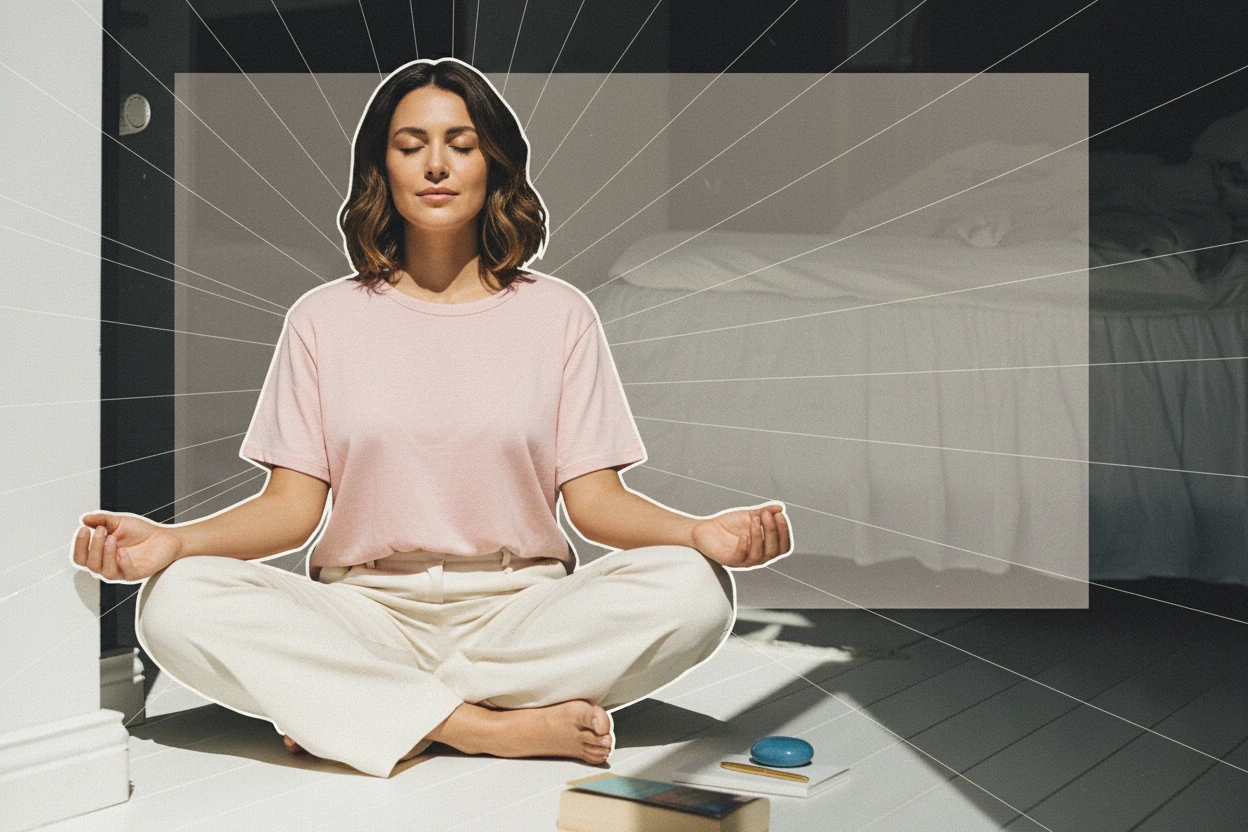
5. Yoga
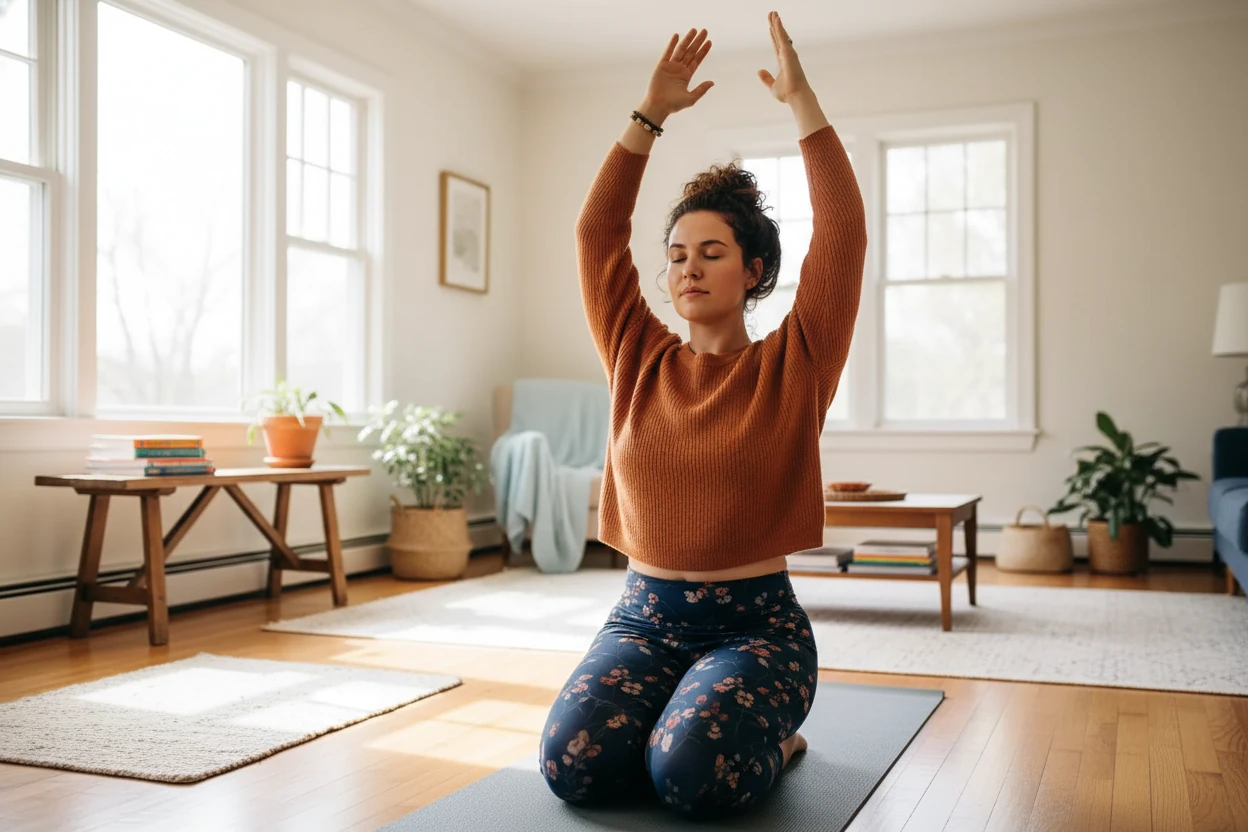
Yoga is a mind-body exercise that combines physical postures, breathing techniques, and meditation. It has demonstrated efficacy in reducing anxiety and depressive symptoms, particularly in older adults and individuals with PTSD141516. Yoga promotes relaxation, improves autonomic nervous system balance, and enhances mindfulness, which helps regulate anxiety1415. Regular practice supports both physical and psychological well-being17.
“Mind-body exercises such as yoga, Tai Chi, and mindfulness have shown significant benefits in reducing anxiety symptoms.141518”
When to Seek Professional Help
While exercise and relaxation techniques can alleviate mild to moderate anxiety symptoms, it is important to seek professional help when anxiety significantly interferes with daily functioning or persists over time. Anxiety disorders are diagnosed through clinical interviews and symptom assessments by healthcare providers119.
Treatment plans often include pharmacotherapy, cognitive behavioral therapy (CBT), or a combination of both119. Medications such as selective serotonin reuptake inhibitors (SSRIs) and serotonin-norepinephrine reuptake inhibitors (SNRIs) are commonly prescribed but may take weeks to show benefits and can have side effects119. CBT helps individuals identify and modify maladaptive thoughts and develop coping strategies119.
Aerobic exercise is a safe, well-tolerated adjunct to professional treatment and benefits mental health regardless of fitness level2. If anxiety symptoms are persistent, uncontrollable, or severely impact social and occupational functioning, consulting a healthcare provider is recommended119.
When to contact a healthcare provider: - Anxiety lasting six months or more that disrupts daily life119 - Uncontrollable worry or panic attacks119 - Anxiety significantly affecting work or social activities119 - Need for tailored treatment including medication or psychotherapy119
Key Takeaways
- Regular physical activity protects against anxiety onset and reduces symptoms in anxiety and stress-related disorders45.
- Aerobic exercises such as walking, jogging, cycling, and swimming effectively lower anxiety sensitivity and improve mood72.
- Mind-body exercises like yoga and Tai Chi provide additional benefits by promoting relaxation and mindfulness1415.
- Exercise influences brain chemistry and stress hormone levels, leading to decreased anxiety and improved stress resilience42.
- Persistent or severe anxiety warrants professional evaluation and may require combined treatment approaches including therapy and medication119.