Anxiety disorders affect nearly one-third of adults during their lifetime, making them one of the most common mental health challenges worldwide1. Many people seek natural remedies to manage anxiety symptoms due to concerns about medication side effects and a desire for holistic approaches2. This article explores 13 evidence-based natural options that may help reduce anxiety and improve mental well-being3.
Exercise for Anxiety Relief: How Physical Activity Reduces Stress & Anxiety
Physical activity is a powerful natural remedy for anxiety. Exercise has been shown to produce anxiolytic (anxiety-reducing) effects, improving mental health both immediately and over the long term3. Even a single session of moderate exercise can acutely lower anxiety levels, while regular sustained activity is linked to lasting reductions in anxiety symptoms3. Mindful movement therapies such as yoga also show promising evidence for reducing anxiety, combining physical activity with relaxation techniques45.
Key benefits of exercise for anxiety include:
- Immediate reduction in anxiety after one session3
- Long-term symptom improvement with regular activity3
- Mindful exercises like yoga enhance relaxation and reduce stress4
- Exercise supports overall depression diagnosis process and criteria health and mood regulation6
Incorporating at least 150 minutes of moderate-intensity exercise weekly is recommended to gain these mental health benefits6.
“When patients come in for regular treatments, acupuncture can be an effective way to improve mental wellbeing.”
— David Mayer, National University of Health Sciences Whole Health Center11
Chamomile Benefits for Anxiety: Evidence-Based Calming Effects
Chamomile is a well-studied herbal remedy for anxiety, particularly generalized anxiety disorder (GAD), which involves excessive worry that disrupts daily functioning78. Clinical trials show that chamomile extract at doses around 1500 mg daily over several months can improve anxiety symptoms in people with GAD75. Chamomile is generally safe for long-term use at therapeutic doses, with minimal serious side effects reported79.
Important considerations for chamomile use include:
- Mild side effects possible, such as allergic reactions in those sensitive to ragweed and related plants7
- Potential interactions with anticoagulants and immunosuppressants7
- Chamomile tea and short-term supplementation are safe for most people7
Chamomile’s anxiolytic effects are thought to arise from flavonoids like apigenin, which modulate GABA receptors in the brain, promoting relaxation9.
Acupuncture Therapy for Anxiety: How it Works & What to Expect
Acupuncture involves inserting thin needles at specific body points to influence health and balance3. It is increasingly studied as a complementary treatment for anxiety disorders, especially GAD410. Meta-analyses indicate acupuncture reduces anxiety symptoms, with the most pronounced effects occurring during the initial weeks of treatment410. Some evidence suggests acupuncture may provide faster anxiety relief than pharmacotherapy early on4.
Safety and efficacy notes include:
- Generally safe when performed by trained practitioners using sterile techniques311
- Risks include infections or adverse events if improperly administered3
- Acupuncture may be especially helpful for patients who do not respond well to medications or experience side effects11
“When treated with acupuncture, most patients will get off the table feeling better than when they walked in. Results are frequently immediate.”
— David Mayer, National University of Health Sciences Whole Health Center11
Lavender Uses for Anxiety: Essential Oil & Herbal Applications
Lavender is commonly used in aromatherapy to reduce anxiety, especially in preoperative and chemotherapy patients125. Inhalation of lavender essential oil has demonstrated anxiolytic effects, though some studies have methodological limitations and potential bias1312. Oral ingestion of lavender may also help reduce anxiety but can cause mild side effects such as headache, gastrointestinal discomfort, and constipation12.
Additional points about lavender include:
- Lavender may enhance sedative effects when combined with other central nervous system depressants12
- Use with caution if combining with medications that cause drowsiness12
Lavender’s calming properties make it a popular natural choice for situational anxiety relief.
Aromatherapy Techniques for Anxiety: Using Essential Oils for Calm
Aromatherapy uses inhalation of volatile plant oils to promote relaxation and reduce anxiety symptoms13. Systematic reviews support the use of essential oils for lowering both state (temporary) and trait (long-term) anxiety14. Citrus essential oils, such as lemon, have shown notable anxiolytic effects in clinical studies145.
Key features of aromatherapy for anxiety:
- Non-invasive and easy to use13
- Citrus oils are particularly effective among essential oils studied14
- Can be combined with other relaxation techniques for enhanced benefit14
Aromatherapy offers a simple adjunctive option for managing mild anxiety symptoms.
Omega-3 Fatty Acids for Anxiety: EPA & DHA Benefits
Omega-3 fatty acids are essential nutrients important for brain function and neuronal membrane integrity15. Supplementation with omega-3s may improve anxiety symptoms, especially in individuals diagnosed with anxiety disorders155. Meta-analyses report mixed results, but overall suggest omega-3s can reduce anxiety severity15.
Highlights of omega-3 use include:
- More effective in people with diagnosed anxiety disorders than in general populations15
- Supports brain health and may modulate inflammation linked to anxiety15
- Found in fish oil supplements and certain plant oils15
Omega-3 supplementation is a promising natural approach but requires further research to optimize dosing.
Vitamin B Complex for Anxiety: B12, Folate & Stress Reduction
Low levels of vitamin B12 have been linked to increased anxiety symptoms, and deficiency is common among people with anxiety disorders165. Supplementation with vitamin B12 and vitamin B6 shows potential anxiolytic effects16. High doses of vitamin B6 have reduced anxiety in some clinical studies and may also help with premenstrual syndrome (PMS)-related anxiety, though evidence is preliminary16.
Important notes on vitamin B supplementation:
- Generally safe but may interact with certain medications16
- Healthcare provider consultation is advised before starting supplements16
- B vitamins support nervous system function and neurotransmitter synthesis16
Vitamin B complex can be a valuable part of a natural anxiety management plan.
Meditation Practices for Anxiety: Mindfulness & Guided Techniques
Meditation involves focused breathing and awareness to induce relaxation and reduce anxiety symptoms3. It is commonly used as an adjunctive therapy in anxiety management due to its safety and low risk35. Meditation promotes a relaxation response that counteracts stress and anxious thoughts3.
Benefits of meditation include:
- Safe for most individuals with minimal side effects3
- Can be practiced anywhere and requires no special equipment3
- Supports mindfulness and emotional regulation3
Regular meditation practice can help ease anxiety and improve overall mental well-being.
Journaling Methods for Anxiety: Expressive Writing & Stress Relief
Positive journaling, which involves writing about positive experiences and emotions, has been shown to reduce anxiety in medically ill populations3. While promising, more studies are needed to establish journaling as a standard treatment for anxiety3.
Key points about journaling:
- Easy to implement and low cost3
- May help process emotions and reduce stress3
- Can complement other anxiety treatments3
Journaling offers a simple self-help tool to support anxiety relief.
Melatonin Supplements for Anxiety: Sleep Improvement & Calming Effects
Melatonin is a hormone that regulates sleep-wake cycles and may have anxiolytic effects3. Melatonin supplements reduce preoperative anxiety in surgical patients but evidence is insufficient to confirm efficacy for general anxiety disorders35.
Considerations for melatonin use:
- Primarily helpful for anxiety related to sleep disturbances or surgery3
- Generally safe for short-term use3
- Not a first-line treatment for chronic anxiety3
Melatonin may be useful as part of a broader anxiety management strategy focused on improving sleep.
L-theanine Sources for Anxiety: Green Tea & Supplement Benefits
L-theanine is an amino acid found in tea leaves and used as a dietary supplement for relaxation3. Supplementation with 200-400 mg daily has demonstrated anxiolytic effects in people exposed to stress35. However, the anxiety-reducing impact of L-theanine when consumed as tea remains uncertain3.
Highlights of L-theanine:
- Promotes relaxation without sedation3
- Available as supplements in capsule or powder form3
- May be combined with other natural remedies for anxiety3
L-theanine offers a natural option for stress relief, especially in supplement form.
Magnesium Benefits for Anxiety: Mineral Deficiency & Mood Regulation
Magnesium is essential for neurological function and may influence anxiety symptoms35. Preliminary data suggest magnesium supplementation can alleviate mild anxiety and PMS-related anxiety3. However, further research is needed to clarify its efficacy and determine optimal supplement forms and doses3.
Key facts about magnesium:
- Common supplement forms include lactate, oxide, and glycinate3
- Generally well tolerated with few side effects2
- May work synergistically with vitamin B6 to reduce anxiety2
Magnesium is a promising natural remedy but requires more clinical evidence for anxiety treatment.
Lemon Balm Uses for Anxiety: Herbal Remedy & Calming Properties
Melissa officinalis, or lemon balm, is traditionally used for its calming and anxiolytic effects175. Preliminary studies suggest lemon balm may improve anxiety and mood symptoms, with clinical trials reporting reduced anxiety in post-surgical and burn patients17.
Important notes on lemon balm:
- Usually well tolerated with minimal side effects17
- Can lessen symptoms such as worry and excitability17
- May be consumed as tea or in supplement form17
Lemon balm is a gentle herbal option for anxiety relief.
Understanding Anxiety: Symptoms, Causes & Types of Anxiety Disorders
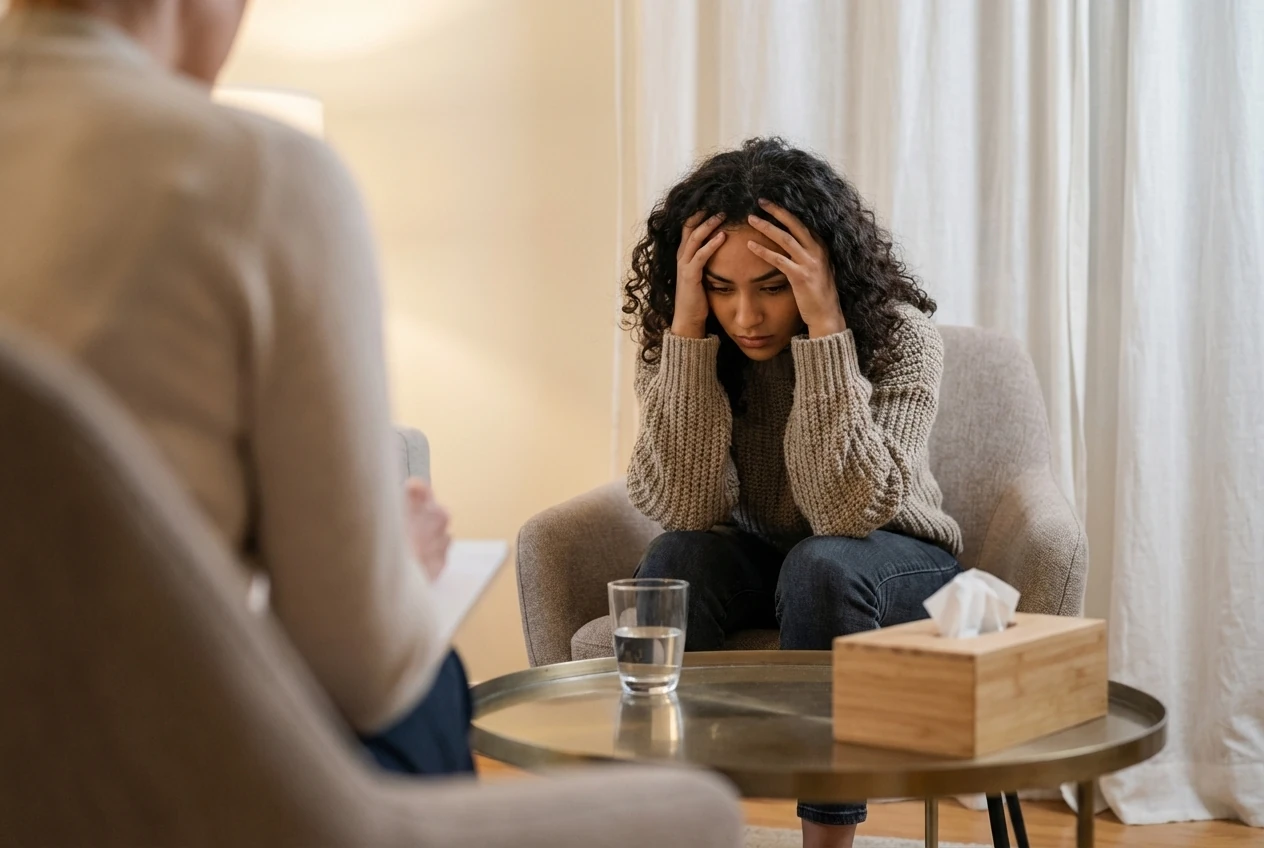
Anxiety is characterized by feelings of worry, apprehension, and sometimes physical symptoms such as increased heart rate8. Anxiety disorders involve excessive anxiety that impairs daily functioning and social interactions8. These disorders include generalized anxiety disorder (GAD), social anxiety disorder, panic disorder, and post-traumatic stress disorder (PTSD)81.
Key facts about anxiety disorders:
- Lifetime prevalence in adults is approximately 30%1
- Symptoms vary widely depending on the specific disorder8
- Anxiety can cause confusion and disorganized thoughts18
Understanding anxiety is essential for recognizing when natural remedies may be helpful and when professional care is needed.
Exercise and meditation are low-risk, accessible ways to reduce anxiety symptoms and improve overall well-being. Even short sessions can provide immediate relief.35
Acupuncture offers a unique approach by addressing both mental health and physical pain simultaneously, often with immediate benefits and minimal side effects11.
When to Seek Medical Help for Anxiety: Recognizing Severe Symptoms
It is important to consult a healthcare provider if anxiety disrupts daily life, work, or social interactions8. Medical professionals can diagnose underlying causes and recommend appropriate treatments, including therapy and medication8. Before starting any natural or supplement treatments, professional guidance is advised due to possible interactions and variable supplement quality8.
Signs to seek medical help include:
- Anxiety that impairs daily functioning or causes distress8
- Failure of current treatments or intolerable side effects8
- Need for diagnosis of specific anxiety disorders8
- Avoid stopping prescribed medications without professional advice8
Healthcare provider involvement ensures safe and effective anxiety management.
Many herbal supplements can cause drowsiness and may not be safe when driving or operating machinery. Always consult your healthcare provider before starting any new supplement, especially if you take other medications.198
Summary of Natural Anxiety Remedies: A Holistic Approach
Natural remedies offer a range of options for anxiety relief, many supported by scientific evidence. Below is a summary of key remedies and their main benefits:
| Remedy | Key Benefits | Notes |
|---|---|---|
| Exercise | Immediate and long-term anxiety reduction3 | Includes yoga and mindful movement4 |
| Chamomile | Effective in GAD; generally safe79 | May interact with blood thinners7 |
| Acupuncture | Effective in GAD; rapid early relief411 | Safe with trained practitioners311 |
| Lavender | Anxiolytic, especially preoperative12 | Mild side effects; caution with sedatives12 |
| Aromatherapy (Citrus) | Reduces state and trait anxiety14 | Easy to use; lemon oil especially effective14 |
| Omega-3 Fatty Acids | Mixed results; better in diagnosed disorders15 | Supports brain health15 |
| Vitamin B (B6, B12) | Associated with anxiety; supplementation potential16 | Safe with medical advice16 |
| Meditation | Safe, adjunctive therapy3 | Promotes relaxation response3 |
| Journaling | Preliminary evidence; reduces anxiety3 | Low cost, easy to implement3 |
| Melatonin | Effective perioperatively; unclear otherwise3 | Mainly for sleep-related anxiety3 |
| L-theanine | Effective in supplement form3 | Tea effects uncertain3 |
| Magnesium | Preliminary evidence; form and dose unclear3 | Synergistic with B62 |
| Lemon Balm | Limited but positive evidence17 | Well tolerated, reduces worry17 |
These natural options can complement traditional treatments and support overall mental health.