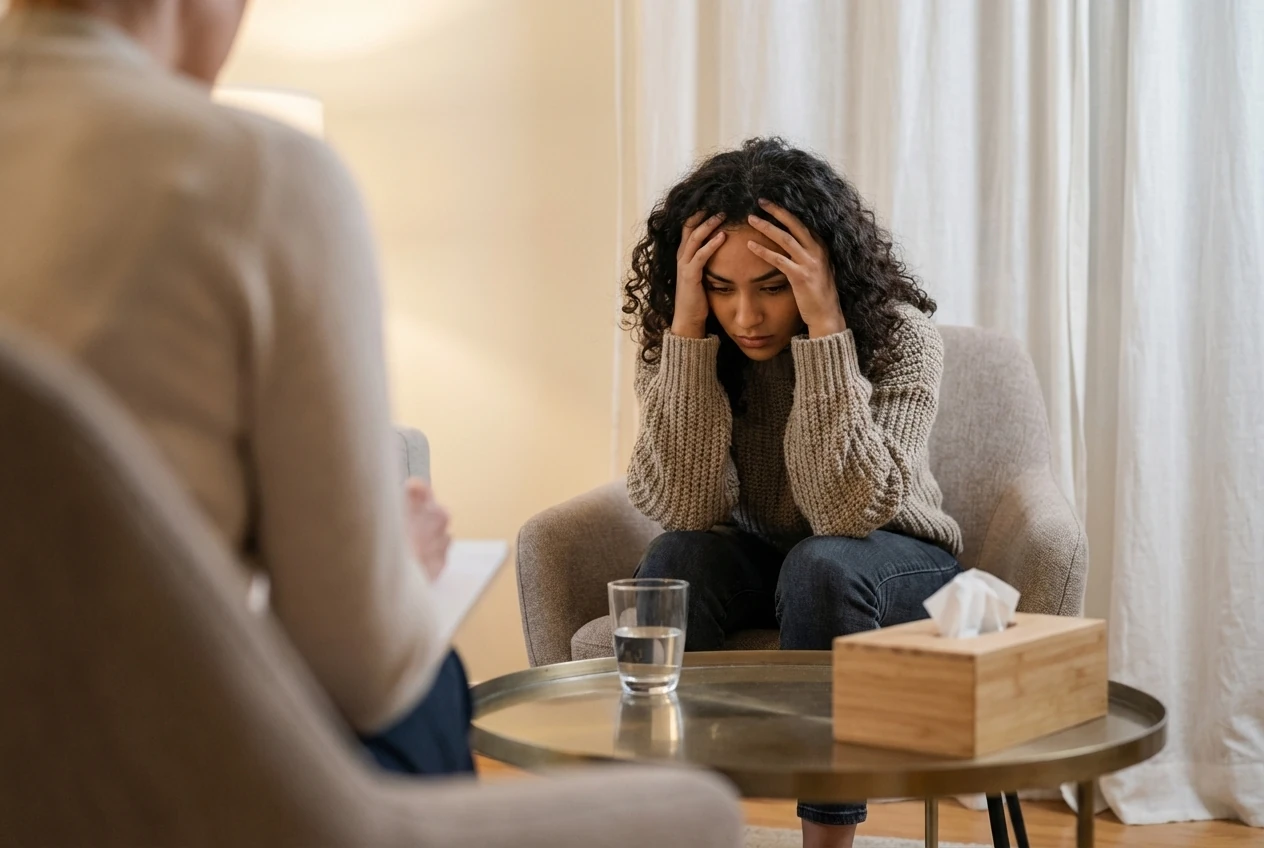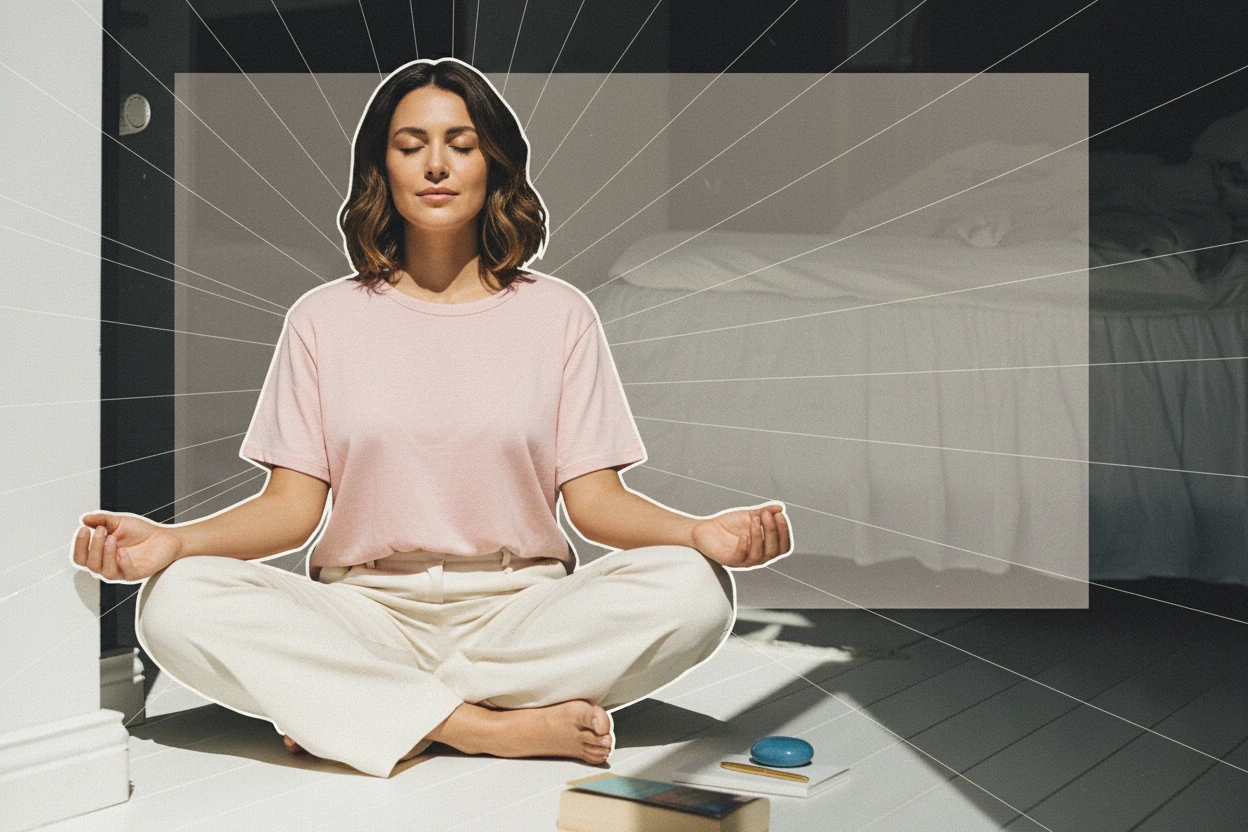
Anxiety disorders affect approximately 4% of the global population, impacting over 300 million people worldwide1. These disorders can cause significant distress and interfere with daily functioning, often presenting with symptoms such as excessive worry, irritability, and physical discomfort1. While antidepressants like selective serotonin reuptake inhibitors (SSRIs) are commonly prescribed, mindfulness meditation has emerged as a promising alternative with comparable effectiveness and fewer side effects1. Recent research highlights mindfulness-based stress reduction (MBSR) as a viable treatment option for various anxiety disorders, offering a non-pharmacological approach to anxiety relief2.
Mindfulness Reduces Anxiety With Fewer Side Effects
Mindfulness-based interventions (MBIs), particularly mindfulness-based stress reduction (MBSR), have gained recognition as effective treatments for anxiety disorders, including generalized anxiety disorder (GAD), social anxiety, panic disorder, and agoraphobia34. MBSR typically involves weekly group sessions, daily home mindfulness exercises, and a daylong retreat, focusing on cultivating present-moment awareness and nonjudgmental observation of thoughts and feelings54.
A large randomized clinical trial involving 276 adults with anxiety disorders compared the effects of MBSR with escitalopram, a commonly prescribed SSRI4. Participants in the MBSR group attended weekly 2.5-hour sessions and practiced mindfulness daily at home for eight weeks, while the medication group received flexible doses of escitalopram with weekly clinical follow-ups67. Both treatments led to significant reductions in anxiety symptoms, with no statistically significant difference in effectiveness at the eight-week endpoint47. Although escitalopram showed a faster initial reduction in anxiety symptoms at four weeks, MBSR caught up by the end of the study7.
Importantly, the MBSR group experienced far fewer side effects compared to the medication group. While 78.6% of patients on escitalopram reported at least one adverse event such as insomnia, nausea, or fatigue, only 15.4% of those in the MBSR group reported any adverse effects, with increased anxiety during treatment being the most common8. This suggests that mindfulness meditation offers a well-tolerated alternative to pharmacotherapy for anxiety relief8.
Key features of MBSR and escitalopram treatment for anxiety:
| Treatment | Duration | Format | Side Effects Reported | Effectiveness at 8 Weeks |
|---|---|---|---|---|
| MBSR | 8 weeks | Weekly group sessions + daily home practice + retreat | 15.4% (mostly mild anxiety) | Comparable to escitalopram47 |
| Escitalopram (SSRI) | 8 weeks | Daily medication + weekly clinical visits | 78.6% (insomnia, nausea, fatigue) | Comparable to MBSR47 |
| Sources:478 | ||||
Mindfulness meditation reduces anxiety by helping individuals regulate their emotions and develop distress tolerance, which mediates symptom improvement9. It also promotes self-acceptance and nonjudgmental awareness, which can reduce the intensity and frequency of anxious thoughts102. For patients seeking alternatives to medication due to side effects or personal preference, MBSR presents an effective option1.
“While the rapid impact of escitalopram is notable, the study gives a clear indication of the potential of using broader treatment strategies for anxiety and the continued importance of personalized care.”
— Lee Chambers1
Mindfulness Interrupts Anxious Thought Cycles
Anxiety disorders are often maintained by maladaptive cognitive patterns such as worry and rumination, which exacerbate emotional distress11. Mindfulness-based therapies target these harmful thought cycles by fostering nonjudgmental awareness and acceptance of present-moment experiences910. This process helps individuals detach from anxious thoughts, viewing them as transient mental events rather than accurate reflections of reality2.
Mindfulness practice enhances emotion regulation strategies such as cognitive reappraisal and decentering, which alter how individuals respond to stressors and reduce emotional reactivity1210. By promoting present-moment focus, mindfulness decreases physiological arousal and interrupts the feedback loop of anxiety, leading to improved resilience and reduced stress markers like cortisol and inflammation6.
Among healthcare workers and other high-stress populations, mindfulness has been shown to reduce symptoms of anxiety and depression-7-helpful-choices">depression-reliefdepression-reliefdepression while improving coping skills and self-compassion13. This suggests that mindfulness not only alleviates symptoms but also builds psychological resources that protect against future anxiety episodes10.
💡 Did You Know?
Mindfulness quotes inspire and motivate, and sending them as reminders can even be a valuable intervention20.
How mindfulness disrupts anxiety:
- Encourages nonjudgmental observation of thoughts and feelings, reducing emotional reactivity910
- Enhances cognitive control over worry and rumination through decentering and reappraisal14
- Lowers physiological stress responses, including cortisol and inflammatory markers6
- Improves distress tolerance, allowing better management of anxiety-provoking situations9
- Promotes self-acceptance and compassion, reducing self-critical thoughts linked to anxiety2
Mindfulness meditation trains the brain to sustain focused attention on the present moment, which can prevent the mind from wandering to anxious future scenarios15. Neuroimaging studies show that regular mindfulness practice increases activity and connectivity in brain regions responsible for emotional regulation, memory, and higher-order thinking15. These changes support the long-term benefits of mindfulness in managing anxiety and depression.
Mindfulness Therapy Limitations and Suitability
Despite its benefits, mindfulness-based therapy may not be suitable for everyone. The practice requires active engagement, regular attendance at sessions, and daily home exercises, which can be challenging for some patients53. Dropout rates and adherence difficulties are common, especially when ongoing support is lacking17. Some individuals may find mindfulness practice difficult because it involves confronting uncomfortable internal experiences3.
Clinical guidelines recommend individualized treatment selection based on patient preference, symptom severity, and comorbidities18. Cognitive-behavioral therapy (CBT) remains the first-line treatment for panic disorder and severe anxiety symptoms due to its targeted approach18. Mindfulness may serve as an adjunct or alternative for patients with moderate anxiety or those seeking non-pharmacological options18.
In clinical practice, patients often have strong preferences regarding treatment. Those choosing mindfulness typically seek alternatives to medication, while others prefer medication to avoid the effort required to develop a meditation practice1.
Mindfulness interventions are contraindicated or require caution in patients with severe psychiatric instability, where symptom stabilization is prioritized before introducing meditation practices3. Additionally, some patients prefer pharmacotherapy for its ease of use and rapid symptom relief, despite potential side effects3.
Considerations for mindfulness therapy suitability:
- Requires commitment to weekly sessions and daily home practice5
- May cause increased anxiety during initial practice for some individuals3
- Less effective or contraindicated in severe psychiatric instability3
- Lower long-term adherence compared to medication in some trials19
- Patient preference and readiness are key factors in treatment choice18