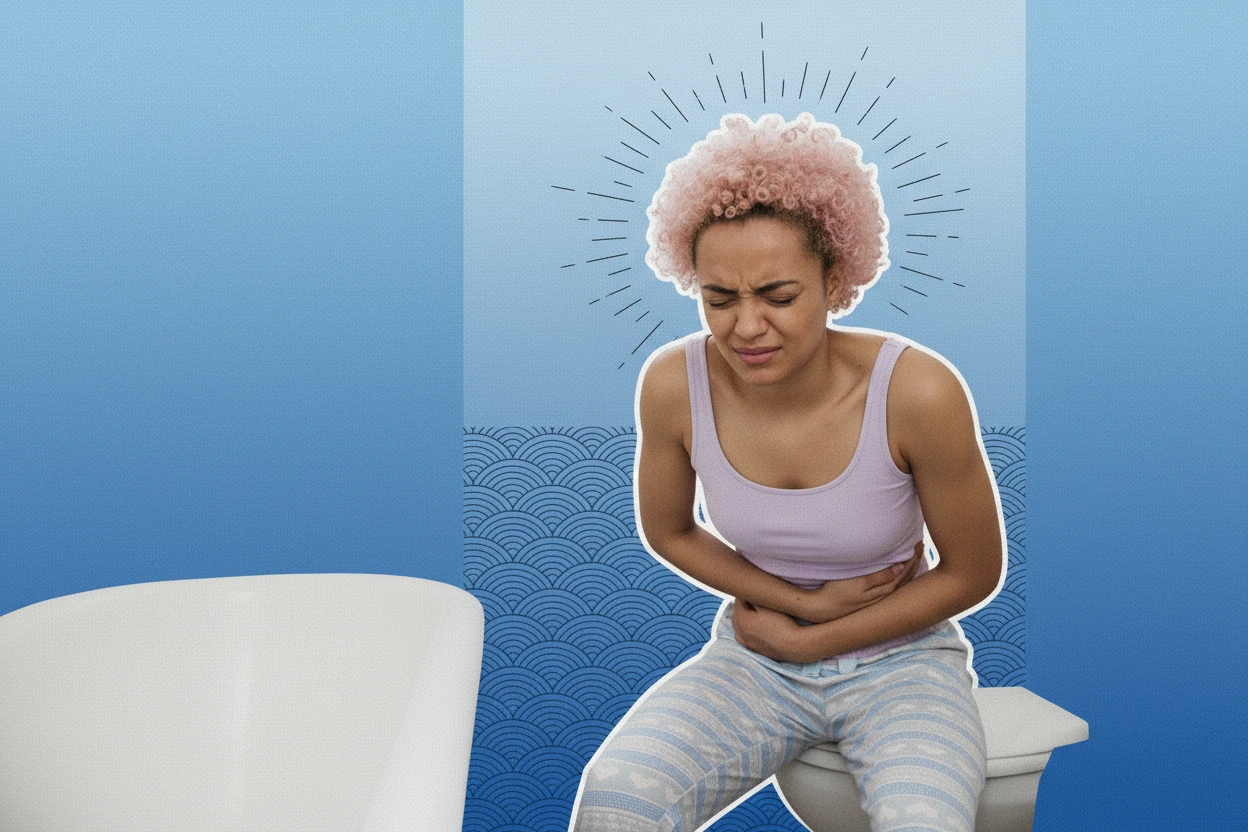
Acid reflux affects a significant portion of the global population and is characterized by the backward flow of stomach acid into the esophagus, causing discomfort and potential damage1. Dietary choices play a crucial role in triggering or worsening acid reflux symptoms, with certain foods and beverages known to relax the lower esophageal sphincter (LES) or increase stomach acidity2. Understanding these common triggers can help individuals manage symptoms and improve quality of life3.
Soda and Carbonated Drinks
Carbonated soft drinks are frequent culprits in triggering acid reflux symptoms due to their carbonation2. The carbon dioxide in these beverages causes stomach bloating, which increases intra-abdominal pressure and promotes transient relaxations of the LES, allowing acid to reflux into the esophagus45. Frequent consumption of soda is linked to a higher frequency of gastroesophageal reflux disease (GERD) symptoms, a chronic condition marked by repeated acid reflux episodes that damage the esophageal lining26.
Citrus Fruits and Juices
Citrus fruits such as oranges, lemons, limes, and grapefruits contain high levels of citric acid, making them highly acidic7. This acidity can reduce LES pressure, facilitating acid reflux2. Additionally, certain compounds in citrus fruits may irritate the esophageal lining and delay gastric emptying, further worsening reflux symptoms72. Citrus juices and acidic mixers are also common triggers and should be consumed cautiously by those prone to reflux2.
Chocolate and Cocoa
Chocolate contains methylxanthines like theobromine, which relax the LES and increase the risk of acid reflux5. It also stimulates the release of serotonin in the intestines, a neurotransmitter that can induce LES relaxation and promote reflux episodes8. Besides theobromine and serotonin effects, chocolate’s caffeine, fat content, and acidity collectively contribute to reflux symptoms after consumption5.
Tomatoes and Tomato Products
Tomatoes are rich in vitamins and antioxidants but also contain organic acids such as malic and citric acid that can irritate the esophagus and exacerbate reflux symptoms7. Tomato-based products including sauces, juices, and ketchup are common reflux triggers and should be limited or avoided by sensitive individuals27.
Spicy Foods and Peppers
Spicy foods, including chili peppers, hot sauces, and sriracha, are popular but strongly associated with increased acid reflux symptoms2. Surveys indicate that over half of patients with reflux identify spicy foods as their primary trigger2. The heat and pungency of these foods may irritate the esophageal lining and promote LES relaxation, contributing to symptom onset2.
Fried and Greasy Foods
High-fat fried foods delay gastric emptying, prolonging the time stomach contents remain and increasing reflux risk5. Common fried foods implicated include fried potatoes, fried chicken, and pastries2. These foods may also stimulate the secretion of bile salts and cholecystokinin, a hormone that aids fat digestion but can relax the LES and irritate the esophagus, further promoting reflux95.
Alcoholic Beverages
Alcohol consumption increases GERD risk in a dose-dependent manner10. It irritates and inflames the esophageal mucosa, worsening reflux symptoms11. Alcohol also impairs LES pressure, facilitating acid reflux episodes5. Additionally, left sided vs right sided heart failure differences caused by alcohol reduces saliva production, which normally helps neutralize acid, thereby exacerbating reflux11. Complete abstinence is often recommended during reflux flares, while limiting intake and avoiding acidic mixers can help reduce symptoms102.
Alcohol is a potent trigger for acid reflux because it relaxes the lower esophageal sphincter and damages the esophageal lining, making symptoms worse. Limiting or avoiding alcohol can significantly improve reflux control.1125
Late-Night Eating
Eating late at night is linked to increased nocturnal reflux episodes12. Lying down soon after eating reduces the effect of gravity in keeping stomach contents down, promoting reflux12. Postprandial recumbency (lying down after meals) increases the risk of acid backing up into the esophagus. Delaying bedtime for at least three hours after eating can reduce nighttime reflux symptoms12.
High-Fat Dairy Products
While dairy products provide essential calcium and vitamin D, high-fat dairy intake is associated with increased GERD symptoms due to delayed gastric emptying56. Choosing low-fat alternatives such as skim or 2% milk, low-fat cheeses, and low-fat yogurt can help minimize reflux symptoms2. Substituting high-fat butter and ice cream with low-fat options is also beneficial2.
Fatty Meats and Cuts
Fatty cuts of meat, including processed meats like bacon and sausage, are linked to increased reflux severity2. These high-fat meats delay gastric emptying, prolonging the risk of acid reflux5. Lean meats, skinless poultry, fish, and seafood are preferable protein sources for individuals with GERD to reduce symptoms2.
Caffeine and Coffee
Caffeine, found in coffee and many teas, can reduce LES pressure, increasing the likelihood of reflux episodes5. Excessive intake of caffeinated beverages may worsen acid reflux symptoms2. Limiting caffeine consumption can help control GERD and reduce heartburn-medication-not-working-3-common-reasons">heartburn-and-acid-refluxheartburn frequency2.
Acid Reflux Symptoms
Symptoms of acid reflux vary among individuals but commonly include:
- A burning sensation behind the breastbone (heartburn)2
- Acid or food regurgitating into the throat or mouth2
- Difficulty swallowing (dysphagia)2
- Hoarseness or throat irritation affecting the voice2
- Chest pain and nausea2
These symptoms often worsen after eating, when lying down, or bending over13.
Causes of Acid Reflux
The primary cause of acid reflux is dysfunction of the lower esophageal sphincter (LES), a muscular ring at the bottom of the esophagus that normally prevents stomach contents from flowing backward5. When the LES relaxes transiently or becomes weak, acid and digestive juices can reflux into the esophagus, causing irritation and symptoms5. Factors such as increased intra-abdominal pressure from bloating or fatty meals can promote these transient LES relaxations5.
Acid Reflux Treatments
Dietary and lifestyle modifications are fundamental in managing acid reflux symptoms. Key strategies include:
- Adopting a low-acid diet to reduce esophageal irritation2
- Eating smaller, more frequent meals to prevent stomach distension2
- Avoiding lying down immediately after eating; wait at least 3 hours before bedtime12
- Elevating the head of the bed to reduce nocturnal reflux12
- Avoiding known trigger foods such as fried, fatty, spicy, and acidic foods2
💡 Did You Know? The foods that can trigger acid reflux include alcohol, alliums (e.g., onions and garlic), carbonated beverages, chocolate, citrus fruits and juices, coffee and caffeine, fried foods, high-fat foods, peppermint, spicy foods, and tomatoes or tomato-based sauces16.
Medications
Over-the-counter medications provide symptomatic relief by neutralizing or reducing stomach acid. Common options include:
- Antacids (e.g., Tums, Maalox) that neutralize gastric acid and provide quick relief5
- H2 receptor antagonists that reduce acid secretion and aid in healing esophageal mucosal injury5
- Proton pump inhibitors (PPIs), often prescribed for more severe or persistent symptoms, reduce acid production effectively14
Medication is often combined with lifestyle changes for optimal symptom control3.
“The main reason patients have heartburn is that their lower esophageal sphincter muscle relaxes too much, and taking medicine decreases the amount of acid entering the esophagus.”
— Lauren Gerson, MD15
Summary and Key Points
- Carbonated drinks, citrus fruits, chocolate, tomatoes, spicy foods, fried foods, alcohol, late-night eating, high-fat dairy, fatty meats, and caffeine are common triggers of acid reflux216.
- These foods and beverages can relax the LES, increase stomach acid, delay gastric emptying, or irritate the esophageal lining, leading to reflux symptoms52.
- Avoiding or limiting these triggers, eating smaller meals, and not lying down soon after eating can reduce reflux episodes122.
- Low-fat dairy and lean meats are preferable to high-fat options to minimize reflux risk2.
- Medications such as antacids and H2 blockers complement lifestyle changes in managing symptoms5.