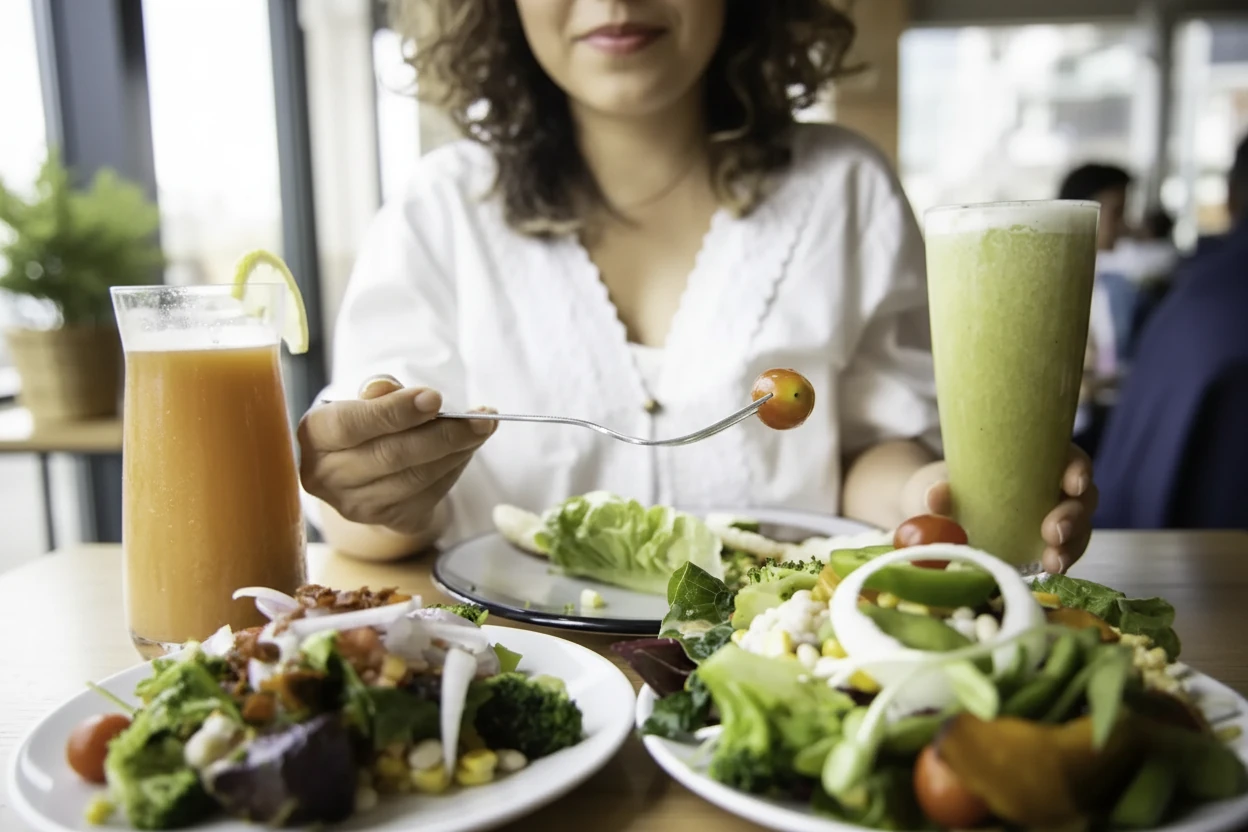
Ulcerative colitis (UC) is a chronic inflammatory bowel disease that causes inflammation and ulcers in the colon and rectum, affecting many aspects of digestion and nutrient absorption1. Managing UC symptoms through diet is essential, especially during remission phases, to reduce inflammation and maintain gut health2. Since individual food tolerances vary widely, personalized nutrition plans are critical for effective symptom control and overall well-being3.
Day 1 Ulcerative Colitis Meal Plan: Breakfast, Lunch & Dinner
Start the week with meals rich in anti-inflammatory omega-3 fatty acids and nutrient-dense foods that support tissue repair and gut health. Incorporate fatty fish like salmon, which provides complete protein and essential micronutrients21. Adding turmeric, a spice containing curcumin, offers additional anti-inflammatory benefits45. A variety of fruits and vegetables supply antioxidants and phytochemicals that may help reduce intestinal inflammation61.
- Breakfast: Banana smoothie with almond milk, spinach, blueberries, and ground flaxseeds; oatmeal with a touch of honey78.
- Lunch: Grilled chicken salad with mixed greens (avoiding high-fiber vegetables if needed) paired with a soothing vegetable soup based on carrot and potato broth; gluten-free bread slice if required7.
- Dinner: Baked salmon seasoned with lemon juice, salt, and pepper; served with steamed carrots and mashed potatoes21.
- Snacks: Fruit plate with low-fiber options like peeled apples or bananas; crackers with cheese if tolerated7.
This meal plan emphasizes healthy fats such as avocado and olive oil to modulate inflammation and support gut integrity21.
Day 2 Ulcerative Colitis Meal Plan: Sample Menu for UC
Focus on soluble fiber and probiotic-rich foods that promote bowel regularity and restore gut microbiota balance21. Cooked oats provide a gentle source of fiber, while nut butters offer healthy fats and protein with better tolerance than whole nuts39.
- Breakfast: Cooked oatmeal topped with sliced banana, peanut butter, and ground cinnamon21.
- Lunch: Whole wheat sandwich with turkey breast lump steps to take and what to expect, hummus, lettuce, tomato, and cucumber; served with baby carrots78.
- Dinner: Vegetable stir-fry with sweet onion, bell peppers, snow peas, and tofu in low-sodium teriyaki sauce over cooked brown rice21.
- Snacks: Kefir smoothie with frozen banana; kefir contains probiotics that support gut health21.
This day’s meals balance fiber, protein, and probiotics to support digestive function and reduce inflammation21.
Day 3 Ulcerative Colitis Meal Plan: Anti-Inflammatory Foods
Include plant-based omega-3 sources and legumes cautiously, as they provide anti-inflammatory benefits but may need gradual introduction during symptom management21. Nutritional yeast adds flavor and B vitamins, supporting overall nutrition1011.
- Breakfast: Chia seed pudding topped with blueberries and walnut butter; chia and walnuts are rich in omega-3 fatty acids61.
- Lunch: Lentil soup with a whole wheat bread roll; legumes offer protein and fiber but should be introduced carefully during flare-ups39.
- Dinner: Whole wheat spaghetti with grilled shrimp, roasted cherry tomatoes, fresh basil, and a sprinkle of nutritional yeast21.
- Snacks: Baby carrots with hummus21.
This plan supports anti-inflammatory dietary patterns while ensuring adequate protein and micronutrient intake21.
Day 4 Ulcerative Colitis Meal Plan: Gut-Friendly Options
Probiotic yogurt and plant-based proteins like baked falafel provide gut microbiome support and reduce inflammation21. Avoid fried foods such as tempura to minimize intake of fats and sodium that may exacerbate symptoms39.
- Breakfast: Fruit and yogurt parfait with low-fat Greek yogurt, strawberries, blueberries, and nut-free granola21.
- Lunch: Whole wheat pita stuffed with baked falafel, hummus, lettuce, tomato, and olives; baked falafel is a lighter alternative to fried1011.
- Dinner: Sushi bowl with cooked brown rice, grilled tuna, avocado, cucumber, grated carrots, and pickled ginger, drizzled with low-sodium soy sauce and sesame seeds21.
- Snacks: Banana with peanut butter21.
This day’s meals emphasize probiotic foods and nutrient-dense vegetables to promote remission maintenance21.
Day 5 Ulcerative Colitis Meal Plan: Managing UC Symptoms
Meals rich in antioxidants, lean protein, and omega-3 fatty acids help reduce oxidative stress and inflammation in UC21. Choosing baked snacks over fried options limits unhealthy fat intake, reducing gut irritation39.
- Breakfast: Acai bowl topped with banana, blueberries, chia seeds, and almond butter; acai berries provide antioxidants61.
- Lunch: Chicken noodle soup with mixed green salad and whole wheat baguette21.
- Dinner: Wild salmon burger on a whole wheat bun with lettuce, tomato, pickle, and baked sweet potato wedges15.
- Snacks: Baked tortilla chips with mashed avocado39.
This plan supports anti-inflammatory pathways and encourages healthier cooking methods21.
Day 6 Ulcerative Colitis Meal Plan: Dietary Strategies for UC
Combine probiotic dairy, nutrient-rich fruits and vegetables, lean proteins, and healthy fats to support gut health21. Cooking vegetables improves digestibility by softening fiber, which is beneficial during symptom management39.
- Breakfast: Smoothie with low-fat plain kefir, baby spinach, mango, banana, and optional protein powder selected for digestive tolerance21.
- Lunch: Sourdough bread sandwich with grilled chicken, grilled mixed vegetables, and avocado21.
- Dinner: Tacos with corn or whole wheat tortillas, lean ground turkey, lettuce, and tomatoes21.
- Snacks: Apple slices with walnut butter21.
This day’s meals leverage the synergy of probiotics and prebiotics to promote a healthy gut microbiome21.
Day 7 Ulcerative Colitis Meal Plan: Sustaining Remission
Include omega-3 rich fish, lean protein, steamed vegetables, and probiotic yogurt to support UC management21. Steaming vegetables reduces fiber toughness, easing digestive workload39. Ginger adds anti-inflammatory bioactive compounds45.
- Breakfast: Whole wheat bagel with light or vegan cream cheese, smoked salmon, lettuce, and tomato15.
- Lunch: Mixed green salad with grilled chicken and a side of baked crackers21.
- Dinner: Baked herring with steamed mixed vegetables and whole wheat pasta15.
- Snacks: Non-fat Greek yogurt topped with peaches and a sprinkle of ground ginger45.
This meal plan combines anti-inflammatory nutrients and gut-friendly foods to maintain remission21.
Comprehensive Dietary Guidelines for Ulcerative Colitis Management
Dietary management in UC requires adaptation to disease activity phases, including flare and remission21. Nutrient-dense, diverse diets are advised during remission to maintain health and prevent relapse39. Personalized dietary counseling by registered dietitians improves symptom control and nutritional status39.
Key dietary principles include:
- Emphasize anti-inflammatory foods rich in omega-3 fatty acids, antioxidants, and phytochemicals15.
- Prefer soluble fiber and cooked vegetables to improve tolerance and reduce bowel irritation39.
- Incorporate probiotic-rich foods like kefir and yogurt to support gut microbiome balance21.
- Avoid excessive restriction to prevent nutrient deficiencies and malnutrition39.
- Use simple cooking methods such as baking, steaming, grilling, and roasting to minimize gut irritation39.
These guidelines support maintaining remission and improving quality of life in UC patients21.
Ulcerative Colitis: Foods to Avoid for Symptom Flare-Ups
Food triggers vary individually in UC, necessitating personalized avoidance strategies21. However, some common foods are associated with increased intestinal inflammation and symptom exacerbation3915:
- Red and processed meats, which promote inflammation15.
- Fried and high-fat foods that increase gut irritation39.
- Processed foods and artificial sweeteners that negatively impact gut microbiota and intestinal barrier function15.
- Spicy foods containing capsaicin, which may aggravate mucosal inflammation39.
- Alcohol, linked to symptom exacerbation and potential medication interactions15.
Avoiding or limiting these foods, especially during flare-ups, can help reduce symptoms and maintain remission39.
Key Takeaways: Managing Ulcerative Colitis Through Diet
- Ulcerative colitis dietary management should focus on anti-inflammatory foods rich in omega-3 fatty acids, antioxidants, and probiotics to reduce intestinal inflammation and support gut health21.
- Personalized nutrition plans are essential due to individual variability in food tolerances and symptom triggers39.
- Incorporating cooked vegetables, soluble fiber, and probiotic-rich foods can improve symptom control and promote remission maintenance21.
- Avoiding red and processed meats, fried foods, processed snacks, spicy foods, and alcohol may help minimize flare-ups and gut irritation391.
- Working with registered dietitians ensures tailored dietary guidance that optimizes nutrition and quality of life for people with UC39.