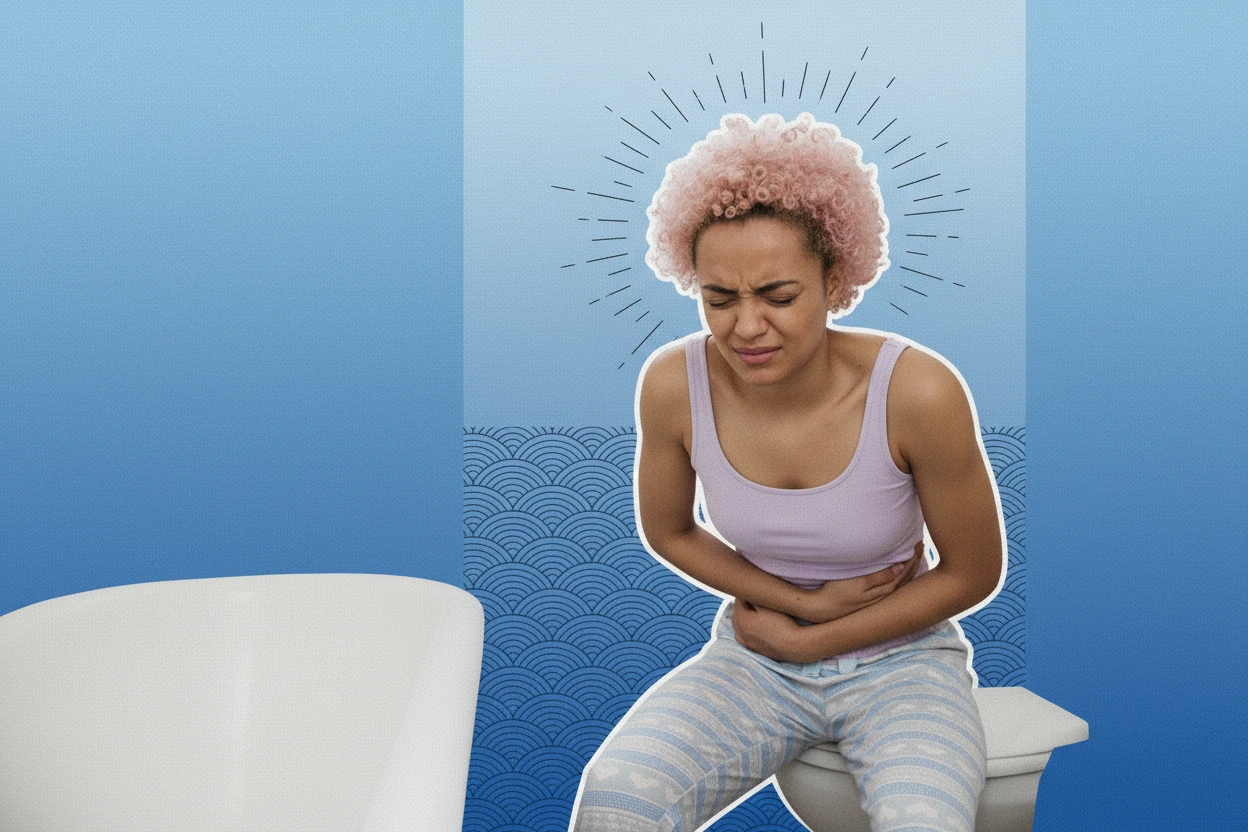
Crohn’s disease is a chronic condition that affects the digestive tract and can significantly impact daily life and overall well-being1. While there is no cure, adopting a comprehensive self-care routine can improve symptoms, reduce flare-ups, and enhance quality of life2. Effective self-care involves a combination of medication adherence, diet management, stress reduction, physical activity, and strong social support3.
Building a Self-Care Routine
A self-care routine for Crohn’s disease involves daily habits and strategies that help manage symptoms and maintain health. Self-care includes medication adherence, diet adaptation, symptom monitoring, stress management, and planning daily activities to accommodate the disease’s unpredictable nature3. Patients often adjust their routines to manage symptoms such as abdominal pain, mcv blood test results meaning and normal range, and fatigue, which can affect social and occupational functioning1.
Key components of building a self-care routine include:
- Learning about Crohn’s disease and understanding personal symptom patterns3.
- Tracking symptoms to identify triggers and early signs of flare-ups4.
- Planning daily activities, including bathroom access and rest periods, to reduce stress and discomfort3.
- Incorporating lifestyle changes such as balanced nutrition, exercise, and stress reduction techniques5.
- Regularly communicating with healthcare providers to adjust treatment plans as needed6.
This routine empowers patients to take control of their health and improve their quality of life despite the chronic nature of Crohn’s disease2.
Why Self-Care Matters
Self-care is crucial because Crohn’s disease is a progressive, immune-mediated condition with variable disease activity and potential complications like strictures and fistulas1. Effective self-care is linked to better disease management and improved health outcomes. Patients who actively engage in self-care report higher quality of life and better symptom control3.
Self-care helps in:
- Reducing disease activity and preventing complications through medication adherence and symptom monitoring6.
- Managing the emotional and psychological burden of the disease by addressing stress and mental health3.
- Enhancing physical fitness and nutritional status, which are often compromised in Crohn’s disease7.
- Supporting a multidisciplinary approach to care, involving gastroenterologists, dietitians, mental health professionals, and surgeons6.
By prioritizing self-care, patients can minimize hospitalizations and improve their ability to maintain daily activities and social engagement2.
Crohn's Disease Self-Care Strategies
Medication adherence is a cornerstone of Crohn’s disease management. Consistently taking prescribed medications controls inflammation, induces remission, and reduces the risk of relapse6. Nonadherence is associated with increased disease activity and flare-ups8.
Strategies to improve adherence include:
- Setting daily reminders or alarms to take medications on time8.
- Using pill organizers to keep track of doses8.
- Involving family members or caregivers in medication management8.
- Communicating openly with healthcare providers about side effects or concerns6.
Maintaining medication routines even during remission is essential to prevent disease progression and complications6.
Nutrition plays a vital role in managing Crohn’s disease. While no single diet suits everyone, identifying and avoiding trigger foods can reduce symptoms and flare-ups9. A balanced, nutrient-rich diet supports healing, prevents malnutrition, and improves energy levels10.
Common trigger foods to limit or avoid include:
- High-fiber foods such as raw vegetables, nuts, and seeds9.
- Dairy products, especially for those with lactose intolerance9.
- Spicy foods and high-fat fried foods9.
- Alcohol and caffeinated beverages9.
In contrast, foods that may reduce inflammation and support gut health include:
- Cooked fruits and vegetables like bananas, squash, and carrots9.
- Omega-3 rich foods such as fatty fish, chia seeds, and flaxseed9.
- Lean proteins like chicken, tofu, and fish9.
Keeping a food diary helps identify personal triggers and tolerances. During flare-ups, simplifying the diet with bland, easy-to-digest foods and small frequent meals can ease symptoms11.
Hydration is essential, especially during flare-ups when diarrhea can lead to fluid loss and dehydration11. Drinking enough water and electrolyte-containing fluids helps maintain hydration, supports digestion, and prevents complications.
Tips for adequate hydration:
- Aim for fluids that keep urine light yellow, including water, broth, and smoothies9.
- Avoid sugary drinks that may worsen symptoms11.
- Increase fluid intake during active disease or when experiencing diarrhea11.
Proper hydration supports overall health and aids in symptom management.
Identifying and avoiding personal triggers is key to reducing Crohn’s symptoms and flare-ups. Triggers vary but often include certain foods, stress, smoking, and alcohol12.
Common triggers to consider:
- Smoking, which increases inflammation and risk of relapse12.
- Alcohol, which can irritate the intestinal lining and worsen symptoms12.
- Specific foods such as caffeine, carbonated beverages, and high-fiber or spicy foods11.
Maintaining a symptom and trigger diary helps recognize patterns and make informed lifestyle adjustments4.
Stress does not cause Crohn’s disease but can exacerbate symptoms and trigger flares5. The gut-brain connection means that emotional well-being directly impacts digestive health.
Effective stress management strategies include:
- Mindfulness practices such as meditation, yoga, and deep breathing exercises4.
- Engaging in hobbies and activities that promote relaxation13.
- Seeking professional mental health support when needed5.
Regular stress reduction can improve both mental health and disease outcomes2.
Good sleep hygiene supports immune function and helps manage fatigue, a common symptom even during remission14. Adults typically need 7–9 hours of sleep per night for optimal health4.
Tips for better sleep:
- Establish a calming pre-bedtime routine without screens4.
- Use blackout curtains and maintain a comfortable sleep environment4.
- Avoid caffeine and alcohol in the evening4.
- Address sleep disturbances with healthcare providers if persistent4.
Quality sleep contributes to overall well-being and Crohn’s disease management.
Regular exercise reduces inflammation, improves physical fitness, and supports mental health7. Staying active can also help manage fatigue and improve bowel function4.
Exercise recommendations:
- Choose low-impact activities like walking, swimming, or yoga, especially during flares5.
- Listen to your body and rest when experiencing symptoms like pain or cramping12.
- Stay hydrated and refuel with Crohn’s-friendly foods after exercise11.
Physical activity should be tailored to individual tolerance and disease activity5.
Crohn’s disease often affects emotional well-being, with many patients experiencing anxiety or depression5. Addressing mental health is an integral part of self-care.
Approaches include:
- Building awareness of emotional symptoms and seeking timely support5.
- Joining support groups or counseling to share experiences and coping strategies5.
- Practicing positive affirmations and maintaining a hopeful outlook during flare-ups13.
Mental health care improves quality of life and may reduce symptom severity2.
Social support from family, friends, healthcare providers, and peers is vital for coping with Crohn’s disease5. A strong support network helps manage stress, encourages adherence to treatment, and provides practical assistance.
Ways to build support:
“It’s very important to take a holistic approach to Crohn's disease treatment. The pillars of a good self-care plan should include nutrition, exercise, mental health and strong community support.”
— Jessica Jou, M.D., Henry Ford Health5
- Communicate openly about your needs and challenges with trusted individuals5.
- Join Crohn’s disease support groups, either in-person or online5.
- Involve healthcare professionals, including dietitians and mental health specialists, in your care team6.
Support systems enhance resilience and improve disease outcomes3.
Planning ahead helps manage the unpredictability of Crohn’s disease. Being prepared reduces anxiety and improves confidence in daily activities.
Preparation tips:
- Know the location of restrooms when going out13.
- Carry essential items like extra clothing and moist wipes13.
- Inform healthcare providers about all medications and supplements to avoid interactions6.
- Keep track of symptoms, medications, and appointments to facilitate communication with your care team3.
Preparation empowers patients to live actively despite their condition.
When to Seek Medical Help
Crohn’s disease has a variable and often unpredictable course, requiring individualized care and regular monitoring15. Prompt medical attention is necessary when symptoms worsen or new complications arise.
Seek medical help if you experience:
- Persistent or severe abdominal pain, diarrhea, or bloody stools6.
- Signs of dehydration such as dizziness, dry mouth, or reduced urine output11.
- New or worsening fatigue, fever, or weight loss14.
- Mental health changes including severe anxiety or depression5.
- Medication side effects or concerns about treatment effectiveness8.
Regular nutritional assessment is important, as malnutrition affects nearly half of patients undergoing surgery16. Gaps in routine care, such as lack of dietitian referrals and physical fitness assessments, highlight the need for proactive self-care and medical follow-up16.
Medication adherence remains critical, and strategies like reminders and family involvement can improve outcomes8. Collaborating closely with a multidisciplinary healthcare team ensures optimal management and timely intervention6.
Key Takeaways
- Crohn’s disease is a chronic condition requiring ongoing self-care to manage symptoms and improve quality of life1.
- A self-care routine includes medication adherence, personalized diet, hydration, stress management, physical activity, and mental health support3.
- Identifying and avoiding personal triggers, such as certain foods, smoking, and alcohol, can reduce flare-ups12.
- Regular communication with healthcare providers and timely medical attention for worsening symptoms are essential6.
- Building a strong support system and preparing for daily challenges empower patients to live actively with Crohn’s disease5.