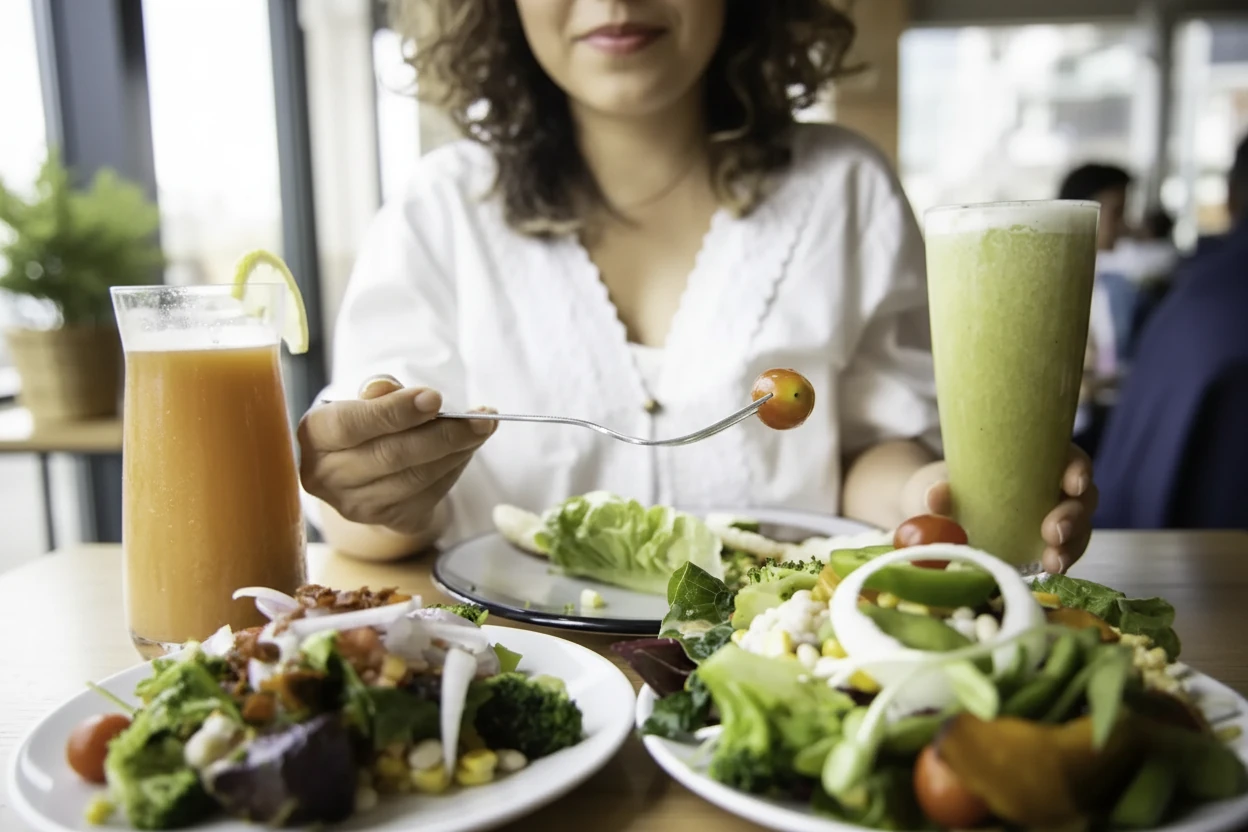
Ulcerative colitis (UC) is a chronic inflammatory disease affecting the colon and rectum, causing symptoms such as mcv blood test results meaning and normal range, abdominal pain, and rectal bleeding1. Managing diet plays a crucial role in controlling symptoms, reducing inflammation, and maintaining remission, although no single diet cures UC23. Personalized dietary plans, often guided by food diaries and healthcare professionals, help identify individual food triggers and support nutritional adequacy45.
Foods To Eat for Ulcerative Colitis and UC Diet Plan
Dietary management of UC requires a personalized approach because patients respond differently to various foods4. A balanced diet that supports nutritional adequacy is essential to maintain remission and reduce flare frequency43. Key nutrients beneficial in UC include omega-3 fatty acids, probiotics, and adequate protein intake, which contribute to anti-inflammatory effects, gut microbiota balance, and tissue repair43.
Omega-3 polyunsaturated fatty acids have anti-inflammatory properties relevant to UC and may reduce intestinal inflammation3. Clinical studies suggest that omega-3 supplementation improves remission rates and lowers flare frequency3. Fatty fish are rich sources of omega-3s and are recommended in the diet of UC patients.
- Salmon, mackerel, sardines, and tuna are excellent omega-3-rich fish3.
- Plant-based sources include chia seeds, flaxseed oil, and walnuts, which also support anti-inflammatory effects67.
- Incorporating omega-3s may help maintain remission and support mucosal healing3.
Probiotics contain live beneficial bacteria that help balance the gut microbiota, which is often disrupted in UC4. These foods may support intestinal health and reduce inflammation.
- Yogurt with live cultures and kefir are common probiotic foods48.
- Fermented foods such as sauerkraut and miso can also provide probiotics9.
- Regular consumption of probiotics has been associated with reduced UC flare-ups and improved gut immune function43.
Adequate protein intake is critical for tissue repair and maintenance, especially during active disease or flare-ups4. Protein also supports muscle health, which is important as poor muscle status can increase flare risk9.
- Lean protein sources such as chicken, turkey, fish, and eggs are generally well tolerated49.
- Plant-based proteins like tofu and legumes may be included based on individual tolerance9.
- Protein-rich snacks like nut butters and Greek yogurt can help maintain nutritional status during flares9.
Foods To Avoid in Ulcerative Colitis Flare-Ups
No universal food triggers have been identified for all UC patients; avoidance is highly individualized5. However, certain foods are commonly reported to worsen symptoms or exacerbate inflammation, especially during active flares45.
- Insoluble fiber-rich foods such as raw fruits and vegetables, whole grains, nuts, and seeds may irritate the colon during flares and increase bowel movements457.
- Brassica vegetables like broccoli and cabbage, as well as peppers, are high in insoluble fiber and better tolerated when cooked or pureed45.
- Dairy products containing lactose can trigger symptoms in lactose-intolerant individuals7.
- High-fat foods, processed meats, and red meat are associated with increased inflammation and symptom worsening710.
- Alcohol, caffeine, spicy foods, and sugar alcohols (found in sugar-free gum and candies) may provoke flare-ups and should be limited or avoided6710.
Food diaries are useful tools to identify personal trigger foods and guide avoidance strategies45.
Meal Ideas for Ulcerative Colitis
Meal planning for UC should be tailored to individual food tolerances and disease activity, with an emphasis on nutrient-dense, easily digestible foods during flares and more diverse options during remission459.
- Greek yogurt with fruit and smooth nut butters provides probiotics, protein, and healthy fats49.
- Oatmeal combined with berries and nut butters offers soluble fiber and antioxidants beneficial in remission59.
- Eggs and potatoes with gluten-free tortillas are suitable options during remission4.
- During flares, simple low-fiber meals like scrambled eggs and canned fruit are better tolerated5.
- Salmon and walnut salad delivers omega-3 fatty acids and protein11.
- Carrot and fennel soup offers cooked vegetables that are easier to digest11.
- Chicken power bowls with well-cooked vegetables and grains can provide balanced nutrition11.
- Poached or roasted fish such as salmon or mackerel with cooked root vegetables supports anti-inflammatory effects and gut health12.
- Egg and mushroom dishes with gluten-free grains are suitable during remission11.
- Avoid fried or heavily spiced dishes during active disease12.
- Toast with smooth nut butter or hummus provides protein and healthy fats119.
- Oatmeal banana bars and fruit smoothies offer nutrients and hydration11.
- Tea consumption is generally safe and may provide antioxidant polyphenols beneficial for gut health45.
Meal planning during ulcerative colitis flares often involves low-fiber, nutrient-dense foods, while remission allows for gradual reintroduction of fiber and diverse textures1112.
Keeping meals simple, nutrient-rich, and tailored to the current disease state can help manage ulcerative colitis symptoms effectively. Small, frequent meals may reduce gastrointestinal discomfort and support healing45.
Best Diet for Ulcerative Colitis and Anti-Inflammatory Foods
Several dietary patterns have been studied for their potential benefits in UC management. While no single diet is universally effective, some have shown promise in reducing inflammation and supporting remission2313.
The Mediterranean diet emphasizes fruits, vegetables, fish, nuts, whole grains, and olive oil while limiting red meat, alcohol, and processed sugars13. This diet has been associated with reduced intestinal inflammation and improved clinical outcomes in UC313.
- Rich in omega-3 fatty acids and antioxidants, it supports mucosal healing and gut microbiome balance3.
- Requires adherence and may need personalization to avoid individual trigger foods13.
IBD-AID aims to restore gut microbiota balance by modifying carbohydrate intake and increasing prebiotic and probiotic foods2.
- Restricts certain carbohydrates while emphasizing foods like onions, garlic, almonds (prebiotics), and yogurt, kefir (probiotics)28.
- Targets gut dysbiosis, a contributor to IBD inflammation2.
- Can be restrictive and requires guidance from healthcare professionals2.
The AIP diet focuses on reducing gut inflammation by eliminating foods that disrupt microbial balance and provoke immune responses2.
- Involves staged removal of grains, legumes, eggs, nuts, and processed items2.
- Emphasizes nutrient-rich foods such as lean meats, fruits, and vegetables to support immune health2.
- Highly restrictive with limited evidence; should be supervised by a dietitian2.
The low-FODMAP diet reduces fermentable carbohydrates that can cause bloating, diarrhea, and abdominal pain, especially in patients with overlapping irritable bowel syndrome (IBS)14.
- May improve gastrointestinal symptoms but does not reduce intestinal inflammation14.
- Intended for short-term use under professional supervision to avoid nutritional deficiencies14.
The UCED involves identifying and removing individual trigger foods based on symptom response, often guided by food diaries45.
- Focuses on minimizing foods that provoke symptoms while maintaining nutritional adequacy4.
- Requires ongoing monitoring and adjustment with healthcare support4.
Dietary interventions are increasingly recognized as adjuncts to medical therapy, aiming to reduce inflammation and maintain remission15.
Ulcerative Colitis Foods to Eat and Avoid: Quick Review
While no definitive diet cures ulcerative colitis, certain dietary patterns can improve symptoms and quality of life2. The Mediterranean diet stands out for its anti-inflammatory benefits and positive effects on the gut microbiome in UC patients313. Personalized dietary management, including the use of food diaries to identify triggers, is essential due to individual variability in food tolerance45. Consulting healthcare professionals before making dietary changes ensures safety and effectiveness4. Maintaining a balanced diet rich in omega-3 fatty acids, probiotics, and adequate protein supports remission and reduces flare frequency3.
| Diet Type | Key Features | Potential Benefits | Limitations |
|---|---|---|---|
| Mediterranean Diet | High in fruits, vegetables, fish, olive oil | Reduces inflammation, improves remission | Requires adherence, individual variation13 |
| IBD-AID | Restricts some carbs, emphasizes pre/probiotics | Modulates gut microbiome | Restrictive, needs guidance2 |
| Autoimmune Protocol (AIP) | Eliminates grains, legumes, nuts, processed foods | Reduces inflammation, immune modulation | Highly restrictive, limited evidence2 |