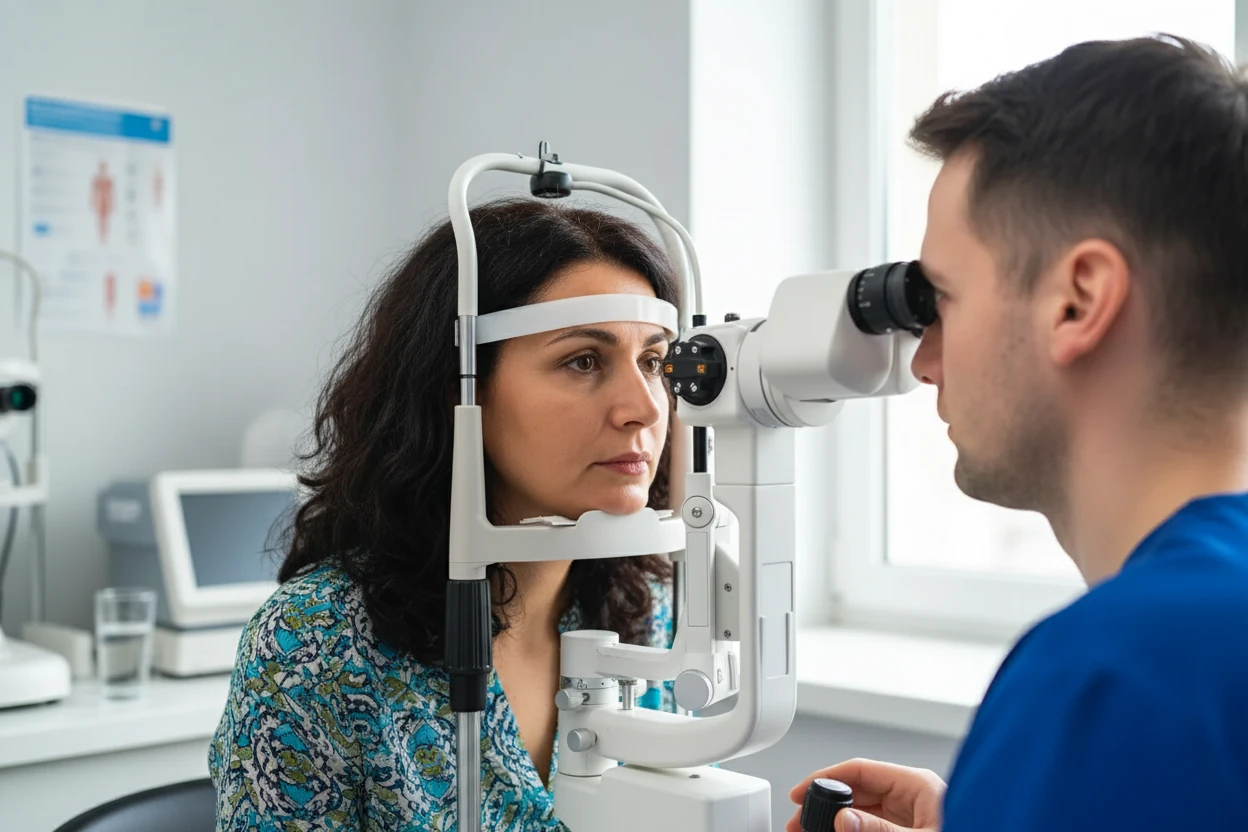
Heart disease is the leading cause of death for both women and men worldwide, yet women often face unique challenges in diagnosis and treatment1. Women tend to develop heart disease later in life than men, with an average age of first heart attack at 72 years compared to 65 years for men2. Despite this, women experience worse outcomes after heart attacks and are less likely to receive guideline-recommended therapies3. These disparities highlight a critical need to understand and address the gender gap in cardiovascular care.
Heart Disease Treatments Women Receive Less
Coronary artery disease (CAD) is the primary cause of heart disease deaths globally, with elevated low-density lipoprotein cholesterol (LDL-C) as a major modifiable risk factor4. Statins, which inhibit HMG-CoA reductase to lower LDL cholesterol, are the cornerstone of therapy to reduce cardiovascular events56. When statin therapy alone does not achieve LDL targets, ezetimibe is recommended as an add-on treatment7. Importantly, clinical guidelines set uniform LDL cholesterol targets for both men and women, emphasizing equal treatment goals6.
However, women with CAD are consistently undertreated compared to men. A Swedish cohort study of 1,452 patients (415 women, 1,037 men) aged around 68–70 years without prior myocardial infarction found that at three years post-diagnosis, only 54% of women were using statins compared to 74% of men89. Combination therapy with statins and ezetimibe was also less common in women (5%) than men (8%)8. Moreover, women are more likely to discontinue statin therapy over time, further widening treatment gaps9.
These treatment disparities contribute to poorer control of LDL cholesterol and higher cardiovascular risk in women. Despite evidence that cholesterol-lowering therapies reduce cardiovascular events, women receive fewer prescriptions and have lower adherence rates, which may partly explain their worse outcomes49.
Women with coronary artery disease receive less lipid-lowering therapy than men, despite having the same LDL cholesterol targets. This undertreatment leads to poorer cardiovascular outcomes for women689.
Gender Disparity in Heart Disease Care
Sex disparities in cardiovascular disease treatment have been documented for decades, with women consistently receiving less aggressive pharmacologic and interventional care104. Women are less likely to be prescribed statins or other lipid-lowering therapies and more likely to decline them due to concerns about side effects and safety911. These disparities persist across age groups and risk profiles, contributing to poorer control of LDL cholesterol and blood pressure in women9.
Historical data from the early 2000s already showed significant sex disparities in cardiovascular treatment, with women less likely to receive evidence-based therapies12. More recent research confirms that statin use remains lower in women than men, with usage rates of 67% versus 78% respectively10. Women also report being less frequently offered statin therapy than men, which contributes to treatment disparities11.
Women with cardiovascular disease are less likely than men to reach lipid and blood-pressureblood-pressureblood-pressure-effective-strategies-and-tipsblood-pressure-effective-strategies-and-tipsblood pressure targets despite treatment4. Additionally, women are less likely to be referred for diagnostic tests and interventions such as revascularization procedures, which are critical for restoring blood flow to the heart213. These gaps in care contribute to worse health status and higher mortality rates among women with heart disease13.
“We showed that women were not getting the same level of care as men, and they feel that way too.”
— Dr. Erin Michos, Johns Hopkins University School of Medicine14
Reasons for Lower Heart Disease Treatment in Women
The reasons for sex disparities in cardiovascular treatment are multifactorial and complex. Women’s lower rates of revascularization and specialist care contribute to reduced use of cholesterol-lowering drugs89. Specialist care is associated with increased prescription of lipid-lowering therapies compared to primary care alone, yet women are less likely to receive such specialist attention9.
“We left out all the things we were checking men for, like diabetes and cardiovascular disease. But between a woman's breasts and her reproductive organs is her heart.”
— Dr. Gina Lundberg, Emory University School of Medicine1
Fear of adverse effects is a common reason for statin non-adherence, particularly among women11. Women report statin-associated side effects such as muscle pain and fatigue more frequently than men, which influences their willingness to start or continue therapy11. Negative perceptions and anecdotal reports about statin safety lead some women to prefer alternative treatments despite lack of evidence11.
Other factors include women often developing heart disease later in life, when polypharmacy (use of multiple medications) and medication burden concerns are higher8. Additionally, systemic biases and differences in healthcare provider behavior contribute to under-prescription and undertreatment in women1011. Women may also have different cardiovascular disease presentations, such as plaque erosion or spontaneous coronary artery dissection, which can complicate diagnosis and treatment1.
- Women are less likely to receive percutaneous coronary interventions compared to men8.
- Specialist care increases lipid-lowering therapy prescriptions, but women have less access to specialists9.
- Women report more side effects and fear adverse effects from statins, leading to lower adherence11.
- Older age at disease onset and concerns about polypharmacy reduce statin initiation in women9.
- Systemic biases and provider underestimation of risk contribute to treatment gaps10.
Managing Your Heart Health as a Woman
Addressing the gender gap in heart disease treatment requires awareness, education, and proactive management. Women should understand that cardiovascular disease is their leading cause of death and that they face unique risks and symptoms115. Early and consistent use of proven therapies like statins can significantly reduce the risk of heart attacks and strokes46.
💡 Did You Know?
Heart disease was once considered a man's disease, with women thought to be naturally protected until menopause. However, women face substantial heart disease risk that often presents differently than in men1.
Effective management includes:
- Advocating for equitable treatment and discussing guideline-based therapies with healthcare providers9.
- Seeking specialist care when possible to ensure comprehensive cardiovascular evaluation and treatment9.
- Communicating openly about side effects and concerns to enable dose adjustments or alternative strategies11.
- Understanding that gradual titration of statin doses may improve tolerability and adherence11.
- Recognizing that preventive therapies benefit older women despite concerns about polypharmacy6.
Patient education is critical to overcoming misconceptions about medication safety and efficacy. Women often have greater skepticism about statins, which can be addressed through clear communication about benefits and risks9. Improving adherence to lipid-lowering therapies can help close the treatment gap and improve cardiovascular outcomes for women.