Glaucoma affects over 60 million people worldwide and is the leading cause of irreversible blindness globally1 . This group of eye diseases damages the optic nerve, often due to increased pressure inside the eye, and typically progresses without early symptoms, making early detection challenging but crucial2 3. Without timely treatment, glaucoma can cause permanent vision loss, starting with peripheral vision and advancing to tunnel vision and blindness4 5.
“Glaucoma is an umbrella term for eye diseases that cause increased pressure inside the eyeball, which can damage the optic nerve at the back of the eye. Most forms of glaucoma are progressive, gradually worsening over time, potentially leading to permanent vision loss and blindness. Glaucoma is the second-leading cause of blindness worldwide.”
— Mary Qiu, Cleveland Clinic2
Types of Glaucoma
Glaucoma refers to a group of eye disorders characterized by damage to the optic nerve, often linked to elevated intraocular pressure (IOP) caused by impaired drainage of aqueous humor, the fluid inside the eye2 6. There are four major types of glaucoma: primary glaucoma, secondary glaucoma, congenital glaucoma, and normal-tension glaucoma7 8.
Primary Glaucoma
Primary glaucoma occurs without an identifiable secondary cause and includes two main forms: open-angle and angle-closure glaucoma9 .
- Primary open-angle glaucoma is the most common type worldwide, accounting for approximately 90% of cases10 1. It involves a gradual blockage of the trabecular meshwork, the eye’s drainage system, leading to slow increases in intraocular pressure9 . This slow progression often causes no symptoms until significant optic nerve damage has occurred9 5.
- Angle-closure glaucoma happens when the angle between the iris and cornea narrows, obstructing aqueous humor outflow11 . This can cause a sudden and severe rise in intraocular pressure, known as acute angle-closure glaucoma, which is a medical emergency requiring immediate treatment to prevent permanent vision loss12 9.
Secondary Glaucoma
Secondary glaucoma results from other eye diseases or systemic health conditions that increase eye pressure or damage the drainage system13 . It can present with features of either open-angle or angle-closure glaucoma9 . Causes include inflammation, trauma, tumors, or vascular diseases affecting the eye13 . Secondary angle-closure glaucoma may cause acute ocular pain similar to primary angle-closure glaucoma10 .
Congenital glaucoma is a less common type caused by developmental anomalies of the eye’s drainage system present at birth, occurring in about 1 in 10,000 live births12 9. It requires early diagnosis and treatment to prevent vision loss9 .
Normal-tension glaucoma is a subtype where optic nerve damage occurs despite normal intraocular pressure levels10 . This form progresses slowly and requires lifelong monitoring and management10 .
Glaucoma Symptoms and Signs
Glaucoma is often called the "silent thief of sight" because early stages usually have no symptoms12 9. Symptoms vary depending on the type and progression of glaucoma10 .
- In primary open-angle glaucoma, visual field defects develop gradually, typically starting with peripheral vision loss that progresses to tunnel vision in advanced stages4 5.
- Acute angle-closure glaucoma presents with sudden, severe eye pain, headache, nausea, vomiting, blurred vision, and seeing halos or rainbows around lights12 9. Immediate medical attention is critical to prevent blindness9 .
- Symptoms of secondary glaucoma often reflect the underlying ocular or systemic disease and may include features of open-angle or angle-closure glaucoma10 .
- Congenital glaucoma symptoms include enlarged eyes, corneal cloudiness, light sensitivity (photophobia), and excessive tearing9 .
Visual loss from glaucoma is typically painless, except in rare end-stage cases such as absolute glaucoma, which causes severe eye pain due to very high intraocular pressure12 9.
Glaucoma Causes and Risk Factors
Glaucoma develops due to damage to the optic nerve, often related to elevated intraocular pressure caused by impaired aqueous humor drainage2 3. The optic nerve transmits visual information from the retina to the brain, and damage to this nerve leads to characteristic visual field loss4 14.
Risk Factors
- Age: Glaucoma risk increases with age, especially after 40 years10 15.
- Race: African, Asian, and Hispanic populations have higher risk, with angle-closure glaucoma more common among Asians11 10.
- Family History: Having a close relative with glaucoma significantly increases risk3 16.
- Medical Conditions: Diabetes, hypertension, and other systemic diseases can increase glaucoma risk10 13.
- Ocular Factors: High intraocular pressure, thin corneas, extreme nearsightedness or farsightedness, and previous eye injury or surgery are important risk factors3 8.
- Medications: Long-term use of corticosteroids can induce or worsen glaucoma17 8.
Glaucoma typically affects both eyes, causing bilateral visual field loss that progresses slowly over time5 . Early glaucoma is usually asymptomatic, making routine screening essential for timely diagnosis9 10.
Diagnosing Glaucoma
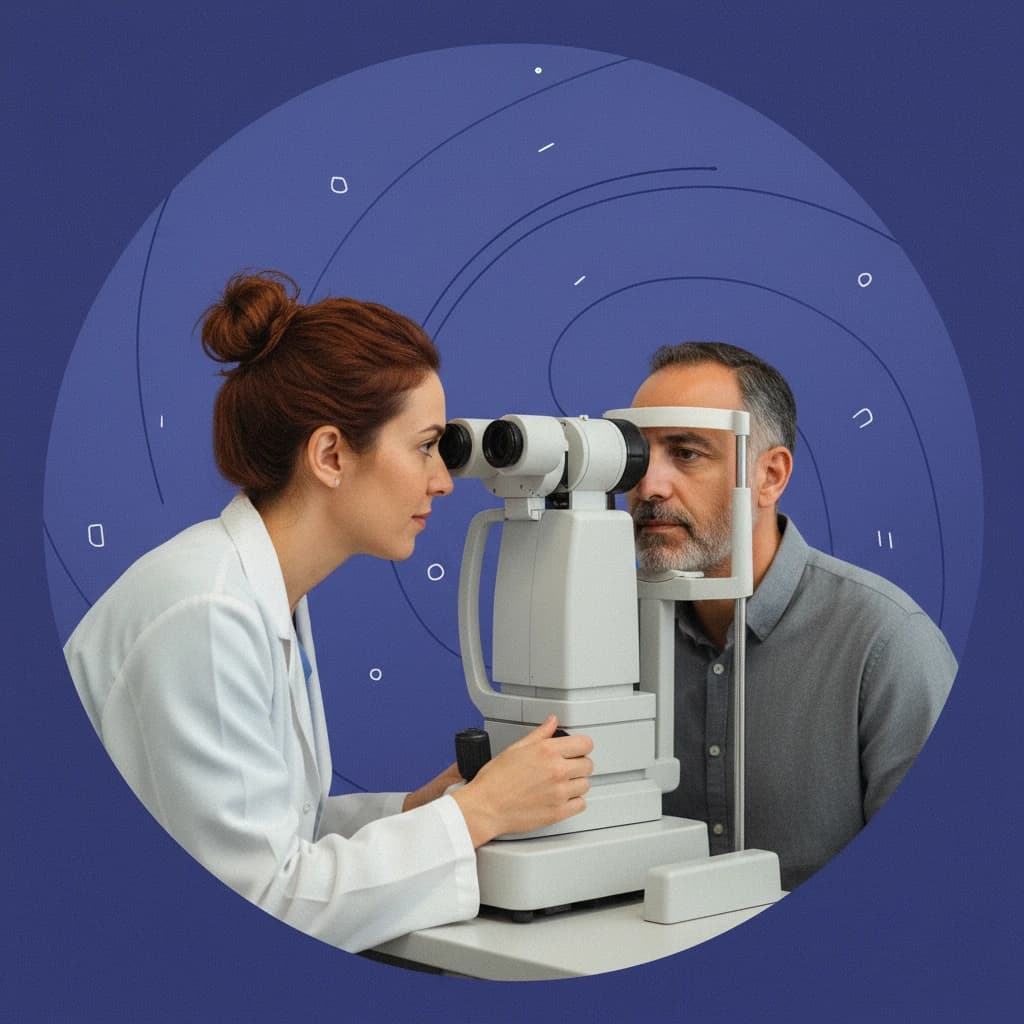
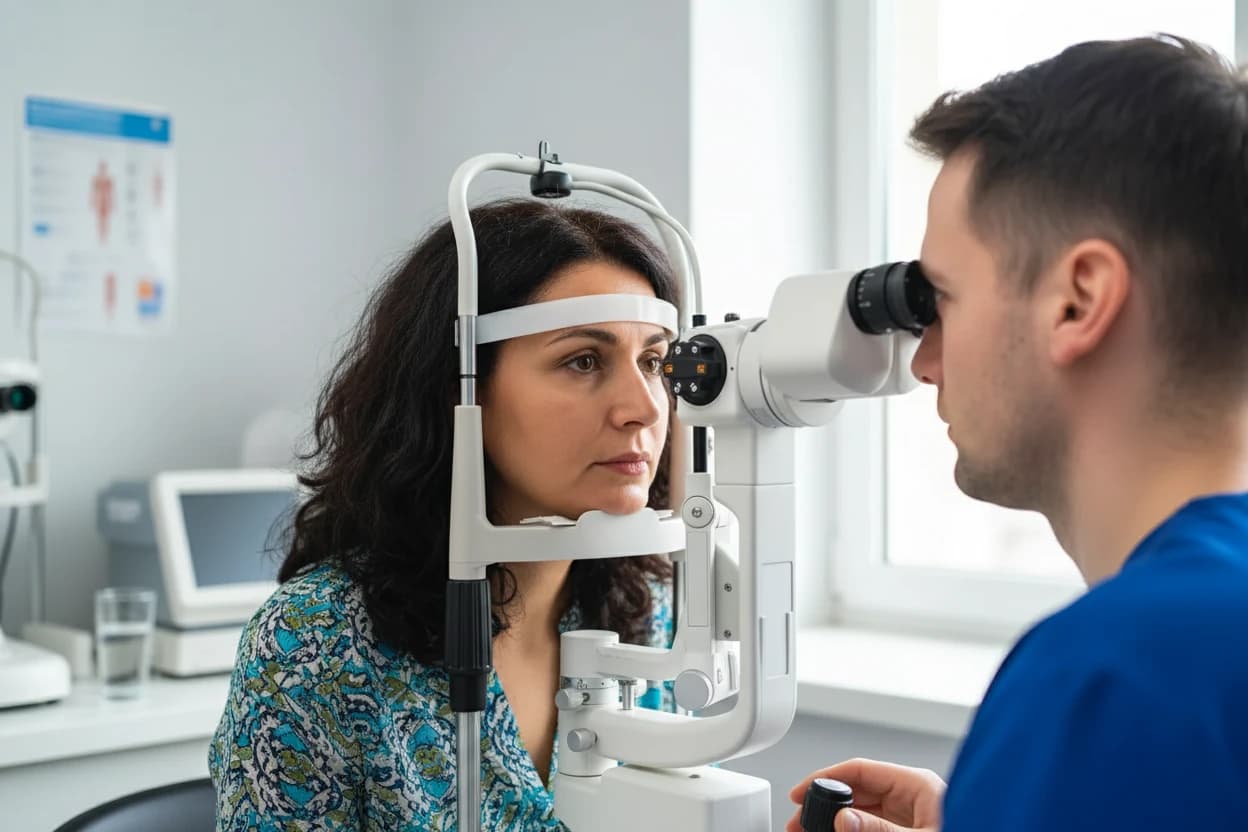
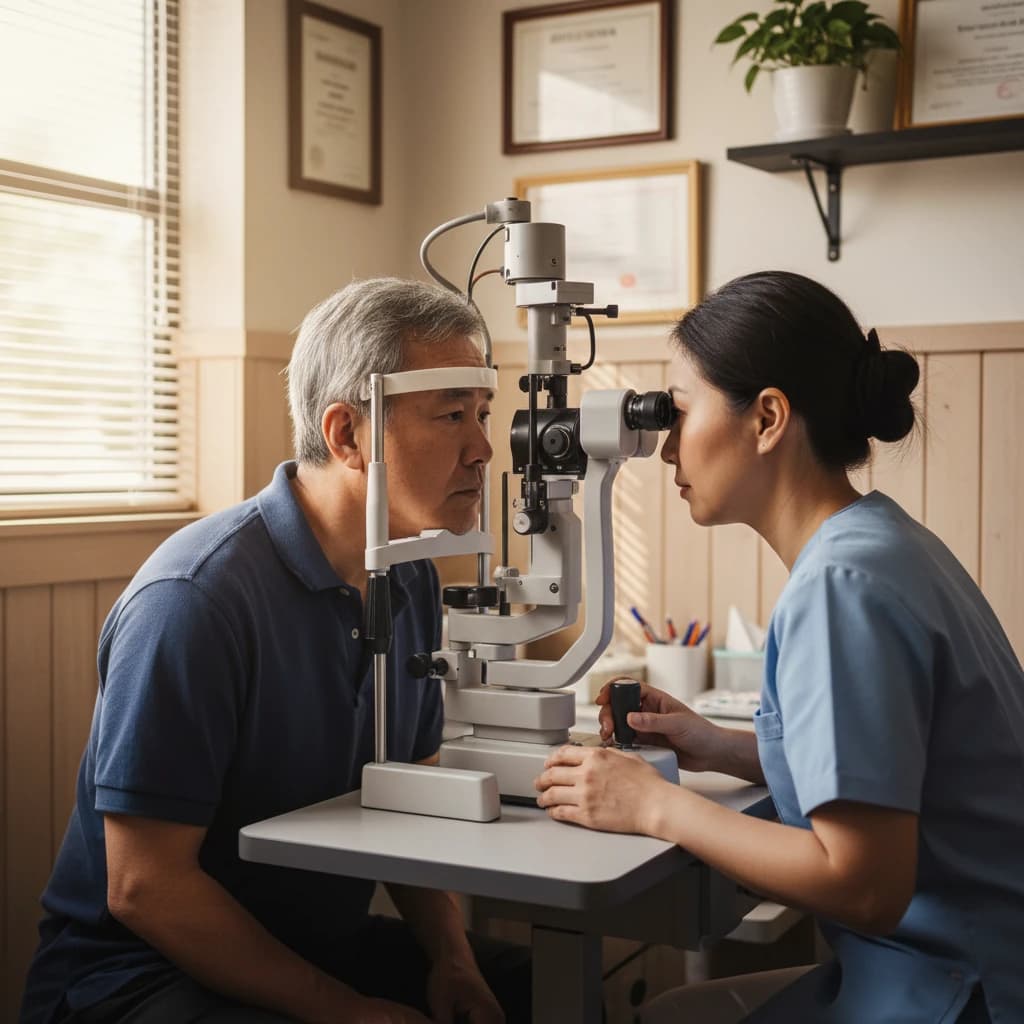
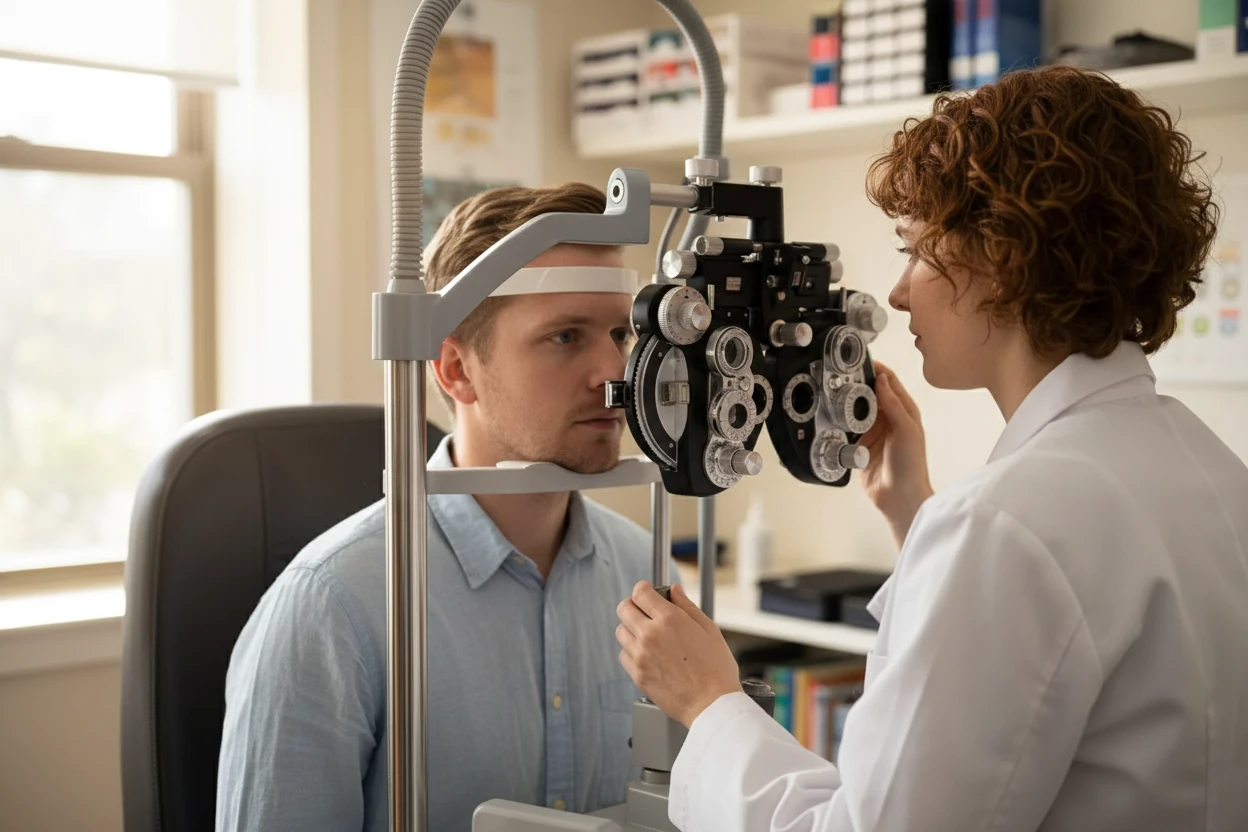
Diagnosing glaucoma requires a comprehensive eye examination by an eye care specialist, including specialized tests beyond routine vision correction exams5 15. The goal is to detect optic nerve damage and measure intraocular pressure.
Key diagnostic procedures include:
- Tonometry: Measures intraocular pressure, often using applanation tonometry, which requires anesthetic eye drops and gentle contact with the cornea5 .
- Pupil Dilation: Allows detailed examination of the optic nerve head for signs of glaucomatous damage5 .
- Visual Field Testing: Assesses peripheral vision loss characteristic of glaucoma5 .
- Gonioscopy: Evaluates the anterior chamber angle to differentiate between open-angle and angle-closure glaucoma5 .
- Optic Nerve Imaging: Techniques like optical coherence tomography assess the nerve fiber layer and optic nerve head for damage5 .
Intraocular pressure fluctuates throughout the day, so multiple measurements may be needed for accurate assessment5 . Normal-tension glaucoma requires careful evaluation since optic nerve damage occurs without elevated eye pressure10 .
Glaucoma Treatment Options
Early detection and treatment are critical to preserving vision and slowing glaucoma progression10 . Treatment focuses on lowering intraocular pressure to prevent further optic nerve damage9 .
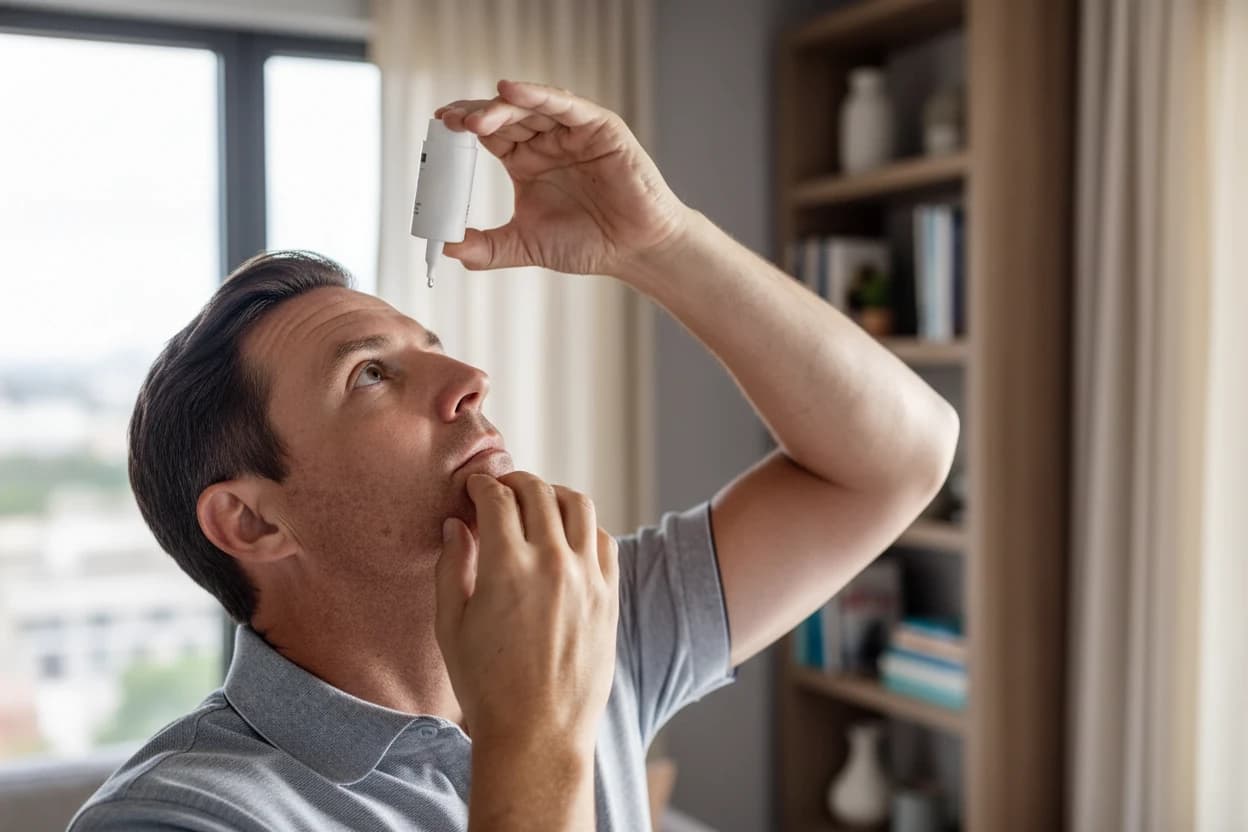
Eye Drops
Topical medications are the first-line treatment for most glaucoma patients9 . These eye drops work by either reducing aqueous humor production or increasing its outflow.
Common classes include:
- Beta-blockers: Decrease fluid production9 .
- Carbonic anhydrase inhibitors: Reduce aqueous humor formation9 .
- Miotic agents: Constrict the pupil to increase trabecular outflow9 .
Side effects may include ocular irritation, and some drugs can cause systemic effects such as bradycardia or bronchospasm9 . Adherence to prescribed dosing schedules is essential for effective pressure control9 .
Laser Treatment
Laser therapy can improve fluid drainage or reduce fluid production depending on the glaucoma type. It is often used when eye drops are insufficient or not tolerated9 15. Laser peripheral iridotomy is a common procedure for angle-closure glaucoma to open the blocked drainage angle9 .
Surgery
Surgical options are considered when medications and laser treatments fail to control intraocular pressure9 . Surgery aims to create new drainage pathways or improve existing ones to lower eye pressure9 . Congenital glaucoma often requires early surgical intervention for effective management9 .
Glaucoma Prevention Strategies
While glaucoma cannot be entirely prevented, early detection and treatment can reduce the risk of vision loss10 . Prevention strategies focus on regular eye exams and managing risk factors.
- Begin comprehensive eye screening by age 40, or earlier for high-risk groups5 10.
- Follow individualized screening intervals as advised by an eye care professional10 .
- Prophylactic treatment with eye drops or laser may be recommended for those at risk of angle-closure glaucoma9 .
- Manage systemic conditions such as diabetes and hypertension to lower glaucoma risk10 .
- Maintain a healthy lifestyle with weight control and blood pressure management10 .
Glaucoma Complications
Glaucoma causes irreversible optic nerve damage leading to permanent vision loss if untreated14 . Complications include:
- Progressive peripheral vision loss progressing to tunnel vision and eventual blindness5 .
- Painful end-stage absolute glaucoma with very high intraocular pressure causing severe eye pain12 .
- Increased risk of retinal vascular occlusions such as central retinal vein occlusion (CRVO), which can lead to neovascular glaucoma, a painful secondary glaucoma13 .
Early diagnosis and treatment are essential to prevent these serious outcomes10 .
Managing Life With Glaucoma
Living with glaucoma requires lifelong management and adherence to treatment to maintain stable eye pressure and preserve vision9 10. Vision loss from glaucoma can impact daily activities and quality of life18 .
- Glaucoma-related vision impairment may not be fully corrected by standard optical aids18 .
- Patients should communicate any medication side effects or changes in vision to their eye doctor promptly9 .
- Support organizations such as the American Academy of Ophthalmology and the Glaucoma Research Foundation provide educational resources and emotional support19 .
- Psychological impacts such as depression and anxiety are common in patients with vision loss, and counseling can improve quality of life20 .
Key Takeaways
- Glaucoma is a group of eye diseases causing optic nerve damage, often linked to increased eye pressure, and is a leading cause of irreversible blindness worldwide1 2.
- Early glaucoma is usually asymptomatic, making regular eye exams critical for early detection and treatment9 10.
- Primary open-angle glaucoma is the most common type, while angle-closure glaucoma requires urgent treatment to prevent rapid vision loss9 10.
- Treatment focuses on lowering intraocular pressure using eye drops, laser therapy, or surgery to slow disease progression9 5.
- Lifelong management, adherence to therapy, and support resources are essential for preserving vision and quality of life19 920.