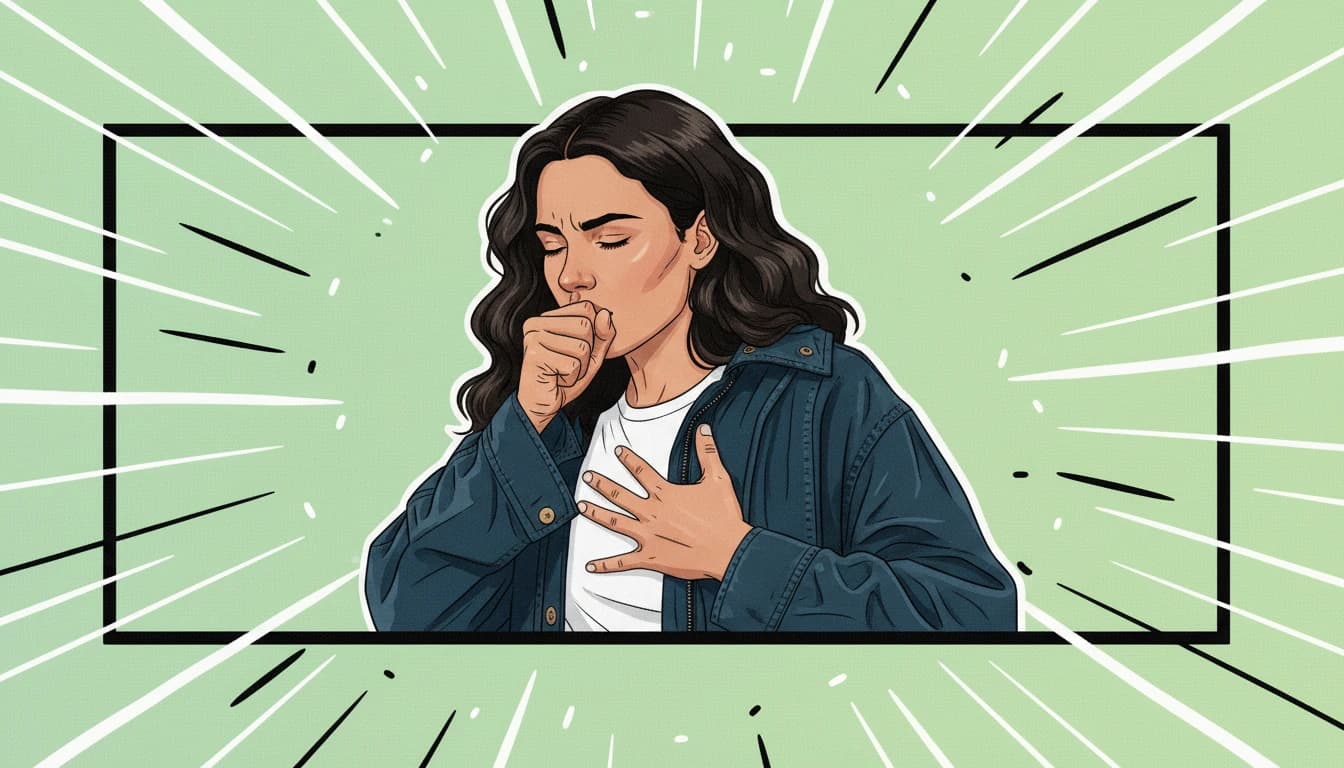
The common cold is the most frequent acute illness, affecting adults 2 to 6 times per year and children even more often1 2. Symptoms usually last between 7 and 14 days, with most people feeling better after the first week1 3. While colds are generally mild and self-limited, some cases require medical attention to prevent complications or address more serious conditions4 5. Understanding when to seek care can help ensure timely treatment and avoid unnecessary antibiotic use.
When to Visit a Doctor for a Cold
1. You Have Severe Symptoms
Most colds cause symptoms such as nasal congestion, sneezing, sore throat, cough, malaise, and headache6 7. However, if you experience severe symptoms, it is important to seek medical care promptly. These include:
- Difficulty breathing or shortness of breath, which may indicate asthma, pneumonia, or other serious lung conditions8 94.
- Chest pain or tightness, which could signal complications requiring urgent evaluation8 4.
- High fever lasting more than 4 days or a fever that does not respond to over-the-counter medications8 10.
- Severe pain when swallowing, which may suggest bacterial infections like strep throat11 9.
- Facial pain or pressure around the sinuses, potentially indicating bacterial sinusitis12 4.
Severe symptoms may also be caused by influenza or COVID-19, which require specific testing and treatment13 12. Early diagnosis and isolation of infectious respiratory diseases help prevent spread to others14 .
2. Your Symptoms Aren't Going Away
Cold symptoms typically last 7 to 14 days, with most improvement after the first week1 3. If symptoms worsen or do not improve after 10 days, it is advisable to see a doctor4 58. Persistent or worsening symptoms may signal secondary bacterial infections such as sinusitis, pneumonia, or otitis media, which may require antibiotics5 4. Signs to watch for include:
- Persistent or worsening cough, especially if producing yellow or green mucus9 4.
- Fever lasting longer than 10 days or recurring after initial improvement4 8.
- Nasal congestion and discharge that do not resolve or worsen despite home treatment11 4.
- Symptoms that improve but then return or new symptoms develop15 .
In children, a cough lasting more than 2 to 3 weeks may warrant testing for whooping cough (pertussis) 8. It is also important to monitor infants and young children carefully, as they may be more vulnerable to complications4 9.
💡 Did You Know?
Most cold symptoms improve within 7 to 10 days, but a cough or congestion can last up to 14 days7 1.
3. You Have Other Health Concerns
Certain groups are at higher risk for complications from a cold and should seek medical advice sooner. These include:
- Infants and young children, especially those under 3 months with fever4 9.
- Older adults and people with weakened immune systems4 9.
- Individuals with chronic respiratory diseases such as asthma or chronic obstructive pulmonary disease (COPD) 49.
- People with other chronic health conditions that may worsen with respiratory infections4 15.
If you have underlying health concerns and develop cold symptoms, contact your healthcare provider early to discuss management and possible testing for influenza or COVID-1913 15.
Antibiotics do not work for colds because colds are caused by viruses and antibiotics are for fighting bacteria.
— Brittany Chan, MD, Texas Children’s Pediatrics16
What to Expect at the Doctor
When you visit a healthcare provider for a cold, the diagnosis is primarily clinical, based on your history and physical examination1 17. The doctor will assess your symptoms, duration, and severity to determine if further testing or treatment is needed.
- Testing for influenza or COVID-19 may be performed if symptoms are severe, if you are at risk for complications, or during relevant seasons13 14.
- If bacterial sinusitis or otitis media is suspected, antibiotics may be prescribed, but only when bacterial infection is confirmed5 18.
- Symptomatic treatments such as acetaminophen or nonsteroidal anti-inflammatory drugs (NSAIDs) may be recommended to relieve fever and pain1 19.
- Bronchodilators can be used if wheezing or asthma exacerbations occur due to viral infections6 .
- The provider may advise on when to seek further care if symptoms worsen or complications develop19 .
Urgent care centers and retail clinics can provide appropriate care for non-emergency respiratory infections, reducing unnecessary exposure in healthcare settings17 .
While we often think of the 'big 3' respiratory viruses—influenza (flu), SARS-CoV-2 (the virus that causes COVID-19), or respiratory syncytial virus (RSV)—as common causes of respiratory virus symptoms, there are many more viruses out there that cause what we generically refer to as the common cold.
— Erica S. Shenoy, MD, PhD, Massachusetts General Hospital20
Cold Home Remedies and Care
Since the common cold is a viral infection with no cure, home care focuses on symptom relief and supporting the immune system6 19. Effective home remedies include:
- Drinking plenty of fluids such as water, juice, clear broth, or warm lemon water with honey to prevent dehydration and loosen mucus21 19.
- Getting adequate rest to help the body fight the infection21 19.
- Using saline nasal sprays or drops to relieve nasal congestion; for infants, saline drops combined with gentle suctioning are recommended21 22.
- Using a cool-mist humidifier or vaporizer to add moisture to the air, which can ease nasal stuffiness and sore throat21 19.
- Gargling with warm salt water to soothe sore throat pain23 21.
- Taking over-the-counter pain relievers like acetaminophen or ibuprofen to reduce fever and relieve aches, but these do not shorten illness duration1 19.
- Using honey for cough relief in children over 1 year old; honey should not be given to infants under 1 year due to risk of botulism16 21.
Over-the-counter cold medicines may provide symptom relief for adults and children over 6 years, but they are not recommended for younger children due to potential harms and lack of proven benefit22 1624. Decongestants can help with nasal stuffiness but should be used cautiously and not for more than three days to avoid rebound congestion1 19.
Zinc lozenges may reduce the duration of cold symptoms if started early, but evidence is inconsistent and they can have side effects25 19.
The best relief from a cold comes from taking care of yourself with rest, hydration, and symptom management. Avoid unnecessary antibiotics and consult your healthcare provider if symptoms worsen or last longer than expected. 1921
Cold Symptoms Summary
The common cold is a benign, self-limited viral infection characterized by:
- Nasal stuffiness and discharge, sneezing, sore throat, cough, and hoarse voice6 7.
- General symptoms such as malaise and headache6 .
- Symptoms typically last 7 to 14 days, with most patients improving after the first week1 3.
- Complications like bacterial sinusitis or pneumonia are uncommon but require medical evaluation if suspected12 14.
Antibiotics are not effective against viral colds and should only be used for confirmed bacterial infections18 5. Symptomatic therapies remain the mainstay of treatment, aiming to improve quality of life during illness19 .
| Aspect | Details | Source(s) |
|---|---|---|
| Common viruses | Rhinovirus (30–50%), Coronavirus (10–15%) | 71 |
| Symptom duration | 7–14 days, usually improving after 7 days | 13 |
| Annual colds per adult | 2–6 | 12 |
| Annual colds per child | 6–10 | 12 |
| Antibiotic use | Not recommended unless bacterial infection confirmed | 518 |
| Testing importance | Early testing for flu/COVID-19 if severe symptoms | 1314 |