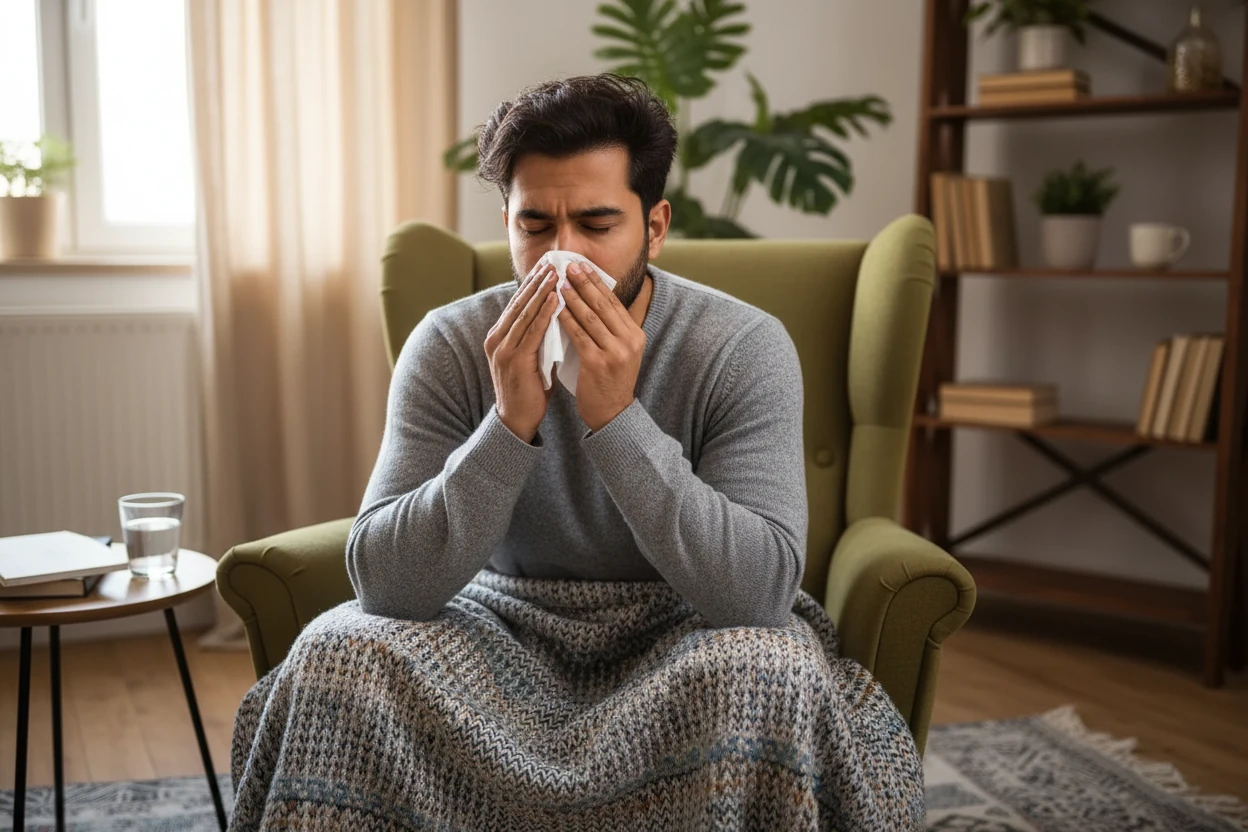
This winter, the United States is experiencing a surge of four major viruses simultaneously, often called a "quad-demic." These include COVID-19, influenza (flu), respiratory syncytial virus (RSV), and norovirus, all contributing to increased illness and hospital visits across the country1 . While COVID-19 cases have peaked and are declining in many areas, emergency department visits and hospitalizations remain elevated due to these overlapping infections2 . Understanding these viruses, their symptoms, and how to prevent their spread is crucial for staying healthy during this challenging season3 .
Common Respiratory Illnesses This Winter
The primary respiratory viruses circulating this winter are COVID-19, influenza, and respiratory syncytial virus (RSV) 1. These viruses affect the lungs and airways, causing symptoms that range from mild to severe and can lead to hospitalization, especially in vulnerable populations such as children, older adults, and those with underlying health conditions4 .
Historically, respiratory viruses like RSV and influenza followed predictable seasonal patterns, peaking in winter months in temperate climates5 . However, the COVID-19 pandemic disrupted these cycles, leading to atypical timing and intensity of outbreaks5 . Climate change also plays a role by influencing viral biology, host susceptibility, and human behavior, which together affect viral transmission dynamics6 .
The Centers for Disease Control and Prevention (CDC) expects the 2025-2026 respiratory disease season to have a similar combined peak hospitalization rate for COVID-19, influenza, and RSV as last season7 . Last year’s influenza season was classified as high severity and was the main driver of hospitalizations, while new RSV immunization products introduced in 2023 helped reduce RSV hospitalizations among infants and older adults7 . COVID-19 activity is currently increasing in the summer months, which may influence the timing and severity of infections during the upcoming fall and winter7 .
Symptoms of these respiratory illnesses often overlap, including fever, cough, fatigue, sore throat, runny or stuffy nose, headache, and body aches4 . RSV symptoms can be particularly severe in infants and older adults, sometimes causing wheezing and breathing difficulties4 . COVID-19 symptoms vary widely but commonly include chills, cough, and loss of taste or smell3 .
Hospitals are currently experiencing high patient volumes, with emergency department visits rated "high" for flu and "very high" for RSV, while COVID-19 visits remain elevated1 . Vaccination remains the most effective way to reduce severe illness from these viruses, but coverage rates are still low. As of early January, only 43.4% of adults were vaccinated against the flu, 22.8% received the updated COVID-19 vaccine, and 44.5% of adults aged 75 and older had the RSV vaccine1 .
Key features of the main respiratory viruses this winter:
- COVID-19: Affects the respiratory tract with symptoms ranging from mild to severe; vaccination available but coverage low3 1.
- Influenza: Peaks in winter; vaccination reduces risk though effectiveness varies yearly; last season was high severity8 7.
- RSV: Particularly dangerous for infants, young children, and older adults; new vaccines have reduced hospitalizations7 3.
- Symptoms overlap but can include fever, cough, fatigue, and sore throat4 .
Four viruses are currently circulating in the United States, leading to what is called a "quad-demic." Emergency visits for flu and RSV are at high levels, and norovirus cases are rising unusually early this season. Hospitals are near capacity, highlighting the importance of prevention and vaccination1 .
Norovirus Symptoms and Spread
Norovirus, often called the "stomach flu," is a highly contagious virus that causes gastrointestinal illness characterized by vomiting and diarrhea3 . Unlike the respiratory viruses, norovirus primarily affects the digestive system but is contributing significantly to the current quad-demic1 .
This season, norovirus outbreaks have been unprecedented, with positive test rates reaching nearly 28%, the highest since 20191 . The rapid increase in norovirus cases alongside the peak of respiratory viruses is unusual, as norovirus typically rises in winter but not so sharply or early1 . Norovirus spreads easily through contaminated food, surfaces, and close contact with infected individuals.
A new norovirus strain becomes predominant every few years, and infection with one strain does not guarantee immunity against others, which explains recurrent outbreaks1 . Currently, there is no vaccine available to prevent norovirus infection, making hygiene and sanitation critical for control1 .
Norovirus key points:
- Causes vomiting, diarrhea, and stomach cramps3 .
- Highly contagious and spreads via contaminated food, surfaces, and person-to-person contact1 .
- No vaccine is available; prevention relies on good hygiene1 .
- New strains emerge regularly, so immunity is not long-lasting1 .
Norovirus outbreaks are occurring at the highest levels seen since 2019, coinciding with the respiratory virus season peak. This overlap creates additional strain on healthcare systems1 .
Additional Seasonal Illnesses to Watch
Beyond the main four viruses, several other respiratory illnesses circulate seasonally and can cause mild to severe symptoms. These include common cold viruses, adenoviruses, human metapneumovirus (HMPV), parainfluenza viruses, rhinoviruses, and bacterial infections like group A streptococcus and pneumococcal disease9 .
- Common cold viruses cause mild upper respiratory symptoms such as cough, runny nose, sneezing, and sore throat, usually worsening over a few days4 9.
- Adenoviruses can cause cold-like symptoms but also bronchitis, pneumonia, conjunctivitis, and gastroenteritis; they spread year-round9 .
- HMPV causes cough, fever, and nasal congestion, sometimes progressing to bronchitis or pneumonia, with a season lasting from winter through spring9 .
- Parainfluenza viruses are linked to croup and pneumonia, peaking in fall and spring depending on the subtype9 .
- Rhinoviruses are a common cause of colds and asthma attacks, peaking in spring and late summer/fall9 .
- Bacterial infections like group A strep (causing strep throat) and pneumococcal disease (causing ear infections, pneumonia) are more common in winter and early spring9 .
These illnesses often have overlapping symptoms with the quad-demic viruses but tend to be less severe in healthy individuals. However, they can complicate illness in children, older adults, and immunocompromised persons9 .
Seasonal illnesses to watch:
- Common cold viruses4
- Adenoviruses9
- Human metapneumovirus (HMPV) 9
- Parainfluenza viruses9
- Rhinoviruses9
- Group A streptococcus and pneumococcal infections9
Other respiratory viruses and bacterial infections continue to circulate alongside the quad-demic viruses, contributing to the overall burden of respiratory illness this season9 .
Preventing Winter Virus Transmission
Preventing the spread of these viruses requires a combination of personal hygiene, vaccination, and public health measures. Respiratory illnesses spread mainly through droplets when infected people cough, sneeze, or talk, while norovirus spreads through contaminated surfaces and close contact10 1.
Core strategies can help prevent the spread of viruses that cause common respiratory illnesses, emphasizing hygiene and vaccination as key tools to reduce infection and protect vulnerable populations10 .
Key strategies to reduce transmission include:
- Washing hands frequently with soap and water, especially after using the bathroom and before eating10 1.
- Covering mouth and nose with a tissue or elbow when coughing or sneezing to prevent droplet spread10 .
- Staying home and isolating when feeling sick to avoid infecting others10 3.
- Cleaning and disinfecting frequently touched surfaces regularly, particularly to prevent norovirus spread1 .
- Getting vaccinated against COVID-19, influenza, and RSV if eligible, to reduce the risk of severe illness and hospitalization7 1.
Vaccination remains the cornerstone of prevention for respiratory viruses. Despite the availability of vaccines for flu, COVID-19, and RSV, coverage rates are suboptimal, leaving many people vulnerable1 . The flu vaccine’s effectiveness varies yearly due to viral evolution but still significantly reduces severe illness and hospitalizations8 . New RSV vaccines targeting high-risk groups have shown promise in lowering hospitalizations7 .
💡 Did You Know?
The CDC expects the 2025-2026 respiratory season to have a similar combined peak hospitalization rate for COVID-19, flu, and RSV as last season, highlighting the ongoing importance of vaccination and preventive measures7 .
Summary of prevention tips
- Frequent handwashing10
- Respiratory etiquette (cover coughs/sneezes) 10
- Stay home if sick10
- Disinfect surfaces regularly1
- Vaccinate against flu, COVID-19, and RSV7 1