Iron deficiency anemia affects millions of people worldwide, with about 10 million affected in the U.S. alone and 5 million having iron deficiency anemia specifically1 . This condition occurs when the body lacks enough iron to produce healthy red blood cells, leading to reduced oxygen delivery to tissues and resulting in fatigue and other symptoms2 . Early detection and treatment are essential to prevent complications and improve quality of life3 .
Iron Deficiency Anemia Symptoms
Iron deficiency anemia symptoms often develop gradually and may be mild or unnoticed in early stages4 . As the anemia worsens and oxygen delivery to tissues decreases, symptoms become more apparent5 . Fatigue is the hallmark symptom and is frequently reported by patients6 . Other common symptoms include weakness, shortness of breath, and pallor (pale skin) 7.
Additional symptoms can include cold intolerance, pica (craving non-food items such as ice), and glossitis (inflammation or soreness of the tongue) 8910. Patients may also experience chest pain or dyspnea (shortness of breath) on exertion11 . The severity of symptoms generally correlates with the degree of anemia and how quickly hemoglobin levels decline5 .
Causes of Iron Deficiency Anemia
Iron deficiency anemia results from insufficient iron available for hemoglobin synthesis, which can be due to inadequate intake, poor absorption, or excessive loss4 . The body initially uses stored iron to maintain red blood cell production, but depletion of these stores leads to anemia12 13.
Inadequate Iron Intake
Dietary iron deficiency is a common cause of iron deficiency anemia14 . Iron must be obtained from food because the body cannot synthesize it15 . The recommended dietary allowance (RDA) for iron varies by age, sex, and physiological state such as pregnancy, with higher requirements during growth periods and menstruation15 16. For example, infants 7-12 months require about 11 mg of iron daily, while children 4-8 years need about 10 mg17 .
Poor diet lacking in iron-rich foods such as meat, poultry, fish, legumes, and fortified cereals can lead to inadequate iron intake18 .
Problems Absorbing Iron
Iron absorption occurs primarily in the small intestine, and conditions affecting this area can impair iron uptake18 . Gastrointestinal diseases such as celiac disease, Crohn’s disease, or surgeries like gastric bypass can reduce iron absorption18 15. Medications that reduce stomach acid, such as proton pump inhibitors, may also decrease iron absorption19 .
Blood Loss
Excessive blood loss is a major cause of iron deficiency anemia because blood contains iron within red blood cells4 . Common sources of blood loss include heavy menstrual bleeding, gastrointestinal bleeding from ulcers, polyps, cancers, or use of certain pain relievers like aspirin and ibuprofen18 3. Chronic bleeding from hemorrhoids, nosebleeds, or the urinary tract can also contribute20 .
Risk Factors
Certain groups are at higher risk for iron deficiency anemia due to increased iron needs or losses:
- Women with heavy menstrual periods1
- Pregnant and breastfeeding women15
- Infants and children during growth spurts21
- Vegetarians and vegans who may not consume enough bioavailable iron20
- Individuals with gastrointestinal diseases or surgeries affecting absorption20
- Frequent blood donors20
“More than one-third of women under 50 are iron deficient. This can be attributed to menstruation, which is the most common cause of iron deficiency in women of child-bearing age.”
— Amar Kelkar, MD, MPH, Dana-Farber Cancer Institute1
Diagnosing Iron Deficiency Anemia
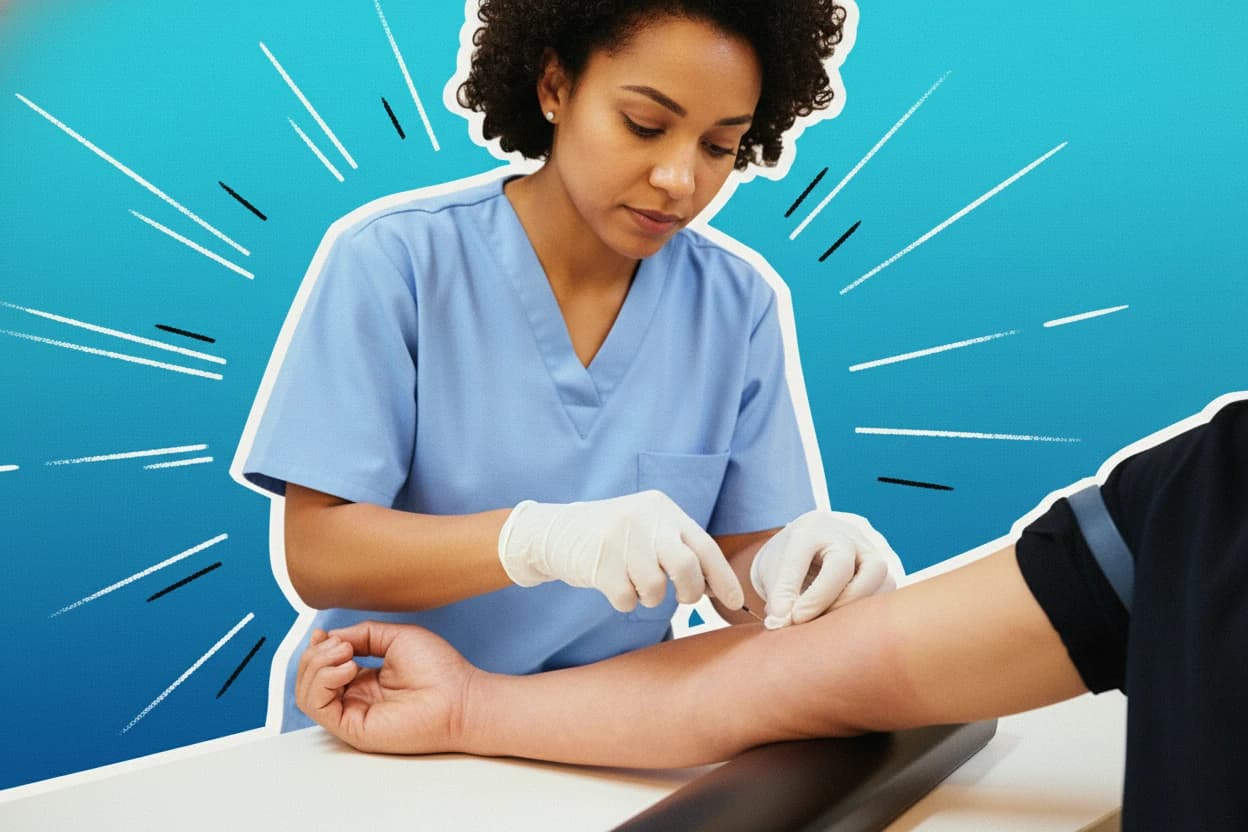
Diagnosis begins with clinical assessment and patient history, focusing on symptoms, dietary habits, and potential sources of blood loss22 . Laboratory tests are essential to confirm iron deficiency anemia and assess its severity23 .
A complete blood count (CBC) is a fundamental test that provides information on red blood cell count, size, shape, and hemoglobin concentration24 25. Iron deficiency anemia typically shows microcytic (small) and hypochromic (pale) red blood cells on peripheral smear26 27.
Additional tests include:
- Serum iron: measures iron content in the blood28
- Ferritin: reflects iron stores and is the most sensitive and specific test for iron deficiency29
- Transferrin: the main iron transport protein; levels are elevated in iron deficiency30 31
- Total iron-binding capacity (TIBC): usually increased in iron deficiency19
Ferritin levels below 15-30 ng/mL indicate depleted iron stores, but ferritin is an acute phase reactant and may be elevated in inflammation, requiring careful interpretation19 . In unclear cases, soluble transferrin receptor levels or bone marrow biopsy may be used19 .
Diagnostic procedures such as endoscopy or colonoscopy may be necessary to identify sources of blood loss, especially in men and postmenopausal women7 32.
“If men are iron deficient, it is almost always a sign of excess blood loss from the gastrointestinal tract and may be due to various pathological problems, including colon cancer.”
— Richard Eisenstaedt, MD, Abington, Pennsylvania1
Iron Deficiency Anemia Treatment Options
Treatment aims to restore iron stores, normalize hemoglobin levels, and address underlying causes33 . Options include dietary changes, iron supplements, intravenous iron, and blood transfusions.
Dietary Changes
Incorporating iron-rich foods into the diet is a key component of managing iron deficiency anemia34 . Good sources include:
- Red meat, poultry, and fish35
- Legumes such as beans and peas35
- Dark leafy greens like spinach and kale35
- Iron-fortified cereals and breads35
Vitamin C enhances the absorption of non-heme iron from plant-based foods and should be included in meals36 . Foods rich in vitamin C include citrus fruits, broccoli, peppers, and tomatoes7 .
Iron Supplements
Oral iron supplementation is the standard treatment and is effective in replenishing iron stores37 . Supplements are available in tablets, capsules, and liquids38 . They are best taken on an empty stomach or with vitamin C to improve absorption39 . Antacids and caffeine-containing beverages should be avoided around the time of iron intake as they inhibit absorption7 .
Common side effects include gastrointestinal discomfort, constipation, nausea, and dark stools20 . Treatment typically continues for several months to restore iron stores fully3 .
Intravenous (IV) Iron
IV iron is reserved for patients with severe anemia, malabsorption, intolerance to oral iron, or ongoing blood loss exceeding oral replacement capacity40 . It is administered in clinical settings as single or divided doses41 . While IV iron replenishes stores more rapidly, it does not necessarily speed hemoglobin recovery compared to oral iron42 .
Potential adverse effects include nausea and rare allergic reactions; extravasation can cause permanent skin staining42 .
Blood Transfusion
Blood transfusions are indicated in life-threatening anemia or when rapid correction is necessary43 . Transfusions provide immediate red blood cells but do not correct iron deficiency itself and are used as a temporary measure20 .
Preventing Iron Deficiency Anemia
Prevention focuses on maintaining adequate iron intake, supplementation for at-risk groups, and managing underlying causes of blood loss7 . Key preventive measures include:
- Consuming iron-rich and vitamin C-rich foods to enhance absorption7
- Taking iron supplements during pregnancy and periods of increased demand7
- Managing heavy menstrual bleeding or gastrointestinal conditions that cause blood loss7
- Limiting caffeine intake around meals to avoid inhibiting iron absorption7
Multivitamins containing iron may suffice for some individuals at risk7 .
Iron Deficiency Anemia Complications
Untreated iron deficiency anemia can lead to serious health problems including:
Iron deficiency anemia is the most common nutritional disorder worldwide and affects a significant portion of women of childbearing age due to menstrual blood loss. Early diagnosis and treatment are crucial to prevent complications such as heart problems and developmental delays in children1 7.
- Heart complications such as rapid or irregular heartbeat and heart failure due to increased cardiac workload7
- Increased susceptibility to infections due to weakened immunity7
- Pregnancy complications including preterm delivery, low birth weight, and postpartum depression7
- Growth and developmental delays in children, including cognitive impairment and attention deficits7 36
- Restless legs syndrome characterized by uncomfortable leg sensations and an urge to move7
Managing Iron Deficiency Anemia Daily
Living with iron deficiency anemia can be physically and emotionally challenging7 . Treatment often leads to symptom improvement within weeks and full recovery within months, but ongoing self-care is important7 . Patients should:
- Follow prescribed iron supplementation regimens and dietary recommendations7
- Rest as needed to manage fatigue and weakness7
- Seek support from family, friends, and healthcare providers7
- Monitor symptoms and report any lack of improvement or new concerns to their healthcare provider7
Oral iron supplements are the first-line treatment for iron deficiency anemia and are effective when taken properly with vitamin C and away from inhibitors like caffeine. Intravenous iron is reserved for cases where oral therapy is insufficient or not tolerated37 3940.
Iron Deficiency Anemia FAQs
How soon will I feel better after starting treatment?
Most people notice improvement in symptoms such as fatigue within 2-3 weeks of starting iron supplements, with full replenishment of iron stores taking several months44 .
Can I donate blood if I have iron deficiency?
Blood donation can worsen iron deficiency. It is important to have adequate iron stores before donating, and healthcare providers usually check hemoglobin but not ferritin levels before donation20 .
What foods should I avoid with iron deficiency anemia?
Avoid consuming coffee, tea, milk, egg whites, and soy protein around iron-rich meals or supplements as they can inhibit iron absorption7 .