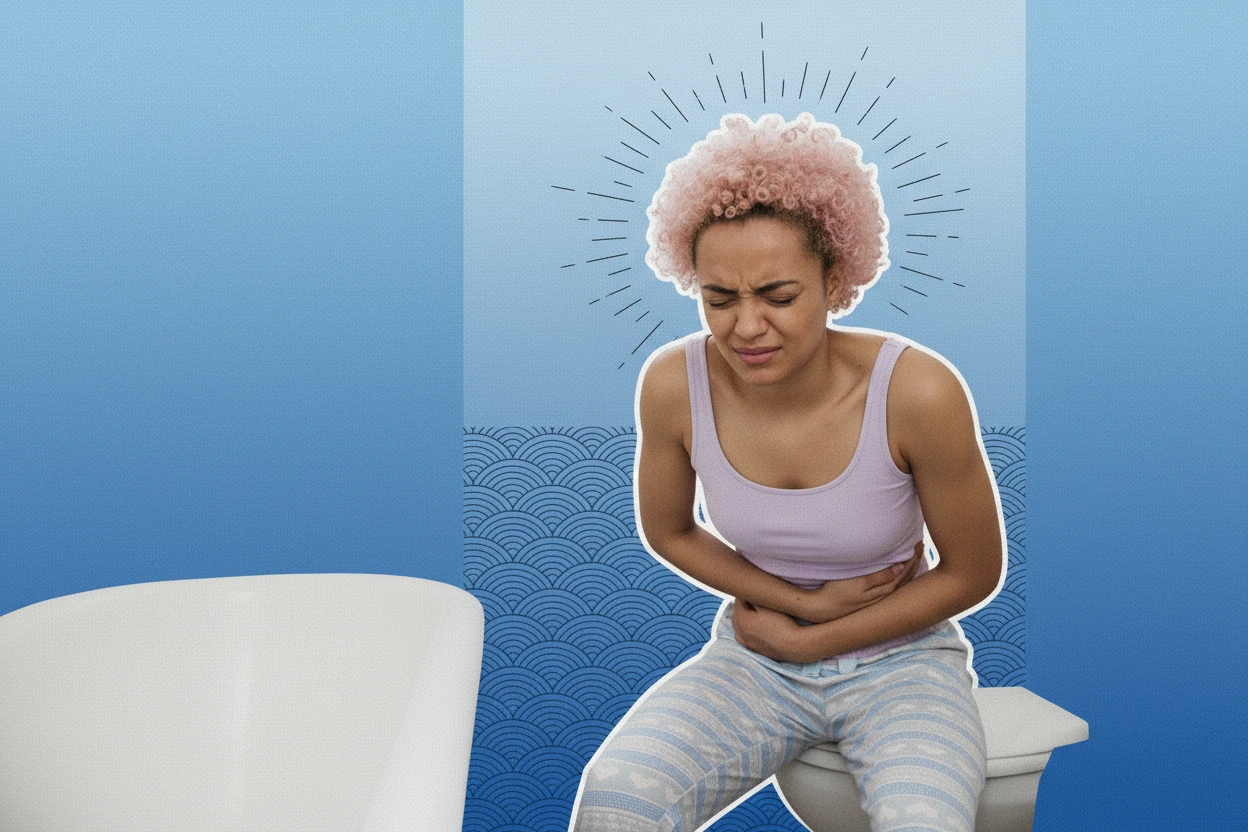
Uterine fibroids are common benign tumors that affect a large proportion of women of reproductive age, with up to 40% to 80% experiencing fibroids during their lifetime12. While many fibroids cause no symptoms, those that do can significantly impact quality of life through pain, heavy menstrual bleeding, and pressure symptoms2. Understanding the types of pain caused by fibroids and available treatment options is essential for effective management3.
Types of Uterine Fibroid Pain
Uterine fibroids can cause various types of pain and discomfort depending on their size, number, and location. The pain often arises from pressure on pelvic organs, nerve compression, or changes in blood supply to the fibroid tissue45.
Pelvic pain is a common symptom among women with fibroids. It can be chronic or cyclical, often worsening during menstruation. Chronic pelvic pain is significantly more common in women with diagnosed uterine fibroids compared to those without2. The sensation may be described as a dull ache or sharp cramps localized in the lower abdomen or pelvis4.
Large fibroids, especially those located on the posterior (back) side of the uterus, can compress branches of the lumbar plexus, including the obturator nerve. This compression may lead to lower back pain and radiating leg pain, sometimes causing difficulty walking5. Such nerve-related pain is less common but can be severe and disabling.
Fibroids can cause a sensation of fullness or pressure in the lower abdomen. This abdominal pressure may be accompanied by visible abdominal distension or bloating, sometimes making the abdomen appear enlarged or pregnant67. The pressure results from the fibroid mass occupying space in the pelvic or abdominal cavity8.
Dyspareunia, or pain during sexual intercourse, is reported by a significant proportion of women with uterine fibroids. Approximately 57% of women with fibroids experience this symptom, which can affect intimacy and quality of life4. The pain may be due to fibroid location or size causing mechanical irritation or pressure during intercourse2.
Fibroids can exert pressure on adjacent pelvic organs such as the bladder and rectum. This pressure may cause urinary frequency, urgency, or difficulty emptying the bladder. Similarly, rectal pressure can lead to constipation or discomfort during bowel movements67. These symptoms often accompany the feeling of pelvic fullness or heaviness.
Severe Fibroid Pain Symptoms
Severe fibroid pain can arise from complications such as fibroid degeneration or rapid growth. Fibroid degeneration occurs when the fibroid outgrows its blood supply, leading to tissue death and acute pain910.
- Red degeneration is a rare but serious cause of acute, stabbing abdominal pain, often described as the worst pain experienced. It is more common during pregnancy or after treatment with gonadotropin-releasing hormone (GnRH) agonists9.
- Myxoid degeneration is an unusual form of fibroid degeneration that can also present as acute abdominal pain11.
- Severe pain from degeneration may require prompt medical or surgical intervention to manage symptoms and prevent complications10.
In addition to pain, women with fibroids may experience chronic pelvic pain (14.5% vs. 2.9% in women without fibroids) and painful sexual intercourse (23.5% vs. 9.1%)2. Large fibroids can also cause abdominal bloating and a palpable pelvic mass8.
Common Fibroid Symptoms and Complications
Beyond pain, uterine fibroids often cause a range of symptoms and complications that affect daily life and reproductive health.
- Heavy menstrual bleeding is the most common symptom, affecting up to 59.8% of women with fibroids212.
- Fibroids may contribute to infertility, early pregnancy loss, and complications during pregnancy such as antepartum and postpartum hemorrhage613.
- Pelvic pressure symptoms include abdominal distension, bloating, and urinary or bowel disturbances6.
- Anemia can result from chronic heavy bleeding, leading to fatigue and weakness14.
- Fibroids may cause back or leg pain due to nerve compression5.
These symptoms can significantly impact physical, emotional, social, and financial aspects of life8.
Treatment Options for Fibroid Pain
Treatment for uterine fibroids is individualized based on symptom severity, fibroid characteristics, and patient goals such as fertility preservation1215. Options range from conservative management to surgery.
For women with mild or no symptoms, watchful waiting or conservative management may be appropriate. Fibroids often grow slowly or remain stable, and symptoms may improve after menopause when hormone levels decline16. Regular monitoring with pelvic exams or imaging is recommended17.
Surgical options depend on fibroid size, number, location, and fertility desires.
- Myomectomy involves removal of fibroids while preserving the uterus, suitable for women wishing to maintain fertility. It can be performed hysteroscopically, laparoscopically, or via laparotomy depending on fibroid characteristics1819.
- Hysterectomy is the definitive treatment involving removal of the uterus. It cures fibroids but eliminates fertility and is generally reserved for women who do not desire future pregnancies or have severe symptoms1819.
- Minimally invasive procedures such as uterine artery embolization (UAE) and laparoscopic radiofrequency ablation (RFA) reduce fibroid size by cutting off blood supply or destroying tissue. These options preserve the uterus but may not be suitable for women seeking pregnancy192021.
Nonsteroidal anti-inflammatory drugs (NSAIDs) like ibuprofen and naproxen are commonly used to reduce pain and menstrual bleeding associated with fibroids. While they do not shrink fibroids, they help manage discomfort and cramping1214.
Hormonal therapies, including birth control pills and progestin-releasing intrauterine devices (IUDs), are effective in managing heavy bleeding and painful periods. They do not reduce fibroid size but can improve symptoms and regulate menstrual cycles31214.
GnRH agonists reduce estrogen and progesterone production, leading to temporary fibroid shrinkage and symptom relief. They are often used preoperatively to reduce fibroid size or to induce a menopause-like state. However, fibroids typically regrow after discontinuation, and side effects such as hot flashes and mood changes may occur3912.
| Treatment Option | Purpose | Fertility Preservation | Notes |
|---|---|---|---|
| Myomectomy | Remove fibroids | Yes | Multiple approaches; recovery time varies |
| Hysterectomy | Remove uterus (definitive cure) | No | Eliminates fibroids permanently |
| Uterine Artery Embolization | Shrink fibroids by blocking blood flow | Usually no | Minimally invasive; not recommended for pregnancy |
| Radiofrequency Ablation | Destroy fibroid tissue | Usually no | Minimally invasive; suitable for smaller fibroids |
| NSAIDs | Pain relief | Yes | Symptom management only |
| Oral Contraceptives | Control bleeding and pain | Yes | Does not shrink fibroids |
| GnRH Agonists | Shrink fibroids temporarily | Yes | Short-term use; side effects common |
| Sources:391214 | |||
When to See a Healthcare Provider
Women should seek medical evaluation if they experience symptoms suggestive of uterine fibroids, especially if symptoms interfere with daily activities or quality of life1222.
- Heavy or irregular vaginal bleeding
- Pelvic pain or pressure that does not improve
- Pain during intercourse
- Feeling fullness or swelling in the lower abdomen
- Urinary or bowel difficulties
- Signs of anemia such as fatigue or weakness
Early diagnosis and individualized treatment planning can prevent complications such as infertility or the need for invasive surgery1222.
“If you have fibroids and are experiencing heavy bleeding, irregular cycles, pelvic pressure, or pain with intercourse, then they're a problem.”3
Summary of Fibroid Pain and Treatment
- Uterine fibroids are common benign tumors that can cause pelvic pain, lower back pain, abdominal pressure, pain during intercourse, and pressure on the bladder or rectum.
- Severe pain may result from fibroid degeneration or rapid growth.
- Common symptoms also include heavy menstrual bleeding and reproductive complications.
- Treatment is tailored to symptom severity, fibroid characteristics, and patient goals.
- Management options range from watchful waiting and medical therapies (NSAIDs, hormonal treatments) to surgical interventions such as myomectomy and hysterectomy.
- Minimally invasive procedures like uterine artery embolization and radiofrequency ablation offer uterus-preserving alternatives for symptom relief.
- Early consultation with a healthcare provider is important for symptom management and to prevent complications.
- Women should feel empowered to seek second opinions and discuss all treatment options to find the best approach for their individual needs.