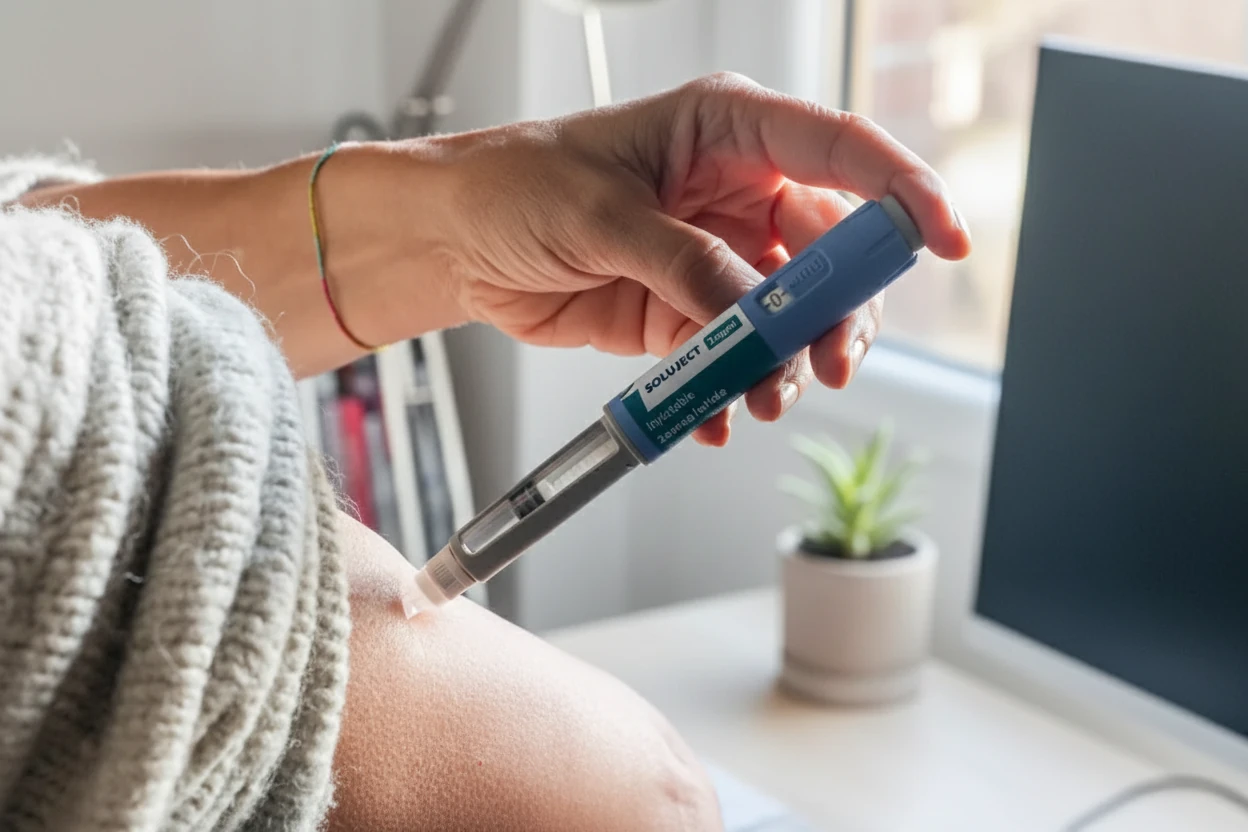
Colorectal cancer is the third most common cancer worldwide, affecting approximately 2 million people globally each year1 2. People with obesity and type 2 diabetes face a higher risk of developing colorectal cancer, making prevention and risk reduction critical for these populations3 4. Recent research suggests that glucagon-like peptide-1 receptor agonists (GLP-1 RAs), such as Ozempic, may reduce the risk of colorectal cancer, particularly in people with overweight or obesity5 6.
Colorectal Cancer Risk Factors
Colorectal cancer (CRC) arises from a combination of genetic and environmental factors, with obesity and diabetes being significant contributors to increased risk7 3. Obesity is associated with a 27% higher risk of developing colorectal cancer compared to nonobese individuals3 . Additionally, type 2 diabetes is linked to a greater risk of colorectal cancer, partly due to chronic inflammation and metabolic disturbances4 8.
Other lifestyle and health factors that increase colorectal cancer risk include:
“What has not been clear is how effective treating diabetes is at alleviating the high risk of cancers.”
— Daniel Landau, MD, The Mesothelioma Center14
- Low physical activity levels3
- Smoking, both active and passive3
- High consumption of salt and red meat3
- Inflammatory bowel diseases, which raise the risk of gastrointestinal malignancies9
- Excess body fat, which is linked to at least 13 types of cancer, including colorectal cancer10 11
Obesity promotes a pro-inflammatory state that can drive tumor development and progression. It also affects hormone regulation, including insulin and ghrelin, which may influence cancer risk10 12. Diabetes contributes to a pro-inflammatory environment and exposes tissues to high levels of glucose, fostering conditions favorable for cancer growth13 14.
GLP-1 receptor agonists like Ozempic are diabetes medications that also promote weight loss by regulating appetite hormones and slowing gut motility10 . These drugs have shown potential protective effects against colorectal cancer, possibly through both weight loss and other mechanisms such as reducing inflammation and tumor progression15 11.
“There are at least 13 types of cancer related to obesity including colorectal cancer, post-menopausal breast cancer, endometrial cancer, liver cancer, even some of the lymphomas and leukemias.”
— Anne McTiernan, MD, PhD, Fred Hutch Cancer Center11
GLP-1 RAs activate receptors that stimulate insulin production and regulate blood sugar levels. Beyond glucose control, they reduce appetite by affecting hunger hormones like ghrelin and leptin, leading to sustained weight loss10 . Weight loss itself is linked to a lower risk of obesity-related cancers, including colorectal cancer11 .
Additionally, GLP-1 RAs may reduce inflammation and inhibit tumor progression in metabolically vulnerable patients, offering cancer-protective effects beyond weight loss15 . Early studies indicate these drugs improve the function of natural killer cells, which help eliminate cancer cells before tumors develop11 .
💡 Did You Know?
While GLP-1 drugs modestly reduce the risk for 14 obesity-related cancers, the protective effect is especially strong for colorectal cancers, with 16% fewer colon cancer cases and 28% fewer rectal cancer cases observed in patients prescribed GLP-1 receptor agonists19 .
Colorectal Cancer Screening Prevention
Screening remains the most effective method to prevent colorectal cancer and reduce mortality. Guidelines recommend starting screening at age 45 for average-risk individuals, with earlier screening advised for those with family history or additional risk factors. Regular screening detects precancerous polyps and early-stage cancers, enabling timely intervention.
For people with obesity and diabetes, who have elevated colorectal cancer risk, maintaining a healthy weight and managing blood sugar are crucial preventive strategies14 . GLP-1 receptor agonists like Ozempic not only aid in diabetes management but also promote weight loss, which may further reduce colorectal cancer risk5 614.
“To our knowledge, this is the first study about this class of popular weight loss and diabetes drugs to show a reduced incidence of colorectal cancer compared with other antidiabetic drugs.”
— Rong Xu, PhD, Center for AI in Drug Discovery and Case Comprehensive Cancer Center, Case Western Reserve University School of Medicine5
Recent large cohort studies involving over 1.6 million patients with type 2 diabetes found that those treated with GLP-1 RAs had significantly lower risks of several obesity-associated cancers, including colorectal cancer, compared with patients treated with insulin16 . Specifically:
- 44% lower colorectal cancer incidence compared to insulin users in people without obesity5 6
- 50% lower colorectal cancer incidence compared to insulin users in people with overweight or obesity5 6
- 25–42% lower colorectal cancer incidence compared to metformin users, with stronger effects in those with excess weight5 6
These findings suggest GLP-1 RAs may offer a protective effect against colorectal cancer that is partly mediated by weight loss and partly due to other mechanisms such as reduced inflammation5 11.
Alongside medication, the best defense against colorectal cancer includes:
- Maintaining a healthy weight through diet and exercise14
- Managing diabetes effectively to reduce inflammation and glucose exposure14
- Avoiding tobacco use and limiting alcohol consumption3 14
- Eating a nutritious diet rich in fruits, vegetables, and fiber17 18
- Adhering to recommended colorectal cancer screening schedules
Early detection through screening can significantly reduce colorectal cancer incidence and mortality by identifying and removing precancerous lesions.