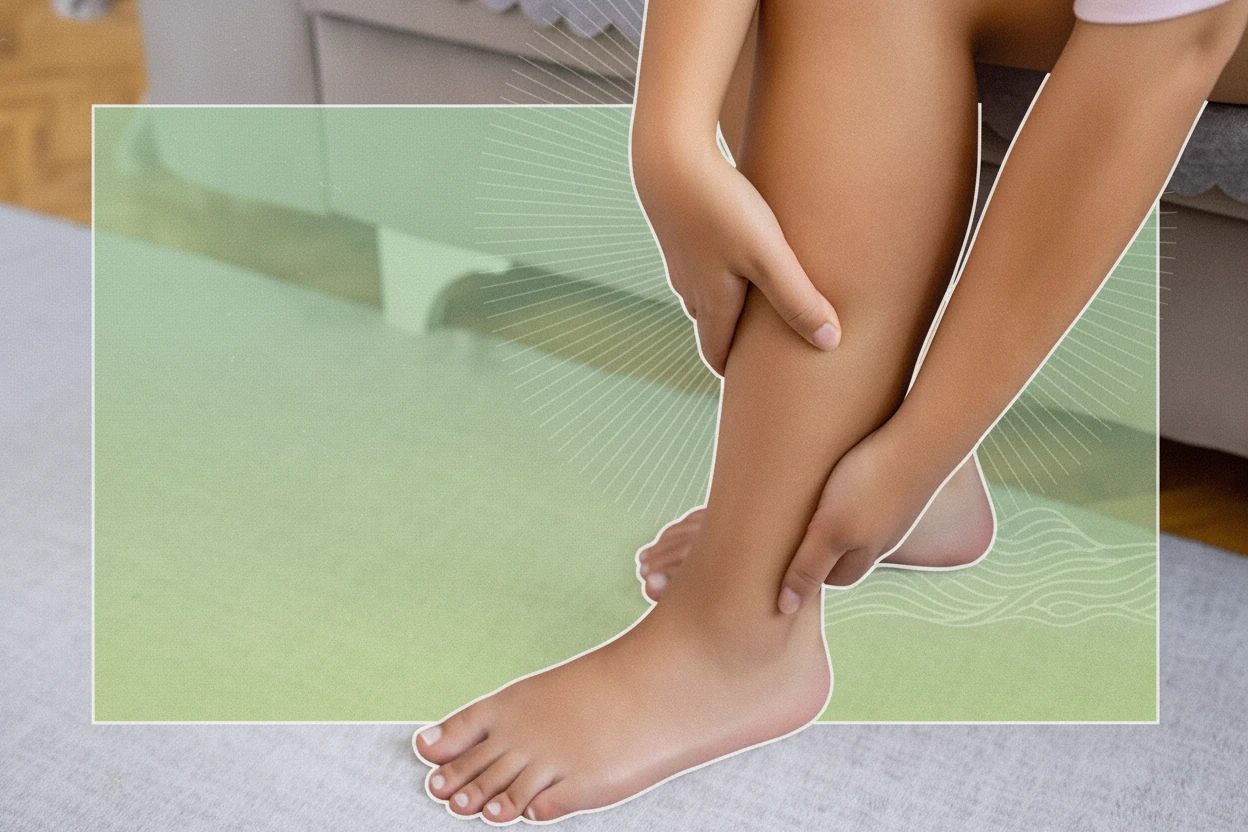
Swollen ankles, medically known as edema, are a common condition caused by fluid buildup in the tissues of the lower legs and feet1. This swelling can affect people of all ages but is especially frequent among older adults and pregnant women2. While often harmless and temporary, swollen ankles can sometimes signal underlying health problems such as heart, kidney, or liver disease3.
Identifying Swollen Ankles
Swollen ankles occur when excess fluid accumulates in the interstitial spaces of the lower limbs4. The interstitial space can hold large volumes of fluid—sometimes 2 to 3 liters—before swelling becomes visible5. Gravity plays a major role in this process, causing fluid to pool in the ankles and lower legs, which are the most dependent parts of the body when standing or sitting4.
A key clinical sign of swelling is pitting edema, where pressing on the swollen skin leaves a lasting indentation6. The skin over swollen ankles may look taut, shiny, and stretched7. Swelling can be either unilateral (one leg) or bilateral (both legs), depending on the cause4.
Symptoms may include a sensation of heaviness, aching, or reduced mobility, and in severe cases, swelling can impair walking and daily activities74. Acute swelling, such as from deep vein thrombosis (DVT), develops rapidly, while chronic conditions like venous insufficiency cause gradual swelling over time86.
Common Causes of Ankle Swelling
Swollen ankles have many causes, ranging from benign to serious. Understanding these causes helps guide treatment and prevention.
Chronic Venous Insufficiency
Chronic venous insufficiency (CVI) is a common cause of ankle swelling. It occurs when vein valves in the legs fail to prevent backward mcv blood test results meaning and normal range flow, leading to venous hypertension and fluid leakage into tissues9. This valve incompetence results from vein wall weakening and causes blood pooling in the lower limbs9. Risk factors include family history, prior deep vein thrombosis, obesity, and prolonged immobility9. Without treatment, CVI symptoms and edema tend to worsen9. Early intervention with compression therapy and lifestyle changes can improve outcomes9.
Medications
Certain medications can cause ankle swelling as a side effect. These include:
- Antidepressants such as monoamine oxidase (MAO) inhibitors and tricyclics110
- Blood pressure medications called calcium channel blockers110
- Hormones like estrogen (in birth control or hormone replacement therapy) and testosterone110
- Steroids and nonsteroidal anti-inflammatory drugs (NSAIDs)310
If swelling is suspected to be medication-related, consult a healthcare provider before stopping any drugs1.
Heart Failure
Heart failure can cause fluid retention leading to swelling in the ankles, especially in the evening11. When the heart cannot pump effectively, blood pools in the veins, increasing pressure and causing fluid to leak into surrounding tissues912. This swelling may be accompanied by other symptoms such as shortness of breath and fatigue12.
Cirrhosis
Liver cirrhosis affects the production of albumin, a protein that helps keep fluid in blood vessels. Low albumin levels cause fluid to leak into tissues, resulting in swelling in the legs, ankles, and sometimes abdomen10. Swelling related to liver disease often occurs with fatigue, loss of appetite, and weight gain10.
Kidney Disease
Kidney problems reduce the body's ability to remove excess fluid, leading to fluid buildup and swelling in the lower limbs10. Kidney disease-related edema may worsen over time and requires medical evaluation11.
Prolonged Standing or Sitting
Remaining in the same position for long periods causes blood to pool in the legs due to gravity, increasing fluid leakage into tissues41. This is common during long flights, car rides, or jobs requiring extended standing1.
Lymphedema
Lymphedema is swelling caused by lymphatic system dysfunction or blockage, leading to accumulation of protein-rich fluid in tissues67. It often develops after lymph node removal or radiation therapy in cancer patients10. The swelling is usually chronic and may cause skin changes and discomfort7.
Deep Vein Thrombosis
Deep vein thrombosis (DVT) is a blood clot in a deep leg vein that blocks blood flow back to the heart, causing sudden and painful swelling in one leg41. DVT is a medical emergency because clots can travel to the lungs, causing pulmonary embolism1213. Signs include redness, warmth, and tenderness in the affected leg13.
Pregnancy
Swelling during pregnancy is common due to increased blood volume and pressure from the growing uterus on pelvic veins110. Mild swelling is normal, but sudden or severe swelling may indicate preeclampsia, a serious condition requiring immediate medical attention110.
Foot Injury
Injuries such as ankle sprains or fractures cause localized swelling as part of the body's inflammatory response1410. Swelling from injury is usually accompanied by pain, bruising, and limited movement14.
When to See a Doctor
Medical evaluation is essential when ankle swelling is unexplained, persistent, or accompanied by other symptoms4. Seek immediate care if swelling occurs with:
- Chest pain or shortness of breath, which may indicate heart failure or pulmonary embolism912
- Redness, warmth, or fever, suggesting infection or inflammation913
- Sudden swelling in one leg, especially if painful, which may indicate DVT13
- Severe or sudden swelling during pregnancy, possibly signaling preeclampsia110
- Worsening swelling despite home care or if mobility is impaired4
A healthcare provider will perform a physical exam and may order tests such as blood work, ultrasound, or ECG to determine the cause115.
New ankle swelling should prompt a call to your doctor. A person can retain fluid for many reasons, including kidney or liver problems, heart conditions, malnutrition, thyroid disorders, and anemia1.
Treating Ankle Swelling
Treatment focuses on addressing the underlying cause and reducing fluid buildup94. Common approaches include:
- Leg elevation: Raising the legs above heart level several times daily helps fluid return to circulation41.
- Compression therapy: Wearing compression stockings or sleeves improves venous return and reduces swelling94.
- Physical activity: Regular movement and exercises promote circulation and lymphatic drainage415.
- Dietary sodium restriction: Limiting salt intake reduces fluid retention43.
- Diuretics: Water pills may be prescribed selectively for cardiac or renal causes to increase fluid excretion415.
- Manual lymphatic drainage: Specialized massage techniques can benefit patients with lymphedema7.
Home treatment is often effective for mild swelling, but persistent or severe cases require medical management13.
Swelling normally lasts for a few days. In the first two days, you will experience the most swelling, and it should start to reduce by the third day2.
Preventing Swollen Ankles
Prevention strategies aim to reduce the risk and severity of ankle swelling through lifestyle and medical measures4. Key recommendations include:
- Reducing dietary salt to limit fluid retention4.
- Maintaining a healthy body weight to decrease venous pressure4.
- Engaging in regular physical activity to improve circulation4.
- Avoiding prolonged standing or sitting; take breaks to move and elevate legs41.
- Using compression garments if at risk or recommended by a healthcare provider4.
Ongoing medical follow-up helps manage underlying conditions and prevent complications4.
💡 Did You Know?
Painless swelling of the feet and ankles is especially common among older adults and can result from various causes including venous insufficiency, medication side effects, and prolonged immobility1.
Key Takeaways
- Swollen ankles result from fluid buildup in the tissues, often due to venous, lymphatic, cardiac, renal, or medication-related causes94.
- Pitting edema and shiny, stretched skin are common signs of ankle swelling67.
- Chronic venous insufficiency is a leading cause, caused by vein valve failure and blood pooling9.
- Sudden, painful swelling in one leg may indicate deep vein thrombosis, a medical emergency413.
- Treatment includes leg elevation, compression therapy, exercise, salt restriction, and diuretics when appropriate43.
- Preventive measures focus on lifestyle changes and managing underlying health issues4.