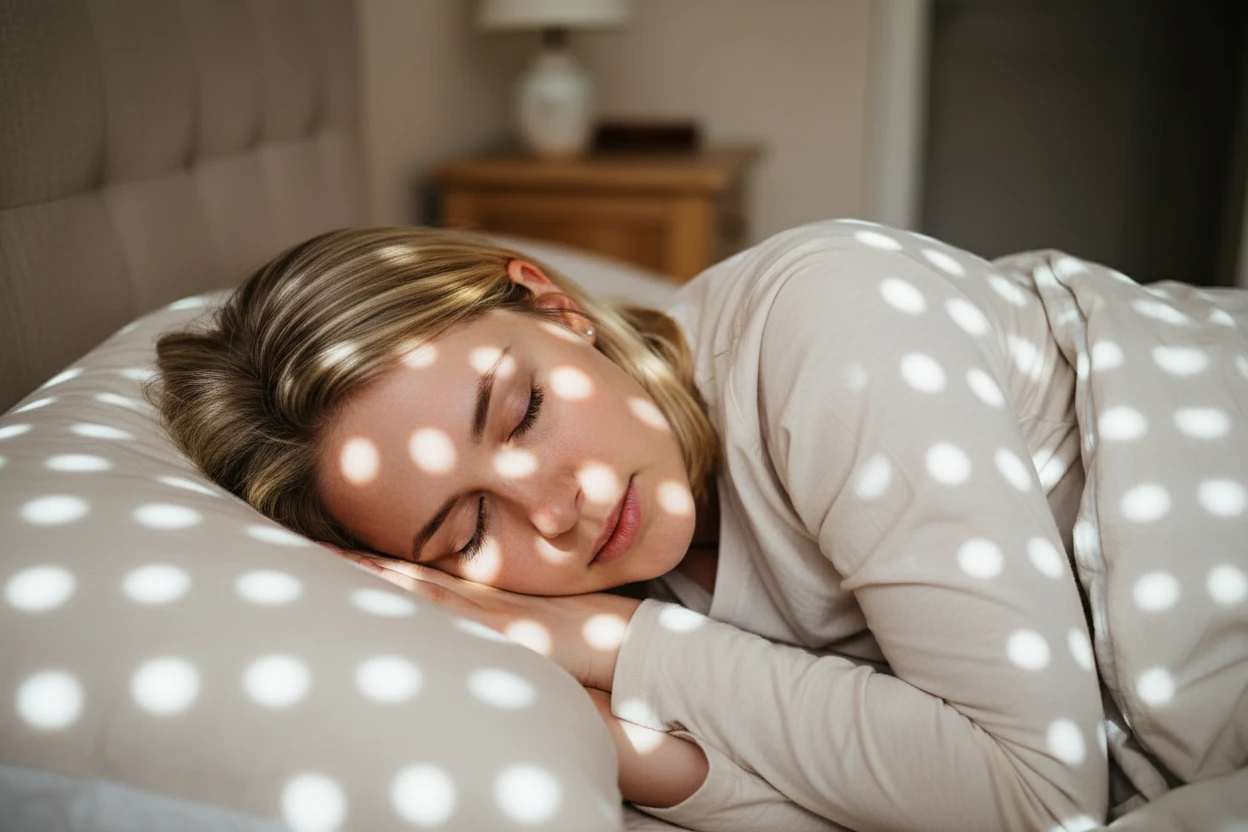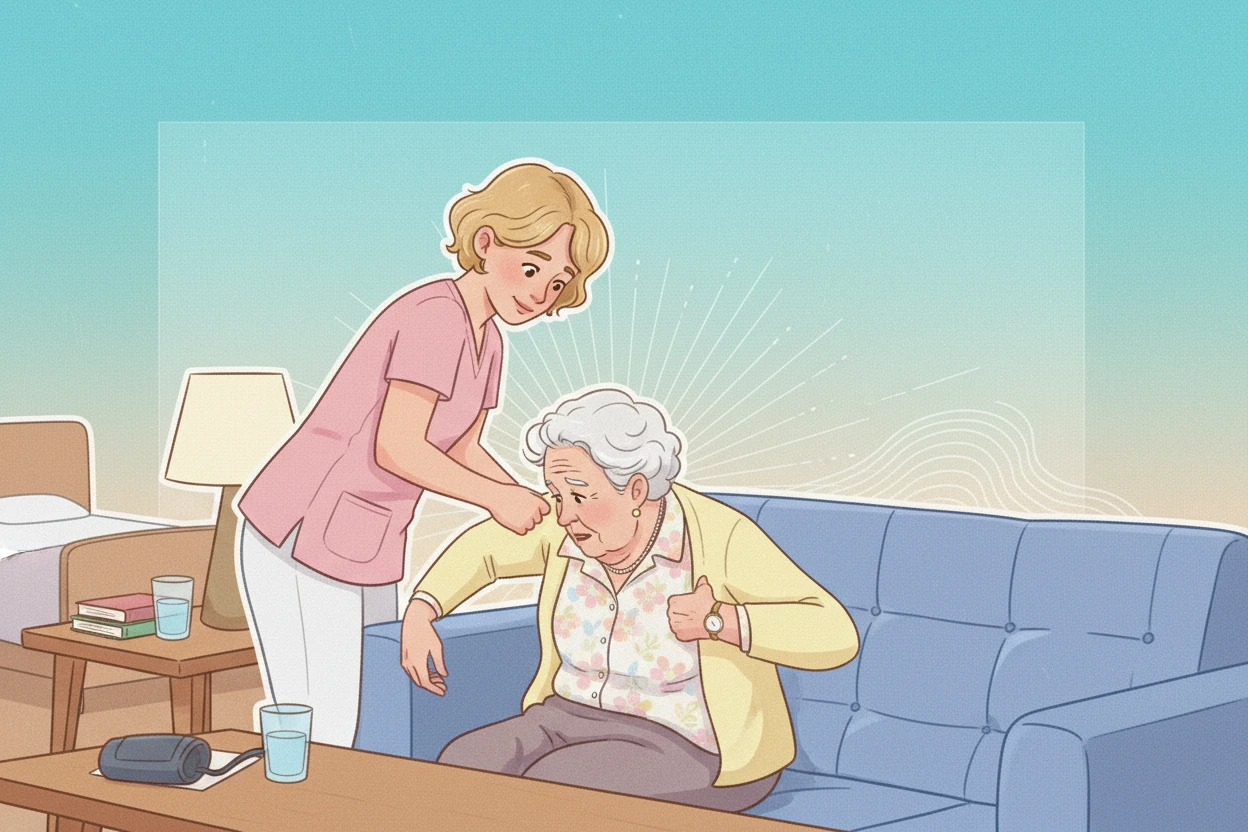
Sundowning affects about 19–20% of people with Alzheimer's disease or other dementias, causing a range of neuropsychiatric symptoms that worsen in the late afternoon and evening12. This phenomenon leads to increased confusion, agitation, anxiety, and wandering, significantly impacting patients and their caregivers34. Although sundowning is not a disease itself, it reflects changes in brain function and environmental influences that disrupt normal behavior patterns56. Understanding its symptoms, causes, and management strategies is essential to improve quality of life for affected individuals7.
“Sundowning refers to a sense of increased confusion and changes in behavior that can occur in people with Alzheimer's disease and other dementias toward the end of the day.”
— Keith Vossel, UCLA1
Sundowning Symptoms
Sundowning syndrome is marked by a noticeable increase or emergence of neuropsychiatric symptoms in the late afternoon, evening, or night7. These symptoms include behavioral changes such as agitation, confusion, anxiety, and restlessness, often accompanied by mood swings and sleep disturbances89.
Wandering
Wandering is a common and concerning behavior in sundowning patients, especially those with dementia-recognition-guidedementia-stages-symptoms-and-progression-explaineddementia-recognition-guidedementia3. It often involves increased pacing, restlessness, or aimless searching during evening hours97. Patients may attempt to find familiar locations, such as past residences or workplaces, reflecting disorientation and memory difficulties37. Wandering tends to worsen in unfamiliar environments, increasing the risk of injury or getting lost7.
Mood Changes
Mood fluctuations frequently accompany sundowning episodes. Patients may exhibit irritability, anxiety, fearfulness, and restlessness as daylight fades97. These mood changes can escalate to agitation and aggressive behaviors, complicating care9. Anxiety and repetitive questioning are common, reflecting confusion and distress73.
Hallucinations and Delusions
Hallucinations and delusions are often reported during sundowning, particularly in individuals with Alzheimer's disease71. These neuropsychiatric symptoms can include paranoia, misperceptions, and vivid hallucinations, which contribute to increased agitation and confusion17. Such symptoms may worsen with sensory impairments or environmental triggers7.
Sundowning Causes
The exact cause of sundowning remains unclear, but it is recognized as a multifactorial syndrome involving biological, environmental, and medical factors710. Disruption of the body's internal clock and circadian rhythms plays a central role11.
Biological Changes
A key biological factor in sundowning is the disruption of circadian rhythms, the body's natural 24-hour sleep-wake cycle11. Melatonin, a hormone that regulates this cycle, signals when to sleep and wake1211. Aging and Alzheimer's disease are associated with decreased melatonin production, leading to confusion in sleep-wake timing and increased nighttime agitation1211. Neurodegenerative changes in dementia further impair brain regions that control circadian rhythms, exacerbating sundowning symptoms10.
Environmental Causes
Environmental factors significantly influence sundowning behaviors. Reduced exposure to natural light, especially in the evening or during winter months, worsens circadian misalignment and symptom severity13. Low lighting and increased shadows can increase confusion and fearfulness713. Noise and overstimulation in the evening also contribute to agitation10. Irregular daily routines disrupt behavioral rhythms, increasing sundowning risk10. Maintaining exposure to natural light during the day and a calm, structured environment in the evening can help reduce symptoms1310.
Vision or Hearing Impairments
Sensory impairments such as poor vision or hearing loss can worsen sundowning symptoms by reducing environmental awareness and increasing misperceptions710. Lack of proper sensory input may lead to hallucinations, anxiety, and confusion7. Ensuring access to glasses or hearing aids supports orientation and reduces sundowning-related distress710.
Urinary Tract Infections (UTIs)
Infections, particularly urinary tract infections, are common triggers for sudden behavioral changes and delirium in elderly patients with dementia1413. UTIs can precipitate or worsen sundowning symptoms by causing discomfort, fever, and confusion7. Prompt diagnosis and treatment of infections are critical to managing sundowning episodes7.
Medications
Certain medications or their side effects may contribute to sundowning behaviors7. Polypharmacy and inappropriate drug use can cause or worsen confusion, agitation, and sleep disturbances7. Regular medication review is essential to identify and adjust drugs that may exacerbate symptoms10.
When to Seek Medical Help
Sundowning symptoms can escalate and pose safety risks, requiring timely medical evaluation7. Seek professional help if:
- Neuropsychiatric symptoms such as agitation, confusion, or aggression increase or remain uncontrolled7.
- The patient experiences unwitnessed falls during wandering episodes, raising concern for injury7.
- Acute changes in respiratory or gastrointestinal status occur7.
- Marked alterations in mental status increase the risk of harm to self or others7.
- Signs of infection, such as fever or urinary symptoms, are present14137.
- Sudden mood changes or behavioral deterioration occur without clear cause7.
Healthcare providers can develop individualized care plans, including non-pharmacological and pharmacological strategies, to manage sundowning effectively107.
Sundowning Treatment Options
Treatment of sundowning focuses primarily on symptom control and improving quality of life, as there is no cure10. Non-pharmacological interventions are the first-line approach and include environmental and behavioral strategies107.
- Structured daily routines with consistent times for waking, meals, and activities help stabilize circadian rhythms10.
- Exposure to bright natural light during the day supports circadian regulation13.
- Environmental modifications such as reducing noise, minimizing shadows, and maintaining a calm atmosphere in the evening decrease agitation710.
- Sensory evaluations and ensuring use of glasses or hearing aids improve orientation and reduce hallucinations7.
- Addressing medical issues like infections, pain, or medication side effects is essential7.
Pharmacological treatments may be considered for severe or refractory symptoms. These can include low-dose melatonin to aid sleep-wake cycles and antipsychotics for agitation, but medications should be used cautiously due to potential side effects10712. Emergency care is necessary for acute medical changes or safety concerns7.
Preventing Sundowning Episodes
Prevention of sundowning is challenging due to its multifactorial nature but can be aided by addressing biological and environmental factors710. Key prevention strategies include:
- Maintaining a regular, predictable daily routine to support circadian rhythms10.
- Ensuring adequate exposure to natural light during daytime hours13.
- Keeping the bedroom dark, quiet, and comfortable at night to promote restful sleep10.
- Managing pain and other medical conditions early in the day to prevent evening agitation710.
- Limiting caffeine and sugar intake to morning hours to avoid sleep disruption6.
- Reducing overstimulation and background noise in the evening7.
- Keeping sensory aids like glasses and hearing aids accessible to improve orientation107.
Personalized care plans are essential, as sundowning symptoms and triggers vary among individuals10. Environmental modifications and infection control also play important roles in prevention7.
Key Points Summary
- Sundowning is a group of neuropsychiatric symptoms, including agitation, confusion, anxiety, and wandering, that worsen in the late afternoon and evening in people with dementia73.
- Disruption of circadian rhythms and decreased melatonin production are central biological causes of sundowning1112.
- Environmental factors such as low light, noise, and irregular routines exacerbate symptoms1310.
- Sensory impairments and infections like urinary tract infections can trigger or worsen sundowning behaviors714.
- Management focuses on non-pharmacological interventions including structured routines, light exposure, and environmental modifications, with medications reserved for severe cases107.