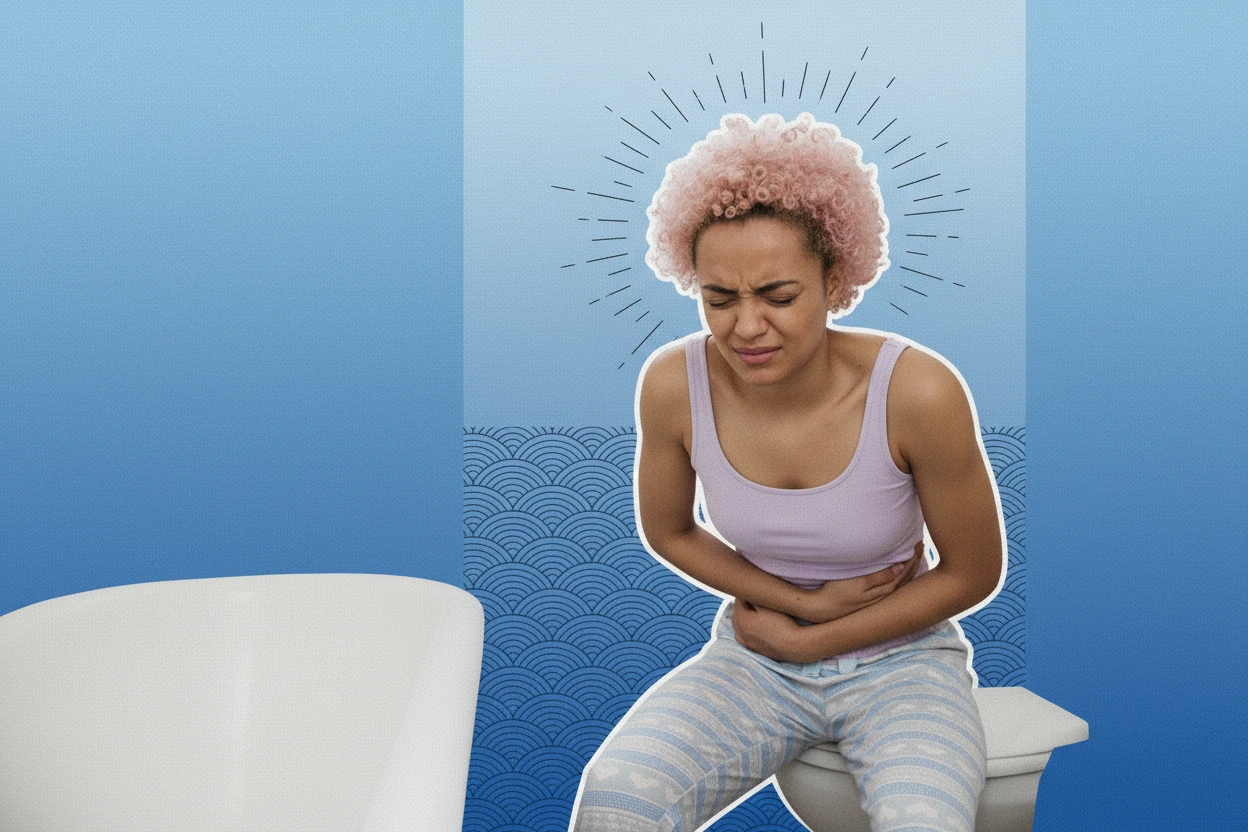
Heartburn affects millions of people worldwide and is often caused by stomach acid flowing back into the esophagus, leading to a burning sensation in the chest12. While occasional heartburn is common and usually manageable with lifestyle changes, frequent or severe heartburn may indicate a more serious condition such as gastroesophageal reflux disease (GERD)34. Understanding the causes of sudden heartburn and recognizing when to seek medical help is essential for proper management and prevention of complications5.
Medical Conditions That Cause Heartburn
Heartburn is commonly a symptom of several medical conditions affecting the digestive system. These conditions can cause acid reflux or irritation in the esophagus, leading to the characteristic burning sensation.
Anxiety can worsen heartburn symptoms by affecting the digestive system and muscle function. It may reduce the pressure on the lower esophageal sphincter (LES), the muscle that prevents stomach acid from flowing back into the esophagus67. Anxiety can also increase stomach acid production and cause muscle tension around the stomach, pushing acid upward67. There is a bidirectional relationship between GERD and anxiety, where each condition can exacerbate the other836. Managing both anxiety and heartburn together may be necessary for optimal relief47.
Barrett's esophagus is a precancerous condition that can develop from untreated or chronic GERD67. It involves changes in the lining of the esophagus due to repeated acid exposure. Barrett's esophagus increases the risk of esophageal cancer and requires medical monitoring47. Patients with long-standing reflux symptoms, especially at night, smoking history, or family history of Barrett's esophagus, are at higher risk9.
Esophagitis is inflammation of the esophagus lining, often caused by acid reflux47. It can result in burning pain similar to heartburn and may lead to complications such as ulcers or scarring if untreated67. Causes include GERD, infections, certain medications, and allergic reactions10. Persistent esophagitis requires medical evaluation and treatment to prevent further damage.
GERD is the most common cause of frequent heartburn and acid reflux364. It occurs when the LES weakens or relaxes inappropriately, allowing stomach acid to flow back into the esophagus110. Risk factors include advanced age, male sex, white race, abdominal obesity, tobacco use, and pregnancy79. GERD symptoms include frequent heartburn, regurgitation, and sometimes cough or wheezing47. Untreated GERD can lead to complications such as Barrett's esophagus and esophageal strictures67.
Gastroparesis is a condition where the stomach empties slowly, causing delayed digestion9. This can increase stomach pressure and acid production, contributing to acid reflux and heartburn-like symptoms9. It is often associated with diabetes and other conditions affecting stomach motility9. Diagnosis may involve tests such as an esophagram or gastric emptying studies9.
A hiatal hernia occurs when the upper part of the stomach pushes through the diaphragm into the chest cavity119. This disrupts the normal function of the LES and allows acid reflux to occur more easily119. Hiatal hernias are common, especially with aging, and can worsen GERD symptoms119. They may require surgical repair if severe or complicated9.
Pregnancy increases the risk of heartburn due to hormonal changes and increased abdominal pressure679. The hormone progesterone relaxes the LES, allowing acid to reflux into the esophagus9. As pregnancy progresses, symptoms often worsen9. Lifestyle modifications and safe medications can help manage heartburn during pregnancy12.
Stomach ulcers are open sores in the stomach lining that can cause burning pain and discomfort47. While ulcers primarily cause upper abdominal pain, they may sometimes be mistaken for heartburn47. Ulcers can result from acid damage, infection with Helicobacter pylori, or use of nonsteroidal anti-inflammatory drugs (NSAIDs)5. Proper diagnosis and treatment are important to prevent complications.
- Common medical conditions causing heartburn include:
- Anxiety and stress-related LES dysfunction67
- Barrett's esophagus as a complication of chronic GERD67
- Esophagitis from acid irritation or infection47
- GERD due to LES weakness or hiatal hernia364
- Gastroparesis causing delayed stomach emptying9
- Hiatal hernia disrupting the antireflux barrier119
- Pregnancy-related hormonal and pressure changes9
- Stomach ulcers causing upper digestive tract pain47
“Gastroesophageal reflux disease means that the acid which normally lives in the stomach is flowing backwards or refluxing into the esophagus.”
— Michal "Misho" Hubka, MD, Virginia Mason Franciscan Health9
Heartburn-Like Pain From Other Conditions
Not all burning chest pain is caused by heartburn or acid reflux. Several other medical conditions can cause symptoms that mimic heartburn and require different management.
Gallstones are solid particles, often made of cholesterol, that form in the gallbladder67. They can cause symptoms similar to heartburn, especially if they block the bile duct67. Symptoms include indigestion, heartburn-like pain after meals, jaundice (yellowing of the skin and eyes), and severe abdominal or chest pain that worsens when lying down67. Gallstone complications can be serious and require prompt medical attention67.
💡 Did You Know?
Heartburn that occurs more than twice a week may be a sign of GERD, which affects about 20% of adults in the U.S.713.
Heart disease, including angina and heart attacks, can present with chest pain that is often mistaken for heartburn67. Women may experience heart attack symptoms such as chest pain, back pain, and jaw pain that resemble heartburn, leading to delayed diagnosis47. Severe chest pain, especially when accompanied by shortness of breath, sweating, or pain radiating to the arm or jaw, requires immediate emergency care67.
Other conditions that can cause heartburn-like pain include stomach ulcers, pancreatitis, and esophageal motility disorders475. It is important to differentiate these from heartburn to ensure appropriate treatment.
- Conditions causing heartburn-like pain:
- Gallstones causing bile duct obstruction and indigestion67
- Heart disease presenting with chest pain similar to heartburn67
- Other digestive or esophageal disorders mimicking heartburn47
Dietary Triggers of Heartburn
Diet plays a significant role in the development and worsening of heartburn symptoms. Certain foods and eating habits can trigger acid reflux by relaxing the LES or increasing stomach acid production.
- Common dietary triggers include:
- Fatty, greasy, and spicy foods47
- Highly acidic foods such as citrus fruits and tomatoes47
- Eating or drinking too quickly47
- Large meals or calorie-dense foods5
- Lying down soon after eating47
Eating smaller, more frequent meals and avoiding food for at least three hours before bedtime can reduce the frequency and severity of heartburn47. Additionally, raising the head of the bed and avoiding tight clothing around the waist can help prevent reflux12.
Heartburn Symptoms Specific to Women
Women may experience heartburn symptoms differently or more frequently than men. Studies suggest women report heartburn and regurgitation more often and may be more likely to seek medical attention47. Pregnancy is a common cause of heartburn in women due to hormonal changes and increased abdominal pressure9.
Women may also experience heart attack symptoms that mimic heartburn, such as chest pain, back pain, and jaw pain, which can lead to delayed diagnosis and treatment47.
- Key points about heartburn in women:
- Women report heartburn and regurgitation more frequently than men47
- Pregnancy increases risk due to hormonal and pressure changes9
- Heart attack symptoms in women can resemble heartburn47
When to See a Doctor for Heartburn
While occasional heartburn is common, certain symptoms and patterns warrant medical evaluation to rule out serious conditions and guide treatment.
Consult a healthcare provider if you experience:
- Heartburn more than twice a week47
- Symptoms that persist despite lifestyle changes and medication47
- Difficulty swallowing or persistent nausea and vomiting47
- Unintentional weight loss or poor appetite47
- blood-pressure-signs-and-symptomsblood-pressure-signs-and-symptomsblood-pressure-effective-strategies-and-tipsblood-pressure-effective-strategies-and-tipsBlood in vomit or black, tarry stools indicating gastrointestinal bleeding47
- Chest pain that feels burning, crushing, or squeezing, which could indicate a heart attack47
- Chronic cough or wheezing that may be related to GERD47
Early consultation helps differentiate heartburn from other serious conditions such as heart disease or cancer and allows for appropriate treatment47.
“One very important thing to remember is that when patients have classic symptoms of reflux such as heartburn, regurgitation and if the esophageal lining changes from normal lining to Barrett's esophagus, those symptoms may disappear.”
— Michal "Misho" Hubka, MD, Virginia Mason Franciscan Health9
Heartburn Summary and Key Points
Heartburn is a common symptom caused primarily by acid reflux due to LES dysfunction or other medical conditions. While often manageable with lifestyle changes and medications, persistent or severe heartburn may indicate GERD or other serious conditions such as Barrett's esophagus, gallstones, or heart disease.
- Heartburn is caused by stomach acid backing up into the esophagus due to LES weakness or other factors110.
- Anxiety and stress can worsen heartburn by affecting LES pressure and acid production67.
- Dietary factors like fatty, spicy, and acidic foods, as well as eating habits, influence heartburn frequency475.
- Women may experience heartburn differently and are at risk during pregnancy479.
- Seek medical care for frequent, severe, or atypical symptoms to prevent complications47.
Proper diagnosis often involves history-taking, imaging, and endoscopy to assess esophageal damage and rule out other causes47. Treatment includes lifestyle modifications, medications such as antacids, H2 blockers, and proton pump inhibitors, and sometimes surgery for severe cases4710.