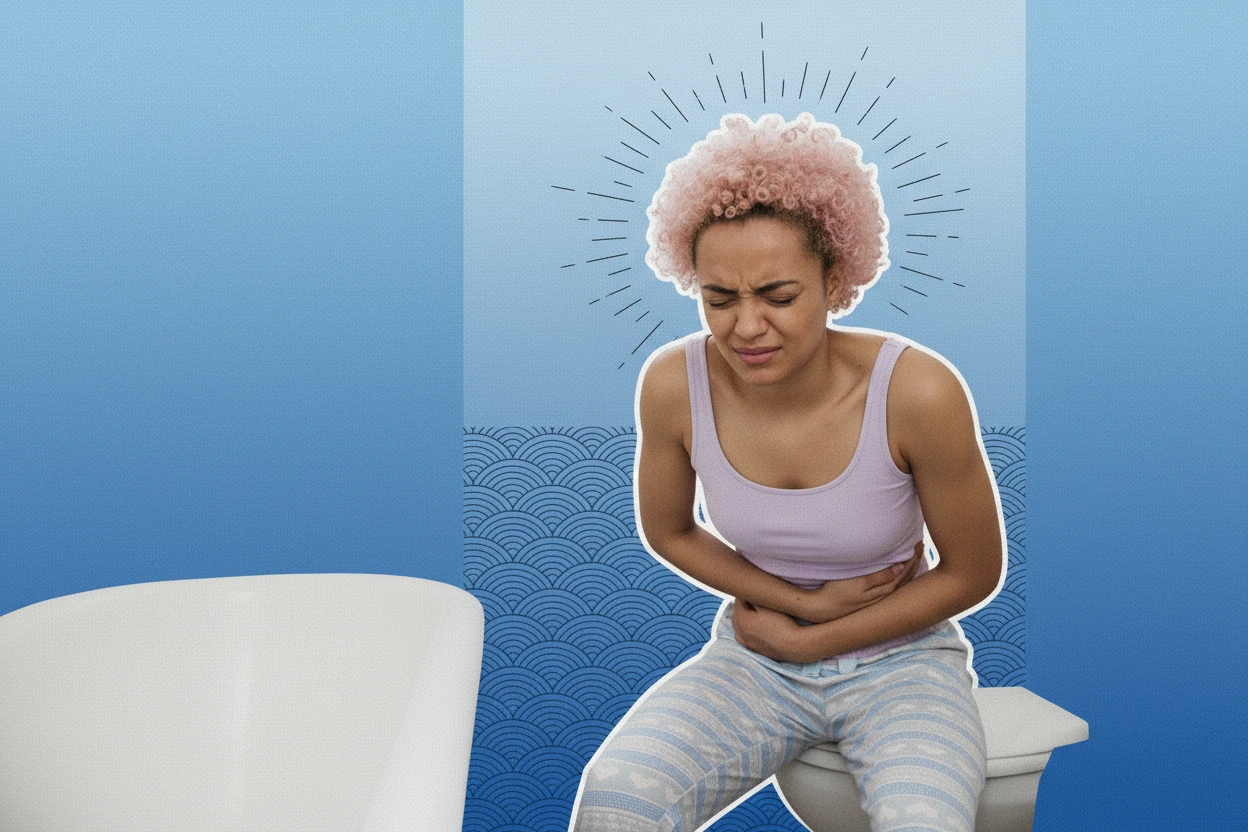
Uterine fibroids are common benign tumors that affect up to 70% to 80% of people with a uterus by age 501. Among these, subserosal fibroids are growths that develop on the outer surface of the uterus and are usually noncancerous2. While many subserosal fibroids cause no symptoms, their size and location can sometimes lead to discomfort and pressure on nearby organs3.
Subserosal Fibroid Symptoms
Subserosal fibroids are the most common type of uterine fibroid, accounting for approximately 54.4% of cases in some studies4. Unlike submucosal or intramural fibroids, subserosal fibroids are less likely to cause heavy menstrual bleeding or anemia because they grow outside the uterine lining5. Most subserosal fibroids are asymptomatic and discovered incidentally during imaging or pelvic exams6.
When symptoms do occur, they are generally related to the fibroid's size, number, and location, often causing pressure on adjacent organs rather than hormonal effects7. Common symptoms include:
- A feeling of fullness or heaviness in the lower abdomen or pelvis37
- Pelvic or abdominal pain, especially if the fibroid is large or pedunculated (attached by a stalk)72
- Increased urinary frequency due to pressure on the bladder73
- Constipation or rectal discomfort from pressure on the bowel73
- Lower back or leg pain, which may be more common with larger or pedunculated fibroids72
- Discomfort or pain during sexual intercourse (dyspareunia)7
Rarely, pedunculated subserosal fibroids can undergo torsion, where the stalk twists, leading to sudden severe abdominal pain, fever, and nausea, which may mimic an acute abdomen requiring emergency care8910.
Most subserosal fibroids do not cause symptoms and often do not affect quality of life. When symptoms appear, they usually result from the fibroid pressing on nearby organs or, rarely, from complications like torsion268.
Causes of Subserosal Fibroids
The exact cause of subserosal fibroids is unknown, but hormonal influences play a significant role in their development and growth11. Estrogen and progesterone, the female sex hormones, are believed to stimulate fibroid growth, which is why fibroids often grow during reproductive years and tend to shrink after menopause-treatment-options-and-managementmenopause when hormone levels decline111.
Several risk factors increase the likelihood of developing uterine fibroids, including:
- Age between 30 and 50 years, with prevalence peaking in the fourth and fifth decades of life61
- Early onset of menstruation (early menarche)111
- Nulliparity (never having given birth)11
- Obesity and excess abdominal visceral fat1112
- African American ethnicity, with higher prevalence and earlier onset compared to other groups1113
- Family history of uterine fibroids111
Hormonal fluctuations during the menstrual cycle and pregnancy can influence fibroid size, with some fibroids growing or shrinking during pregnancy depending on individual hormonal responses113. After menopause, fibroids usually decrease in size due to lower estrogen and progesterone levels11.
Diagnosing Subserosal Fibroids
Subserosal fibroids are often difficult to detect during routine pelvic exams because they grow on the outside of the uterus and may mimic other pelvic masses76. Imaging is essential for accurate diagnosis and characterization.
The primary diagnostic tools include:
- Transabdominal ultrasound: A common initial imaging modality that provides a broad view of the uterus and surrounding structures714.
- Transvaginal ultrasound: Offers detailed images of the uterus and pelvis, improving visualization of fibroids, especially smaller ones714.
- Magnetic Resonance Imaging (MRI): Considered the best modality for detailed evaluation of fibroid size, location, and relationship to adjacent organs61516.
- Sonohysterography: Involves injecting saline into the uterus to enhance ultrasound imaging, mainly used to assess submucosal fibroids but can assist in overall uterine evaluation6.
- Laparoscopy: A minimally invasive surgical procedure that allows direct visualization of the fibroids and differentiation from other pelvic masses when imaging is inconclusive7.
Biopsy is rarely performed since subserosal fibroids are almost always benign and diagnosis is typically made based on imaging findings611.
Fibroids are usually found during a routine pelvic exam with a gynecologist. Imaging tests, such as ultrasound and MRI, may be used to confirm a diagnosis14.
Subserosal Fibroid Treatment Options
Treatment for subserosal fibroids depends on symptom severity, fibroid characteristics, and patient preferences, including fertility desires. Most subserosal fibroids are asymptomatic and do not require treatment611.
Surgical options are considered when fibroids cause significant symptoms or complications. The main surgical treatments include:
- Hysterectomy: The complete removal of the uterus, which is the only definitive cure for fibroids617. It is usually reserved for women who do not desire future fertility.
- Myomectomy: Surgical removal of fibroids while preserving the uterus, suitable for women wishing to maintain fertility617. Recurrence rates after myomectomy range from 15% to 30% within five years6.
- Uterine Fibroid Embolization (UFE): A minimally invasive procedure that blocks blood flow to fibroids, causing them to shrink. It is an option for uterus preservation but is generally not recommended for women planning pregnancy173.
- Laparoscopy: Used for direct visualization and removal of fibroids, especially pedunculated subserosal fibroids7.
| Surgical Treatment | Description | Fertility Preservation | Recurrence Rate |
|---|---|---|---|
| Hysterectomy | Removal of the uterus | No | None (definitive) |
| Myomectomy | Removal of fibroids, uterus intact | Yes | 15-30% at 5 years |
| Uterine Fibroid Embolization | Blocks blood supply to fibroids | Yes (limited) | >17% at 30 months |
| Sources:36717 | |||
Medications do not cure fibroids but can help manage symptoms and reduce fibroid size temporarily. Common drug therapies include:
- Gonadotropin-releasing hormone (GnRH) analogues: Reduce estrogen and progesterone levels to shrink fibroids, often used preoperatively318.
- Progestin-releasing intrauterine devices (IUDs): Help control bleeding symptoms but do not shrink fibroids113.
- Selective progesterone receptor modulators: Medications that modulate hormone effects on fibroids to reduce size and bleeding3.
- Oral contraceptives: May help regulate menstrual bleeding but are less effective in controlling fibroid-related heavy bleeding13.
- Other medications: Tranexamic acid and elagolix can be used to manage heavy menstrual bleeding associated with fibroids3.
The most common treatments for subserosal fibroids are hysterectomy, myomectomy, and uterine fibroid embolization (UFE). Hysterectomy is the surgical removal of the uterus. Myomectomy involves removing the fibroids surgically17.
Preventing Subserosal Fibroids
Currently, there are no proven methods to prevent subserosal fibroids611. Many risk factors, such as age, genetics, and ethnicity, are not modifiable6. However, maintaining a healthy lifestyle and regular gynecological exams can support overall reproductive health and facilitate early detection and management of fibroids if they develop611.
- Regular pelvic exams help detect fibroids early6.
- Healthy weight management may reduce risk11.
- Early communication with healthcare providers supports timely diagnosis6.
Potential Complications
Most subserosal fibroids do not cause complications and remain asymptomatic611. However, potential issues include:
- Pressure on adjacent organs such as the bladder or bowel, leading to urinary frequency or constipation73.
- Rare torsion of pedunculated subserosal fibroids causing acute abdominal pain, fever, and nausea8910.
- Large fibroids may cause discomfort or pain in the lower back or legs due to nerve pressure7.
- Unlike submucosal fibroids, subserosal fibroids are less likely to cause heavy menstrual bleeding, anemia, or pregnancy complications51920.
Though rare, torsion of a pedunculated subserosal fibroid can cause sudden, severe abdominal pain and requires urgent medical attention89.
Managing Subserosal Fibroids
Living with subserosal fibroids often involves monitoring and managing symptoms. Since most fibroids are asymptomatic, many people require no treatment and can maintain a normal quality of life611. For symptomatic cases, management focuses on relieving pressure symptoms and improving comfort.
Key management points include:
- Regular follow-up with healthcare providers for symptom monitoring6.
- Symptom relief through pain management and addressing urinary or bowel issues7.
- Considering treatment options based on symptom severity, fibroid size, and reproductive goals6.
- Awareness that fibroids often shrink after menopause, potentially reducing symptoms naturally11.
Submucous and intramuscular fibroids that distort the uterine cavity are likely to adversely affect fertility and surgical removal is recommended. Subserosal fibroids are not thought to impact fertility20.
Subserosal Fibroids FAQ
Do subserosal fibroids affect fertility?
Subserosal fibroids generally do not affect fertility or pregnancy outcomes, unlike fibroids that distort the uterine cavity20.
Are subserosal fibroids cancerous?
Subserosal fibroids are almost always benign and very rarely become cancerous611.
When is treatment necessary?
Treatment is usually recommended only if fibroids cause symptoms that affect quality of life, such as pain or pressure on organs611.
Can subserosal fibroids cause heavy menstrual bleeding?
They are less likely to cause heavy bleeding compared to other fibroid types because they grow outside the uterine lining52.
What are the treatment options?
Options range from watchful waiting to surgical removal (hysterectomy or myomectomy) and minimally invasive procedures like uterine fibroid embolization173.