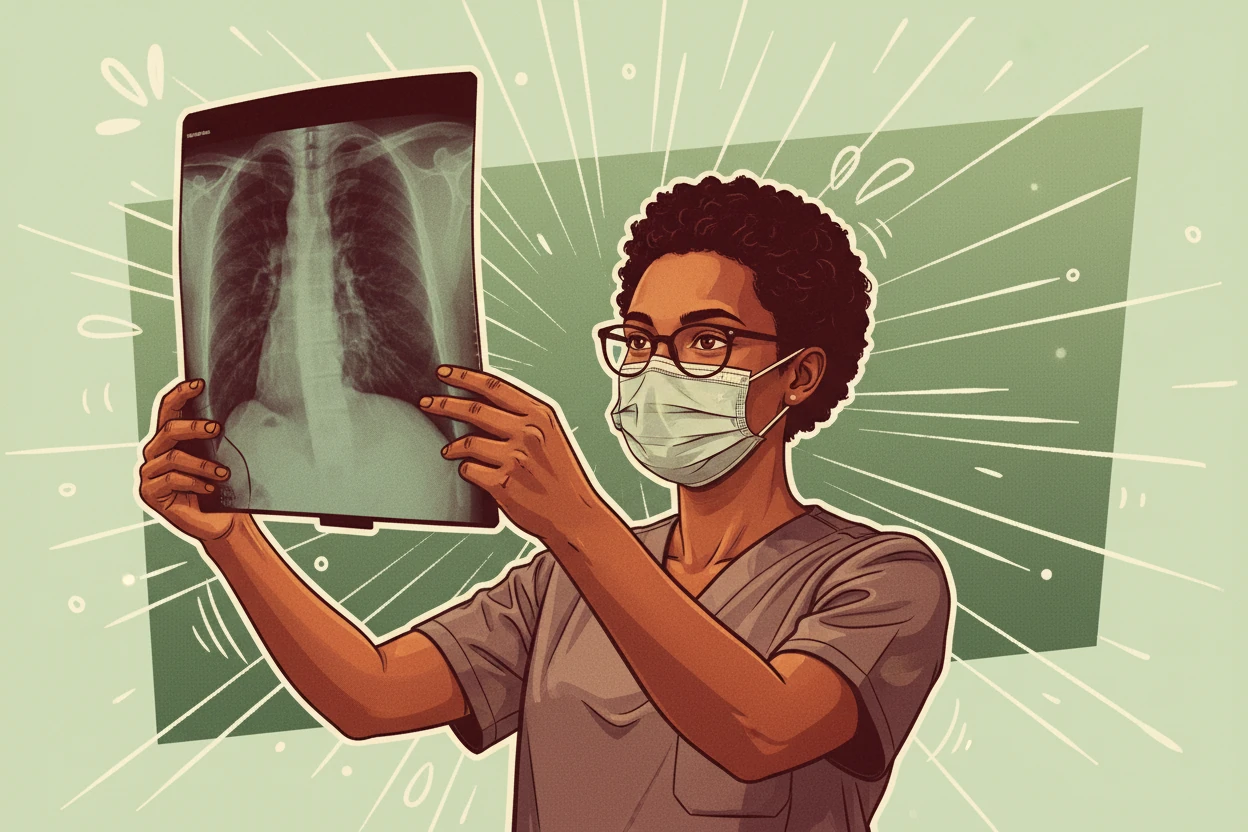
Stroke is a leading cause of death and disability worldwide, with millions affected each year. Despite advances in treatment, the number of stroke deaths is expected to increase by 50% by 2050, driven largely by aging populations and rising risk factors12. This growing burden highlights the urgent need for prevention and awareness to reduce stroke risk and improve outcomes3.
Why Stroke-Related Deaths Are on the Rise
Stroke remains the second leading cause of death globally and a major cause of long-term disability4. From 1990 to 2019, the absolute number of strokes increased by about 70%, with deaths and disability-adjusted life years (DALYs) rising substantially despite some decreases in age-standardized rates in certain regions4. This rise is driven by several key factors:
- The global population is aging, and older adults have a higher prevalence of stroke risk factors such as hypertension and atrial fibrillation56.
- The prevalence of modifiable risk factors like high blood pressure, obesity, and diabetes is increasing worldwide, contributing to more strokes785.
- Stroke incidence is rising among younger adults, linked to lifestyle factors and cardiovascular risks such as obesity and diabetes910.
- Low- and middle-income countries bear a disproportionate burden of stroke, with limited healthcare access leading to higher incidence and mortality114.
- Population growth combined with aging demographics is increasing the total number of stroke cases and deaths globally5.
Strokes occur when blood flow to the brain is blocked (ischemic stroke) or when bleeding happens inside the brain (hemorrhagic stroke)12. About 87% of strokes are ischemic, often caused by plaque buildup or blood clots that block arteries supplying the brain12. High blood pressure is the leading cause of both ischemic and hemorrhagic strokes, damaging artery walls and increasing the risk of bleeding12. Other medical conditions such as atrial fibrillation, sickle cell disease, and genetic factors also increase stroke risk12.
Lifestyle changes remain the greatest challenge for stroke prevention, focusing on diet, sleep, exercise, weight and blood pressure control, smoking cessation, and metabolic state.7
💡 Did You Know?
The number of people dying from strokes worldwide is predicted to rise by 50% by 2050, with an estimated 10 million deaths annually3.
How Stroke Mortality Impacts Americans
In the United States, stroke remains a leading cause of death and disability, with the aging population driving increased stroke incidence among older adults1314. However, stroke rates among younger adults have plateaued or even increased, largely due to rising obesity and diabetes rates in this group915. This trend poses a growing challenge for healthcare systems and society.
- Younger stroke survivors often face chronic disability, which leads to significant economic and social burdens16.
- The long-term disability from strokes occurring at an earlier age increases healthcare costs and impacts quality of life17.
- Public health efforts focus on education and controlling risk factors to reduce stroke incidence, especially in younger populations186.
- Stroke recurrence is common; about 25% of strokes in the US occur in patients who have had a prior stroke, increasing mortality and disability risks19.
- Stroke affects people of all ages and can cause impairments in movement, speech, vision, and behavior depending on the brain area affected19.
Stroke incidence and mortality also vary by race and sex in the US. Black Americans have nearly twice the risk of first stroke compared to White Americans and are more likely to die from stroke20. Women are more likely than men to die from stroke at all ages, with pregnancy and hormone therapies posing additional risks20.
Stroke is a serious global health problem. As the fourth-leading Level 3 cause of disability-adjusted life years in 2021, stroke results in long-term disability in most survivors. The global burden of stroke in men was higher than in women.
Lifestyle Factors to Prevent a Stroke
Most strokes can be prevented by managing modifiable risk factors and adopting a healthy lifestyle6. Public health campaigns emphasize the importance of diet, exercise, and tobacco cessation to lower stroke risk15. Key lifestyle factors to reduce stroke risk include:
- Controlling high blood pressure through diet, exercise, and medication when needed6.
- Maintaining a healthy weight to reduce obesity-related risks such as diabetes and high cholesterol10.
- Engaging in regular physical activity to improve cardiovascular health and lower stroke risk10.
- Avoiding tobacco use and limiting alcohol intake to reduce damage to blood vessels and lower blood pressure1020.
- Managing diabetes and high cholesterol with lifestyle changes and medications to prevent artery damage6.
💡 Did You Know?
A stroke can strike without warning, and every minute counts when it does. Rapid treatment is critical to minimize brain damage19.
Early recognition of stroke symptoms is critical for timely treatment and better recovery. Symptoms include facial drooping, weakness on one side of the body, speech difficulties, and vision changes619. Rapid hospital arrival after symptom onset significantly improves outcomes by allowing access to acute therapies such as clot removal and blood thinners2119.
Improving healthcare access and quality, especially in underserved areas, is essential to reduce disparities in stroke outcomes22. Public health policies should support universal health coverage, community health worker programs, and health literacy initiatives to better identify and manage stroke risk factors182.
| Stroke Prevention Strategies | Benefits |
|---|---|
| Blood pressure control6 | Lowers risk of ischemic and hemorrhagic stroke12 |
| Healthy diet and weight control1510 | Reduces obesity, diabetes, and cholesterol levels20 |
| Regular physical activity10 | Improves heart health and circulation6 |
| Tobacco cessation1020 | Prevents blood vessel damage and lowers stroke risk12 |
| Early symptom recognition2119 | Enables timely treatment and reduces disability19 |