Excessive daytime sleepiness (EDS) affects up to 25% of the population, causing frequent and persistent drowsiness that interferes with daily activities1. This condition can lead to impaired concentration, mood changes, and increased risk of accidents, highlighting the importance of understanding its symptoms, causes, and management1. Effective treatment and prevention strategies can improve quality of life and reduce long-term health risks2.
Recognizing the Symptoms
Excessive daytime sleepiness is characterized by an inability to stay awake and alert during the day, leading to persistent tiredness3. Individuals with EDS often experience involuntary daytime sleep episodes that vary in severity, sometimes falling asleep unintentionally during routine activities34. Nonrestorative sleep contributes to morning grogginess and ongoing fatigue throughout the day5. Patients may also suffer from prolonged sleep inertia, making it difficult to fully awaken after sleep or naps6. Cognitive impairments such as decreased concentration, memory problems, and reduced executive function are common, affecting performance at work or school31.
Symptoms of hypersomnia, a severe form of EDS, include anxiety, irritability, difficulty waking up, confusion upon awakening, hallucinations, headaches, and trouble focusing4. These symptoms can significantly disrupt social and occupational functioning and increase the risk of accidents1.
Common Causes of Daytime Sleepiness
The most frequent cause of excessive daytime sleepiness is chronic sleep deprivation, resulting from insufficient or poor-quality sleep561. Adults are recommended to get 7 to 9 hours of sleep per night to maintain daytime alertness78. Factors such as fragmented sleep, discomfort, and lifestyle choices often contribute to inadequate sleep6.
Several sleep disorders are common underlying causes of EDS:
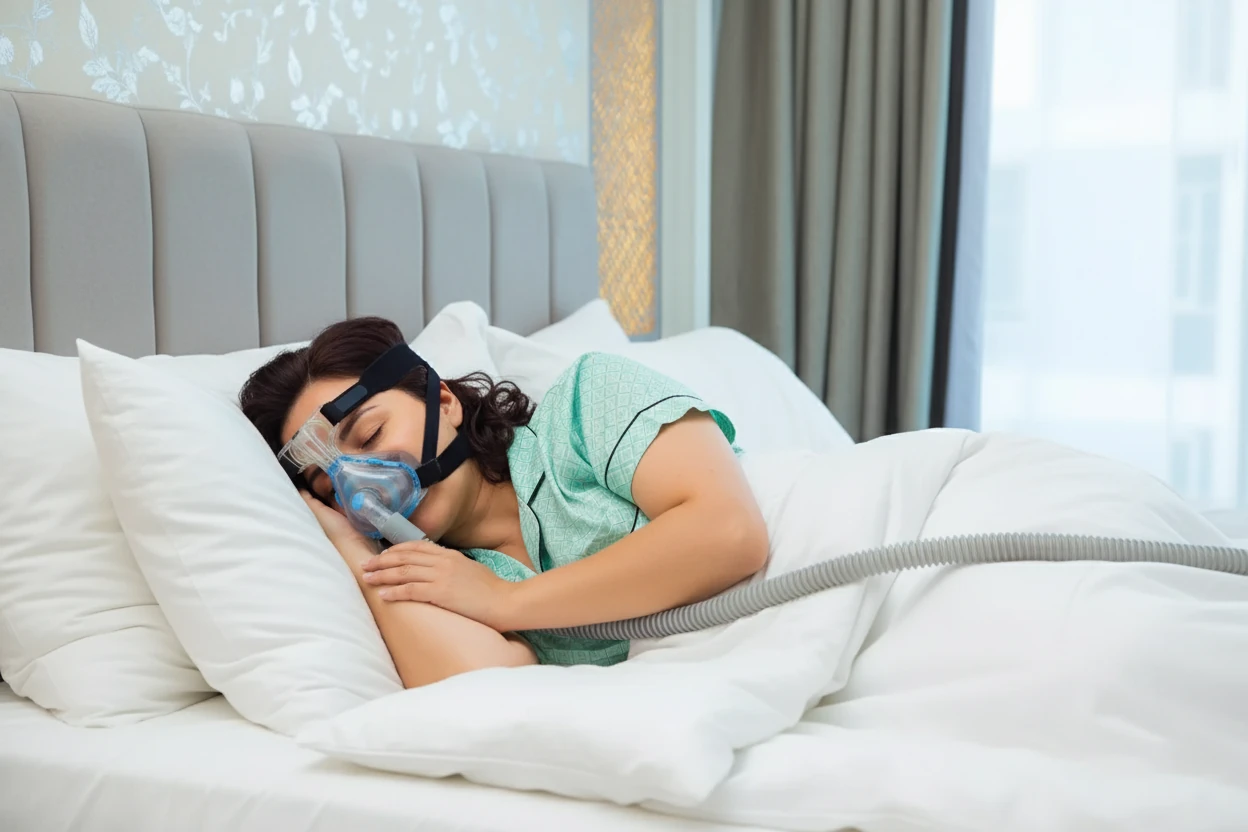
- Obstructive Sleep Apnea (OSA): Characterized by repeated pauses in breathing during sleep, leading to disrupted sleep and daytime sleepiness. Approximately 50% of OSA patients experience significant EDS37.
- Insomnia: Difficulty initiating or maintaining sleep, resulting in daytime impairment including sleepiness9.
- Restless Legs Syndrome (RLS): Causes an urge to move the legs due to unpleasant sensations, disrupting sleep and causing daytime fatigue3.
- Narcolepsy: A neurological disorder marked by excessive daytime sleepiness and symptoms such as cataplexy, sleep paralysis, and hallucinations104.
Secondary causes include medical conditions (e.g., depression-7-helpful-choices">depression-reliefdepression-reliefdepression, anxiety), medications, substance use, and lifestyle factors111.
Health Risks of Chronic Sleepiness
Impacts on Daily Living
Excessive daytime sleepiness significantly reduces quality of life by impairing social, occupational, and personal functioning3. People with EDS have a 2- to 3-times higher risk of motor vehicle and occupational accidents due to impaired reaction time and coordination37. Daytime sleepiness leads to decreased productivity, memory problems, and difficulties with decision-making31. Mood disturbances such as irritability and fatigue contribute to social withdrawal and relationship difficulties3.
Impacts on Physical Health
Long-term sleep deprivation and untreated EDS increase the risk of cardiovascular disease, obesity, diabetes, and neurodegenerative disorders21. Poor diet and inactivity associated with EDS further contribute to these health risks2. Untreated excessive sleepiness may also impair immune function, increasing susceptibility to infections2.
Impacts on Mental Health
Chronic EDS is linked to mood disorders including anxiety and depression111. Cognitive impairments such as reduced attention, memory loss, and decreased executive function are common3. These mental health effects can exacerbate social difficulties and reduce overall well-being3.
Diagnosing Sleep Disorders
Diagnosing the cause of excessive daytime sleepiness involves a comprehensive clinical evaluation by sleep specialists or neurologists5. This includes a detailed history and physical examination to identify contributing factors5. The Epworth Sleepiness Scale (ESS) is a validated questionnaire used to quantify sleepiness by rating the likelihood of dozing in various daily situations12. An ESS score of 10 or higher indicates clinically significant sleepiness12.
Sleep studies are essential for diagnosing underlying sleep disorders:
- Polysomnography: An overnight test that assesses sleep architecture and detects respiratory events such as apneas12.
- Multiple Sleep Latency Test (MSLT): Measures daytime sleep propensity by recording how quickly a person falls asleep during scheduled naps12.
- Maintenance Wakefulness Test (MWT): Evaluates the ability to stay awake in a quiet environment12.
These tests help differentiate between disorders like narcolepsy, idiopathic hypersomnia, and sleep apnea54.
Effective Treatment Options
Lifestyle Modifications
Improving sleep hygiene is foundational in managing EDS6. Key lifestyle changes include:
- Maintaining consistent sleep-wake times, even on weekends613.
- Creating a sleep-conducive environment with minimal light, noise, and comfortable temperature614.
- Avoiding stimulants such as caffeine and nicotine near bedtime68.
- Limiting alcohol intake before sleep to prevent sleep disruption68.
- Engaging in regular physical activity and balanced nutrition to support energy levels and sleep quality613.
Strategic short naps (5 to 25 minutes) taken about six to seven hours before bedtime can help reduce sleepiness without interfering with nighttime sleep138.
Cognitive Behavioral Therapy
Cognitive Behavioral Therapy for Insomnia (CBT-I) targets maladaptive thoughts and behaviors that impair sleep quality915. It is the first-line nonpharmacologic treatment for sleep disorders contributing to EDS9. CBT-I helps improve sleep continuity, reduce anxiety around sleep, and decrease daytime sleepiness9.
Medication
Pharmacologic treatments are considered when lifestyle and behavioral interventions are insufficient5. Wake-promoting agents such as modafinil, armodafinil, and solriamfetol have demonstrated efficacy in reducing EDS in patients with narcolepsy and obstructive sleep apnea161718. These medications improve alertness and cognitive function, enhancing daily performance16. Treatment plans should be individualized and monitored by healthcare providers5.
Lifestyle Prevention Strategies
Preventing excessive daytime sleepiness focuses on maintaining sufficient and restorative sleep6. Strategies include:
- Keeping consistent sleep and wake times to regulate the circadian rhythm68.
- Establishing calming pre-sleep routines such as meditation, reading, or listening to soothing music613.
- Reducing exposure to electronic devices before bedtime to minimize circadian disruption614.
- Ensuring a comfortable and quiet sleep environment free from distractions614.
- Incorporating daylight exposure during the day to support the biological clock68.
Avoiding substances that disrupt sleep, such as nicotine, caffeine, and alcohol near bedtime, is also important6814.
When to Consult a Doctor
Persistent daytime sleepiness that affects daily functioning warrants medical evaluation5. Seek professional help if you experience:
- Difficulty initiating or maintaining sleep20.
- Frequent unintended daytime sleep episodes5.
- Impaired cognitive function or memory problems related to sleepiness3.
- Mood disturbances such as irritability or depression linked to sleep issues3.
- Frequent nocturnal awakenings or nonrestorative sleep20.
Early diagnosis and treatment improve outcomes and reduce risks of accidents and chronic health conditions52.
Key Takeaways
- Excessive daytime sleepiness is a common condition that impairs alertness, cognitive function, and quality of life31.
- Chronic sleep deprivation and sleep disorders like sleep apnea, insomnia, RLS, and narcolepsy are major causes of EDS5310.
- Untreated EDS increases the risk of accidents, cardiovascular disease, metabolic disorders, and mental health problems723.
- Diagnosis involves clinical evaluation, sleep questionnaires, and specialized sleep studies such as polysomnography and MSLT512.
- Effective management includes lifestyle changes, cognitive behavioral therapy, and pharmacologic treatments when necessary5916.
- Preventive strategies focus on good sleep hygiene, regular routines, and avoiding substances that disrupt sleep68.
- Consult a healthcare provider if daytime sleepiness persists or significantly impacts daily life5.