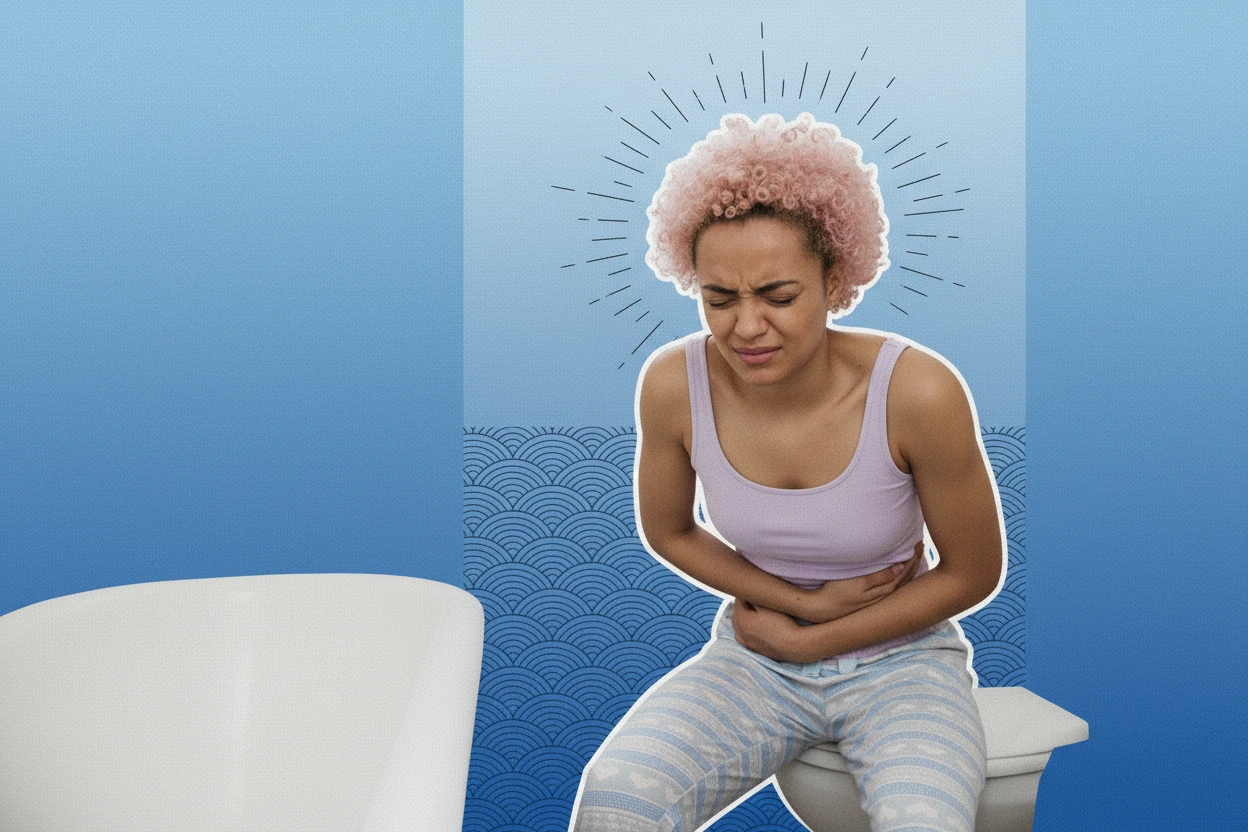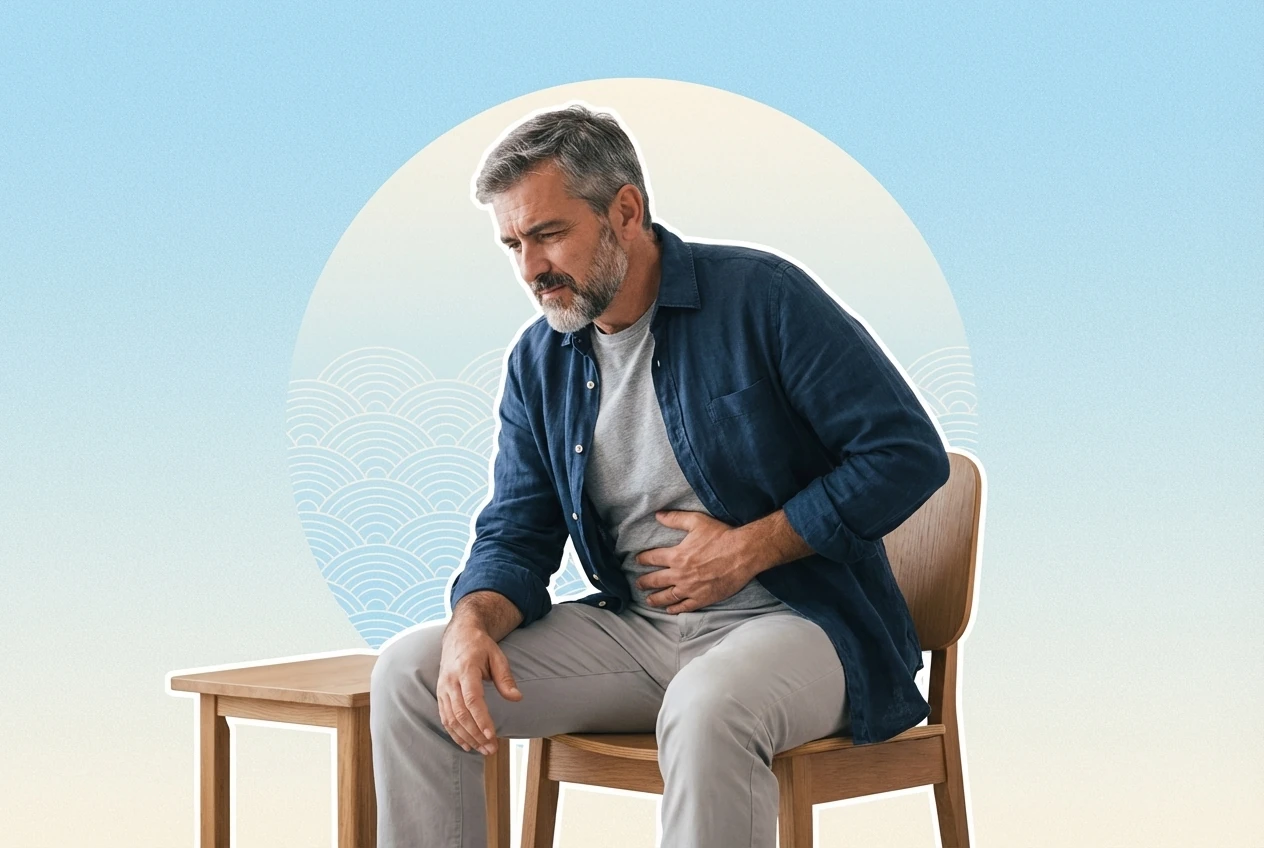
Ulcerative colitis (UC) affects about 1 in 500 people, often striking during young adulthood, a key time for forming romantic relationships1. Managing UC can be challenging, but it does not mean that love and intimacy are out of reach. Many individuals with UC maintain satisfying relationships and find ways to navigate dating and intimacy despite their symptoms23. Open communication and support are essential tools for building strong connections while living with this chronic condition4.
💡 Did You Know?
When planning social activities or dates, choose locations with clean, comfortable bathrooms and control your arrival and departure times to manage symptoms effectively4.
Sharing Your Ulcerative Colitis Experience
Open communication about ulcerative colitis is a cornerstone of healthy romantic relationships. Although no direct quantitative studies measure the impact of sharing lived experiences on relationship quality, qualitative research highlights that patients with inflammatory bowel disease (IBD), including UC, highly value openness with their partners2. Sharing your condition can foster intimacy and improve partner support.
Many patients experience reduced sexual activity during acute disease phases, making partner understanding crucial2. It is common to feel unprepared or reluctant to discuss intimate issues related to UC, but timing disclosure to your comfort level is important5. Sometimes, symptoms like mcv blood test results meaning and normal range or abdominal pain may require sharing details during intimate moments to ensure mutual understanding and care5.
💡 Did You Know?
Dating can be stressful for people with UC, especially at the start of a new relationship, but body image concerns often lessen over time. Choosing date locations with accessible restrooms, like public parks, can ease anxiety7.
Educating your partner about UC helps build empathy and strengthens your relationship. When you stop hiding your condition, you may feel more confident and supported, which enhances closeness23. As one patient advises,
To help you navigate sharing your experience, consider these tips:
- Choose when and how much to share based on your readiness5.
- Start with basic information and provide more details as the relationship deepens4.
- Use clear communication about your needs and boundaries, e.g., “I can’t do [specific action] because it causes discomfort”6.
- Educate your partner gradually to foster understanding and compassion2.
- Remember that sharing your story can be empowering and build a strong foundation for your relationship3.
Navigating Love With Ulcerative Colitis
Living with UC can affect psychological well-being, self-esteem, and dating confidence, especially when symptoms are active8. Psychological distress is common, and those with higher distress often experience more gastrointestinal symptoms, which may impact their social and romantic lives8. However, longitudinal studies show that many patients maintain or even improve their quality of life and relationship satisfaction over time8.
💡 Did You Know?
Carrying emergency supplies such as spare underwear, wet wipes, and medications can help you feel more confident and prepared for intimacy and social situations13.
Despite the challenges UC presents, many individuals form and sustain meaningful romantic partnerships2. The disease can strain relationships, but couples often adapt and find strength through shared challenges2. It is important to remember that having UC does not make you unworthy of love or intimacy.
Key points to consider when navigating love with UC include:
- Psychological distress may affect dating confidence but does not preclude successful relationships8.
- Many patients report satisfying partnerships despite disease challenges2.
- Couples often grow closer by communicating openly and supporting each other through flares and remission2.
- Maintaining hope and a positive outlook can improve emotional well-being and relationship outcomes9.
- Joining support groups can provide encouragement and a sense of community4.
Finding a Supportive Partner
Finding the right partner is about more than just accepting your UC; it is about finding someone who loves and respects all aspects of you. The right person will support, encourage, and stand by you through the ups and downs of living with UC3. If a partner reacts with disgust or disrespect, it reflects on them, not on you.
UC is a really complicated and isolating condition. Go easy on yourself, and don’t forget to care for your mental health, just as you would for your physical health. It’s OK to feel. It’s OK to get down, but don’t allow your condition to keep you down. You are a warrior; fight on.
Open communication is essential in building trust and understanding. It is generally advisable to share your UC diagnosis after a few dates but before the relationship becomes serious4. This timing allows your partner to understand your condition without feeling blindsided later.
Tips for finding and nurturing a supportive partnership include:
- Share your diagnosis when the relationship feels meaningful but not too advanced4.
- Educate your partner about UC to foster empathy and support2.
- Be honest about your needs and boundaries to avoid misunderstandings6.
- Recognize that if a partner cannot handle your condition, it is a sign they are not the right person for you3.
- Seek partners who demonstrate kindness, respect, and willingness to learn3.
Maintaining a Healthy Love Life
Sexual health and intimacy can be affected by UC, but many patients maintain satisfying intimate relationships, especially when symptoms are well-controlled210. Sexual dysfunction affects 40–60% of women with IBD, influenced by disease activity, psychological distress, and body image concerns10. However, adaptive strategies and open communication with partners can mitigate these challenges2.
“Intimacy is not one-size-fits-all. When UC is in the way, it’s even more critical to communicate with your partner about what you are going through and adjust to find what works for you both.”3
“Satisfaction with partner relationships can remain high in IBD patients, even when sexual interest is low.”
— Timmer et al.11
Depressed mood is a stronger predictor of low sexual function than disease activity itself, highlighting the importance of mental health care11. Intimacy is not one-size-fits-all; understanding your own needs and communicating them clearly to your partner is crucial3.
Strategies to maintain intimacy and a healthy love life with UC include:
- Communicate openly about symptoms and sexual needs, especially during flares2.
- Adapt sexual practices to accommodate comfort and symptom fluctuations2.
- Recognize that reduced sexual activity during acute phases is common and temporary2.
- Prioritize mental health to improve sexual function and relationship satisfaction11.
- Explore different ways to express intimacy beyond sexual activity12.