Chronic hypertension during pregnancy has become increasingly common in the United States, with rates more than doubling over recent decades1. This rise poses serious health risks for both mothers and babies, including increased chances of stroke, preeclampsia, and adverse cardiovascular outcomes2. Understanding the factors driving this trend and implementing effective prevention strategies are critical to improving maternal and fetal health3.
Chronic Hypertension Rates in Pregnancy
Chronic hypertension in pregnancy is defined as high blood pressure present before pregnancy or diagnosed before 20 weeks of gestation1. The prevalence of this condition has more than doubled in the U.S., increasing from approximately 1.8% in 2008 to 3.7% in 20211. Similarly, hypertensive disorders of pregnancy overall have risen from about 2.79% in 1989 to over 8% by 20204. These disorders complicate 13% to 15% of pregnancies in the United States and are a leading cause of maternal and fetal morbidity and mortality5.
Despite updated clinical guidelines in 2017 that lowered blood pressure thresholds for treatment, the use of antihypertensive medications during pregnancy has remained steady at around 60%671. Medication adherence is suboptimal, with many patients not receiving or not following prescribed therapy8. This gap in treatment is concerning given the serious risks associated with uncontrolled hypertension during pregnancy, such as preeclampsia, stroke, acute kidney injury, and heart failure2910.
Racial and geographic disparities persist, with non-Hispanic Black women experiencing higher prevalence and worse outcomes related to hypertensive disorders of pregnancy compared to other groups1112. Women in Southern U.S. states are also disproportionately affected11. These disparities contribute to the higher maternal mortality rates observed in these populations5.
Hypertension in pregnancy not only affects immediate pregnancy outcomes but also increases long-term cardiovascular risks for mothers. Women with hypertensive disorders during pregnancy have a significantly elevated risk of persistent hypertension and future cardiovascular and cerebrovascular events1314. Blood pressure patterns observed even in early pregnancy can predict hypertension risk up to 14 years postpartum, highlighting the importance of early detection and management15.
Table 1: Trends in Chronic Hypertension and Hypertensive Disorders of Pregnancy in the U.S.
| Condition | Prevalence (Year) | Notes |
|---|---|---|
| Chronic Hypertension | 1.8% (2008) → 3.7% (2021) | Medication use steady at ~60%1 |
| Hypertensive Disorders of Pregnancy | 2.79% (1989) → >8% (2020) | Includes gestational hypertension, preeclampsia4 |
| HDP Among Non-Hispanic Black Women | 20.9% (2017-2019) | Highest prevalence among racial groups12 |
| Sources:1412 | ||
“These findings are deeply concerning because of the high rate of U.S. maternal mortality, which is linked to chronic hypertension in pregnancy. Despite the availability of safe and effective treatments for chronic hypertension, the study speaks to an urgent need for improvement in care for this serious condition.”
— Stephanie Leonard, Stanford University School of Medicine1
Reasons for the Increase
Several key factors contribute to the rising rates of chronic hypertension in pregnancy. Obesity is a major modifiable risk factor, with prevalence among women of reproductive age increasing from 30% in 1999 to over 40% by 2020161711. High body mass index (BMI) is strongly linked to increased risk of hypertension during pregnancy and the need for antihypertensive treatment18. Rising rates of metabolic syndrome and dyslipidemia in women of childbearing age may also contribute to this trend19.
Advanced maternal age is another significant driver. Women are increasingly having children later in life, and older maternal age is associated with a higher prevalence of chronic conditions that predispose to hypertension, such as diabetes and chronic kidney disease201118. Additionally, the use of assisted reproductive technologies (ART) and infertility treatments, which are more common in older women, doubles the risk of hypertension-related hospitalizations during pregnancy2122.
Undiagnosed hypertension before pregnancy remains common and complicates management during gestation23. Variability in clinical monitoring practices and underdiagnosis contribute to delayed or insufficient treatment2423. This gap in early detection is critical because timely management can reduce the risk of severe complications.
List 1: Key Factors Behind Rising Chronic Hypertension in Pregnancy
- Increasing obesity rates among women of reproductive age1711
- Advanced maternal age with associated comorbidities2011
- Greater use of infertility treatments and assisted reproductive technologies2122
- Underdiagnosis of hypertension before pregnancy23
- Variability in blood pressure monitoring and clinical vigilance during pregnancy24
We need to better understand gaps in treatment for chronic hypertension, especially in these high-risk groups. If we're not detecting and treating chronic hypertension early, that's a missed opportunity for protecting heart attack symptoms in women health during and after pregnancy.
Preventing Hypertension Complications
Preventive strategies focus on lifestyle modifications, early detection, and comprehensive care to reduce hypertension-related complications during pregnancy. Lifestyle changes such as sodium reduction, balanced nutrition, and regular physical activity help control blood pressure and improve pregnancy outcomes25. Maintaining gestational weight gain within recommended limits is also important to minimize hypertension severity25.
Hypertension during pregnancy is a serious condition that can lead to life-threatening complications such as stroke, kidney failure, and preterm birth. Early diagnosis, lifestyle changes, and medication adherence are key to protecting both mother and baby1026.
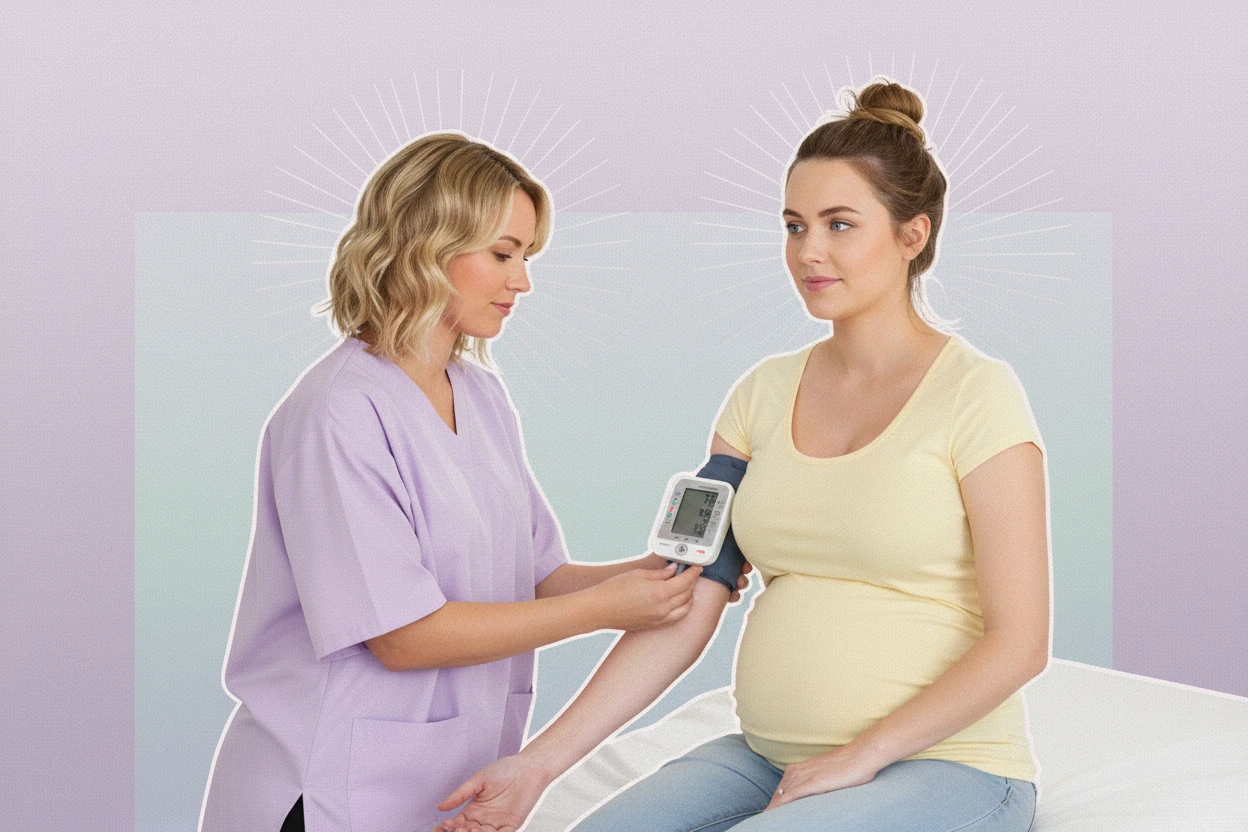
Routine prenatal care plays a vital role in early identification and management of hypertensive disorders. Home blood pressure monitoring (HBPM) programs have shown promise in improving blood pressure ascertainment, reducing racial disparities, and lowering blood pressure postpartum2413. Timely communication between patients and healthcare providers enables prompt treatment adjustments and reduces postpartum readmissions for hypertension24913.
Pharmacologic treatment requires careful balancing of maternal and fetal risks. First-line antihypertensive agents during pregnancy include labetalol, nifedipine, and methyldopa, while atenolol is avoided due to risks of fetal growth restriction926. Low-dose aspirin (75–100 mg daily) is recommended for women at high risk of preeclampsia, initiated between 12 and 28 weeks of gestation and continued until delivery926. For severe preeclampsia, magnesium sulfate is used to prevent seizures26.
Most pregnancies complicated by hypertension result in favorable outcomes when managed appropriately, underscoring the importance of comprehensive care that integrates medical, lifestyle, and psychosocial interventions911.
List 2: Prevention and Management Strategies for Hypertension in Pregnancy
| Medication Type | Use in Pregnancy | Notes |
|---|---|---|
| Labetalol | First-line antihypertensive | Safe and commonly used926 |
| Nifedipine | First-line antihypertensive | Also used postpartum9 |
| Methyldopa | First-line antihypertensive | Long history of use9 |
| Atenolol | Avoided | Risk of fetal growth restriction9 |
| Magnesium sulfate | Seizure prevention in preeclampsia | Hospital administration required26 |
| Sources:926 | ||