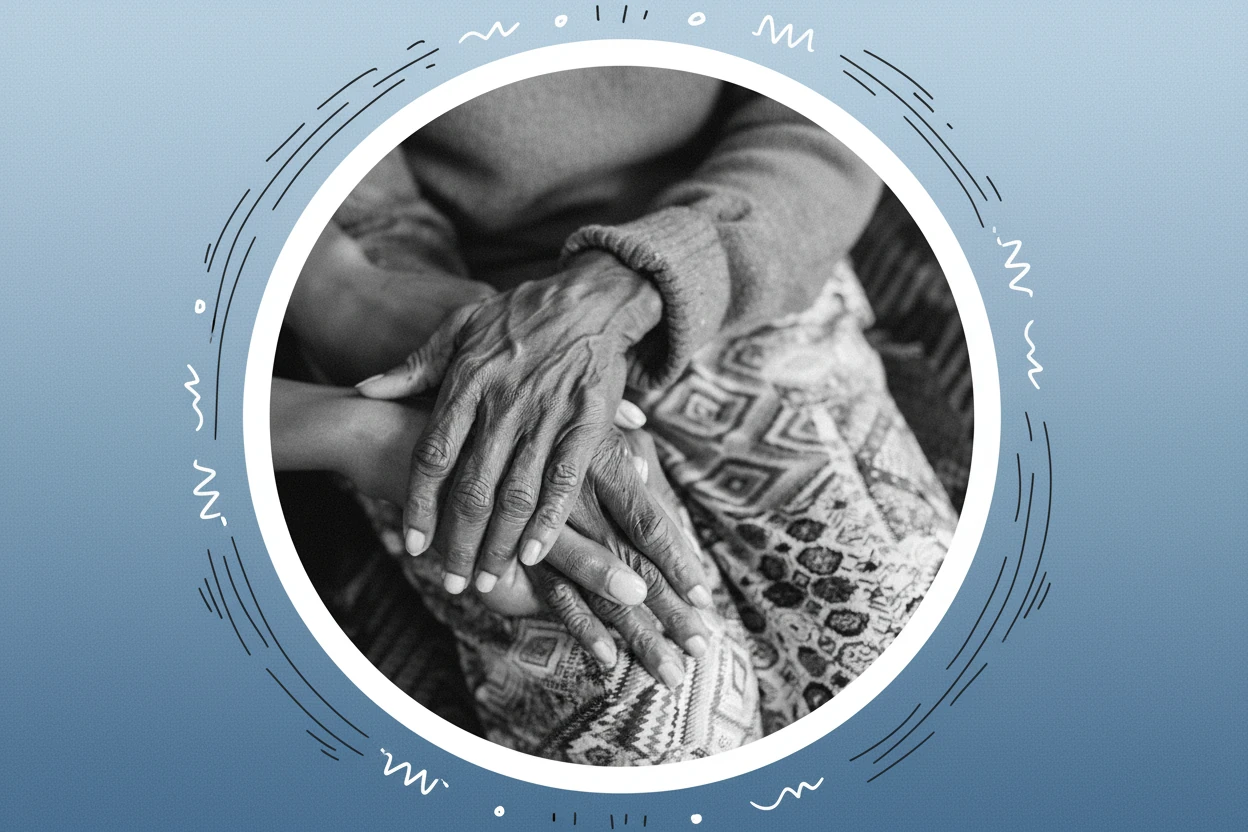
More than 6 million Americans are living with Alzheimer's disease, with Black individuals carrying the highest risk of developing dementia, followed by Indigenous Americans and people of Hispanic and Latino descent1. Despite this increased risk, racial and ethnic minorities often face significant barriers to timely diagnosis and quality care, leading to worse outcomes and higher mortality rates21. Understanding these disparities is critical to improving health equity and dementia care for all populations.
Delayed Dementia Diagnosis Causes
Racial and ethnic minorities, particularly Black and Hispanic populations, experience substantial delays in receiving a dementia diagnosis compared to non-Hispanic White individuals3. On average, Black individuals wait about four months longer, and Hispanic individuals over a year longer, to be diagnosed after symptom onset34. This delay results in patients presenting with more advanced cognitive impairment and functional difficulties at the time of diagnosis345.
Minoritized populations are less likely to receive an accurate and timely dementia diagnosis, leading to delays in treatment and poorer outcomes. Black Americans experience an 11% longer wait, and Hispanic Americans 40% longer, to receive a diagnosis compared to Whites28.
Several factors contribute to these delays. Implicit bias within healthcare systems leads to under-recognition of early dementia symptoms in minority patients and reduces referrals for diagnostic evaluations such as neuropsychological testing637. Black participants in Alzheimer's research were found to have 35% lower odds of receiving an Alzheimer's or related dementia diagnosis at initial visits compared to White participants, despite having greater cognitive impairment and more risk factors like hypertension and diabetes9. Moreover, Black patients often must present with more severe clinical symptoms to receive a diagnosis9.
Social determinants of health, including socioeconomic status, education, and healthcare access, further exacerbate these disparities3410. Additionally, mistrust of the medical system and cultural beliefs about aging and memory loss contribute to delayed care-seeking behaviors among minorities2. For example, Hispanic, Black, and Native American individuals are twice as likely as Whites to say they would not see a doctor if experiencing memory problems2.
- Implicit bias and structural racism in healthcare reducing symptom recognition and referrals67
- Greater severity of symptoms required for diagnosis in Black patients9
- Social determinants such as income, education, and healthcare access disparities310
- Cultural beliefs and mistrust leading to delayed care-seeking2
- Underrepresentation in research limiting understanding and tailored interventions1112
Overcoming Barriers to Dementia Care
Dementia disproportionately affects racial and ethnic minorities, including Black, Latino, Indigenous, and Asian populations, who face multiple barriers to accessing quality care137. Black Americans, for instance, have higher mortality rates from dementia-related causes than other groups1415. Although approximately 40% of primary care providers come from diverse backgrounds, cultural and linguistic mismatches remain a significant barrier to effective dementia care for minority patients167.
Historical and ongoing exclusion of minorities from clinical trials limits the applicability of new treatments to these populations1112. Barriers to clinical trial participation for Black Americans include mistrust of the medical system, logistical challenges, and lack of targeted recruitment efforts122. This underrepresentation hinders progress in understanding racial differences in disease progression and treatment response1112.
“Despite ongoing efforts to address health and health care disparities in Alzheimer’s and dementia care, survey results show there is still a lot of work to be done.”
— Carl V. Hill, Alzheimer’s Association2
Socioeconomic factors such as poverty, lack of insurance, and limited healthcare access contribute to disparities in dementia treatment and outcomes167. Mistrust of healthcare providers and experiences of discrimination further reduce engagement with dementia care services among racial and ethnic minorities2.
Culturally competent care and language concordance have been shown to improve engagement and outcomes in dementia care for minority populations7. Tailoring care to patients' cultural backgrounds and addressing systemic inequities are critical steps to bridging the gap.
- Mistrust of healthcare and medical research due to historical discrimination2
- Socioeconomic challenges limiting access to advanced therapies167
- Underrepresentation in clinical trials reducing treatment applicability12
- Cultural and linguistic mismatches between patients and providers7
- Experiences of discrimination within healthcare settings2
Treatment Costs and Financial Burden
The financial burden of dementia care is substantial, with lifetime costs reaching up to $287,000 per patient, including medical and long-term care expenses1819. This burden disproportionately affects uninsured families and those living in resource-limited areas, where minority populations have higher uninsured rates—18.8% for American Indian/Alaska Native (AIAN), 17.7% for Latino, and 9.6% for Black individuals compared to 5.7% for Whites191.
More than one-third of Black Americans believe discrimination is a barrier to receiving Alzheimer's care, and nearly half report experiencing discrimination when seeking healthcare2.
Medicaid expenditures for dementia care are projected to grow exponentially by 2050, highlighting the urgent need for affordable healthcare programs to support this aging population19. Due to the high costs of professional services, many families provide care themselves, which underscores the importance of caregiver support and education to improve outcomes and reduce caregiver burden19.
- High lifetime costs exceeding $250,000 per patient19
- Greater uninsured rates among racial and ethnic minorities exacerbating access issues191
- Growing Medicaid costs projected to increase substantially by 205019
- Reliance on family caregiving due to unaffordable professional care19
- Need for caregiver education and support to improve patient and caregiver well-being19
Dementia caregiving imposes substantial financial burdens on families, especially those uninsured or with limited resources. Expanding access to affordable dementia care is critical to meet the needs of an aging and diverse population19.
Alzheimer's Disease Disparities Explained
Racial and ethnic disparities in Alzheimer's disease and related dementias are well documented, with Black and Hispanic populations experiencing higher incidence and prevalence than non-Hispanic Whites62021. Cardiovascular risk factors, particularly hypertension and vascular comorbidities, are major contributors to these disparities232426.
Structural racism, including discriminatory housing policies and limited healthcare access, exacerbates both disease risk and inequities in care25726. For example, Black men face higher rates of chronic diseases such as heart disease, diabetes, stroke, and hypertension, which increase dementia risk26. Environmental factors like air pollution and neighborhood conditions also contribute to increased inflammation and stress, further elevating risk26.
“Creating a measurement of structural racism is imperative to conducting high-quality research on it—and dismantling it.”
— Roland Thorpe Jr., Johns Hopkins University26
Biological differences in Alzheimer's disease biomarkers and neuropathology have been observed between racial groups, complicating diagnosis and treatment2728. However, underrepresentation of minorities in research limits understanding of these differences and impedes development of effective interventions tailored to diverse populations1112.
Socioeconomic factors such as income, education, and healthcare access also influence dementia incidence and survival, contributing to the observed disparities2910. Black Americans with dementia are more likely to experience higher hospitalization rates, longer hospital stays, and receive more aggressive life-sustaining treatments at the end of life compared to Whites830. They are also less likely to receive hospice care or reside in long-term care facilities with specialized memory care units8.
| Disparity Aspect | Impact on Black and Hispanic Populations | Reference |
|---|---|---|
| Incidence and prevalence | Higher rates compared to non-Hispanic Whites | Sources:62021 |
| Cardiovascular risk factors | Greater burden of hypertension and vascular disease | 232426 |
| Structural racism | Limits healthcare access and increases risk factors | 25726 |
| Biological differences | Variations in biomarkers and neuropathology | 2728 |
| Research underrepresentation | Limits tailored treatment and understanding | 1112 |
| Healthcare quality and outcomes | More hospitalizations, less hospice use, aggressive care | 830 |
Frequently Asked Questions
While there is currently no cure for dementia, treatments are available that can slow disease progression and improve quality of life for patients34. Genetic predisposition, especially having first-degree relatives affected by Alzheimer's disease, increases an individual's risk, but environmental factors also play a significant role34.
Managing cardiovascular risk factors such as hypertension and heart disease through lifestyle modifications—like diet, exercise, and medication adherence—is recommended to reduce the risk of developing dementia34. Blood pressure control is a key preventive strategy shown to lower dementia risk3.
-
Can dementia be cured?
No, but treatments can delay symptom progression and improve quality of life3. -
What increases the risk of Alzheimer's disease?
Family history and environmental factors both contribute significantly to risk3. -
How can dementia risk be reduced?
Lifestyle changes targeting cardiovascular health, including blood pressure control, diet, and exercise, are essential3.