Postural hypotension, also known as orthostatic hypotension, affects about 20% of older adults and is a significant cause of falls, cardiovascular events, and cognitive decline12. This condition occurs when blood pressure drops suddenly upon standing, leading to symptoms like dizziness and fainting that can impair quality of life and increase mortality risk34. Understanding its types, causes, diagnosis, and management is essential for preventing complications and improving patient outcomes56.
Types of Postural Hypotension
Postural hypotension is classified based on the timing and pattern of blood pressure changes after standing:
- Classic orthostatic hypotension is defined by a sustained drop in systolic blood pressure of at least 20 mm Hg or diastolic blood pressure of at least 10 mm Hg within 3 minutes of standing75.
- Delayed orthostatic hypotension refers to a similar blood pressure drop occurring after more than 3 minutes of standing7.
- Initial orthostatic hypotension is a transient drop in blood pressure lasting less than 15 seconds immediately after standing8.
- Delayed blood pressure recovery describes a blood pressure drop that returns to baseline values more slowly than 15 seconds after standing8.
Classic orthostatic hypotension is the most studied subtype, while delayed forms are less well characterized but clinically relevant910. Postprandial hypotension, a related condition, involves a blood pressure drop within two hours after eating, especially in older adults11.
Symptoms of Postural Hypotension
Symptoms arise due to inadequate blood flow to the brain and other organs caused by the blood pressure drop. Common symptoms include:
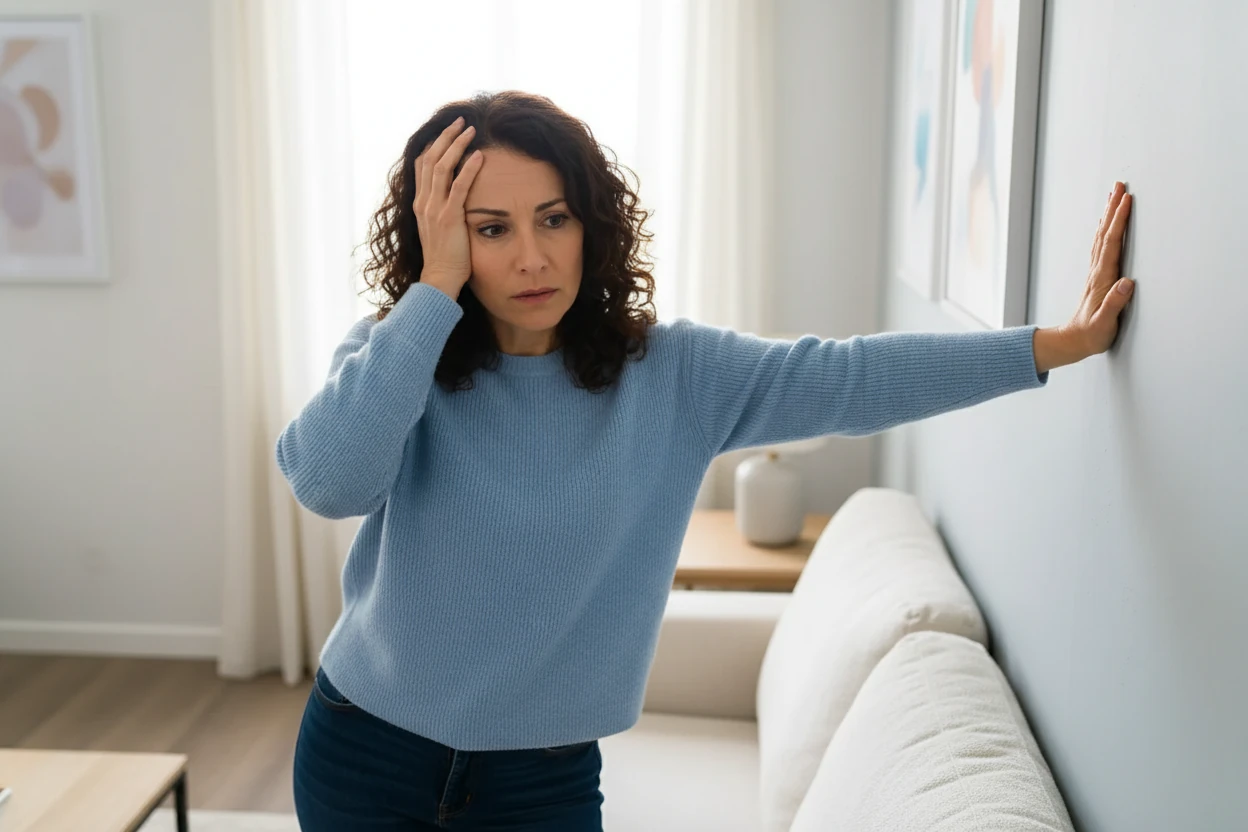
- Dizziness or lightheadedness upon standing126
- Blurred or tunnel vision13
- Weakness or fatigue1412
- Syncope (fainting) and falls615
- Chest discomfort or angina, especially in patients with heart disease613
- Leg pain due to poor circulation14
- Cognitive difficulties such as impaired concentration or mental slowing613
Symptoms often worsen in the morning due to overnight volume loss and are exacerbated by heat, dehydration, large meals, or certain medications613. Some patients may remain asymptomatic, with orthostatic hypotension detected only during routine blood pressure checks216.
Symptoms of postural hypotension can range from mild dizziness to severe syncope, increasing the risk of falls and injury, particularly in older adults136.
Common Causes
Postural hypotension results from failure of normal physiological mechanisms that maintain blood pressure during position changes. Causes are broadly divided into neurogenic and non-neurogenic categories.
Neurogenic Causes
Neurogenic orthostatic hypotension arises from dysfunction of the autonomic nervous system, which controls involuntary blood pressure regulation115. This form is less common but often more severe11. Common neurogenic causes include:
- Neurodegenerative diseases such as Parkinson's disease, multiple system atrophy, and Lewy body dementia3610
- Diabetic autonomic neuropathy causing nerve damage that impairs cardiovascular reflexes62
- Other nervous system disorders including amyloidosis and autoimmune neuropathies142
Neurogenic orthostatic hypotension is characterized by impaired baroreflexes and a blunted heart rate response to standing10. Patients may also experience other autonomic symptoms like bladder dysfunction and constipation6.
Non-neurogenic orthostatic hypotension is more prevalent and results from external factors affecting blood volume or heart function5. Key causes include:
- Volume depletion due to dehydration, blood loss, or anemia146
- Cardiovascular conditions such as heart failure, bradycardia, and heart valve disease1413
- Medications that lower blood pressure or impair vascular tone, including diuretics, beta-blockers, vasodilators, antidepressants, and psychotropics171813
- Age-related changes that reduce baroreceptor sensitivity and cardiac responsiveness213
- Alcohol use and prolonged bed rest contributing to volume loss and vascular dysfunction613
“Neurogenic orthostatic hypotension (OH) can be diagnosed accurately by measuring the ratio of the heart rate increase to the fall in systolic blood pressure (ΔHR/ΔSBP). A ratio less than 0.5 beats per minute per mm Hg after 3 minutes of standing indicates neurogenic OH and helps differentiate it from non-neurogenic causes.”
— Artur Fedorowski, MD, PhD10
Diagnosis Process
Diagnosing postural hypotension involves a detailed clinical evaluation and specific tests to confirm blood pressure changes and identify underlying causes.
- Clinical history and symptom review: Assess timing, triggers, and severity of symptoms, and review medications that may contribute519.
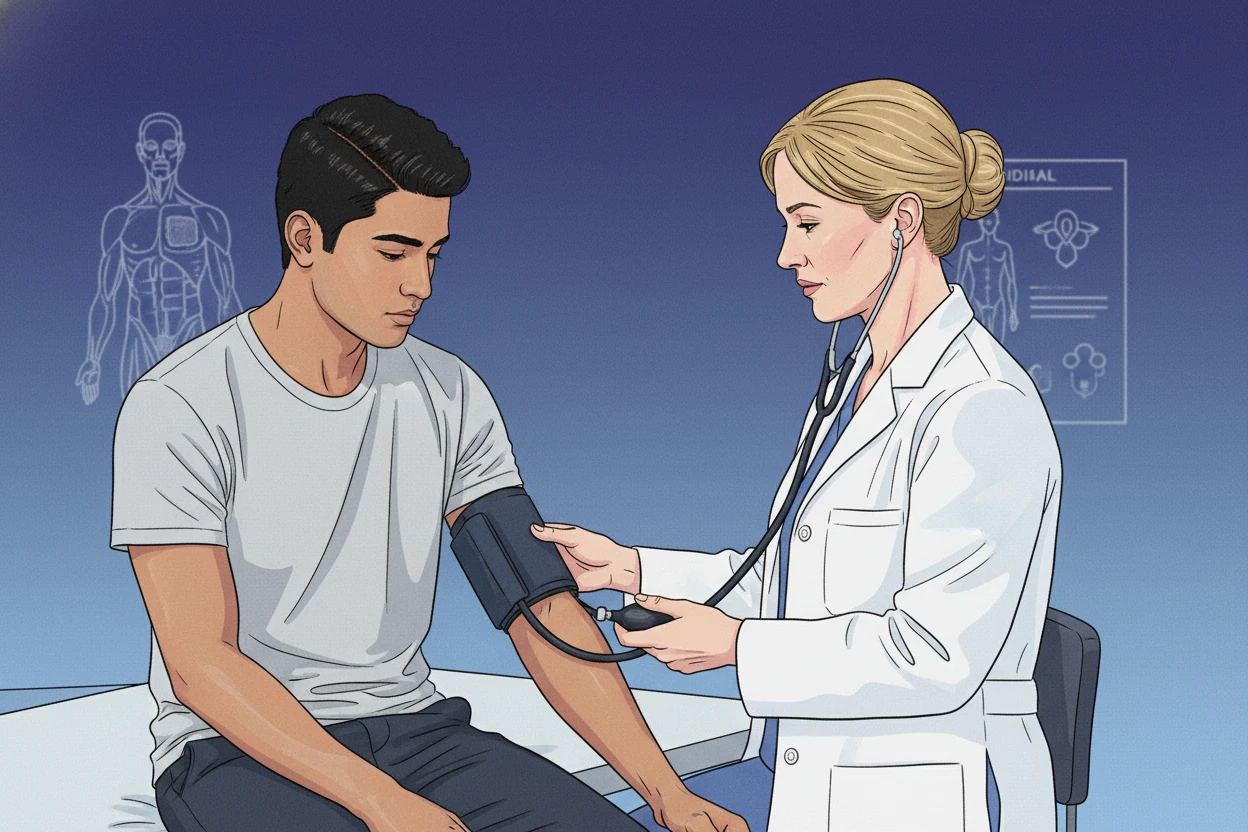
- Orthostatic vital signs: Measure blood pressure and heart rate after 5 minutes supine and within 3 minutes of standing. A drop of ≥20 mm Hg systolic or ≥10 mm Hg diastolic confirms diagnosis8519.
- Heart rate response: A blunted heart rate increase (<15 bpm) suggests neurogenic causes, while a normal or exaggerated increase indicates non-neurogenic causes10.
- Blood tests: Evaluate for anemia, electrolyte imbalances, blood sugar abnormalities, thyroid function, and other systemic conditions19.
- Cardiac evaluation: Electrocardiogram (ECG), echocardiography, and stress testing may be performed to assess heart function and rhythm1419.
- Tilt table testing: Used when bedside tests are inconclusive or when detailed autonomic assessment is needed1419.
- Neurological examination: Includes assessment of reflexes, strength, sensation, coordination, and cognition to detect autonomic or neurodegenerative disorders5.
Orthostatic vital signs are a simple yet essential diagnostic tool that is often overlooked but critical for identifying postural hypotension1920.
Treatment Options
Treatment aims to reduce symptoms, prevent falls, and address underlying causes rather than normalize blood pressure alone56.
- Non-pharmacologic measures:
- Gradual position changes from lying to standing21
- Adequate hydration and increased salt intake when appropriate622
- Use of compression stockings or abdominal binders to reduce venous pooling2319
- Avoidance of triggers such as alcohol, heat exposure, large meals, and rapid standing613
- Elevating the head of the bed to reduce nocturnal fluid shifts2419
- Isometric muscle contractions and physical activity to improve vascular tone621
- Medication adjustments: Review and discontinue or reduce drugs that contribute to hypotension, such as diuretics or vasodilators176.
- Pharmacologic therapy: When symptoms persist despite lifestyle changes, medications may be used:
- Midodrine, a vasoconstrictor, improves vascular tone622
- Fludrocortisone increases blood volume by promoting sodium retention622
- Droxidopa and pyridostigmine may be considered in neurogenic cases622
- Treat underlying conditions: Manage dehydration, heart disease, endocrine disorders, or neurological diseases contributing to hypotension145.
| Treatment Type | Examples | Purpose |
|---|---|---|
| Non-pharmacologic | Hydration, compression stockings | Prevent blood pooling, improve BP |
| Medication adjustment | Stop diuretics, reduce antihypertensives | Remove causative agents |
| Pharmacologic | Midodrine, fludrocortisone | Increase vascular tone and volume |
| Sources:61719 | ||
Prevention Strategies
Preventing postural hypotension focuses on minimizing risk factors and avoiding triggers that worsen symptoms.
- Maintain adequate hydration with 1.5 to 2 liters of fluids daily, adjusted for individual health status6.
- Avoid alcohol and excessive heat exposure, which promote vasodilation and dehydration613.
- Change positions slowly, allowing the body to adjust blood pressure gradually1413.
- Use compression garments to support venous return23.
- Sleep with the head of the bed elevated to reduce nocturnal hypotension24.
- Engage in regular physical activity to improve cardiovascular reflexes and muscle tone21.
- Perform isometric exercises such as leg crossing or muscle tensing after standing to maintain blood pressure6.
Management includes behavioral strategies to minimize symptoms, such as gradual position changes and avoiding alcohol, heat exposure, and large meals106.
Potential Complications
If untreated, postural hypotension can lead to serious complications, especially in older adults:
- Increased risk of falls and related injuries such as fractures and head trauma613.
- Stroke and other cerebrovascular events due to repeated cerebral hypoperfusion2526.
- Cardiovascular complications including arrhythmias, heart failure, and chest pain46.
- Cognitive decline and dementia linked to chronic cerebral hypoperfusion2725.
- Supine hypertension, a paradoxical high blood pressure when lying down, complicating management2829.
Prevention of complications depends on addressing modifiable risk factors and optimizing treatment146.
Summary
- Postural hypotension is a common condition marked by a significant drop in blood pressure upon standing, causing symptoms such as dizziness, weakness, and syncope7.
- It is classified into classic, delayed, initial, and postprandial types based on timing and pattern78.
- Causes include neurogenic disorders affecting autonomic control and non-neurogenic factors such as volume depletion and medications115.
- Diagnosis relies on orthostatic vital signs, heart rate response, and targeted testing519.
- Treatment combines lifestyle modifications, medication review, and pharmacologic agents when needed622.
- Prevention focuses on hydration, gradual position changes, and avoiding triggers613.
- Early recognition and management are crucial to reduce morbidity, prevent falls, and improve quality of life124.
Frequently Asked Questions
What is the blood pressure change that defines postural hypotension?
A drop of at least 20 mm Hg systolic or 10 mm Hg diastolic blood pressure within 3 minutes of standing defines postural hypotension730.
Can postural hypotension occur without symptoms?
Yes, many patients have asymptomatic orthostatic hypotension detected only during routine checks216.
What are common causes of postural hypotension?
Causes include autonomic nervous system disorders, dehydration, heart conditions, medications, and age-related changes14513.
How is postural hypotension treated?
Treatment includes lifestyle changes such as hydration and gradual standing, medication adjustments, and drugs like midodrine or fludrocortisone if needed622.
How can I prevent falls related to postural hypotension?
Preventive measures include slow position changes, wearing compression stockings, staying hydrated, and avoiding alcohol and heat exposure613.