Postmenopause begins after a woman has gone 12 consecutive months without a menstrual period, typically around age 5312. This stage lasts for the rest of a woman's life and is marked by a permanent decline in estrogen levels34. While many menopausal symptoms tend to lessen over time, some women continue to experience physical, emotional, and sexual health changes that can affect quality of life25. Understanding these symptoms helps women and healthcare providers manage postmenopausal health effectively34.
Physical Changes and Symptoms
The decline in estrogen during postmenopause causes several physical changes, affecting the skin, hair, and reproductive tissues. These changes can lead to discomfort and increased health risks if not addressed.
Vaginal Dryness
Vaginal dryness is a common symptom due to decreased estrogen, which leads to thinning and inflammation of vaginal tissues, a condition known as vaginal atrophy36. This dryness can cause irritation, pain during intercourse, and increase the risk of urinary tract infections (UTIs)36. The thinning of vaginal walls also contributes to discomfort and susceptibility to infections36.
Hot Flashes and Night Sweats
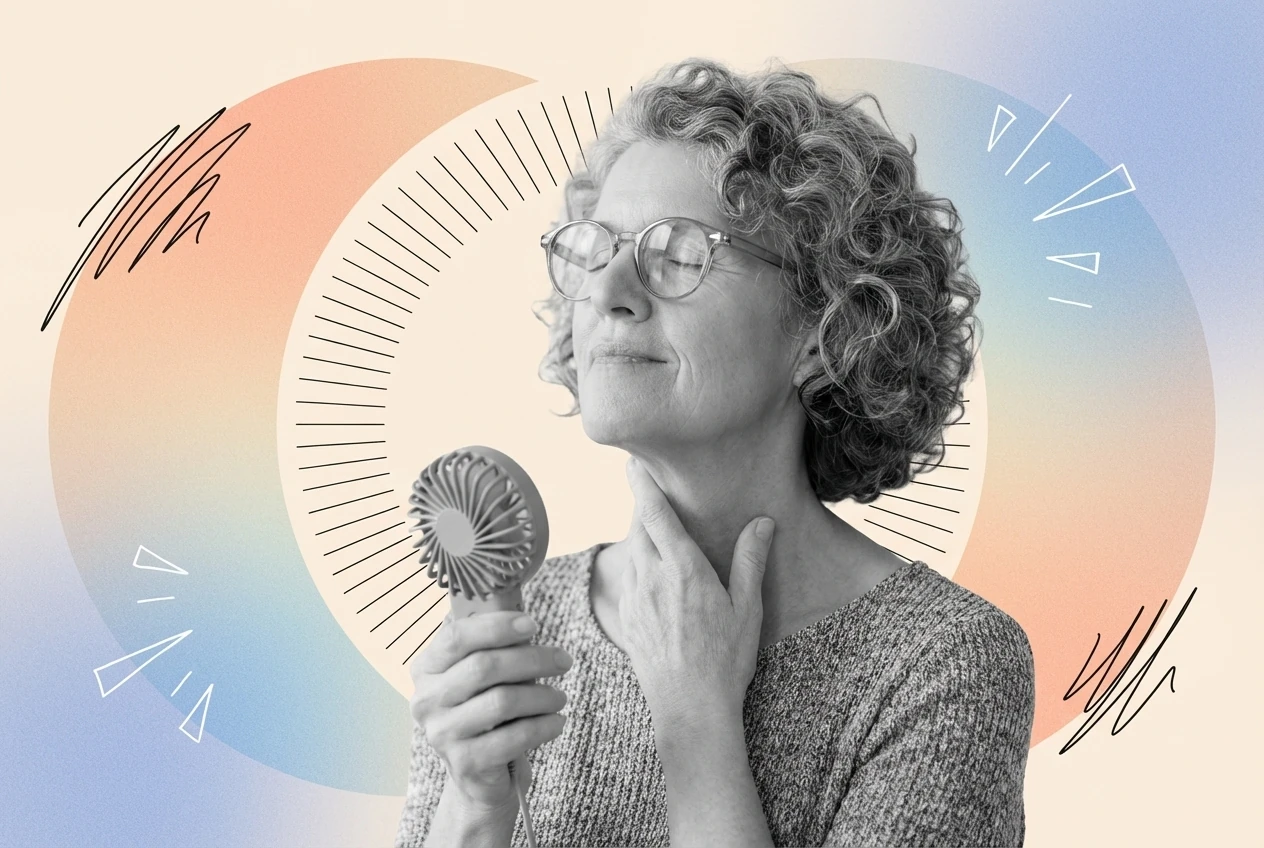
Vasomotor symptoms such as hot flashes and night sweats persist for many women after menopause-treatment-options-and-managementmenopause-treatment-options-and-managementmenopause35. Hot flashes involve sudden sensations of heat, sweating, and skin flushing35. Night sweats are excessive sweating during sleep and are a common manifestation of hot flashes35. These symptoms can last on average for 7 years but may continue for up to 20 years in some women27. Approximately 30-40% of postmenopausal women report persistent hot flashes beyond 10 years27.
Hair Loss
Postmenopausal hormonal shifts contribute to hair thinning and loss36. Androgenic alopecia, a form of hair loss, is associated with increased androgen activity in postmenopausal women36. Factors such as genetics, psychological stress, and nutrition also influence the degree of hair thinning36.
Dry Skin
Reduced estrogen levels affect skin hydration and elasticity, leading to dry skin during postmenopause36. This can cause increased skin sensitivity and discomfort, contributing to the overall physical changes experienced during this stage36.
- Common physical symptoms of postmenopause include:
- Vaginal dryness and atrophy causing discomfort and increased infection risk36
- Persistent hot flashes and night sweats lasting several years27
- Hair thinning linked to hormonal and lifestyle factors36
- Dry skin due to decreased estrogen affecting skin health36
Emotional and Cognitive Changes
Postmenopause can bring significant emotional and cognitive symptoms, often related to hormonal changes and their impact on brain function.
Mood Changes, Anxiety, and Depression
Emotional symptoms such as anxiety, depression, irritability, and mood swings affect 15-50% of postmenopausal women89. Hormonal fluctuations contribute to these mood disorders, which may include increased tearfulness and feelings of sadness89. Some studies report that depression affects up to 44% of postmenopausal women, with a higher prevalence of severe depression compared to perimenopausal women1011. Psychological stress and life changes during this period can exacerbate these symptoms89.
Trouble Sleeping
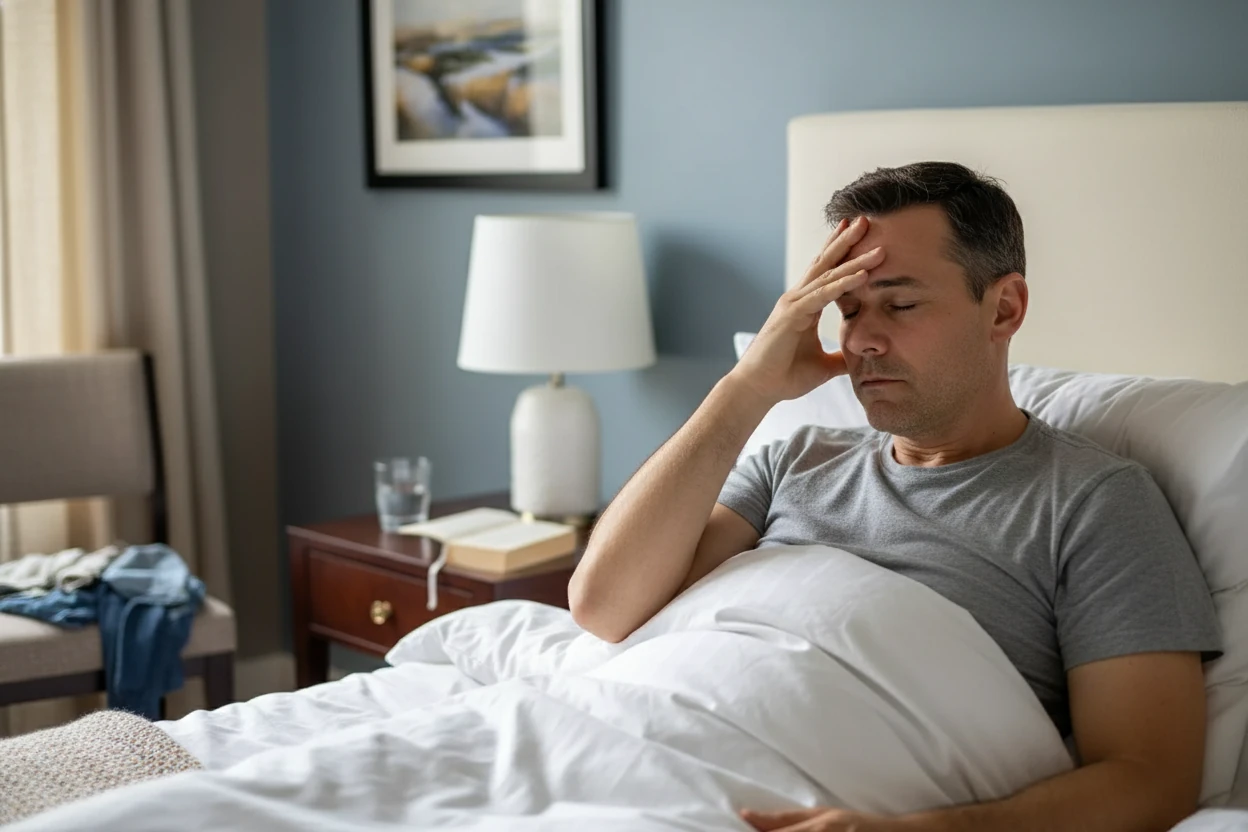
Sleep disturbances are common, with 40-60% of women reporting insomnia or frequent awakenings during menopausal transition and postmenopause89. Vasomotor symptoms such as night sweats and psychological stress contribute to disrupted sleep89. Poor sleep can worsen mood symptoms, creating a cycle of emotional and cognitive challenges89.
- Emotional and cognitive symptoms include:
- Anxiety, depression, and mood swings affecting up to half of postmenopausal women89
- Increased risk of severe depression in postmenopause1011
- Sleep problems such as insomnia and frequent awakenings linked to vasomotor symptoms and stress89
Emotional changes during postmenopause are common and can significantly impact quality of life. Addressing mood and sleep disturbances with healthcare support is important for overall well-being89.
Sexual Health Changes
Postmenopause affects sexual health through hormonal, physical, and psychological changes that influence desire, comfort, and urinary function.
Decreased Libido
Reduced sexual desire is frequently reported by postmenopausal women, influenced by hormonal shifts, vaginal dryness, and psychological stress36. These changes can negatively affect relationships and self-image36.
Urinary Incontinence
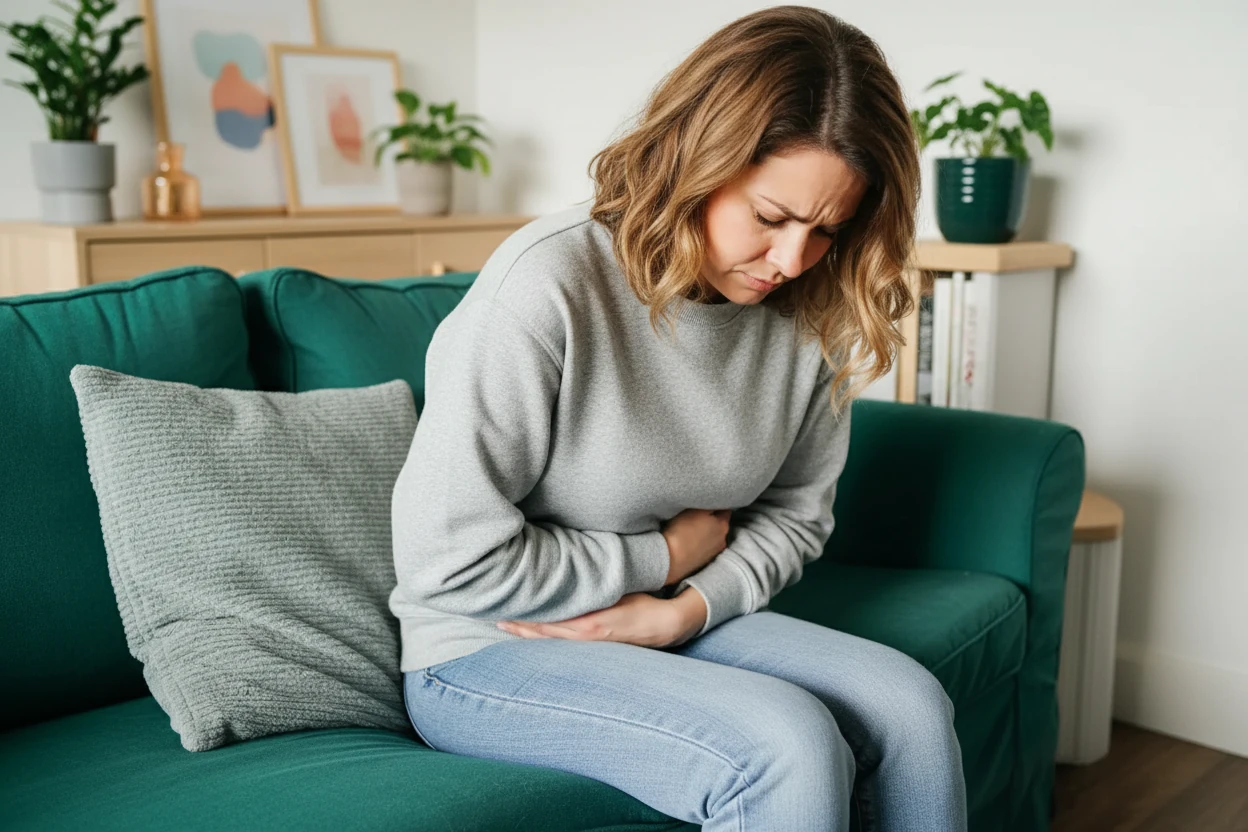
Urinary incontinence, defined as involuntary leakage or difficulty controlling urine, affects up to 50% of postmenopausal women36. Risk factors include genetic predisposition and sedentary behavior36. Symptoms include urinary urgency, frequency, and difficulty controlling urine flow36.
Pain or Discomfort During Sex
Painful intercourse (dyspareunia) is often due to vaginal atrophy and dryness, compounded by psychological factors36. This discomfort may persist for several years after menopause36.
Vaginal Bleeding
Postmenopausal bleeding occurs in about 10% of women and is considered abnormal612. Any vaginal bleeding after menopause warrants prompt medical evaluation to rule out serious conditions612.
- Sexual health changes in postmenopause include:
- Decreased libido due to hormonal and psychological factors36
- Urinary incontinence affecting up to half of women, with urgency and frequency symptoms36
- Painful intercourse related to vaginal dryness and atrophy36
- Abnormal vaginal bleeding requiring medical assessment612
Persistent sexual health symptoms such as pain during sex or urinary incontinence can be managed with medical support. Early consultation helps improve comfort and quality of life36.
When to See Your Doctor
It is important to consult a healthcare provider if postmenopausal symptoms interfere with daily life or if abnormal signs appear.
- Seek medical advice if you experience:
- Persistent or worsening hot flashes, night sweats, or mood symptoms34
- Painful intercourse or severe vaginal dryness36
- Urinary incontinence affecting daily activities36
- Any vaginal bleeding after menopause612
Healthcare providers can offer individualized management, including hormone therapy and other treatments, to improve symptoms and prevent complications34.
Postmenopause Symptoms Summary
Postmenopause is characterized by a range of symptoms caused by declining estrogen levels. While many symptoms improve over time, some women experience persistent physical, emotional, and sexual health changes.
- Key points about postmenopausal symptoms:
- Symptoms like hot flashes and vaginal dryness may last for years but often decrease in severity25
- Emotional symptoms such as depression and anxiety are common and may require treatment89
- Sexual dysfunction, including decreased libido and urinary incontinence, affects many women36
- Abnormal vaginal bleeding is a serious sign that requires medical evaluation612
Postmenopause lasts for the rest of a woman's life after 12 months without menstruation, and symptoms often become milder or disappear, but some health risks increase due to low estrogen13.
Postmenopause FAQs
What are the most common symptoms after menopause?
Common symptoms include vaginal dryness, hot flashes, mood changes, sleep disturbances, and sexual dysfunction35.
Do menopausal symptoms go away?
Menopausal symptoms typically lessen in severity over time, but some women may experience symptoms for up to 20 years25.
When should I see a doctor about postmenopausal symptoms?
Seek medical advice for persistent severe symptoms or any vaginal bleeding after menopause, as these may indicate underlying health issues612.