Night sweats affect up to 41% of people in primary care, with the highest rates seen in middle-aged adults1 . These episodes of excessive sweating during sleep can significantly disrupt rest and daily functioning2 . Night sweats may signal a variety of underlying health issues, from hormonal changes to serious infections or cancers, making accurate diagnosis and management essential3 .
Causes of Night Sweats
Night sweats occur when the body’s normal temperature regulation is disrupted, often involving the autonomic nervous system, particularly the sympathetic branch that controls sweat gland activity4 5. Several key causes include:
-
Hormonal Changes: Fluctuations in reproductive hormones, especially during perimenopause and menopause, are the most common cause. Declining estrogen levels narrow the thermoneutral zone in the hypothalamus, the brain’s temperature control center, leading to vasomotor symptoms such as hot flashes and night sweats. Up to 85% of menopausal women experience these symptoms, which can last 7–10 years6 78.
-
Infections: Bacterial infections like tuberculosis, endocarditis, and osteomyelitis, as well as viral infections including HIV and infectious mononucleosis, can cause night sweats due to inflammatory cytokine release and fever3 910.
-
Malignancies: Night sweats are common in lymphomas and leukemias and may also arise as side effects of chemotherapy, radiation, or hormone therapies used in cancer treatment12 1314.
-
Medications: Drugs that stimulate the sympathetic nervous system or affect thermoregulation can induce night sweats. These include corticosteroids, antidepressants (especially SSRIs), opioids such as methadone, cholinesterase inhibitors, and some diabetes medications3 154.
-
Endocrine Disorders: Conditions like hyperthyroidism and pheochromocytoma increase metabolism and heat production, triggering sweating episodes16 1718.
-
Neurological Conditions: Damage to autonomic nerves or disorders such as stroke and spinal cord cysts can disrupt sweating control5 1918.
-
Surgical Causes: Removal of hormone-producing organs can cause abrupt hormonal changes leading to night sweats20 21.
-
Other Causes: Sleep disorders like obstructive sleep apnea (OSA), substance abuse, autoimmune diseases, and primary hyperhidrosis (excessive sweating without clear cause) may also contribute15 1122.
Night sweats can significantly impair sleep quality and daily life across these diverse causes2 13.
Night Sweats Symptoms
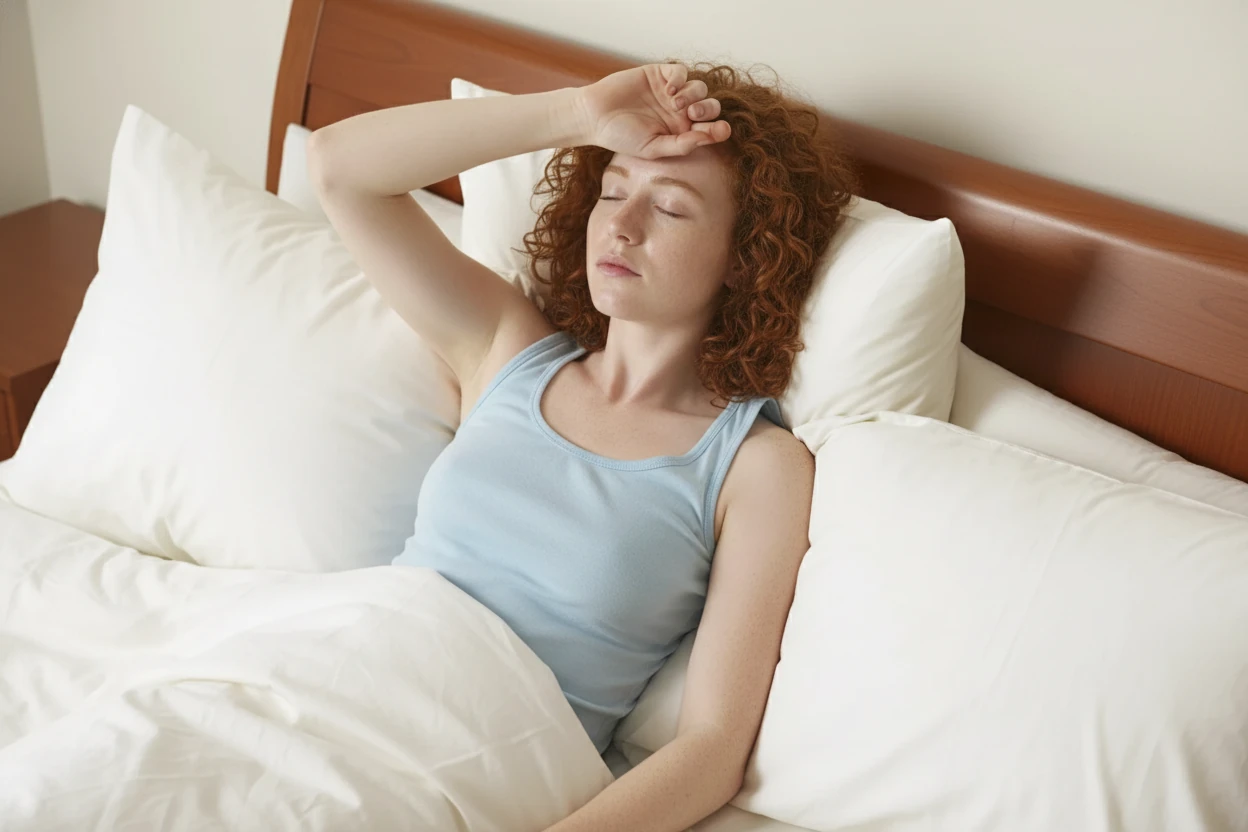
Night sweats are characterized by excessive sweating during sleep that soaks clothing and bedding, often accompanied by a sudden sensation of heat, flushing, and sometimes a rapid heartbeat23 24. Symptoms vary depending on the underlying cause but commonly include:
- Drenching sweats that disrupt sleep3 23
- Associated fever, which may indicate infection or malignancy progression11 25
- Weight loss and fatigue, often seen in serious illnesses like cancer or chronic infections3 11
- Hormonal symptoms such as hot flashes, mood changes, or menstrual irregularities in menopausal women6 7
- Anxiety, insomnia, and restless legs may accompany night sweats, especially in mood or sleep disorders1 18
- Symptoms of endocrine disorders like palpitations, tremors, or heat intolerance in hyperthyroidism18
These associated symptoms help guide clinicians in identifying the root cause of night sweats.
When to See a Doctor
Medical evaluation is recommended when night sweats:
- Occur regularly and interrupt sleep26 27
- Are accompanied by systemic symptoms such as fever, unexplained weight loss, pain, cough, or diarrhea11 2526
- Persist for weeks or start months to years after menopause symptoms have ended27
- Are severe enough to impair quality of life or cause social isolation28
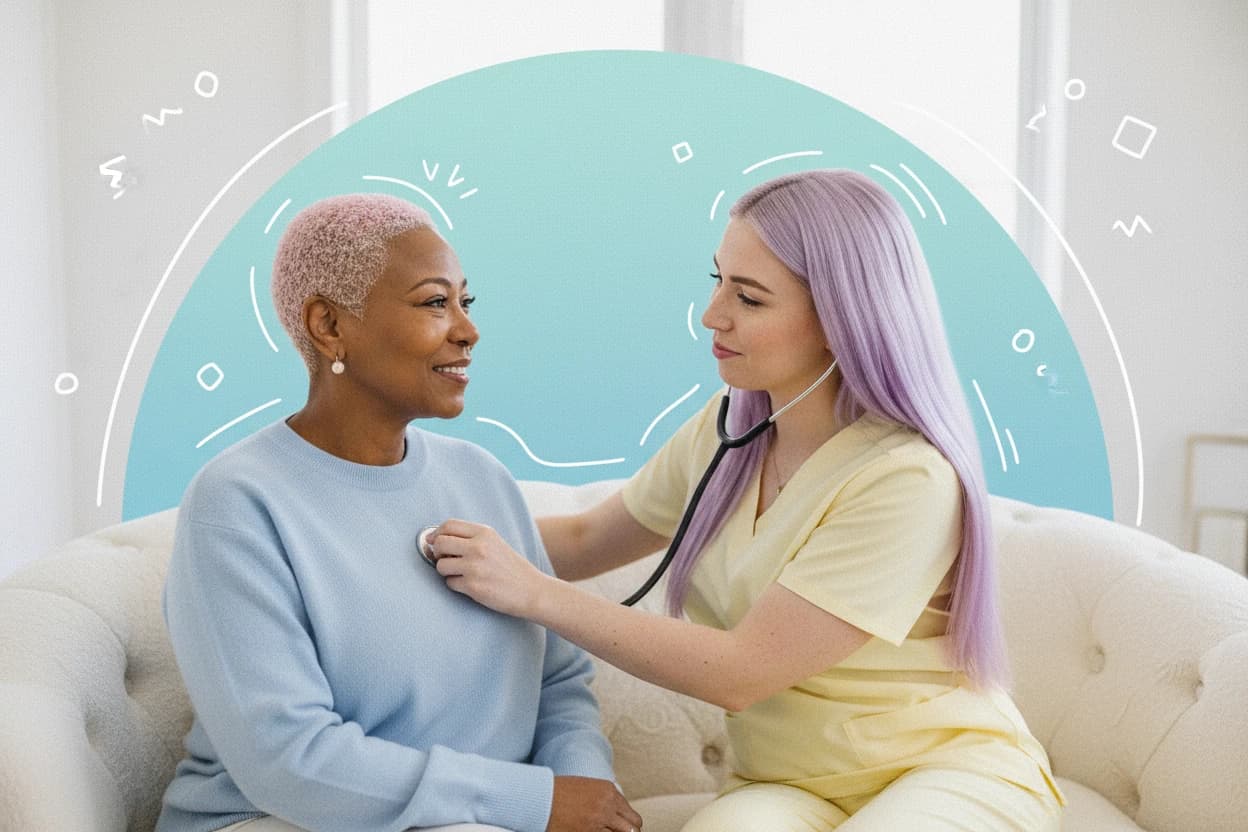
Early medical assessment is crucial to rule out serious conditions like infections, malignancies, or endocrine disorders. A detailed history and physical examination focusing on symptom onset, frequency, triggers, and associated signs guide further testing16 11.
Night Sweats Treatment
Treatment focuses on identifying and managing the underlying cause, as night sweats are a symptom rather than a diagnosis3 16. The approach includes:
-
Clinical Evaluation: History-taking covers symptom timing, frequency, associated symptoms, medication use, and family history. Physical examination looks for lymphadenopathy, signs of infection, endocrine abnormalities, or malignancy16 111.
-
Diagnostic Testing: Initial labs often include complete blood count, thyroid function tests, tuberculosis screening, HIV testing, inflammatory markers, and chest imaging to detect infections, cancers, or endocrine disorders16 111.
-
Medication Review: Identifying and adjusting medications that may cause sweating is important15 4.
-
Symptom Management: Depending on the cause, treatments include:
-
Topical Antiperspirants: Aluminum chloride-based clinical-strength antiperspirants reduce sweating in focal areas like axillae, palms, and soles15 29.
-
Hormone Therapy: Estrogen replacement or selective serotonin reuptake inhibitors (SSRIs) are effective for menopausal night sweats30 6.
-
Botulinum Toxin Injections: FDA-approved for focal hyperhidrosis, botulinum toxin blocks acetylcholine release at sweat glands, reducing sweating15 14.
-
Non-Hormonal Medications: Gabapentin, clonidine, and oxybutynin may be used for menopausal vasomotor symptoms or other causes31 18.
-
Lifestyle Modifications: Cooling bedroom temperature, wearing loose cotton clothing, avoiding triggers like alcohol, spicy foods, caffeine, and exercising earlier in the day can help reduce episodes23 2432.
-
Treatment of Underlying Conditions: Infections, malignancies, endocrine disorders, or neurological diseases require specific therapies3 1216.
| Treatment Modality | Indication | Mechanism/Notes |
|---|---|---|
| Aluminum chloride antiperspirants | Focal hyperhidrosis | Blocks sweat gland ducts to reduce sweating15 29 |
| Hormone replacement therapy (HRT) | Menopausal night sweats | Replaces estrogen to stabilize hypothalamic thermostat30 6 |
| SSRIs (e.g., paroxetine) | Menopausal symptoms | Modulates serotonin, a thermoregulator30 18 |
| Botulinum toxin injections | Focal hyperhidrosis | Inhibits acetylcholine release at sweat glands15 14 |
| Non-hormonal agents (gabapentin, clonidine) | Vasomotor symptoms, other causes | Modulate nervous system activity31 18 |
The first clue is often timing—episodes linked to hormone swings cluster around 2 a.m., whereas infection-related sweats can happen any hour24 .
Summary and Key Takeaways
-
Night sweats affect a significant portion of adults and can result from hormonal changes, infections, malignancies, medications, endocrine, neurological, or sleep disorders3 1511.
-
Menopause is the most common cause, with up to 85% of women experiencing night sweats due to estrogen decline affecting the hypothalamic thermostat6 7.
-
Associated symptoms such as fever, weight loss, and fatigue may indicate serious underlying disease and warrant prompt medical evaluation11 25.
-
Diagnosis requires thorough history, physical exam, and targeted laboratory and imaging studies to identify the cause16 11.
-
Treatment is individualized and ranges from lifestyle changes and topical agents to hormone therapy and procedural interventions like botulinum toxin injections3 156.
-
Patients should seek medical care if night sweats are frequent, severe, or accompanied by systemic symptoms26 27.