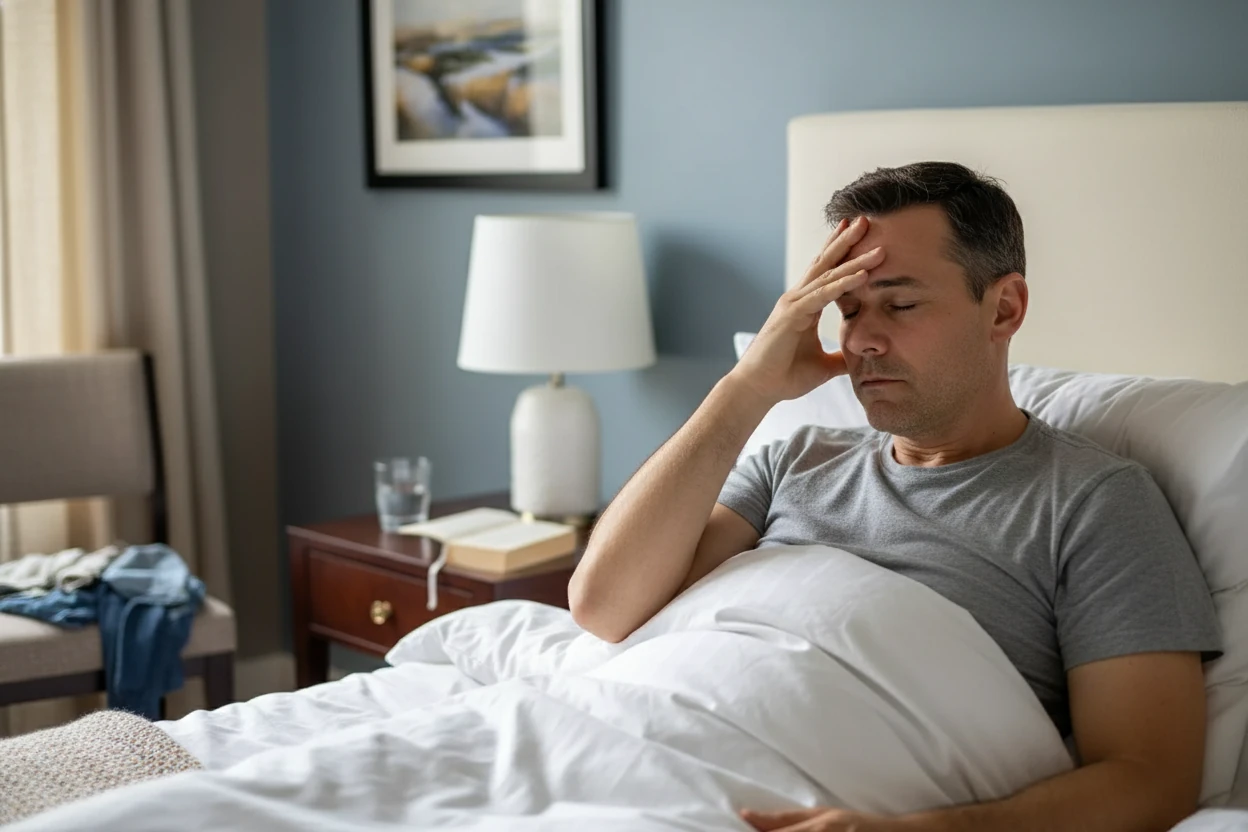
Perimenopause is the transitional phase leading up to menopause, typically lasting around four years, during which women experience fluctuating hormone levels and a range of symptoms1. Effective management of these symptoms is essential to maintain quality of life and overall health during this period1. Treatment plans should be individualized, combining medical therapies, psychological support, complementary approaches, and lifestyle modifications to address the diverse needs of women in perimenopause2.
Medical Treatments for Perimenopause
Medical treatments for perimenopause focus on alleviating symptoms caused by hormonal changes, particularly vasomotor symptoms and mood disturbances. These treatments include hormone therapy, contraception options, and antidepressants.
Hormone Therapy
Hormone therapy (HT), often referred to as hormone replacement therapy (HRT), is the most effective treatment for moderate-to-severe vasomotor symptoms such as hot flashes and night sweats, reducing these symptoms by up to 75%34. HT replenishes declining estrogen and progesterone levels during perimenopause to restore hormonal balance5.
There are multiple formulations of hormone therapy, including oral pills, transdermal patches, vaginal creams or rings, and implantable devices, allowing for individualized treatment plans based on patient preference and clinical factors6. Estrogen-only therapy is recommended for women who have undergone hysterectomy to avoid unnecessary progestogen exposure, while combined estrogen-progestogen therapy is used for those with an intact uterus to protect the endometrium from hyperplasia6.
Besides symptom relief, hormone therapy also helps prevent bone loss and reduces the risk of osteoporosis, a common concern in the menopausal transition7. However, therapy must be tailored to individual risk profiles, including age, medical history, and contraindications such as a history of blood clots or certain cancers25.
Key points about hormone therapy include:
- Estrogen is the primary hormone used to treat vasomotor symptoms3.
- Progestogens are added to protect the uterine lining in women with a uterus6.
- Low-dose systemic estrogen therapies effectively relieve symptoms with minimized risks8.
- Vaginal estrogen is preferred for genitourinary symptoms like vaginal dryness and urinary discomfort9.
- Regular follow-up is essential to assess benefits, side effects, and ongoing need for therapy10.
Contraception
During perimenopause, ovulation becomes irregular but can still occur, meaning pregnancy remains possible11. For women who do not wish to conceive, contraception is recommended until menopause is confirmed by 12 months of amenorrhea12.
Hormonal contraceptives, such as combined oral contraceptive pills, patches, or vaginal rings, are frequently used during perimenopause to stabilize hormone levels and manage symptoms like heavy or irregular bleeding12. These contraceptives also provide effective birth control and can improve vasomotor symptoms. Additionally, levonorgestrel-releasing intrauterine systems (IUS) may be combined with estrogen therapy to protect the endometrium and control bleeding12.
Antidepressants
Antidepressants are sometimes prescribed to manage mood symptoms associated with perimenopause, such as anxiety and depression, which are common during this transition5. Selective serotonin reuptake inhibitors (SSRIs) and serotonin-norepinephrine reuptake inhibitors (SNRIs) have shown efficacy in reducing hot flashes and improving mood in some women513.
Non-hormonal medications like gabapentin and oxybutynin may also help alleviate hot flashes, especially in women who cannot or prefer not to use hormone therapy14. Fezolinetant, a newer non-hormonal drug approved by the FDA, targets brain pathways regulating body temperature and effectively reduces moderate to severe hot flashes1514.
Antidepressants should not be the first-line treatment for mood symptoms unless a clinical diagnosis of depression or anxiety is present16. Cognitive behavioral therapy (CBT) and other psychological interventions are preferred initial approaches for mood disturbances17.
Therapeutic Approaches
Non-pharmacological therapies play a supportive role in managing perimenopausal symptoms, addressing both emotional and physical health.
Talk Therapy
Psychological therapies, particularly cognitive behavioral therapy (CBT), are effective in reducing depression and anxiety symptoms during perimenopause17. CBT helps women develop coping strategies to manage mood swings, stress, and sleep disturbances common in this phase18.
Sex therapy, either individual or couples-based, can improve sexual function and intimacy affected by vaginal dryness, pain, and emotional changes9. Open communication facilitated by therapy supports emotional well-being and relationship satisfaction during perimenopause9.
Physical Therapy
Pelvic floor physical therapy, including muscle strengthening exercises, benefits women experiencing urinary incontinence and pelvic organ prolapse, which are common during perimenopause due to declining estrogen and tissue changes189.
Pelvic floor muscle training targets the muscles controlling urinary and bowel function, improving symptoms and quality of life9. Adjunctive treatments such as vaginal lubricants, moisturizers, and dilators help alleviate vaginal dryness and discomfort during intercourse9. Vaginal dilators gradually stretch and relax vaginal tissues, reducing pain and improving comfort9.
Complementary and Alternative Treatments
Complementary therapies offer additional symptom relief, though their efficacy is generally less robust compared to hormone therapy.
Acupuncture and hypnotherapy have shown some promise in reducing hot flash frequency and improving sleep quality, but they are less effective than hormone therapy171519. Hypnosis, a state of deep relaxation, may enhance sleep and overall well-being during perimenopause19.
Mindfulness meditation benefits psychological symptoms and sleep but does not significantly reduce the severity of hot flashes171519. Yoga provides physical and psychological symptom relief comparable to other forms of exercise and supports stress reduction171519.
Evidence for herbal remedies such as black cohosh, soy products, and phytoestrogens remains inconclusive, and safety concerns exist, especially in women with breast cancer risk1914. Compounded bioidentical hormones are not recommended due to lack of regulation and safety data10.
Lifestyle Modifications
Lifestyle changes are essential adjuncts in managing perimenopausal symptoms and promoting overall health.
Regular physical activity, including at least 20 minutes of moderate exercise three times weekly, reduces psychological and physical symptoms and supports bone health202122. Sedentary behavior can worsen symptoms, so integrating movement through walking breaks or standing desks is beneficial22.
Nutritional strategies emphasize a balanced intake of macronutrients, hydration, probiotics, and omega-3 fatty acids to improve symptoms and sleep quality2223. Limiting alcohol, caffeine, and spicy foods may reduce vasomotor symptoms22. Practical measures such as dressing in layers and using portable fans help manage hot flashes122.
Lifestyle tips include:
- Engage in regular aerobic and weight-bearing exercises22.
- Maintain a balanced diet rich in fruits, vegetables, whole grains, and calcium22.
- Stay hydrated and consider probiotics and omega-3 supplements22.
- Avoid triggers like alcohol, caffeine, and spicy foods22.
- Use layered clothing and cooling devices to cope with hot flashes22.
Managing Perimenopause Symptoms
Managing perimenopause requires a comprehensive approach tailored to individual symptoms and health status. Open communication with healthcare providers is critical to develop personalized treatment plans1. Tracking menstrual cycles and symptoms helps guide management decisions14.
Social and peer support networks provide emotional relief and shared understanding, mitigating psychological distress during this transition1. Self-care practices, including stress reduction and sleep hygiene, enhance well-being1.
Women should seek medical advice if symptoms are severe, such as very heavy bleeding, persistent mood disturbances, or significant sleep disruption12. Regular follow-up ensures treatment efficacy and safety, with adjustments made as needed10.
Menopause hormone therapy should be tailored to each person, with regular reviews to ensure benefits outweigh risks24.
Key Takeaways
- Hormone therapy is the first-line and most effective treatment for vasomotor symptoms in perimenopause, with symptom reduction rates up to 75%34.
- Contraception remains important during perimenopause until menopause is confirmed, with hormonal contraceptives offering symptom control and birth control12.
- Non-hormonal medications, including antidepressants and newer agents like fezolinetant, provide alternatives for women who cannot or prefer not to use hormones514.
- Psychological therapies such as cognitive behavioral therapy and physical therapies like pelvic floor exercises support emotional and physical symptom management18179.
- Lifestyle modifications, including regular exercise, balanced nutrition, and practical measures for hot flashes, are essential adjuncts to medical treatment221.