Ovulation is a crucial phase in the female menstrual cycle when a mature egg is released from one of the ovaries, typically about two weeks before the start of the next menstrual period1. This process usually lasts between 12 to 24 hours, during which conception is most likely to occur2. Understanding the physical signs and symptoms of ovulation can help individuals identify their fertile window and better manage reproductive health3.
Cervical Mucus Changes
Cervical mucus undergoes significant changes throughout the menstrual cycle due to hormonal fluctuations, especially estrogen and progesterone4. During the early follicular phase, cervical mucus is scant or nearly absent5. As estrogen levels rise in the late follicular phase, mucus production increases, becoming clear, slippery, and stretchy, resembling raw egg whites45. This fertile cervical mucus has a slippery, elastic texture that facilitates sperm survival and transport through the cervix, optimizing conditions for fertilization4.
Even if you're not actively trying to conceive, being aware of your menstrual cycle and ovulation patterns provides great insight to your reproductive health.
— Sasha Hakman11
After ovulation, progesterone causes the cervical mucus to thicken and become scant, reducing sperm passage and marking the end of the fertile window4. Monitoring these changes in cervical mucus is one of the most reliable physical signs of ovulation2.
Basal Body Temperature Shifts
Basal body temperature (BBT) is the lowest body temperature attained during rest, typically measured immediately upon waking before any physical activity4. After ovulation, increased progesterone secretion causes a rise in BBT by approximately 0.3 to 0.6 degrees Celsius (0.5 to 1 degree Fahrenheit)4. This elevated temperature persists throughout the luteal phase until menstruation begins4.
BBT charting is a fertility awareness method used to retrospectively estimate ovulation, confirming that ovulation has occurred but not predicting its timing in advance6. The fertile window includes the five days before and the day of ovulation, which precedes the BBT rise6. Therefore, BBT tracking helps identify the fertile window for conception planning but is best used in conjunction with other ovulation signs7.
Cervical Position Changes
The cervix changes position, texture, and openness throughout the menstrual cycle, influenced by hormonal shifts4. During ovulation, the cervix becomes softer, rises higher in the vagina, and opens slightly to facilitate sperm entry45. The cervical os (opening) dilates, and the cervix elevates, optimizing conditions for sperm transport and fertilization5. These changes are temporary and reverse after ovulation as progesterone levels rise4.
Tracking cervical position changes alongside other signs can improve the accuracy of identifying the fertile window2.
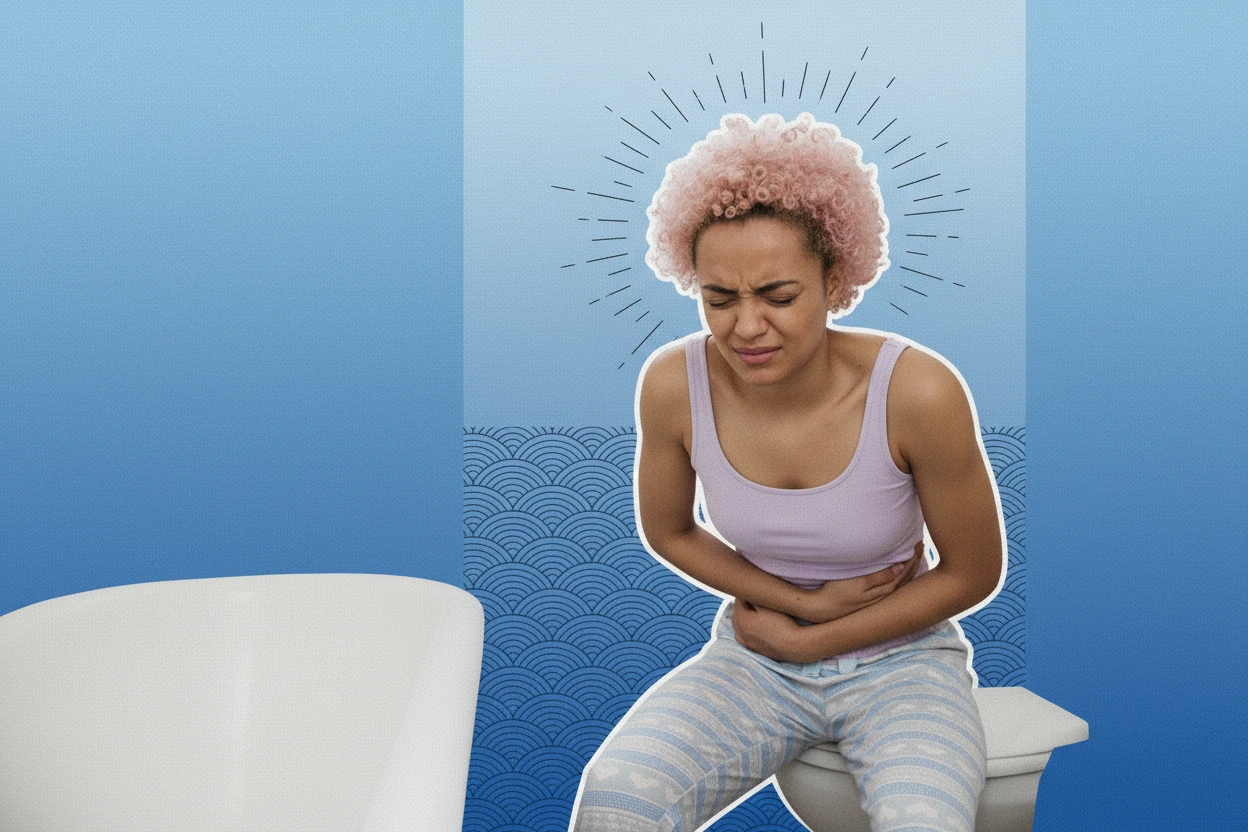
Pelvic and Abdominal Pain
Some individuals experience mild, sharp cramps or pain on one side of the lower abdomen or pelvis during ovulation, a phenomenon known as mittelschmerz89. This pain is generally milder than menstrual cramps and lasts between three to twelve hours89. The side of the pain usually corresponds to the ovary releasing the egg, and it may alternate sides each month89.
The pain results from the rupture of the follicle releasing the egg, which may also release fluid or blood that irritates the abdominal lining89. While not everyone experiences ovulation pain, it is a common and normal symptom for many2.
Nausea and Headaches
Hormonal changes during ovulation can cause nausea and headaches, although these symptoms are not common89. In some cases, the pain from breast tenderness and cramps may contribute to feelings of nausea89. Additionally, hormonal fluctuations can exacerbate migraine severity in susceptible individuals during this phase10. These symptoms vary widely and are not experienced by all women.
Appetite Changes
Appetite and food cravings fluctuate throughout the menstrual cycle due to changes in estrogen and progesterone levels8. Around ovulation, estrogen reaches its peak, which has been shown to reduce food intake in both animal and human studies84. As a result, appetite may decrease during ovulation8.
In contrast, the luteal phase following ovulation is associated with increased progesterone levels, which support the maintenance of the endometrial lining for potential embryo implantation4. This phase often brings increased appetite and cravings, particularly for sweet and salty foods, and a rise in protein consumption, especially animal protein8. These dietary changes reflect the body's preparation for possible pregnancy.
Increased Energy Levels
Elevated estrogen levels near ovulation can enhance energy and mood transiently4. This hormonal boost may lead to a noticeable increase in overall energy levels during the fertile window. However, after ovulation, progesterone becomes the dominant hormone, which has sedative effects and improves sleep quality4. These shifts in hormone balance contribute to the cyclical changes in energy experienced throughout the menstrual cycle.
Breast Pain and Tenderness
Breast pain or tenderness is a common symptom associated with ovulation, ranging from mild discomfort to severe pain89. The exact hormone responsible for this symptom is unclear; some evidence points to increased estrogen, while other research suggests decreased progesterone may play a role89. Management of breast pain depends on its severity and may include applying heat or taking over-the-counter pain relievers such as ibuprofen or acetaminophen89.
Bloating and Fluid Retention
Many women experience mild bloating and fluid retention around ovulation due to hormonal changes3. These symptoms result from the body's response to fluctuating estrogen and progesterone levels, which can affect water balance and cause a feeling of fullness or swelling in the abdomen. While uncomfortable, these symptoms are generally temporary and resolve as hormone levels stabilize.
Heightened Sense of Smell
Some individuals notice an enhanced sense of smell, taste, or sight during ovulation3. This heightened sensory perception is thought to be linked to hormonal changes, particularly the surge in estrogen, which may increase sensory sensitivity. These subtle changes can serve as additional indicators of the fertile window.
Increased Libido
Estrogen levels peak in the late follicular phase near ovulation, which can lead to an increased sex drive4. This rise in estrogen not only boosts libido but also enhances energy and mood transiently4. After ovulation, progesterone levels increase, which tends to have sedative effects, potentially reducing sexual desire during the luteal phase4.
Mood Swings
Mood changes are common during ovulation and throughout the menstrual cycle due to fluctuating hormone levels3. Some women may experience heightened emotions, irritability, or mood swings around ovulation. These shifts are linked to estrogen and progesterone fluctuations and vary widely among individuals.
When to Consult a Doctor
While many ovulation symptoms are normal, certain signs warrant medical consultation. Irregular or absent ovulation may indicate underlying conditions such as polycystic ovary syndrome (PCOS), amenorrhea, or hormonal imbalances211. Women experiencing severe pain, persistent nausea, or other troubling symptoms should seek evaluation. Maintaining a healthy weight, managing stress, and regular exercise can support ovulatory health, but professional guidance is essential for diagnosing and treating ovulatory disorders2.
It's essential to identify the underlying cause of irregular ovulation and work with a fertility expert to address it if you're looking to conceive a baby.
— Jenna Turocy2
Key Takeaways
- Ovulation typically occurs about 14 days before the start of the next menstrual period and lasts 12 to 24 hours12.
- Key physical signs include changes in cervical mucus, a rise in basal body temperature, and cervical position changes42.
- Mild pelvic pain, breast tenderness, and mood swings are common but vary among individuals893.
- Tracking multiple ovulation signs improves fertility awareness and conception planning62.
- Consult a healthcare provider if ovulation is irregular or symptoms are severe to address potential underlying conditions211.
Frequently Asked Questions
How long does ovulation last?
Ovulation usually lasts between 12 to 24 hours, during which the egg is viable for fertilization212.
Can I get pregnant if I don't feel ovulation symptoms?
Yes, many women do not experience noticeable ovulation symptoms but can still ovulate and conceive23.
What is the best way to confirm ovulation?
Confirmation is best achieved by combining methods such as basal body temperature tracking, cervical mucus observation, and ovulation predictor kits that detect luteinizing hormone surges7.