Tooth discoloration is a common concern, with up to 80% of adults aged 18 to 49 expressing a desire for whiter teeth1. Many individuals turn to natural whitening methods before seeking professional treatments, but not all natural approaches are equally safe or effective1. Understanding the mechanisms, benefits, and risks of these methods is essential for maintaining a bright smile without damaging dental health2.
Oil Pulling
Oil pulling is an ancient practice that involves swishing oil, such as coconut oil, in the mouth to improve oral hygiene3. This method may reduce oral bacteria and plaque buildup, which are factors that contribute to tooth discoloration3. Studies have shown that oil pulling can significantly reduce Streptococcus mutans, a bacteria linked to cavities and plaque, and may be as effective as antimicrobial mouthwash in reducing oral bacteria34.
However, the direct effect of oil pulling on whitening teeth is not well established. There is no strong scientific evidence that oil pulling can whiten teeth, and major dental organizations do not recommend it as a whitening method35. While it may promote oral health by reducing bacteria and plaque, relying on oil pulling alone for whitening is unlikely to produce significant results3.
- Oil pulling reduces oral bacteria and plaque, which can help maintain a whiter appearance3
- Coconut oil pulling significantly decreases Streptococcus mutans in saliva3
- Oil pulling may be as effective as antimicrobial mouthwash in reducing oral bacteria3
- The American Dental Association does not recommend oil pulling for teeth whitening5
- There is no documented evidence that oil pulling whitens teeth directly5
The American Dental Association does not recommend oil pulling and states there is no scientific evidence that oil pulling whitens teeth, prevents cavities, or improves overall health5.
Hydrogen Peroxide
Hydrogen peroxide is a widely used bleaching agent in both professional and over-the-counter (OTC) teeth whitening products6. It works by breaking down colored compounds (chromogens) in the enamel, effectively lightening the natural color of teeth7. Hydrogen peroxide is more effective than charcoal-containing toothpaste at whitening teeth due to its strong bleaching action8.
Despite its effectiveness, improper or frequent use of hydrogen peroxide can damage tooth enamel and irritate gums6. Overuse may lead to enamel erosion, increased tooth sensitivity, and gum inflammation, although these side effects are typically mild and transient69. It is important to follow product instructions carefully and consult a dentist before using hydrogen peroxide for whitening6.
- Hydrogen peroxide removes stains by bleaching the enamel6
- It is more effective than charcoal toothpaste in whitening teeth8
- Overuse can damage enamel and irritate gums6
- Temporary tooth sensitivity and gingival inflammation are common side effects9
- Dentists recommend professional guidance when using hydrogen peroxide products6
“As those compounds get smaller, the discoloration becomes less concentrated and the net effect is brighter teeth,” explains Dr. Anne Clemons, DMD, Cleveland Clinic7.
— Anne Clemons, DMD, Cleveland Clinic
Pineapple, Mango, or Lemon
Some natural whitening methods involve using fruit peels or juices, such as those from strawberries, pineapples, mangoes, or lemons, as mild scrubs or whitening agents3. For example, strawberry juice has been shown in laboratory studies to remove coffee stains from teeth10. These fruits contain natural acids and enzymes that may help break down surface stains.
However, frequent use of acidic fruits for teeth whitening can damage tooth enamel and increase tooth sensitivity10. Acidic foods erode the enamel, the hard outer layer of teeth, which can lead to greater discoloration and sensitivity over time10. Dentists advise against using fruit peels as scrubs and recommend consuming fruit normally rather than applying it directly to teeth10.
- Some fruit juices, like strawberry juice, can remove surface stains in vitro10
- Acidic fruits can erode enamel and increase sensitivity with frequent use10
- Using fruit peels as scrubs is not recommended due to enamel damage risk10
- Dentists suggest waiting at least an hour after acidic food consumption before brushing10
- Consuming milk or cheese and chewing sugarless gum can help neutralize acids and protect enamel10
Baking Soda
Baking soda is a common ingredient in commercial toothpaste because of its natural whitening and antimicrobial properties11. It is less abrasive than many other whitening agents and has an alkaline pH, which helps neutralize acids in the mouth that contribute to enamel erosion and discoloration11. Toothpastes containing baking soda have been shown to be more effective at reducing plaque and removing stains than those without baking soda11.
However, evidence supporting the whitening effect of brushing with a simple baking soda and water mixture is limited11. Dentists recommend consulting a professional before using baking soda for whitening to ensure safe and effective use11. Overuse or improper use of abrasive agents, even baking soda, can damage enamel and worsen tooth discoloration6.
- Baking soda toothpaste reduces plaque more effectively than non-baking soda toothpaste11
- It is less abrasive and naturally alkaline, helping neutralize mouth acids11
- Baking soda has antimicrobial properties that reduce bacterial growth11
- Limited evidence supports whitening by brushing with baking soda and water alone11
- Professional guidance is recommended before using baking soda for whitening11
💡 Did You Know?
Whitening treatments can be effective on both extrinsic and intrinsic staining. Only natural teeth can be whitened, not tooth-colored restorations2.
Additional Tips for Maintaining White Teeth
Maintaining white teeth requires consistent oral hygiene and healthy lifestyle habits12. Good practices help prevent discoloration and keep teeth looking their best.
- Brush teeth twice daily for at least two minutes12
- Floss or clean between teeth at least once daily to remove plaque12
- Limit consumption of foods and drinks that stain teeth, such as coffee, tea, and red wine12
- Avoid smoking and tobacco products, which significantly contribute to staining12
- Use whitening toothpaste with the American Dental Association (ADA) seal for safety and effectiveness12
- Drink acidic beverages through a straw or avoid them to reduce enamel erosion12
- Schedule regular dental visits for professional cleaning and checkups12
How To Prevent Teeth Discoloration
Preventing tooth discoloration is the most effective way to maintain a naturally bright smile. Discoloration is classified as extrinsic or intrinsic, with different causes and prevention strategies.
Extrinsic Stains
Extrinsic stains affect the tooth surface and result from dietary and lifestyle factors12. Common causes include coffee, tea, red wine, colas, and smoking12. Repeated exposure to these agents leads to yellowing and staining of enamel12.
- Limit intake of staining foods and beverages12
- Brush teeth soon after consuming staining substances to reduce stain buildup12
- Add milk to coffee to reduce staining potential12
- Drink soda through a straw to minimize contact with teeth12
- Eat high-fiber foods to reduce mouth acidity and help clean teeth naturally12
- Avoid smoking and tobacco products to prevent staining12
Intrinsic Stains
Intrinsic stains occur beneath the enamel, often due to aging, injuries, or certain medications1. These stains are more difficult to treat with natural methods and may require professional whitening2.
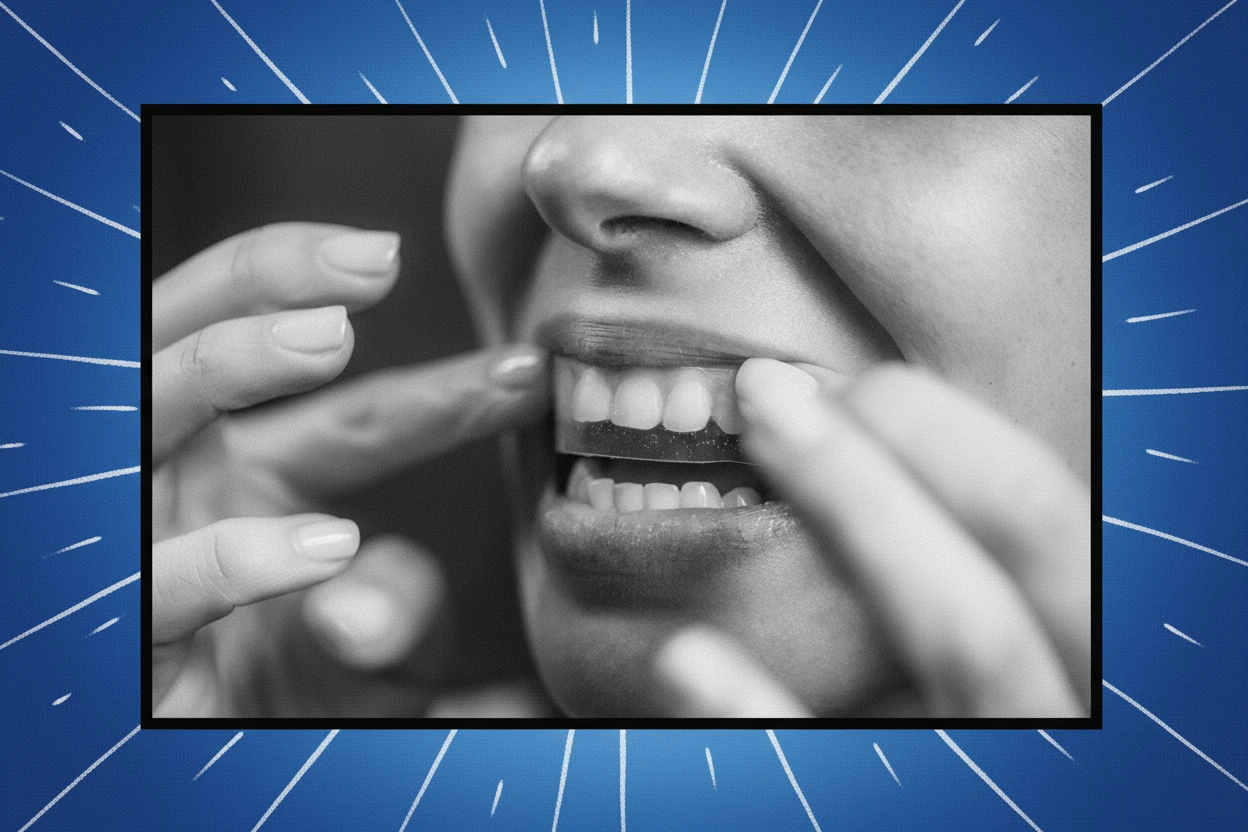
At-home teeth whitening products contain bleaching agents like hydrogen peroxide or carbamide peroxide that whiten teeth by breaking down bonds within darker-colored compounds called chromogens. Whitening toothpaste may also contain abrasives such as baking soda that reduce surface stains7.
- Intrinsic stains result from enamel thinning or internal discoloration1
- Injuries or antibiotics like tetracycline can cause intrinsic staining1
- Natural whitening methods primarily affect extrinsic stains2
- Professional treatments may be necessary for intrinsic discoloration2
- Only natural teeth can be whitened; restorations do not change color2
When To Seek Dental Care
If discoloration does not improve with natural methods or whitening toothpaste, consulting a dentist is recommended12. Tooth discoloration can sometimes indicate underlying issues such as cavities, injuries, or enamel demineralization12. Early professional intervention can improve outcomes and overall dental health12.
- Persistent discoloration warrants professional evaluation12
- Dentists can recommend appropriate whitening treatments or address underlying problems12
- Professional whitening products may be more effective for stubborn stains12
- Regular dental cleanings help prevent and reduce discoloration12
- Early diagnosis of enamel or dental issues improves treatment success12
Tooth whitening with peroxides is generally considered safe and effective but can temporarily increase tooth sensitivity9.
A Quick Review
Tooth discoloration affects millions of adults, many of whom seek natural whitening methods before professional care1. Common natural approaches include oil pulling, baking soda, hydrogen peroxide, and certain foods1. While some methods have mild benefits, others lack scientific support or may cause harm if used improperly13. Consulting a dentist is the safest way to choose an effective whitening method tailored to individual needs12.
- Tooth discoloration is a widespread concern among adults1
- Natural whitening methods vary in safety and effectiveness1
- Oil pulling reduces bacteria but does not directly whiten teeth1
- Hydrogen peroxide is effective but requires careful use to avoid damage1
- Baking soda toothpaste can reduce stains and plaque safely with professional guidance1