Hydrogen peroxide is a common ingredient in many teeth-whitening products due to its ability to break down stains and lighten tooth color through a chemical oxidation process1. It can penetrate both the enamel surface and deeper layers to address intrinsic discoloration, making it effective for various types of tooth stains1. While generally safe at low concentrations, improper use or higher doses may cause side effects such as tooth sensitivity and gum irritation2.
Effectiveness of Hydrogen Peroxide
Hydrogen peroxide works as a potent oxidizing agent that whitens teeth by breaking down organic chromophores—molecules responsible for stains—through oxidation3. This chemical reaction removes both extrinsic (surface) and intrinsic (internal) stains, improving the overall whiteness of teeth4. It can penetrate enamel and dentin layers, reacting with pigments in the yellowish dentin to lighten tooth color5.
Both hydrogen peroxide and carbamide peroxide are the most frequently used compounds for tooth whitening, with carbamide peroxide releasing hydrogen peroxide slowly, providing a sustained whitening effect4. Mouthwashes containing hydrogen peroxide have also demonstrated gradual whitening effects over time6.
Commercial whitening products typically use low concentrations of hydrogen peroxide to balance effectiveness with safety, while professional in-office treatments employ higher concentrations for faster and more dramatic results4. In-office bleaching often uses carbamide peroxide levels ranging from 30% to 37%, sometimes combined with light activation to accelerate the process4. However, over-the-counter (OTC) products usually contain lower concentrations, making them safer for home use but slower in effect4.
The American Dental Association (ADA) states that hydrogen peroxide is an effective agent for whitening teeth7.
Hydrogen Peroxide Safety
Benefits
Hydrogen peroxide-based whitening products are generally considered safe when used according to manufacturer instructions or under dental supervision8. Low concentrations (around 3% to 6%) are typically safe for long-term use without significant damage to enamel or oral tissues9. When used properly, these products do not significantly alter the microhardness or structure of tooth enamel10. Additionally, hydrogen peroxide in mouthwashes can help reduce plaque and gingivitis, contributing to improved oral health6.
Products that carry the ADA Seal of Acceptance, such as those containing 10% carbamide peroxide for at-home use, meet strict safety and efficacy standards4. Consulting a dentist before starting whitening treatments can help ensure the selection of safe and effective products tailored to individual needs4.
Side Effects
Despite its benefits, hydrogen peroxide can cause side effects, especially at higher concentrations or with prolonged use. The most common adverse effects include tooth sensitivity and gum irritation, which are usually mild and temporary11. Sensitivity occurs because hydrogen peroxide can penetrate enamel and dentin, sometimes reaching the pulp and causing discomfort2. Gum irritation may result from contact with the soft tissues during treatment12.
Higher concentrations of hydrogen peroxide increase the frequency and severity of side effects12. Prolonged or repeated use of strong whitening agents can lead to structural changes in enamel, such as mineral loss, increasing the risk of damage12. Chemical burns and persistent sensitivity are potential complications of improper or excessive use, particularly with at-home products lacking professional supervision1.
| Side Effect | Description | Frequency/Severity |
|---|---|---|
| Tooth Sensitivity | Temporary discomfort due to enamel/dentin penetration2 | Common, usually mild11 |
| Gum Irritation | Inflammation or soreness of gum tissue12 | Common, resolves after treatment11 |
| Enamel Alteration | Mineral loss or structural changes with high concentration or prolonged use12 | Less common, risk increases with misuse12 |
| Chemical Burns | Soft tissue damage from improper application1 | Rare, mostly with OTC misuse1 |
| Sources:121112 | ||
How to Whiten Teeth with Hydrogen Peroxide
Brushing Teeth With Hydrogen Peroxide
Brushing with toothpaste containing hydrogen peroxide is a common and safe method for removing surface stains and maintaining tooth whiteness6. Most whitening toothpastes contain low levels of hydrogen peroxide (around 1%) combined with abrasives to mechanically remove extrinsic stains6. When used as directed, these toothpastes do not significantly harm enamel or cause sensitivity10.
It is important to follow manufacturer instructions and avoid excessive brushing or prolonged contact with hydrogen peroxide-containing toothpaste to minimize the risk of irritation or enamel damage8. Regular use can gradually improve tooth color without the risks associated with higher-concentration bleaching gels6.
Swishing With Hydrogen Peroxide
Hydrogen peroxide mouthwashes can also contribute to tooth whitening by dissolving surface stains and reducing plaque buildup6. These rinses typically contain low concentrations of hydrogen peroxide to ensure safety during daily use6. Swishing with hydrogen peroxide mouthwash can be an adjunct to brushing, helping maintain whiteness over time6.
However, overuse or using mouthwashes with higher concentrations may increase the risk of gum irritation and sensitivity12. It is advisable to use such products as directed and consult a dentist if any adverse effects occur8.
Hydrogen peroxide whitening products are effective because they chemically break down stains both on the surface and within the tooth enamel and dentin layers. However, higher concentrations and longer exposure times increase the risk of tooth sensitivity and gum irritation312.
At-Home Teeth Whitening Options
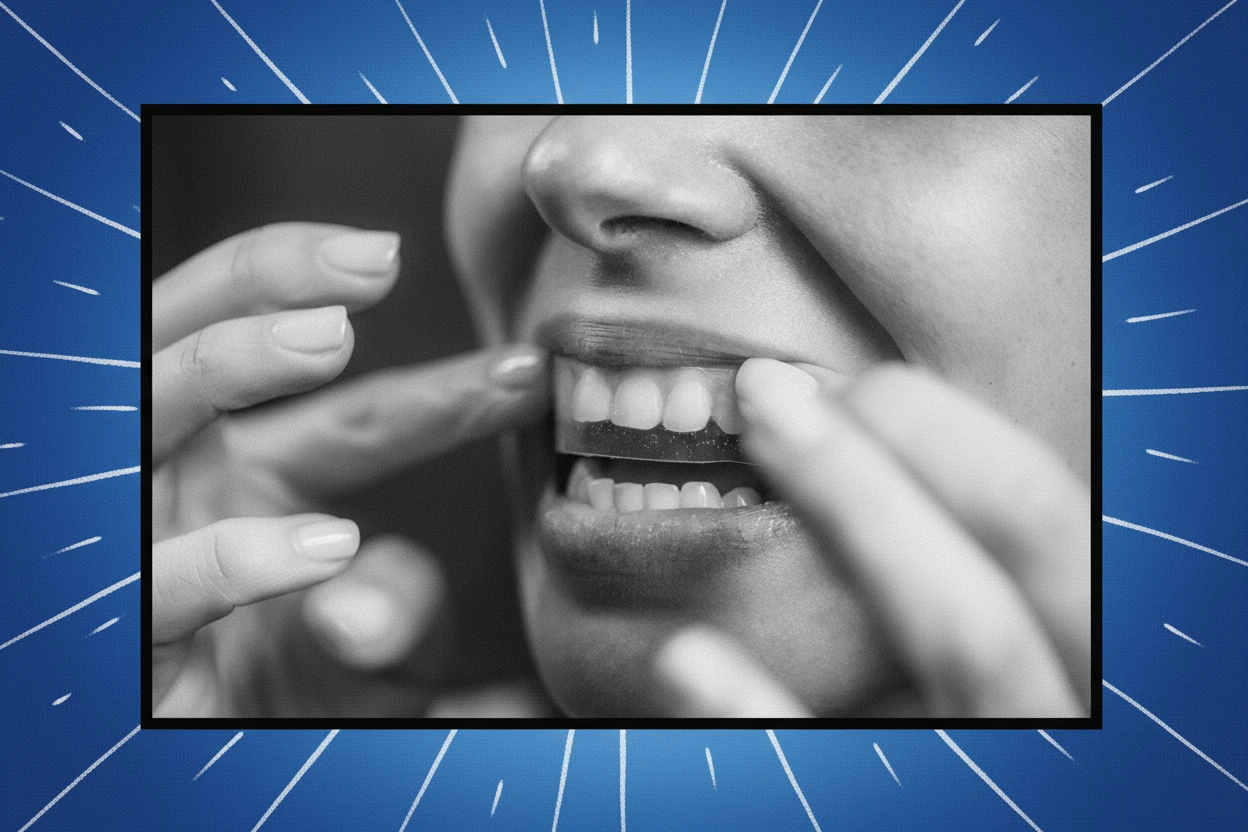
At-home whitening products are widely available and convenient, offering a range of options from whitening toothpastes to gels and strips4. These products generally contain lower concentrations of hydrogen peroxide or carbamide peroxide compared to professional treatments, resulting in slower but safer whitening effects4.
Professional in-office bleaching treatments use higher concentrations of peroxide and provide faster, more noticeable results through multiple short sessions supervised by a dentist4. Dentists can also tailor treatment plans and monitor for side effects, reducing the risk of complications4.
When using at-home products, it is important to:
- Follow manufacturer instructions carefully to avoid overuse or misuse8
- Consult a dentist before starting whitening treatments, especially if you have dental restorations or sensitive teeth4
- Space out whitening sessions and allow rest periods to minimize adverse effects4
- Avoid using high-concentration peroxide products without professional supervision12
Whitening toothpastes and mouthwashes containing hydrogen peroxide can help maintain whitening results and improve tooth color gradually6.
Preventing Tooth Discoloration
Preventing tooth discoloration is key to maintaining a bright smile and reducing the need for frequent whitening treatments. While alternative methods like baking soda, charcoal, and oil pulling are popular, they lack strong scientific evidence for safety and effectiveness. Carbamide peroxide remains a well-documented whitening agent that releases hydrogen peroxide slowly, offering a safer alternative for gradual whitening4.
General tips to prevent staining and enamel erosion include:
Whitening treatments can be effective on both extrinsic and intrinsic stains. Only natural teeth can be whitened; tooth-colored restorations do not respond to whitening13.
- Limiting consumption of acidic foods and drinks that can erode enamel
- Using a straw when drinking sodas or acidic beverages to reduce contact with teeth
- Waiting at least one hour before brushing teeth after consuming acidic foods to avoid enamel damage
- Chewing sugarless gum to help neutralize acids and protect enamel
Maintaining good oral hygiene and regular dental check-ups also support long-term tooth health and appearance4.
Key Takeaways
- Hydrogen peroxide is an effective bleaching agent that whitens teeth by oxidizing stain-causing molecules in enamel and dentin3.
- Low concentrations (3% to 6%) of hydrogen peroxide are generally safe for teeth whitening when used as directed, with minimal risk of enamel damage9.
- The most common side effects are temporary tooth sensitivity and gum irritation, which usually resolve after treatment ends11.
- Professional in-office whitening uses higher peroxide concentrations for faster results but requires dental supervision to minimize risks4.
- At-home whitening products are convenient and safe when used properly, but slower in effect compared to professional treatments4.