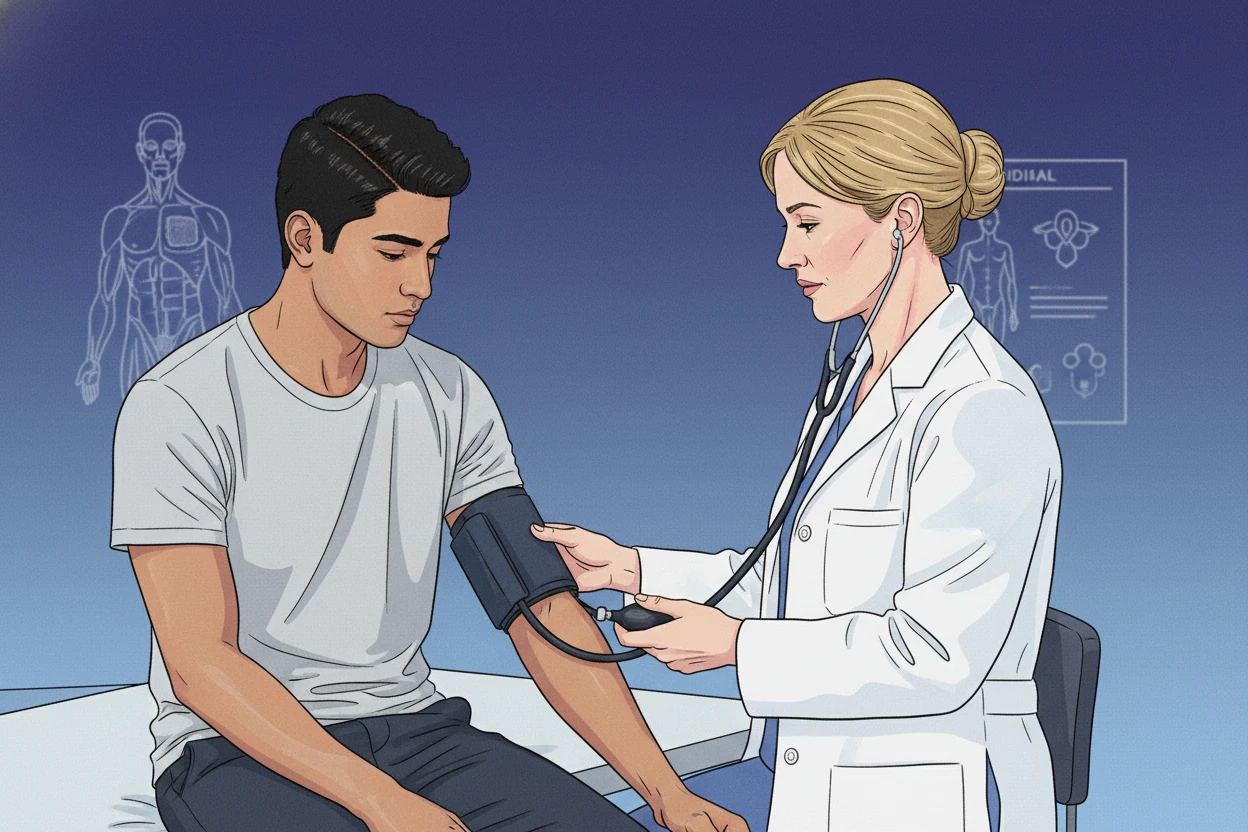
Hypokalemia, or low norovirus symptoms beyond vomiting and diarrhea potassium levels, affects up to 20% of hospitalized patients and can lead to serious health complications if untreated1. Potassium is vital for proper muscle, nerve, and heart function, and its deficiency can cause a wide range of symptoms from mild fatigue to life-threatening arrhythmias and paralysis12. Recognizing the signs of hypokalemia early can help prevent severe outcomes and guide timely treatment1.
Muscle Weakness and Cramps
Muscle weakness is one of the most common symptoms of hypokalemia due to potassium’s essential role in maintaining muscle cell membrane potential and excitability3. Potassium helps regulate the electrical activity necessary for muscle contraction and relaxation, so low potassium disrupts this process, leading to impaired muscle function3. This weakness often affects proximal muscles more than distal ones and can present as sudden episodes, as seen in hypokalemic periodic paralysis4.
Severe hypokalemia may cause life-threatening muscle paralysis, including involvement of respiratory muscles, which can result in respiratory failure requiring urgent medical intervention56. Muscle cramps and spasms are frequent neuromuscular symptoms associated with potassium deficiency, often causing discomfort and pain7. In extreme cases, hypokalemia can lead to rhabdomyolysis, a condition where muscle tissue breaks down, causing muscle pain, weakness, and potential kidney injury78.
- Hypokalemic periodic paralysis causes sudden, temporary muscle weakness, mainly in proximal muscles4.
- Potassium deficiency disrupts muscle electrical activity, impairing contraction and causing weakness3.
- Severe hypokalemia can lead to paralysis of respiratory muscles, risking respiratory failure6.
- Muscle cramps and spasms are common symptoms of low potassium7.
- Rhabdomyolysis secondary to hypokalemia causes muscle pain and may damage kidneys78.
“Potassium is an electrolyte, or mineral, that you get from food. It helps your body function properly. Your kidneys help to regulate the amount of potassium in your blood. Hypokalemia occurs when the potassium levels in your blood are too low. Very low potassium levels can cause problems with your heart, kidneys, and muscles.”
— Faizan Syed, UPMC9
Digestive Issues and Constipation
Potassium plays a critical role in the function of smooth muscles, including those in the gastrointestinal (GI) tract5. Low potassium levels reduce the contractility of intestinal smooth muscles, leading to decreased peristalsis—the wave-like muscle contractions that move food through the digestive system5. This hypomotility results in slower bowel transit and commonly causes constipation5.
In addition to constipation, hypokalemia-induced GI hypomotility may cause nausea and vomiting due to impaired muscle function5. Muscle weakness affecting the GI tract can therefore contribute to a range of digestive symptoms in patients with low potassium5.
- Potassium is essential for smooth muscle contractions in the intestines5.
- Hypokalemia reduces intestinal muscle contractility, slowing bowel movements5.
- Slowed intestinal transit leads to constipation and delayed stool passage5.
- Gastrointestinal hypomotility may also cause nausea and vomiting5.
- Digestive symptoms arise from muscle weakness involving smooth muscles5.
Fatigue and Low Energy
Fatigue is a frequent symptom of hypokalemia, resulting from impaired muscle and nerve function5. Potassium deficiency disrupts cellular energy metabolism, which can cause persistent tiredness and low energy levels5. Additionally, reduced neuromuscular efficiency due to low potassium contributes to feelings of weakness and fatigue5.
Because potassium is vital for normal nerve and muscle activity, its deficiency can impair overall physical function, making daily activities more difficult for affected individuals5.
- Fatigue occurs due to impaired muscle and nerve function in hypokalemia5.
- Potassium deficiency disrupts cellular energy metabolism, causing tiredness5.
- Reduced neuromuscular efficiency contributes to persistent fatigue5.
- Low potassium impairs physical performance and endurance5.
- Fatigue may be an early sign of mild to moderate hypokalemia5.
Heart Palpitations and Irregularities
Potassium ions are essential for generating and conducting cardiac action potentials, which regulate heart rhythm10. Hypokalemia alters cardiac membrane excitability, increasing the risk of arrhythmias—abnormal heartbeats that can range from mild palpitations to life-threatening irregular rhythms10. Mild hypokalemia may cause palpitations, while severe potassium deficiency significantly raises the risk of dangerous arrhythmias10.
Arrhythmias caused by hypokalemia can lead to symptoms such as dizziness, syncope (fainting), and in severe cases, sudden cardiac death10. Patients with underlying heart disease or advanced age are particularly vulnerable to these complications10.
- Mild hypokalemia can cause palpitations and irregular heartbeats10.
- Severe hypokalemia increases the risk of life-threatening cardiac arrhythmias10.
- Potassium is crucial for cardiac electrical activity and rhythm stability10.
- Arrhythmias may cause dizziness, fainting, or sudden cardiac arrest10.
- Underlying heart conditions increase arrhythmia risk from low potassium10.
Numbness or Tingling Sensations
Hypokalemia impairs nerve conduction by disrupting the membrane potential of nerve cells, leading to abnormal sensations such as numbness and tingling (paresthesias)5. These sensory disturbances typically begin in the distal extremities, such as the hands and feet5. Potassium deficiency affects nerve signal transmission, causing these characteristic symptoms5.
Such nerve dysfunction from low potassium can also contribute to muscle weakness and cramping, as nerves fail to properly stimulate muscle fibers5.
- Low potassium disrupts nerve cell membrane potential and signal transmission5.
- Hypokalemia causes numbness and tingling, especially in hands and feet5.
- Paresthesias result from impaired nerve conduction due to potassium deficiency5.
- Sensory symptoms often accompany muscle weakness and cramps5.
- Nerve dysfunction from hypokalemia may worsen if untreated5.
Frequent Urination and Thirst
Prolonged hypokalemia can cause renal tubular dysfunction, impairing the kidneys' ability to concentrate urine and leading to increased urine output (polyuria)11. This loss of fluid triggers compensatory thirst (polydipsia) as the body attempts to maintain fluid balance11. Chronic low potassium levels may damage kidney tubules, worsening these symptoms11.
These symptoms are more common in chronic or severe hypokalemia and may indicate underlying kidney involvement11.
- Hypokalemia can cause renal tubular dysfunction, leading to polyuria11.
- Increased urine output results from impaired kidney concentrating ability11.
- Excessive urination triggers compensatory thirst to maintain hydration11.
- Chronic low potassium may cause lasting kidney damage11.
- Polyuria and polydipsia are signs of hypokalemic nephropathy11.
Hypokalemia Symptoms in Children
Children typically show symptoms of hypokalemia when serum potassium falls below 3.0 mEq/L5. Pediatric symptoms mirror those seen in adults, including muscle weakness, cardiac arrhythmias, and palpitations5. Severe hypokalemia in children can lead to respiratory muscle paralysis and respiratory failure, which is a medical emergency5.
Children with episodic muscle weakness and a family history of periodic paralysis should be evaluated for hypokalemic periodic paralysis, a genetic condition causing sudden weakness episodes4. Early diagnosis and treatment are crucial to prevent complications in pediatric patients5.
- Symptoms usually appear when potassium is below 3.0 mEq/L in children5.
- Pediatric hypokalemia presents with muscle weakness and arrhythmias5.
- Severe cases may cause respiratory muscle paralysis and failure5.
- Family history of periodic paralysis warrants evaluation for hypokalemic periodic paralysis4.
- Early recognition in children improves outcomes5.
When to Seek Medical Care
It is important to seek medical advice if ongoing potassium loss occurs due to vomiting, diarrhea, or diuretic use, especially when symptoms of hypokalemia develop12. Diagnosis requires serum potassium measurement by a healthcare professional12. Mild hypokalemia is often managed with oral potassium supplements and dietary changes, while severe cases need intravenous potassium replacement under medical supervision13.
Emergency medical attention is necessary if muscle paralysis, respiratory difficulty, or life-threatening arrhythmias occur1. Patients with risk factors such as heart disease or chronic illnesses should be monitored closely12.
- Consult a healthcare provider if vomiting or diarrhea causes persistent potassium loss12.
- Patients on diuretics with symptoms of low potassium should seek evaluation12.
- Diagnosis requires blood tests measuring serum potassium levels12.
- Mild hypokalemia is treated with oral potassium and diet modification13.
- Severe hypokalemia requires intravenous potassium and urgent care13.
Key Takeaways
- Hypokalemia is a common electrolyte disorder that impairs muscle, nerve, and heart function1.
- Muscle weakness, cramps, and paralysis are key neuromuscular symptoms caused by low potassium37.
- Digestive issues like constipation result from reduced smooth muscle contractility in the intestines5.
- Cardiac arrhythmias due to hypokalemia can be life-threatening, especially in patients with heart disease10.
- Early diagnosis and treatment with potassium supplements prevent serious complications13.
Frequently Asked Questions
What is hypokalemia?
Hypokalemia is a condition where blood potassium levels fall below the normal range, typically less than 3.5 mEq/L1. Potassium is essential for nerve, muscle, and heart function, and its deficiency causes various symptoms.
What causes hypokalemia?
Common causes include excessive potassium loss from vomiting, diarrhea, diuretics, endocrine disorders, and genetic conditions like hypokalemic periodic paralysis142.
Can hypokalemia be life-threatening?
Yes. Severe hypokalemia can lead to muscle paralysis, respiratory failure, and dangerous heart arrhythmias that require urgent medical treatment1410.
How is hypokalemia treated?
Treatment depends on severity. Mild cases are managed with oral potassium supplements and dietary changes, while severe hypokalemia requires intravenous potassium under medical supervision139.
Do children have different symptoms?
Children show similar symptoms to adults, including muscle weakness and arrhythmias. Severe cases in children can cause respiratory muscle paralysis5.